

The year was 1990. Macaulay Culkin was everywhere. Home Alone had made the ten-year-old the most famous child in America, maybe the world. Meanwhile, his younger brother Kieran, age eight, sat in the audience of talk shows, appeared briefly in his brother’s movies, existed as a footnote to a phenomenon. He was cute talented and also utterly invisible next to the supernova of Macaulay’s fame.
Today, Kieran Culkin net worth 2025 stands at approximately $10 million. The figure seems modest compared to what his brother earned as a child. Yet it represents something more valuable: a career built slowly, deliberately, on his own terms. The boy who grew up in someone else’s spotlight found a way to generate his own. He just had to survive his family first.
The Wound: Growing Up Culkin
Kit Culkin managed his children’s careers with the intensity of a Wall Street trader and the ethics of a used car salesman. He pushed seven of his eight kids into acting, treating them as assets to be monetized. Bonnie Bedelia, Kit’s ex-wife and the children’s mother, fought for custody amid accusations of exploitation. The Culkin household was a factory for child performers, and Macaulay was the most profitable product.
The Second Son’s Burden
Kieran was two years younger than Macaulay, old enough to understand what was happening but young enough to be powerless against it. He watched his brother become a global commodity. He saw the money flow in and the dysfunction deepen. Their father’s management style created chaos that would take decades to untangle.
Furthermore, being the sibling of a megastar creates a peculiar wound. You’re not ignored. You’re constantly noticed, constantly compared, constantly found wanting. Every audition becomes a referendum on whether you’re as good as your brother. Every success is attributed to his coattails. Failure is yours alone.
The Family Fracture
By the mid-1990s, the Culkin empire was imploding. Macaulay quit acting at fourteen after his parents’ separation triggered a custody battle over his $17 million earnings. Kit Culkin was eventually estranged from most of his children. The family that had seemed like Hollywood royalty revealed itself as a cautionary tale.
Kieran navigated this collapse while still a teenager. He had his own modest earnings, his own nascent career, but also the knowledge that everything he’d witnessed could happen to him. The choice became clear: continue in his brother’s path or find another way entirely.
The Chip: Proving He Wasn’t Macaulay
Where Macaulay became a child star and then a cautionary tale, Kieran chose slow growth over explosive fame. The chip on his shoulder wasn’t about surpassing his brother. It was about becoming something different entirely. He wanted a career, not a phenomenon. He wanted longevity, not headlines.

The Theater Escape
In his late teens and early twenties, Kieran turned to theater. The stage offered what film couldn’t: anonymity, craft over celebrity, work that didn’t require being photographed. He appeared in productions that nobody outside New York noticed. The approach was deliberate.
Consequently, while Macaulay struggled publicly with fame’s aftermath, Kieran built skills quietly. He learned to disappear into roles rather than dominate them. He developed the ability to make other actors look good, a generosity that would eventually make directors desperate to cast him.
The Indie Years
Film work came gradually, mostly in independent productions. Igby Goes Down (2002) earned him a Golden Globe nomination at age twenty. The role showcased exactly what differentiated him from Macaulay: Kieran could play damaged without being destroyed, sardonic without being cynical, wounded without being pathetic.
The film’s modest success proved something important. Kieran could carry a movie on his own terms. He didn’t need to be the cute kid or the troubled former star. He could just be an actor, doing the work, building a resume that had nothing to do with Home Alone.
The Rise: Roman Roy and the Art of Being Terrible
For fifteen years after Igby Goes Down, Kieran Culkin worked steadily without breaking through. He appeared in Scott Pilgrim vs. the World, Fargo, and various independent films. The career was respectable but not remarkable. Then HBO called with a show about a media dynasty eating itself alive.

Succession: Finding Roman
Roman Roy could have been a one-note villain: the spoiled failson of a billionaire, cruel and useless. In Kieran’s hands, the character became something more complex. Roman’s cruelty masked desperation. His humor deflected from wounds he couldn’t name. The performance required playing someone simultaneously repulsive and sympathetic.
According to Vanity Fair, Kieran drew on his own complicated family history to understand Roman. The character’s desperate need for parental approval, his self-sabotaging behavior, his inability to connect authentically with anyone: these weren’t abstract concepts. They were variations on themes Kieran knew intimately.
The Critical Coronation
Over four seasons, Succession became the defining prestige drama of its era. Roman Roy became its most compelling character. Kieran earned Emmy nominations every year. In 2024, he won the Golden Globe for Best Actor in a Television Drama, finally receiving recognition that had nothing to do with his last name.
The victory speech was characteristic: self-deprecating, slightly awkward, genuinely surprised. He’d spent decades expecting less. Success still seemed like something that happened to other people, to brothers who got cast in the starring role while you played the sidekick.
After Succession: The Leading Man Question
With Succession concluded, Kieran faces the challenge that defines post-prestige TV careers. Can he lead a project without the ensemble that made Roman Roy possible? His choices will reveal whether he wants traditional stardom or something more idiosyncratic.
Recent projects suggest he’s still allergic to the obvious path. He’s chosen character roles over franchise leads, independent films over blockbusters. The pattern mirrors his entire career: slow, deliberate, resistant to the industry’s tendency to push actors toward the safest possible choices.
The Tell: The Brother Who Got Away
In interviews, Kieran handles the Macaulay question with practiced grace. He’s neither defensive nor dismissive. The brothers have reconciled, appeared together publicly, seem to have found peace with their shared history. Yet the wound shows in subtler ways.
The Allergy to Hype
Kieran actively resists the machinery of fame. He does minimal press, avoids social media, lives in New York rather than Los Angeles. The choices aren’t random. They’re the learned responses of someone who watched celebrity destroy people he loved.
Similarly, his role choices reveal the scar. Roman Roy is essentially a study of what happens when parents treat children as extensions of their own ambitions. The character’s father is a monster who created broken children. Kieran didn’t have to research that dynamic. He lived it.
The Location Connection: New York, Not Hollywood
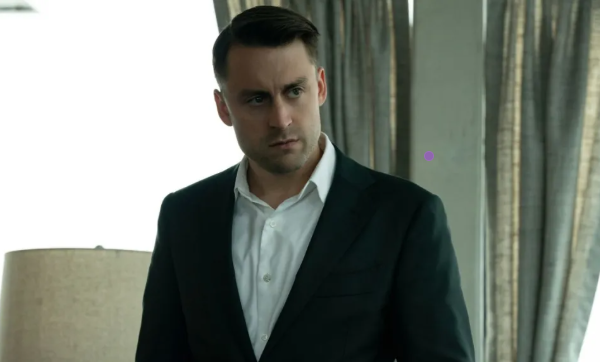
Kieran Culkin net worth 2025 supports a lifestyle deliberately rooted in New York City. Unlike actors who chase Los Angeles sunshine and industry proximity, Kieran stayed on the East Coast. The geography is intentional. New York is where theater lives, where anonymity is possible, where you can be an actor without being a celebrity.
Building a Life Away From the Machine
He married Jazz Charton in 2013. They have two children. The family maintains a low profile that would be impossible in Los Angeles, where paparazzi track every celebrity school run. New York offers the possibility of normal: subway rides, neighborhood restaurants, a life that doesn’t revolve around being watched.
As The New York Times observed, Kieran treats his privacy like something precious, something that can be lost if you’re not careful. The instinct comes from watching his brother lose it at ten years old and spend decades trying to get it back.
The Other Culkin’s Victory
Kieran Culkin’s $10 million fortune is smaller than what his brother earned as a child. The comparison misses the point entirely. Money was never the measure. Survival was.
The boy who grew up in Macaulay’s shadow watched that shadow consume his brother, fracture his family, and poison everything it touched. He could have chased the same fame. Instead, he chose a different path: slower, quieter, more sustainable. He built a career that doesn’t depend on being the most famous person in the room.
Roman Roy was the role of a lifetime, but it wasn’t an accident. Kieran had been preparing for it since childhood, learning what happens when parents exploit their children, when fame arrives before identity, when success becomes a kind of destruction. He played a damaged rich kid so well because he understood the damage from the inside.
The other Culkin brother finally stepped out of the shadow. He did it by playing someone still trapped in one. And somehow, that made him free.
Related Articles
- Bryan Cranston Net Worth 2025: The $50 Million Man Who Learned to Disappear
- Bob Odenkirk Net Worth 2025: The Comedy Writer Who Became an Action Star
- Elisabeth Moss Net Worth 2025: The Child Actor Who Survived Hollywood
Connect With Social Life
For features, advertising, and partnership inquiries: sociallifemagazine.com/contact
Experience Polo Hamptons 2025: polohamptons.com
Subscribe to our print edition for insider access to Hamptons society, celebrity profiles, and cultural coverage delivered to your door.
Join our email list for weekly updates on events, features, and exclusive content.
Support independent journalism: Donate $5 to help us continue delivering premium content.
Author

Written by
Recent Posts
How Long Does It Take to Produce a Custom Advertising Blimp?
How Can Car Dealerships Use Custom Advertising Inflatables?
The Art of Frictionless Living: Navigating the Logistics of a Global Lifestyle
7 Hydrating Under Eye Concealers for Dry Skin
Your Go-To Guide For Residential Roof Maintenance Near You
Categories
- Art
- Articles
- Beauty & Skincare
- Celebrities
- Celebrities|The Chronicles
- Chronicles
- Event Photos
- Events
- Fashion
- Fashion & Style
- Featured
- Food & Beverage
- Food, Spirits, Wine
- Hamptons
- Hamptons Celebrities
- Health
- Health & Beauty
- Lifestyle
- Luxury Lifestyle
- Press
- Profiles
- Real Estate
- Technology
- The Chronicles
- Travel
- Uncategorized
- Weddings