
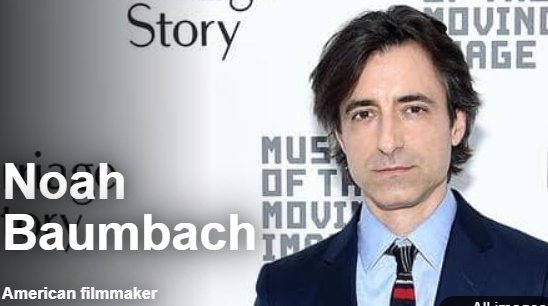
The teenager sits at the dinner table, watching his father pontificate about Dickens while his mother seethes in silence. Tomorrow, one of them will be gone. The following week, he’ll pack a bag and shuttle between two apartments, a custody schedule folded in his back pocket like a shameful secret. Somewhere in Park Slope, Brooklyn, circa 1985, a future filmmaker is learning the grammar of heartbreak.
Twenty years later, Noah Baumbach would exorcise that dinner table in The Squid and the Whale. Forty years later, with a net worth of approximately $16 million and a creative partnership with Greta Gerwig that produced the billion-dollar Barbie, he’s still writing about it. Consequently, the wound never quite closed. It just became profitable.
The Wound: Brooklyn Intellectuals and the Art of Elegant Destruction
Baumbach was born September 3, 1969, in Brooklyn, to parents who lived inside their own heads. His father, Jonathan Baumbach, was an experimental novelist and co-founder of Fiction Collective who taught at Brooklyn College and wrote film criticism for the Partisan Review. His mother, Georgia Brown, reviewed films for the Village Voice and also published fiction. Therefore, words were weapons in the Baumbach household, wielded with precision and cruelty.
Growing up in Park Slope during the 1970s and 80s meant absorbing a particular strain of upper-middle-class intellectualism. According to Britannica, Jonathan would take young Noah to R-rated films before he hit double digits. Art wasn’t separate from life. Similarly, neither was pretension, competition, or the slow-motion violence of a marriage falling apart.
The divorce arrived during adolescence, splitting the family into an absurd joint custody arrangement where Baumbach and his brother stayed with their father on intermittent days of the week rather than for several days at a time. Moreover, it was a setup so disorienting he later called it surreal while making The Squid and the Whale.
A Household of Critics
Having two film critic parents meant judgment was the family business. Every movie became a referendum. Every opinion was cross-examined. In this environment, Baumbach learned that nothing could simply be enjoyed. Instead, it had to be analyzed, ranked, defended.
The specificity of this upbringing would later define his filmmaking. As Turner Classic Movies notes, childhood spent in art house theaters soaking in Howard Hawks, François Truffaut, and Jean Renoir helped inform his lifelong ambition to become a filmmaker. Nevertheless, that ambition carried cargo: the need to prove he belonged in the conversation.
The Chip: Turning Pain Into Scripts
After graduating from Midwood High School in 1987, Baumbach attended Vassar College, where his roommate was future horror producer Jason Blum. Subsequently, he majored in English and began making short films with the fervor of someone with something to prove. Following graduation in 1991, he briefly worked as a messenger at The New Yorker, running scripts through Manhattan while nursing his own.
His 1995 debut, Kicking and Screaming, premiered at the New York Film Festival. Critics noted the Woody Allen influence, the Whit Stillman DNA, the sharp ear for dialogue that made directionless twentysomethings sound profound. Roger Ebert praised Baumbach’s ability to elevate aimless small-talk into a statement. Newsweek named him one of their Ten New Faces of 1996.
Then came a decade of near-silence. His second film flopped. His third he disowned entirely. A sitcom pilot for ABC died quietly. However, during this fallow period, he developed a friendship with Wes Anderson that would prove professionally crucial. Meanwhile, the chip on his shoulder sharpened into something usable.

The First Script He Didn’t Show His Parents
In 2005, everything changed. The Squid and the Whale was Baumbach’s first script he kept hidden from Jonathan and Georgia. In an interview with author Jonathan Lethem, he admitted: “The film is not only inspired by my childhood and my parents’ divorce, but it was also the first script I didn’t show to my parents while I was working on it.”
The film starred Jeff Daniels wearing Jonathan Baumbach’s actual clothes, performing a character based on the filmmaker’s father. As a result, it swept the Sundance Film Festival awards, earned an Academy Award nomination for Best Original Screenplay, and announced a filmmaker who had found his true subject: family as horror movie.
The Rise: From Indie Darling to Billion-Dollar Screenwriter
Noah Baumbach net worth estimates range from $16 million to $25 million in 2025, depending on the source. This fortune stems from a remarkable career trajectory that includes Academy Award nominations, Netflix deals, and co-writing the highest-grossing film ever directed by a woman.
Following The Squid and the Whale, Baumbach directed Margot at the Wedding (2007), starring then-wife Jennifer Jason Leigh alongside Nicole Kidman. The marriage didn’t survive. Leigh filed for divorce in 2010, just seven months after their son Rohmer was born. The proceedings echoed the very material he’d made his name excavating.
His romantic and creative collaboration with Greta Gerwig began late in 2011, after they met during the production of Greenberg. Together, they co-wrote Frances Ha (2012) and Mistress America (2015). The Hollywood Reporter called them one of cinema’s most influential creative partnerships.
Marriage Story: The Ultimate Divorce Artist
His 2019 film Marriage Story earned six Academy Award nominations, including Best Picture and Best Original Screenplay. Critics noted the obvious parallels to his split from Leigh: a theater director in New York, an actress who moves to Los Angeles, a custody battle over a young son.
Baumbach showed Leigh the script and the finished film. According to IndieWire, she liked it, “because it isn’t about our marriage.” Whether that’s diplomacy or truth remains the kind of ambiguity Baumbach has made his specialty.
In 2023, Baumbach and Gerwig co-wrote Barbie for Warner Bros. The film grossed $1.4 billion worldwide, earning them an Academy Award nomination for Best Adapted Screenplay. They married at New York City Hall in December 2023, twelve years into their relationship, with two sons between them.
The Tell: The Wound in Every Frame
Watch any Baumbach film and you’ll find the same tells. Fathers who weaponize intellect. Mothers stretched thin. Children forced into impossible allegiances. Consequently, the original hurt doesn’t fade; it just changes costumes.
He has cited Woody Allen as “an obvious influence,” stating to interviewers that Allen was “the single biggest pop culture influence on me.” The comparison cuts deeper than style. Both built careers transforming private pain into public art, mining their relationships for material while simultaneously living them.
Even The Meyerowitz Stories (2017), which Sight & Sound called “a mature sequel” to The Squid and the Whale, features a domineering artistic father (Dustin Hoffman) and adult children still negotiating childhood wounds. The setting changes. The emotional architecture remains.

The Location Connection: Park Slope Forever
Baumbach lives in Manhattan now, in a Gramercy apartment according to various profiles, with Gerwig and their children. He keeps a house in Los Angeles for work. Nevertheless, Brooklyn stays in the blood.
The brownstones of Park Slope appear throughout his films like recurring dreams. The Squid and the Whale was shot at 167 6th Avenue, a brownstone serving as the Berkman family home. Other Brooklyn sites included Prospect Park and Midwood High School, Baumbach’s actual alma mater. Indeed, location scouting becomes autobiography becomes art.
His father Jonathan sold the family’s Prospect Park South Victorian home in 2015 for $1.8 million. The residence featured original period details, oak paneling, stained glass windows. All the trappings of intellectual Brooklyn aristocracy. Meanwhile, his son had already mined its emotional real estate for far more.
The Paradox of the Successful Divorce Artist
Noah Baumbach at 55 has an Academy Award-nominated wife, a billion-dollar screenwriting credit, and a filmography that academics will study for decades. He’s been nominated for four Academy Awards. His memoir has been acquired by Knopf. His latest film, Jay Kelly (2025), starring George Clooney and Adam Sandler, arrived to strong reviews.
And somewhere inside him, a teenager still sits at that dinner table in Park Slope, watching his parents fail to love each other, learning the grammar of heartbreak that would make him rich. The mansion is beautiful. Furthermore, it’s also a bandage. Success doesn’t erase childhood. Money doesn’t heal wounds.
That’s the core of every Baumbach film. In conclusion, he keeps telling us the same thing: the hurt child survives inside the $16 million fortune, still watching, still taking notes.
More From Social Life Magazine
For exclusive profiles of filmmakers, artists, and cultural figures shaping the Hamptons and beyond, contact us about features, advertising, and partnerships. Secure your tickets and sponsorships for our signature summer events at Polo Hamptons.
Subscribe to our print edition for the complete luxury lifestyle experience. Your support keeps independent arts journalism alive.
- Noah Baumbach Net Worth 2025: From Park Slope Divorce to $16 Million Director
- Greta Gerwig Net Worth 2025: From Rejection to Top Female Director
- Wes Anderson Net Worth 2025: Divorced Kid to Award Winner
- Paul Rudd Net Worth 2025: From Outsider to Movie Star
- Brook Shields Net Worth 2025: Actress With No Childhood
- Kate Hudson Net Worth 2025: The Daughter Who Became Her Own Kind Of Famous
Author

Written by
Recent Posts
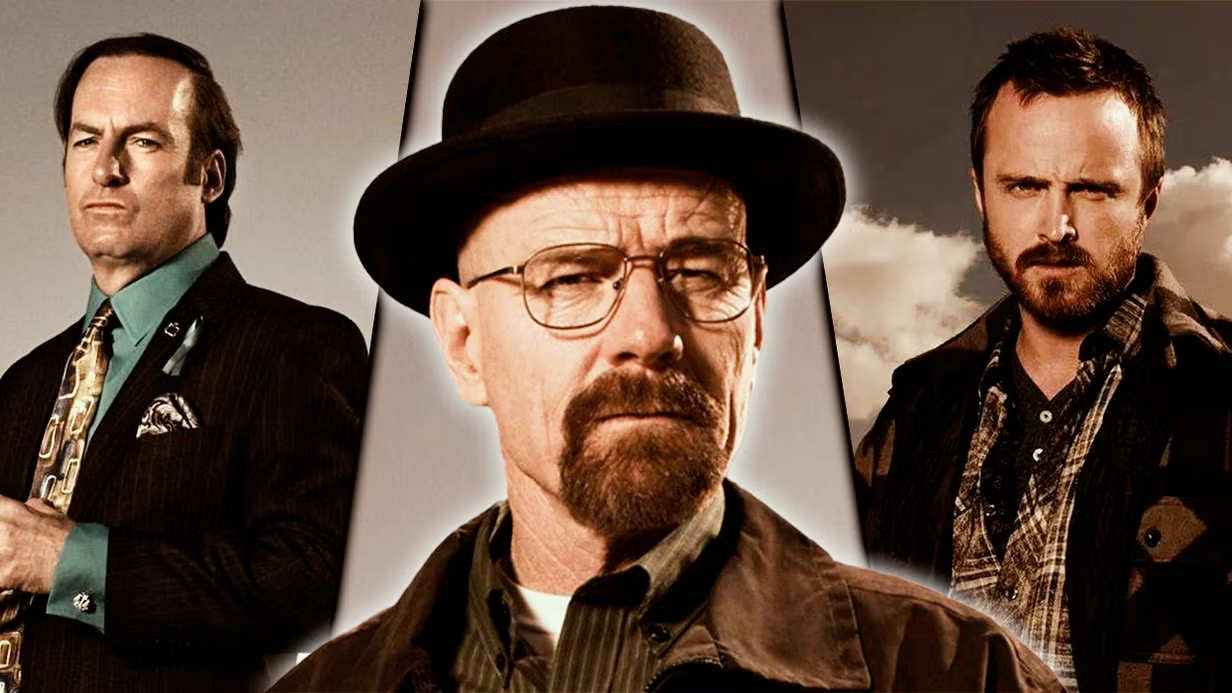
Breaking Bad Cast Net Worth. $130 Million Cooked in Five Seasons of Perfect Television

Cailee Spaeny Net Worth — From Springfield, Missouri to A24 and Alien in Three Years Flat

Wagner Moura Net Worth — He Learned Spanish to Play Escobar. Then He Learned English to Take Hollywood.
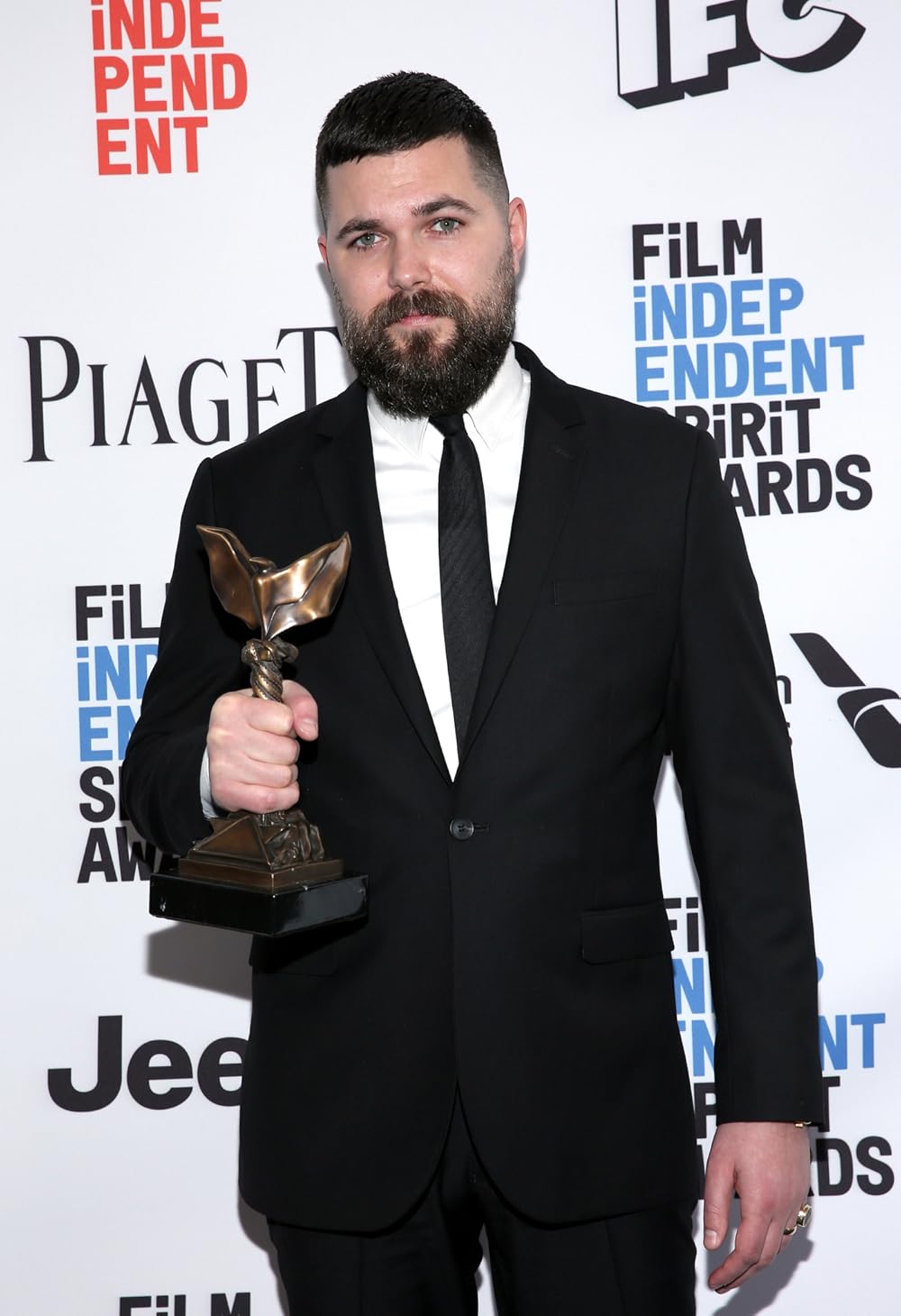
Robert Eggers Net Worth — He Made a $3.5 Million Film in Puritan English and Hollywood Listened

Brie Larson Net Worth — A $6 Million Indie Film Won Her an Oscar. Marvel Paid Her the Rest.
Categories
- Art
- Articles
- Beauty & Skincare
- Celebrities
- Celebrities|Movies
- Celebrities|The Chronicles
- Chronicles
- Entertainment|Culture
- Event Photos
- Events
- Fashion
- Fashion & Style
- Featured
- Food & Beverage
- Food, Spirits, Wine
- Hamptons
- Hamptons Celebrities
- Hamptons Celebrities|Celebrities|The Chronicles
- Health
- Health & Beauty
- Lifestyle
- Luxury Lifestyle
- Movies|Culture
- Movies|Hamptons Lifestyle
- Press
- Profiles
- Real Estate
- Technology
- The Chronicles
- Travel
- TV
- Uncategorized
- Weddings