
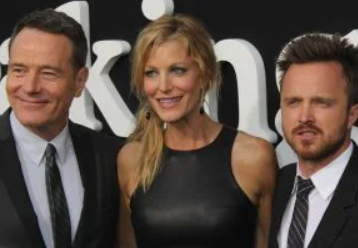
The Reinvention Economy: How TV’s Best Found Their Second Acts
Hollywood loves a comeback story. What it rarely admits is that the best comebacks aren’t really comebacks at all. They’re long games played by actors who understood something the industry missed: that transformation is a skill, not an accident. That the same wound that nearly ended a career could become its defining advantage.
The four performers profiled here share a particular trajectory. Each started in television, then faced a moment when their career seemed permanently defined—by a sitcom role, by a famous sibling, by childhood itself. Then they found a way to become someone else entirely. Their combined net worth exceeds $110 million, but the real currency they’ve accumulated is harder to quantify: the ability to reinvent themselves on demand.
The Architecture of Transformation
Bryan Cranston spent seven years as the goofball dad on Malcolm in the Middle. The role earned him three Emmy nominations and exactly zero dramatic credibility. When Vince Gilligan fought to cast him as Walter White, AMC executives couldn’t see past the underwear scenes and roller skates. They were looking at a comedian. Gilligan saw something else: an actor who could disappear so completely into a character that his previous work became irrelevant.
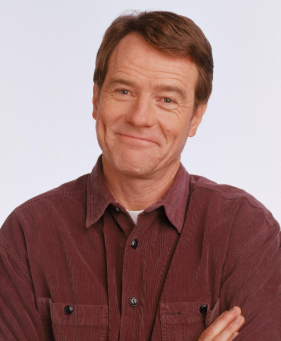
That disappearing act traces back to Cranston’s childhood. His father abandoned the family when Bryan was eleven. The boy learned to watch, to study, to become invisible as a survival mechanism. Decades later, that same skill would earn him four Emmy Awards and transform him into one of television’s most respected dramatic actors. His $50 million net worth represents the accumulated value of learning to become someone else.
The Writer Who Stepped Into the Light
Bob Odenkirk took a different path to the same destination. For years, he was comedy’s best-kept secret: the Saturday Night Live writer behind iconic sketches, the co-creator of Mr. Show, the guy who made other people famous while staying in the shadows. The pattern made sense. Growing up with an alcoholic father, Odenkirk learned that visibility meant vulnerability. Writing let him shape the laughter without risking rejection.

Then Saul Goodman happened. The fast-talking lawyer was supposed to be a minor Breaking Bad character. Instead, Odenkirk made him indispensable, spinning the role into six seasons of Better Call Saul and a career transformation that culminated in Nobody, where the fifty-eight-year-old comedy writer became an action star. His $20 million fortune proves that it’s never too late to step out of the shadows.
Surviving the Child Actor Curse
Elisabeth Moss and Kieran Culkin both started young. Both watched contemporaries flame out, get forgotten, or spiral into tabloid tragedy. Both survived by making choices that seemed counterintuitive at the time but proved prescient in retrospect.

Moss began as a dancer. When her body grew in the wrong proportions for ballet, she pivoted to acting with the discipline of someone who’d learned early that talent isn’t enough. The wound shows in every role she takes: women whose bodies are battlegrounds, who fight systems designed to erase them. Peggy Olson’s climb from secretary to creative director. June Osborne’s rage against reproductive enslavement. Her $30 million net worth was built on controlled fury.
The Shadow and the Light
Kieran Culkin faced a different challenge: being the other Culkin. While Macaulay became the most famous child in America, Kieran sat in talk show audiences, appeared in his brother’s movies, existed as a footnote. He watched celebrity consume his family and chose a different path. Theater instead of blockbusters. Independent films instead of franchises. A career built on craft rather than fame.
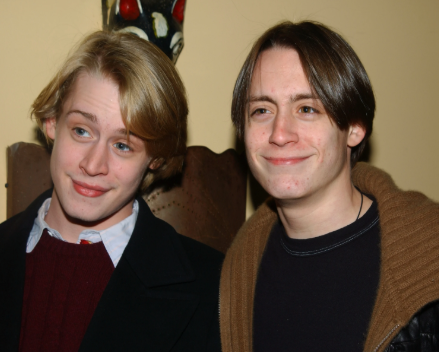
Roman Roy on Succession became the role that proved his strategy correct. The damaged media heir, desperate for parental approval and incapable of genuine connection, required an actor who understood that dynamic from the inside. Kieran didn’t need to research dysfunctional wealthy families. He’d grown up in one. His $10 million net worth represents something more valuable than the fortune his brother earned as a child: sustainability.
The Lesson for Late Bloomers
What connects these four performers isn’t talent alone. Talent is common in Hollywood. What’s rare is the ability to transform—to take the wound that nearly ended your career and make it the source of your power.
Cranston used his childhood abandonment to master disappearance. Odenkirk turned his fear of visibility into decades of preparation for the moment he’d finally step forward. Moss channeled her body’s betrayal into performances of controlled intensity. Culkin survived his brother’s shadow by refusing to compete for the same light.
Their combined trajectory suggests something the industry often forgets: that careers aren’t linear, that early success can be a trap, and that the most interesting transformations often happen after everyone has stopped watching. The TV-to-film crossover isn’t about escaping television. It’s about using television as a laboratory for becoming someone new.
The $110 million these four performers have accumulated matters less than what it represents: proof that reinvention is possible, that wounds can become advantages, and that the best second acts are written by people who refused to accept their first act was the whole story.
Related Profiles
- Bryan Cranston Net Worth 2025: The $50 Million Man Who Learned to Disappear
- Bob Odenkirk Net Worth 2025: The Comedy Writer Who Became an Action Star
- Elisabeth Moss Net Worth 2025: The Child Actor Who Survived Hollywood
- Kieran Culkin Net Worth 2025: Stepping Out of Macaulay’s Shadow
Connect With Social Life
For features, advertising, and partnership inquiries: sociallifemagazine.com/contact
Experience Polo Hamptons 2025: polohamptons.com
Subscribe to our print edition for insider access to Hamptons society, celebrity profiles, and cultural coverage delivered to your door.
Join our email list for weekly updates on events, features, and exclusive content.
Support independent journalism: Donate $5 to help us continue delivering premium content.
Author

Written by
Recent Posts
Behind the Scenes of Weddings Involving Long-Distance Relationships
Why Karaoke Is the Ultimate Entertainment Choice for a Hen Party
Easy Recipes That Feed A Crowd Without The Stress
The Influence Of Social Media On Interior Style Trends
Where Can You Find the Best Made-to-Measure Bespoke Suits in NYC
Categories
- Art
- Articles
- Beauty & Skincare
- Celebrities
- Celebrities|Movies
- Celebrities|The Chronicles
- Chronicles
- Entertainment|Culture
- Event Photos
- Events
- Fashion
- Fashion & Style
- Featured
- Food & Beverage
- Food, Spirits, Wine
- Hamptons
- Hamptons Celebrities
- Hamptons Celebrities|Celebrities|The Chronicles
- Health
- Health & Beauty
- Lifestyle
- Luxury Lifestyle
- Movies|Culture
- Movies|Hamptons Lifestyle
- Press
- Profiles
- Real Estate
- Technology
- The Chronicles
- Travel
- Uncategorized
- Weddings