
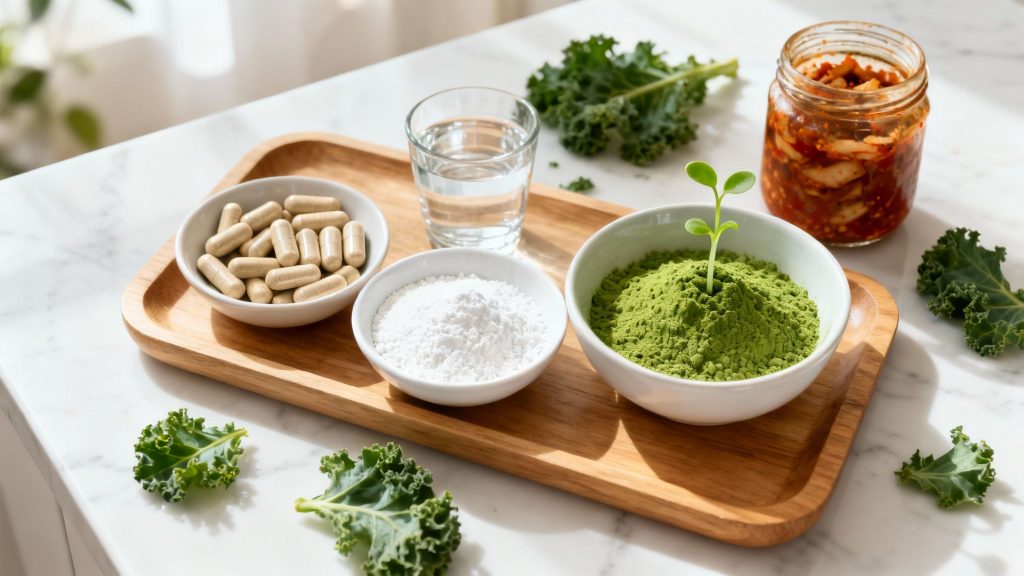
Gut health supplements are products formulated to support the delicate balance and function of the human digestive system. They typically contain a combination of ingredients such as probiotics, prebiotics, and digestive enzymes, all intended to foster a healthy internal environment—a factor that scientific research now links to nearly every aspect of overall wellness.
What Are Gut health Supplements?

It is useful to conceptualize the gut as more than a simple mechanism for processing food; it is a complex internal ecosystem. This community, known as the gut microbiome, is home to trillions of microorganisms—including bacteria, fungi, and viruses—that influence everything from nutrient absorption to immune system responses.
Gut health supplements are essentially tools designed to help nurture this internal world. They offer targeted support to maintain the delicate equilibrium required for optimal function. The process is analogous to cultivating a garden; the right elements are necessary for it to flourish.
The Garden Analogy for Gut Health
Let's continue with the garden analogy, as it provides a clear framework for understanding the different types of supplements.
Imagine your gut is a garden:
- Probiotics are the seeds. They introduce beneficial bacteria directly into the gut, bolstering the population of beneficial microorganisms.
- Prebiotics are the fertilizer. These are specific types of fiber that the human body cannot digest, but they serve as ideal nourishment for beneficial gut microbes, helping them thrive.
- Other supplements, such as digestive enzymes or glutamine, act like soil conditioners. They improve the overall environment of the garden, ensuring all plants (and microbes) can grow effectively.
This framework helps clarify the distinct roles of various gut health supplements. The significant interest in this field is not merely a trend; it is a direct result of mounting scientific evidence confirming the microbiome's critical role in systemic health. For those seeking to explore specific options, comprehensive guides on the best supplements for overall digestive health are available.
The global gut health supplement market is projected to expand from approximately USD 14.43 billion in 2025 to USD 32.39 billion by 2035. This represents a compound annual growth rate (CAGR) of 8.4%, a surge driven by growing public awareness of the microbiome’s influence on well-being.
To summarize these core concepts, the following table breaks down the main categories of gut supplements.
A Quick Guide to Gut Health Supplement Types
| Supplement Type | Primary Function | Analogy (Your Gut as a Garden) |
|---|---|---|
| Probiotics | Introduce live, beneficial bacteria to the gut. | Planting the seeds. |
| Prebiotics | Feed the existing beneficial bacteria. | Fertilizing the soil. |
| Postbiotics | Provide the beneficial compounds produced by good bacteria. | Harvesting the beneficial fruits. |
| Synbiotics | Combine probiotics and prebiotics in one formula. | A seed packet that includes fertilizer. |
This market growth signals a fundamental shift in how wellness is perceived. The focus is moving from reactive treatments toward proactive strategies that support the body’s natural, built-in systems. By understanding these core components, you can make more informed choices about whether these supplements are appropriate for your routine to achieve better digestive harmony and vitality.
Understanding Your Gut Microbiome
To fully appreciate the significance of gut health supplements, it is necessary to examine the processes occurring within the body. Your body hosts trillions of microorganisms—bacteria, fungi, and viruses—that coexist in a complex community known as the gut microbiome. This is less a part of you and more a complex, microscopic ecosystem operating within your digestive tract.
This internal environment is incredibly dense and diverse. Like any large population, it has both beneficial members and potential troublemakers. The beneficial residents are essential for your health. They assist in breaking down food components your body cannot digest on its own, produce essential vitamins, and even help train your immune system.
Beneficial vs. Pathogenic Bacteria
In a healthy gut, balance is paramount. The "good" bacteria, such as the well-known Bifidobacterium and Lactobacillus families, work in synergy with your body. They are responsible for extracting nutrients from food and strengthening the intestinal lining, a critical barrier between your gut and the rest of your body.
Conversely, there are pathogenic or "bad" bacteria. When their population begins to outnumber the beneficial bacteria, problems can arise. This imbalance, a state known as dysbiosis, can be compared to a disruption in a well-ordered system. Dysbiosis is often implicated in common digestive issues like bloating, gas, and abdominal pain—all signs that the delicate equilibrium has been compromised.
Unfortunately, it is surprisingly easy to disrupt this balance. A diet high in processed foods and sugar can create a favorable environment for unwanted microbes. Chronic stress can also directly impact the gut environment. Even essential medications, such as antibiotics, can act indiscriminately, eliminating both beneficial and harmful bacteria.
The Gut’s Surprising Influence on Your Whole Body
The influence of your gut microbiome extends far beyond digestion. It is now understood that this internal community is in constant communication with the rest of your body, using sophisticated signaling pathways to influence everything from mood to skin health.
Your gut contains trillions of microbes that support digestion, immunity, and even vitamin and hormone production. When this microbiome is optimal, it contributes to overall health; when it is out of balance, it can contribute to both digestive problems and broader health concerns.
This communication network highlights two crucial connections:
- The Gut-Brain Axis: This is a direct, bidirectional biochemical pathway between your gut and your brain. The microbes in your gut can produce neurotransmitters, including a significant portion of the body's serotonin, often referred to as the "feel-good" chemical. An imbalanced gut can interfere with this production, which can have a tangible impact on mood and mental clarity.
- The Gut-Skin Axis: Similarly, the health of your gut often manifests on your skin. Chronic, low-grade inflammation originating in the gut can present as skin conditions like acne or eczema. It is not a coincidence that a calm, balanced microbiome often supports a clear, healthy complexion.
Recognizing these connections makes it clear why maintaining gut health is so critical. It is not merely about avoiding digestive discomfort; it is about supporting one of the foundational systems that influences your entire sense of well-being. By promoting a healthy, balanced internal ecosystem, you invest in your vitality from the inside out. This is precisely where gut health supplements aim to intervene—by helping to restore and maintain that crucial balance.
Breaking Down Supplement Types and Ingredients
Navigating the supplement aisle of a health store can be overwhelming. Countless products, all promising improved gut health, line the shelves. The key to making an informed choice is understanding that not all supplements are the same. Each type plays a unique role in supporting your internal ecosystem, much like members of a highly specialized team.
This surge in interest is not a passing wellness trend. The market segment focused on balancing gut microbiota is projected to account for approximately 36.1% of global digestive supplement revenue by 2025. With direct-to-consumer online stores now comprising roughly 67.4% of sales, accessing these products has never been more convenient.
This diagram helps visualize the central role of your microbiome—connecting diet and stress to your overall health.
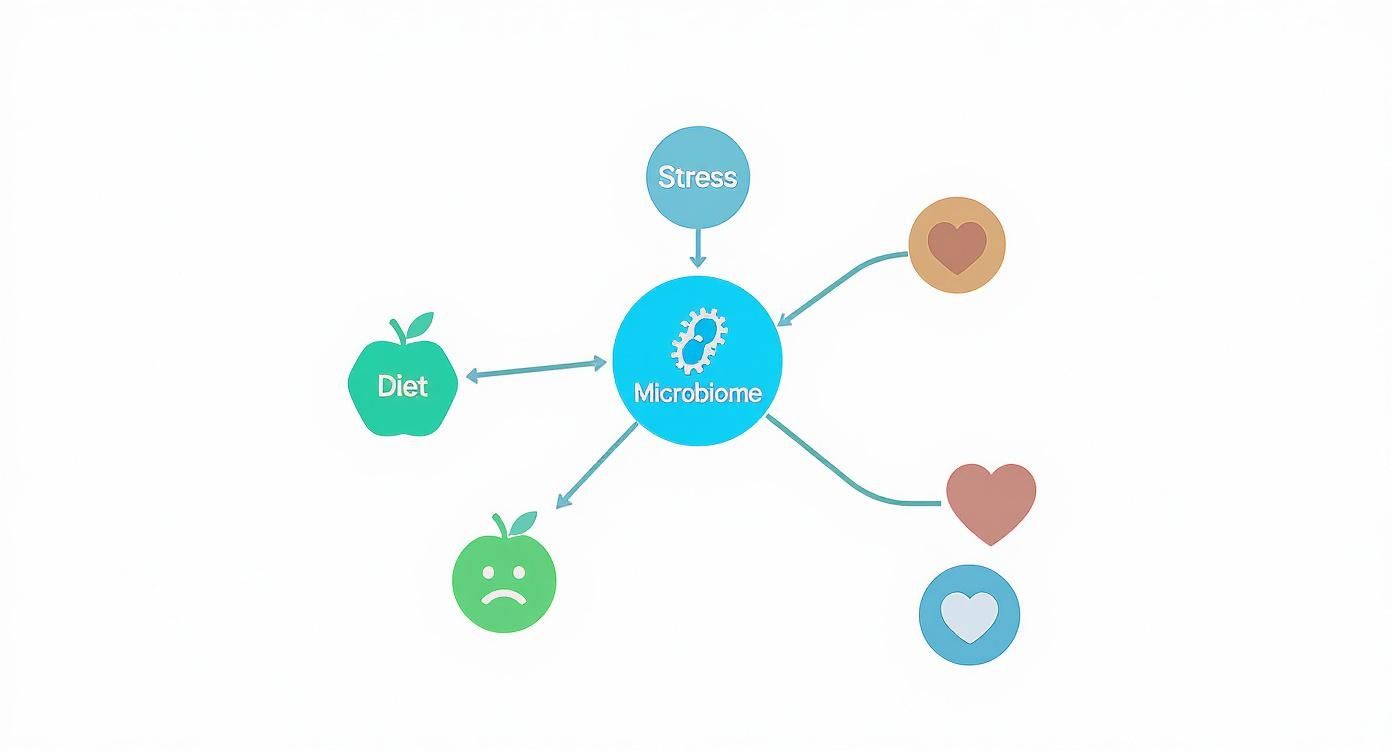
This serves as a reminder that supplements are just one component of a larger wellness strategy. Let's examine the primary categories.
Probiotics: The Live Microbe Boosters
Probiotics are what most people associate with the term "gut health supplement." These are live, beneficial microorganisms that act as reinforcements for the "good" bacteria already residing in your digestive tract. Consider them as new resources arriving to bolster your gut’s primary defenses.
When examining a probiotic label, two key factors to look for are CFUs and strains.
- CFU (Colony Forming Units): This number indicates how many viable bacteria are in each dose. While a higher number might seem better, the true efficacy lies in the quality of the strains and their ability to survive the acidic environment of the stomach.
- Strains: Not all beneficial bacteria perform the same function. Different strains have different specialties. For instance, strains from the Lactobacillus family are effective in supporting the small intestine, while Bifidobacterium strains tend to be more active in the large intestine.
A high-quality probiotic will not just list "Lactobacillus"—it will specify the exact strain, such as Lactobacillus acidophilus or Bifidobacterium lactis. This level of detail is a strong indicator that the formula is supported by targeted research.
Prebiotics: Fuel for Your Internal Ecosystem
If probiotics are the seeds planted in your gut, prebiotics are the specialized fertilizer that helps them flourish. Prebiotics are unique dietary fibers that your body cannot digest. Instead, they travel to your colon, where they become an ideal food source for your beneficial gut microbes.
Some of the most common prebiotic ingredients include:
- Inulin: A type of fiber often sourced from chicory root.
- FOS (Fructo-oligosaccharides): Found naturally in foods like onions, garlic, and bananas.
- GOS (Galacto-oligosaccharides): A prebiotic fiber derived from lactose.
By nourishing the existing beneficial bacteria, prebiotics help them multiply and thrive. This is a powerful, albeit more indirect, method of fortifying your microbiome from within.
Synbiotics and Postbiotics: The Next Frontier
As our understanding of the microbiome deepens, more advanced supplements are entering the market. Two of the most notable are synbiotics and postbiotics, which offer a more comprehensive approach to gut support.
Synbiotics are formulations that combine probiotics and prebiotics into a single product. The logic is straightforward but highly effective: you are not only introducing new beneficial bacteria but also providing them with nourishment for their journey. This synergistic strategy helps the new probiotics establish themselves more effectively. Formulations like Probiotic 40 Billion with Prebiotics are a perfect example of this targeted, all-in-one approach.
Postbiotics are different and represent a newer area of research. These are not live bacteria; they are the beneficial compounds produced by probiotics during the fermentation of prebiotic fiber. These include short-chain fatty acids (like butyrate), enzymes, and other metabolites that directly strengthen the gut lining and reduce inflammation. Taking a postbiotic is like bypassing a step and delivering these beneficial end-products directly where they are most needed.
To clarify, here is a quick comparison of the most common ingredients you will find.
Comparing Common Gut Health Supplement Ingredients
| Supplement Type | Key Ingredients/Strains | Primary Benefits | Best For |
|---|---|---|---|
| Probiotics | Lactobacillus species (e.g., L. acidophilus), Bifidobacterium species (e.g., B. lactis), Saccharomyces boulardii | Replenishing beneficial bacteria, supporting digestion, immune function | General gut maintenance, post-antibiotic recovery, digestive discomfort |
| Prebiotics | Inulin, Fructo-oligosaccharides (FOS), Galacto-oligosaccharides (GOS), Chicory Root Fiber | Nourishing existing beneficial gut flora, promoting microbial diversity | Individuals who want to boost their native microbiome without adding new strains |
| Synbiotics | A combination of specific probiotic strains and prebiotic fibers in one formula | Enhancing probiotic survival and colonization, comprehensive support | A convenient, all-in-one approach to both introducing and feeding beneficial bacteria |
| Postbiotics | Butyrate, Muramyl dipeptide, various short-chain fatty acids (SCFAs) and enzymes | Directly supporting gut lining integrity, reducing inflammation, providing metabolic benefits | Those with sensitive systems or who want the direct benefits of microbial fermentation |
Understanding these distinctions allows you to move beyond marketing claims and choose a supplement that truly aligns with your body's needs. Whether you are looking to introduce new bacteria, feed your existing microbes, or a combination of both, there is a formula designed to help.
How to Choose a High-Quality Supplement
The supplement aisle can be an overwhelming environment. With numerous brands all promising better gut health, it can be difficult to determine which products are worthwhile. The key is to look past marketing claims and learn to interpret the information on the product label.
Knowing what to look for is more critical than ever. The gut health supplement market is expanding rapidly—it was valued at approximately USD 12.37 billion in 2023 and is projected to reach USD 21.11 billion by 2032. As new products enter the market, being an informed consumer is the best way to ensure you are investing in your health, not just a company's marketing. You can explore the latest gut health supplement market trends to understand the rapid growth of this sector.
Let's focus on the factors that truly define a high-quality supplement.
Decoding the Supplement Label
The product label serves as its resume. It contains all the critical details that indicate whether it is a legitimate product or one filled with unsubstantiated claims. A high-quality supplement will feature a transparent, specific label that provides all necessary information.
Here are the key elements to focus on:
-
CFU Count: For probiotics, this stands for Colony Forming Units, which represents the number of live, active bacteria per dose. While a large number may seem impressive, the crucial factor is a guarantee that the count remains viable through the product's expiration date, not just at the time of manufacture.
-
Strain Specificity: Vague terms like "probiotic blend" are insufficient. Look for specific strains, such as Lactobacillus acidophilus LA-14 or Bifidobacterium lactis BI-07. This level of detail demonstrates that the company has formulated its product around bacteria with known, researched benefits.
-
Clear Ingredient List: The label should clearly distinguish active ingredients from "other ingredients," such as fillers or the capsule material. A shorter and cleaner list of "other ingredients" is generally preferable.
The Importance of Third-Party Testing
This is a non-negotiable factor. The supplement industry is not subject to the same strict oversight as pharmaceuticals, which makes independent testing essential for quality control and safety.
These certifications provide assurance that the contents of the bottle match the information on the label.
A third-party seal of approval from a reputable organization is your best assurance that a product is free from contaminants and meets its stated potency claims. It is an independent verification of the company's commitment to quality and transparency.
Look for these logos on the packaging:
- NSF International: This certifies that the product has been tested to confirm it contains the ingredients listed on the label, in the correct amounts, and is free of harmful contaminants.
- U.S. Pharmacopeia (USP): A USP Verified seal indicates that the supplement meets high standards for purity and potency and was manufactured according to good manufacturing practices.
- ConsumerLab.com: This organization conducts its own independent tests on wellness products. Its seal signifies that a product has passed rigorous quality checks.
Choosing a supplement with one of these seals is a simple step that significantly reduces the uncertainty in the selection process.
Choosing the Right Form for Your Lifestyle
Finally, consider the practical aspect of taking the supplement. They are available in various forms, and the most suitable one is often the one that integrates seamlessly into your daily routine.
-
Capsules: These remain a popular choice for good reason. They are convenient, tasteless, and many now feature delayed-release technology to ensure the probiotics survive passage through stomach acid.
-
Powders: For those who have difficulty swallowing pills, powders are an excellent alternative. They can be easily mixed into a smoothie, yogurt, or water, and they offer greater flexibility in dosing.
-
Gummies: While gummies are easy and palatable, they often contain added sugar. They also tend to have lower CFU counts than capsules or powders, so it is important to check the label for sugar content.
By taking a few minutes to examine the label, looking for a third-party seal, and selecting a format you will use consistently, you can confidently choose a gut health supplement that genuinely supports your wellness goals.
Lifestyle Habits That Amplify Your Results
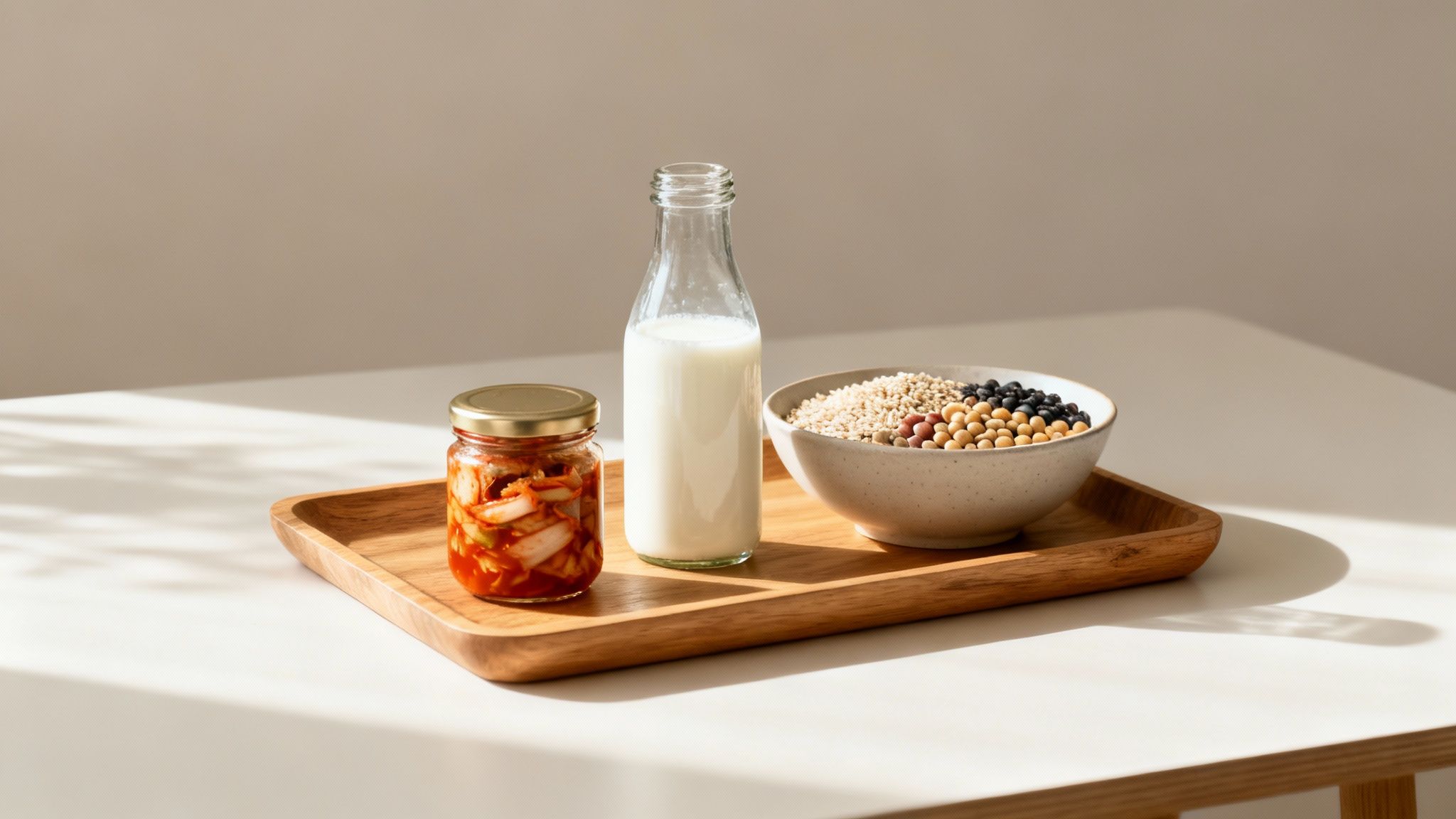
While a carefully selected gut health supplement can be a powerful tool, it does not function in isolation. Consider supplements as reinforcements; they require a supportive environment to be truly effective. The daily choices you make regarding food, stress, and physical activity create this environment, setting the stage for supplements to deliver optimal results.
This synergy is where the most significant benefits are realized. A supplement can introduce beneficial microbes, but your lifestyle habits determine whether they will thrive. By incorporating a few foundational habits into your routine, you are not just taking a supplement—you are building a resilient gut ecosystem.
Nourish Your Microbes with Fiber
The most direct way to support a healthy gut is through nutrition, and beneficial bacteria thrive on fiber. Dietary fiber, especially from a diverse range of plant sources, serves as the ideal prebiotic fuel for your internal ecosystem. Scientific evidence consistently shows that a high-fiber diet fosters a more diverse and robust microbiome.
To increase your intake, consider incorporating these foods into your meals:
- Whole Grains: Oats, quinoa, and brown rice provide slow-release energy that microbes utilize.
- Legumes: Lentils, chickpeas, and black beans are excellent sources of fiber.
- Fruits and Vegetables: Consume a variety of colorful produce. Berries, leafy greens, and broccoli deliver a wide array of beneficial fibers and nutrients.
Add Fermented Foods and Drink Plenty of Water
In addition to nourishing existing beneficial bacteria, you can introduce new ones through your diet. Fermented foods are natural sources of probiotics. Foods such as yogurt, kefir, kimchi, and sauerkraut contain live cultures that help bolster your gut's beneficial populations.
A healthy diet is fundamental to a healthy gut microbiome, which in turn supports immune function and reduces chronic inflammation. Increasing evidence suggests that both fiber and fermented foods play important roles in achieving optimal gut health.
Furthermore, do not overlook the importance of water. Proper hydration is critical for all digestive processes. It aids in breaking down food, absorbing nutrients, and maintaining regular bowel movements, which is essential for preventing constipation. A well-hydrated gut is a more efficient and healthier one.
Manage Stress and Stay Active
The gut-brain axis is a direct line of communication. When you experience stress, your gut is affected. Chronic stress can disrupt your entire microbiome, making stress management a non-negotiable component of gut health. Simple practices like meditation, deep breathing exercises, or spending time in nature can make a significant difference.
Regular physical activity is another key factor. Exercise helps stimulate gut motility—the muscle contractions that move food through your digestive system—which can be beneficial for reducing bloating and promoting regularity. Even a brisk walk has been shown to encourage a healthier microbial balance, making it a simple yet potent way to enhance the benefits of your gut health supplements.
When to See a Doctor
Taking a gut health supplement can be a proactive step toward improving well-being, and for many, it is beneficial. It may help alleviate bloating or promote regularity. However, it is crucial to understand the role and limitations of these supplements.
Consider them a supportive element in your overall health strategy, not a primary treatment. While a quality probiotic or prebiotic can help guide your microbiome in a positive direction, it is not a substitute for a medical diagnosis, particularly for persistent issues. Attempting to self-treat can sometimes mask the underlying problem. Your doctor should be your primary consultant.
Red Flags That Warrant Medical Consultation
Certain symptoms indicate more than a minor imbalance; they are signals from your body that it is time to consult a professional. While supplements can be helpful, they are not intended to treat serious medical conditions. Obtaining an expert opinion is the only way to get an accurate diagnosis and a safe, effective treatment plan.
You should schedule an appointment if you are experiencing any of the following:
- Persistent Digestive Distress: This refers not to occasional gas but to chronic issues such as severe bloating, abdominal pain, persistent diarrhea, or constipation. A professional should investigate the root cause.
- A Known Medical Condition: If you have a diagnosed condition like Irritable Bowel Syndrome (IBS), Crohn's disease, colitis, or celiac disease, you should not add a new supplement without consulting your doctor.
- Serious Warning Signs: Symptoms such as unexplained weight loss or blood in the stool should not be ignored or self-treated. These require immediate medical attention.
When Extra Caution Is Needed
For some individuals, starting a new supplement regimen without medical approval carries greater risks. The gut is a complex ecosystem, and certain health situations or life stages require a more cautious and considered approach.
It is always advisable to start with a food-first philosophy, but when symptoms persist, professional guidance is necessary. A doctor can determine if supplements are appropriate and, more importantly, can rule out any underlying conditions that may be causing your gut issues.
It is especially critical to speak with a healthcare provider before starting gut health supplements if you:
- Are pregnant or breastfeeding.
- Have a compromised immune system.
- Are preparing for surgery.
A professional can assess your complete health profile and provide personalized, safe advice. Working with them ensures you are making informed decisions and building your gut health journey on a solid foundation of expert medical care.
Your Questions, Answered
Navigating the world of gut health can be complex, and it is natural to have questions. Let's address some of the most common inquiries to help you feel confident in your choices.
How Long Until I Notice a Difference?
This is a frequent question, and the answer is: it varies. Each person's body and microbiome are unique, so there is no universal timeline. Some individuals may report reduced bloating or improved regularity within a few days.
However, for more significant, lasting changes to occur within your gut ecosystem, it is advisable to allow for several weeks of consistent daily use. Similar to gardening, the beneficial bacteria (the probiotics) need time to establish themselves and thrive. Patience is key.
Should I Take These Supplements Every Single Day?
Yes, for most gut supplements, particularly probiotics, daily consistency is crucial. The beneficial bacteria introduced are often transient; they do not permanently colonize your gut.
Consider it a daily reinforcement. Consistent supplementation helps maintain a strong, steady population of these helpful microbes, enabling them to perform their functions effectively day after day.
Be sure to adhere to the recommended dosage on the product label, unless your doctor has provided different instructions. This ensures you are receiving the appropriate amount to support your health goals.
Are There Any Side Effects I Should Worry About?
When first introducing a new supplement, especially a potent probiotic, you may notice some minor digestive changes. This is typically normal and often indicates that the gut environment is beginning to shift as new microbes become established.
You might experience:
- Mild gas
- A feeling of fullness or bloating
- Slight changes in bowel habits
These minor adjustments usually subside within a week or two as your body adapts. If symptoms are severe or persist, it is advisable to discontinue use and consult your healthcare provider to ensure there are no underlying issues.
If I Eat a Healthy Diet, Do I Still Need a Supplement?
A diet rich in fiber from fruits, vegetables, and fermented foods is the cornerstone of a healthy gut. Nothing can replace a nutritious diet. However, even the most well-balanced diet can sometimes benefit from additional support.
Life events such as stress, travel, or a course of antibiotics can disrupt your microbiome. In these situations, a targeted, high-quality supplement can deliver specific, potent strains of beneficial bacteria to help restore balance more quickly. Think of supplements not as a replacement for healthy eating, but as a powerful ally to your lifestyle.
For those who appreciate the finer aspects of a well-curated life, from wellness trends in the Hamptons to the latest in beauty and style, Social Life Magazine offers an exclusive look into a world of luxury and sophistication. Explore our content and subscribe for access to premier events and features at https://www.sociallifemagazine.com.
Author

Written by
Recent Posts

Tobey Maguire Net Worth: The Power of Disappearing

Andrew Garfield Net Worth: The Career Got Better After Getting Fired

Tom Holland Net Worth: The Question the Franchise Can’t Answer

Spider-Man No Way Home Marvel: The Night the Multiverse Ate Itself

Emily Blunt Net Worth: How Competence Built an $80M Fortune
Categories
- Art
- Articles
- Beauty & Skincare
- Celebrities
- Celebrities|Entertainment
- Celebrities|Television
- Celebrities|The Chronicles
- celebrities|the-archive
- Chronicles
- Entertainment|Culture
- Event Photos
- Events
- Fashion
- Fashion & Style
- Featured
- Food & Beverage
- Food, Spirits, Wine
- Hamptons
- Hamptons Celebrities
- Hamptons Celebrities|Celebrities|The Chronicles
- Health
- Health & Beauty
- Lifestyle
- Luxury Lifestyle
- Movies
- Press
- Profiles
- Real Estate
- Technology
- The Chronicles
- Travel
- Uncategorized
- Weddings