
On a gray October morning in Sag Harbor, the second-floor studio at 51 Division Street is already warm. Outside, the village has settled into its quieter rhythm—fewer cars on the street, the summer storefronts closed or half-staffed, the kind of light that makes the harbor look farther away. Inside, the room sits at 105 degrees with 40 percent humidity. A handful of regulars roll out mats. Some live here full-time. Others drove out for the weekend. Nobody is performing the season. They are here for the same reason they came in July: the heat, the sequence, and the hour that belongs only to them.
The Name That Means the Practice Is Yours
ID Hot Yoga is co-founded by Kelly Isaac and Tricia Donegan. The name is their initials, but they treat it as something else. “For us, ID is about individuality,” they say. “We believe that everyone’s yoga practice is unique to them, shaped by their own experiences, challenges, and journey. Over time, that practice becomes part of your identity.” In psychology the id is the instinctive, primal self. The studio’s bet is that a heated practice can surface that part of a person without turning it into a performance. There is no single right way. The sequence is there; the depth is yours.
Staying Open When the Season Ends
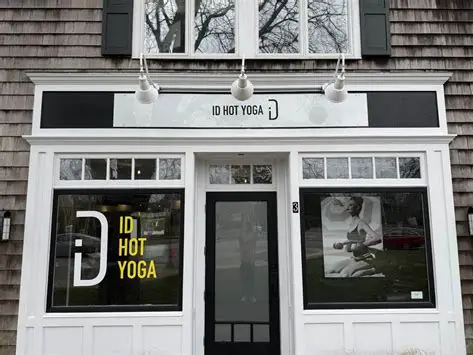
That stance is easier to maintain when the calendar is not the main product. Most Hamptons wellness businesses still treat Memorial Day to Labor Day as the only window that matters. ID runs both of its East End studios year-round, even if the off-season schedule shrinks. “We’d rather offer a smaller, more considered schedule that serves our community than close our doors for the winter,” they say. The first off-season in Sag Harbor has been quieter than summer, which is the point. The people who walk through the door are more mixed—locals who never left, weekenders who treat the place as more than a rental address, the occasional person who simply likes the heat when the temperature outside drops. The Hamptons does not disappear when the season ends. The studio decided not to either.
From Soccer Field to Lower East Side
Tricia Donegan remembers her first hot class as an athlete. She had played soccer, brought discipline and flexible hamstrings, and immediately noticed what she lacked: concentration. The heat made the gap obvious. After a year of practice she spent nine weeks in training in Los Angeles. What she carried out was less about the postures and more about the possibility of reaching people who had no existing access to the work. “I could empower people in a kinder, more direct way than I was being trained,” she says, “and could reach more people even at risk or without resources. Yoga could change their lives beyond the postures, beyond physicality.”
In 2004 she opened on Allen Street on the Lower East Side. The block had bars, artists, and energy, but almost no wellness destinations—no gym, no community center, no place that treated physical practice as a daily tool rather than a luxury. She had trained in psychology and social work and saw the absence as the assignment. The Lower East Side studio still carries that grit. Each of the seven locations has its own personality; that one remains the grittiest.
The Room of 350 Exhausted Trainees
Kelly Isaac’s path crossed Tricia’s earlier than either of them planned. Kelly’s own practice started in New York in 2003. She trained while living in London, then returned to New York in 2016 and moved from teaching into ownership. Tricia was a guest teacher on Kelly’s first teacher training. More than 350 people were in the room, most of them exhausted. Tricia walked in and changed the temperature. “I remember being struck by how powerful the art of teaching could be,” Kelly says. “It wasn’t just about knowing the practice or being able to demonstrate a posture; it was about the energy you bring into a room and your ability to connect with people and inspire them, even when they’re completely running on empty.”
Who Owns What
They divide the work along the lines that already fit. Tricia owns teacher development and the quality of the practice itself. Kelly runs operations and the business side. They do not need to do every task the same way. The shared piece is the standard: the room should feel like the practice belongs to the person on the mat.
Building Classes That Still Feel Like Yoga
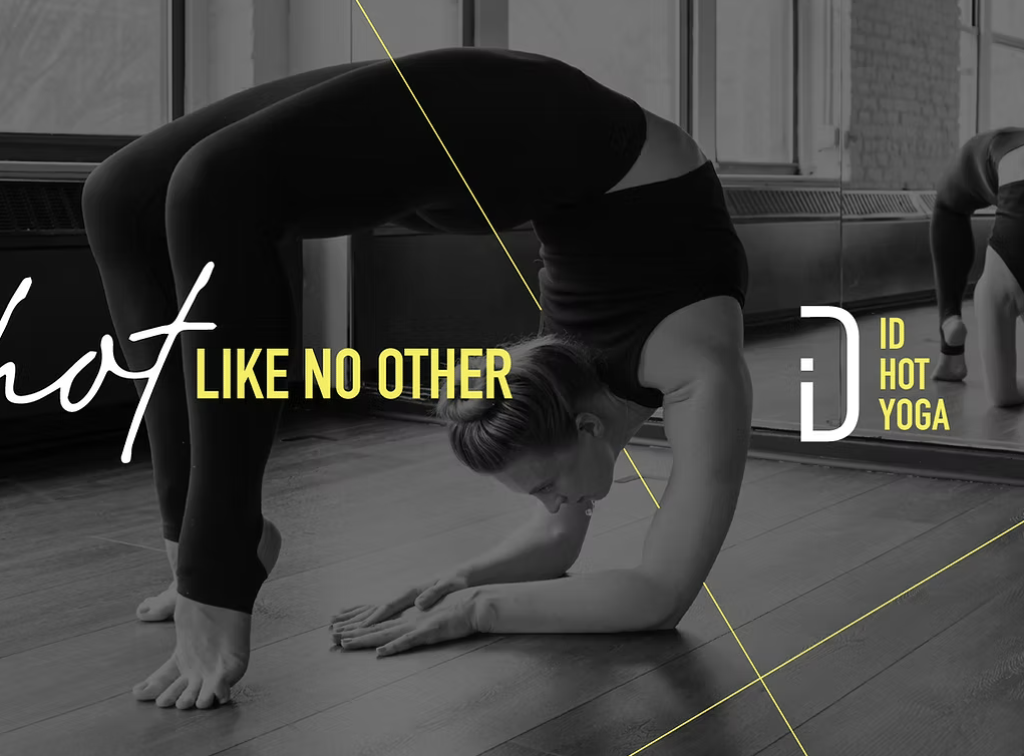
New classes are built the same way. Hot Sculpt started from the obvious demand for strength work, then refused the boot-camp version. They wanted light weights inside a yoga class that still felt like yoga. Pamela Heron, a senior teacher, helped build and refine the sequence. ID Flow came from a different brief: the fluidity of dance without leaving the Hatha root. Erin Eloise, a professional dancer and senior Hatha instructor, shaped that one. The founders are clear about the limit. Yoga predates the studio. Nobody owns the postures. The job is to arrange them so they feel useful in a body that has to go back outside and live the rest of the day.
The Fire, the Closures, and the People Who Kept Showing Up
The business has had the usual hard seasons. The 2020 closures were managed through existing landlord relationships. In 2023 a fire that started with a neighboring tenant forced the Lower East Side studio to close; they reopened it within a few months. The harder stretch came afterward, when many of the surrounding businesses never returned and the block changed. What carried the work, they say, was the same thing that shows up on a quiet October morning in Sag Harbor: the teachers and clients who kept arriving.
300 Classes a Week and Shares in Con Edison
The scale is now concrete. Seven studios across New York City and the Hamptons run roughly 300 to 340 classes a week. More than 120 people work across teaching and front-of-house roles. Growth is about 20 percent year over year. The costs move in the other direction. Heated rooms are expensive to run; utilities are a constant line item. “We feel like we should probably own shares in Con Edison,” Kelly notes. The pride is in staying independent while the payroll and the class count both rise.
Meatpacking in May, Upper East Side Before the Year Ends
Meatpacking opened in May. The Upper East Side space at 163 East 86th Street is still in build-out and is scheduled to open before the end of 2026. It will be the largest hot yoga room in Manhattan. East Hampton began as a temporary summer space on Park Place in 2023 and moved to Railroad Avenue in 2024, behind Hampton Chutney. Sag Harbor followed. The East End pair is the clearest expression of the year-round choice.
From Front of House to the Front of the Room
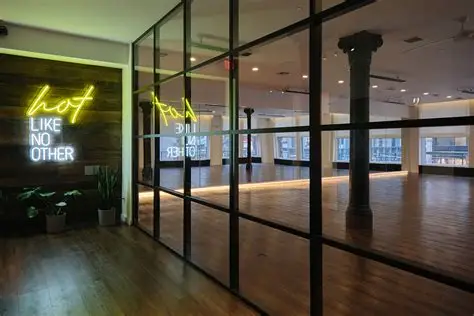
Teacher development is treated as an internal system rather than a side product. The second 200-hour training is capped at 15 people. Of the 15 who finished the first one, 12 now teach for ID. Five Slow Burn Hot Mat Pilates trainings, led by Sarah Ghilardi, have added more instructors. Every current studio manager started in a front-of-house role. Some were already teachers; others trained while they worked. The path is intentional. “We believe strongly in investing in people, developing their skills and creating opportunities for them to grow within the business,” they say. “If we want a strong, sustainable yoga industry, we need to value the people who make it what it is.”
No Five-Year Map Yet
They are not in a hurry to project the next five years. Two new locations opened in 2026 and a third is still coming. The immediate work is making sure the teams and the rooms stay consistent while the count of studios grows. Ambition is still there. So is the recognition that growth adds responsibility. They would rather get the current rooms right than announce the next map.
The Door, the Mat, and Nobody’s Business
Privacy is part of the same posture. Tricia worked with Lady Gaga years ago; that is public. The studio does not list other celebrity clients. “One of the joys of practising with us is that you can walk through the door, get on your mat, sweat out whatever you need to sweat out, and simply be yourself,” they say. “Nobody is fussed about who you are or what you do outside the studio.” The rule is not marketing. It is operational. The person who needs the hour more than the room needs recognition is the one the practice was built for.
On that October morning in Sag Harbor the class ends, the lights come up a little, and the regulars move toward the door. Outside the temperature has not changed. Inside, the next session is already on the schedule. The studio will be open again tomorrow. The practice that happens between the door and the mat will still belong to whoever walks in.
The CassWorld Take
A reader who has just absorbed the difference between a seasonal spectacle and a practice that stays open when the Jitney stops running is already thinking differently about what consistency actually costs and what it returns. That shift is the opening. Brands, founders, and creative directors who recognize themselves in these codes can reach the Social Life editorial team via the contact page or submit a paid feature. The 76,000-reader weekly email list, Polo Hamptons 2027, and the print subscription remain the most direct ways to stay inside the same room. Written by CassWorld. Cass Almendral is Head of Business Development at Social Life Magazine and Co-Founder of Polo Hamptons. Reach editorial at [email protected].
Author
Written by
Recent Posts
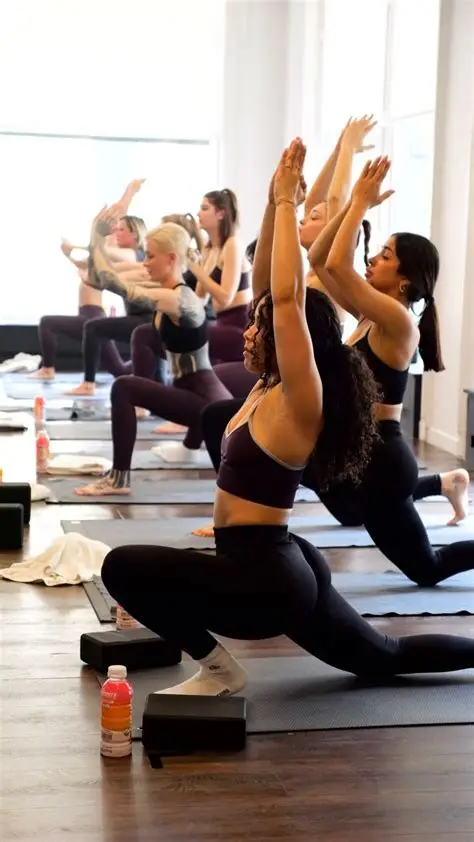
Inside the Year-Round Hot Yoga Spot Quietly Becoming the Hamptons’ Real Club

How to Choose Useful Tech Gifts for Employees and Clients in 2026
The Garage Question: Which Car Goes South for the Season?
VandS Clinic Review Treatment: How Seoul Injectable and Laser Options Compare for US Patients
Before Buying a View Home: What a Sloped Lot Means for the Purchase
Categories
- Art
- Articles
- Business of Luxury
- Celebrities
- Culture
- Entertainment
- Events
- Faces of Summer 2026
- Fashion
- Fashion & Style
- Featured
- Finance
- Food, Spirits, Wine
- Hamptons
- Hamptons Celebrities
- Health
- Health & Beauty
- Lifestyle
- Luxury Lifestyle
- Press
- Profiles
- Real Estate
- Technology
- The Chronicles
- Travel
- Uncategorized
- Weddings