
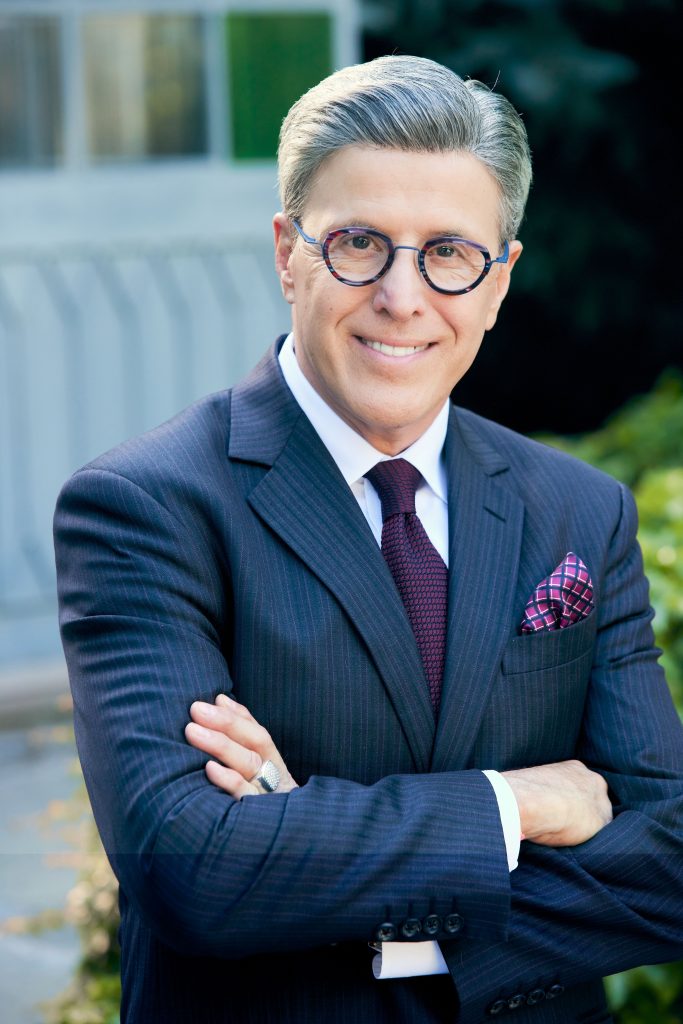
In Ronald C. Gunnell’s world, diplomacy does not begin with negotiation. It begins with connection—sometimes with a song, sometimes with a gesture, and sometimes with something as simple as a bouquet of flowers.
Over the course of his remarkable career, Gunnell has built relationships that stretch across industries, continents, and belief systems. Artists, broadcasters, world leaders, and faith figures have all become part of a network grounded not in transaction, but in trust.
That philosophy now defines his leadership as President of the Garibay Institute for Systems Diplomacy, a Los Angeles–based think tank founded by music producer Fernando Garibay. The Institute operates in spaces where traditional diplomacy often struggles—bringing culture, creativity, and shared human experience into conversations that shape global understanding.
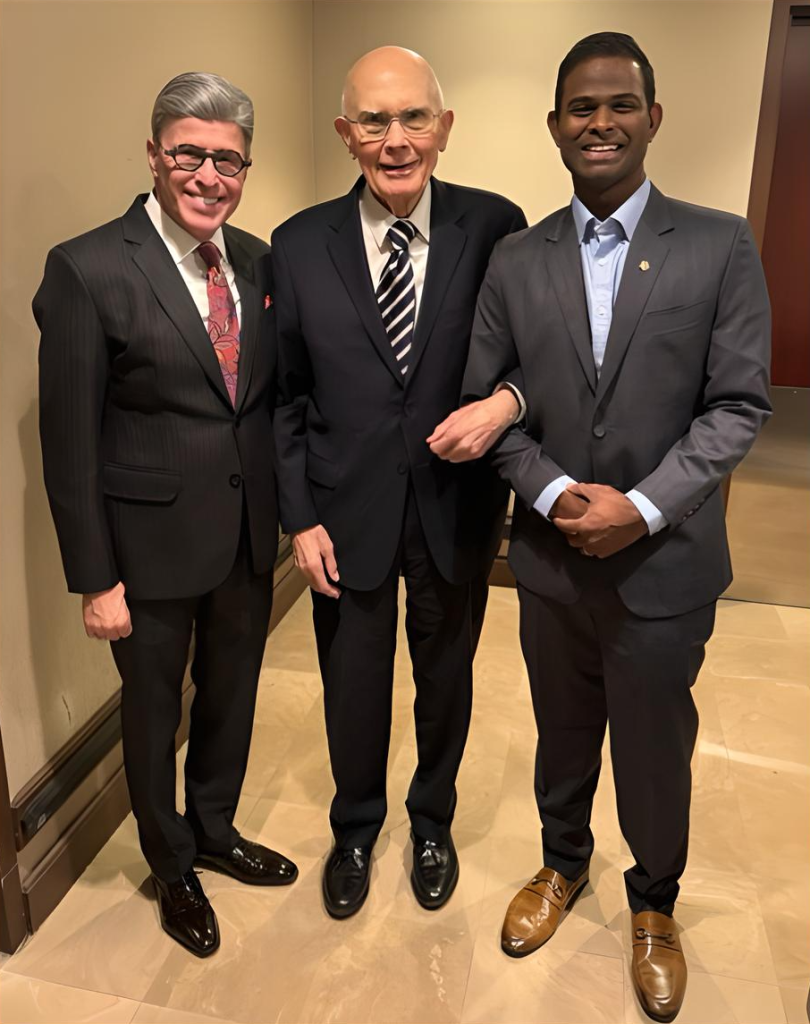
“Our true mission really is to be peacemakers.”
For Gunnell, that mission is not theoretical. It is deeply personal—and rooted in decades of experience working with some of the most celebrated figures in the world.
His journey to cultural diplomacy began long before global summits or international partnerships. It began with reinvention.
“I started out,” he says with a laugh that carries both humility and disbelief, “the trunk of a car.”
After a failed early venture in real estate, Gunnell found himself rebuilding from scratch. A dishonest broker had dismantled his first opportunity, forcing him to seek a new path. He turned to newspaper classifieds, where two unfamiliar job listings caught his attention.
“I had no idea what FHP stood for,” he admits.
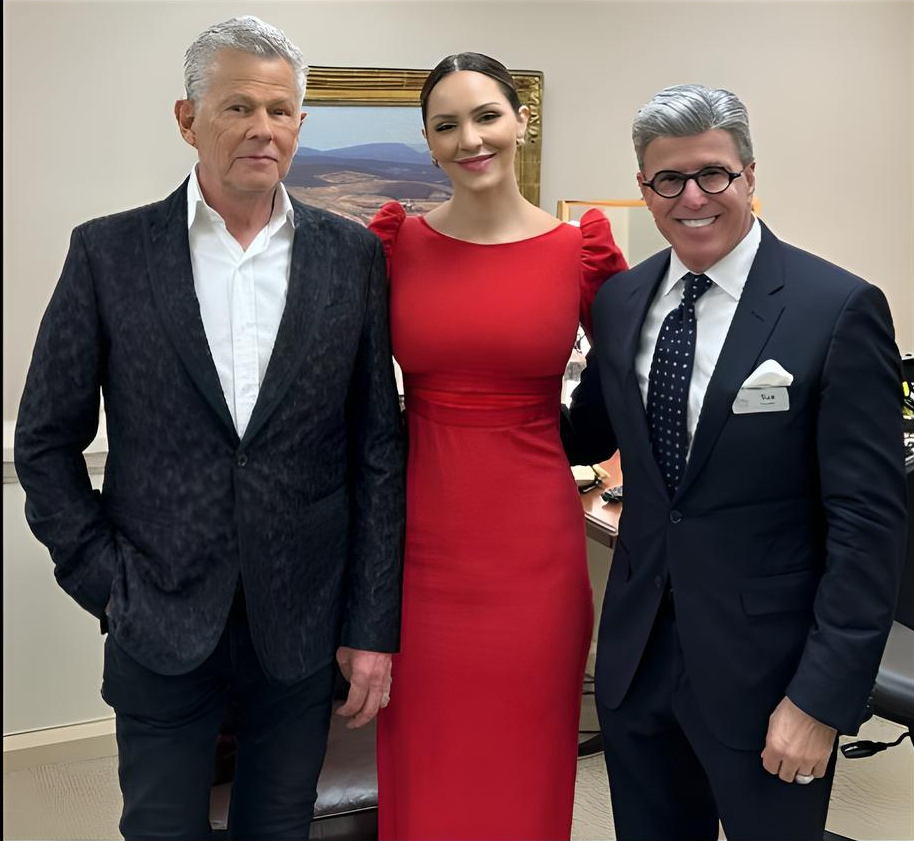
That decision led to a decade of growth, culminating in the creation of Health Benefits America, which he later described as “the nation’s largest benefits outsourcing company,” serving Fortune 50 corporations and managing “about 10 million employees retirees over the course of 10 years.”
Yet business success alone did not define his calling. Music—long present in his life—began to take center stage.
“A month later… I auditioned for the Tabernacle Choir,” he says. “Through a miracle… I got in.”
That moment opened the door to one of the most influential chapters of his career. In 2000, following the construction of a 21,000-seat conference center in Salt Lake City, he received a directive that would shape his future.
Gunnell recalls Gordon B. Hinckley, President of the Church saying, ‘‘I envisioned the world’s greatest artists coming… and we’re calling you to make that happen.’”
He accepted the challenge—and delivered.
Over the next 26 years as Executive Producer for Global Talent, Gunnell curated performances featuring world-renowned artists such as Andrea Bocelli, Renée Fleming, and Stevie Wonder. But while the names were impressive, it was the relationships behind them that defined his approach.
Few stories capture that philosophy more vividly than his relationship with Angela Lansbury.
Initially declined through traditional channels, the invitation seemed closed. Rather than abandon the effort, Gunnell turned to something more personal.
“I sent her three dozen white roses with one red rose in the middle… and a note that just said, ‘Angela, we need you.’”
Three days later, she called him personally.
“‘Is it too late for me to accept this invitation?’”
She accepted—and returned again and again. Their friendship continued for decades, marked by an annual tradition of birthday flowers that endured until her passing at age 96.
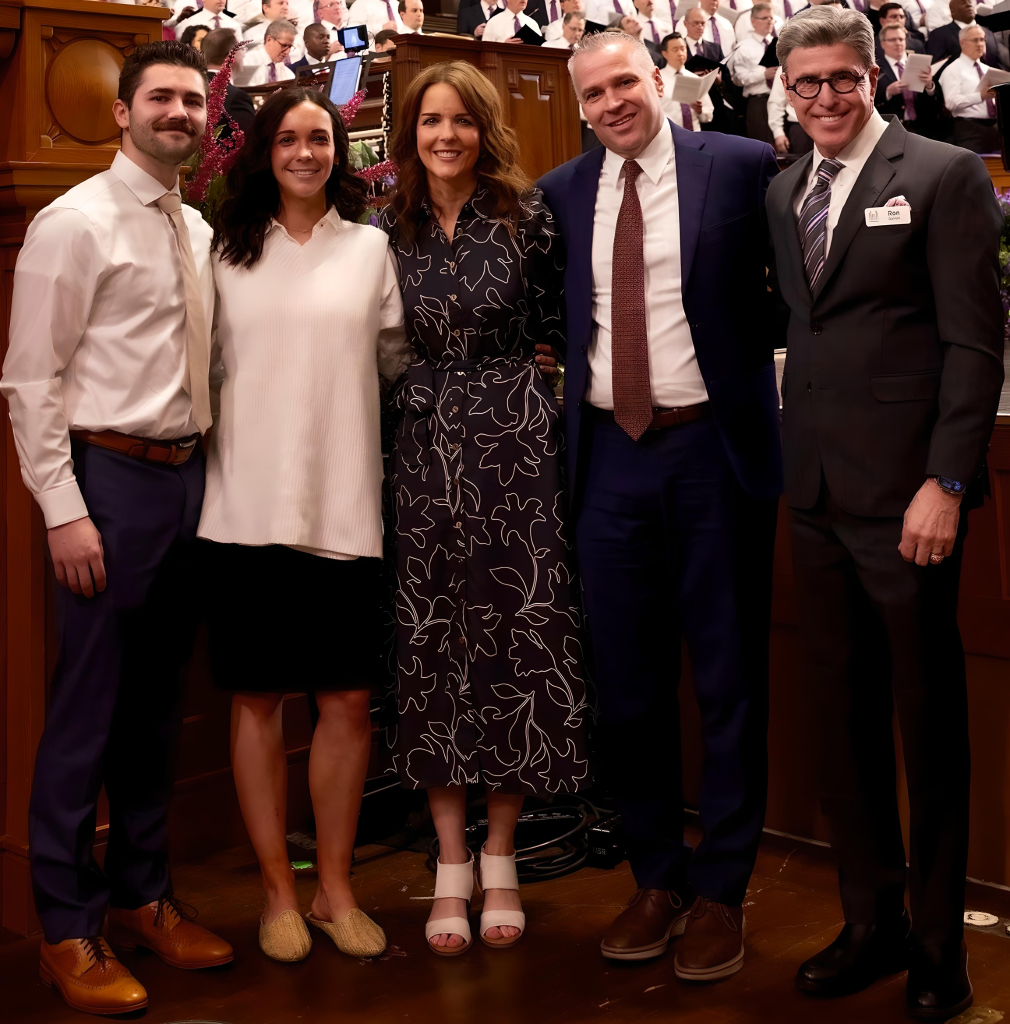
For Gunnell, these moments reinforced a central belief: connection builds bridges that contracts cannot.
Another defining moment came with legendary broadcaster Walter Cronkite. Faced with a speaking fee that exceeded available resources, Gunnell improvised an alternative that would become unforgettable.
“What if we invited him… to conduct the Tabernacle Choir?”
The response was immediate.
“He screamed yes.”
Years later, Gunnell learned that the experience remained deeply meaningful to Cronkite until the very end of his life.
“He was watching the video… he had his baton in his hand… and as soon as that song ended, he laid his baton down and he went to sleep.”
Stories like these illustrate the quiet power of cultural diplomacy—an approach that emphasizes emotion, shared humanity, and creative expression.
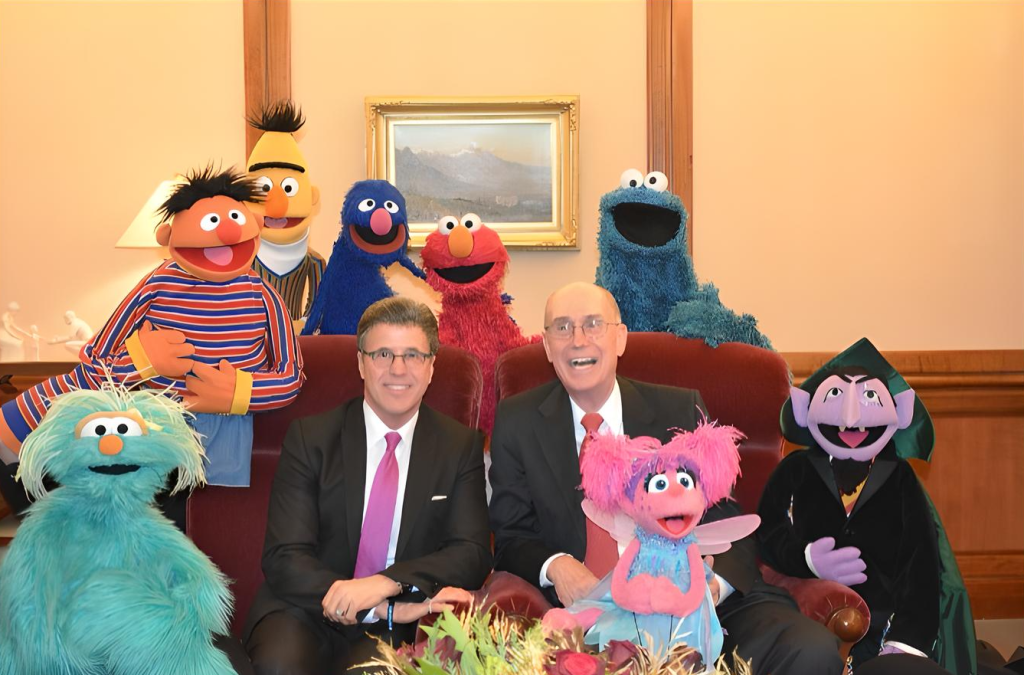
Today, those principles guide Gunnell’s work at the Garibay Institute, where culture becomes a platform for dialogue across borders.
“Who doesn’t like music?” he asks. “Who doesn’t like… culinary?… These are all emotion-driven… not driven by a computer. They’re driven by the soul of a human being.”
In an era increasingly shaped by technology, Gunnell sees cultural connection as a necessary counterbalance.
“Artificial intelligence… is going to overtake how we do things in major ways,” he says. “But… what drives the human race is this notion of purity of heart… and that… does not come from a computer.”
Under his leadership, the Institute has expanded its presence across multiple regions, including China, India, Europe, and the Middle East. These efforts involve partnerships with artists, cultural leaders, and institutions working to build understanding through shared creative experiences.
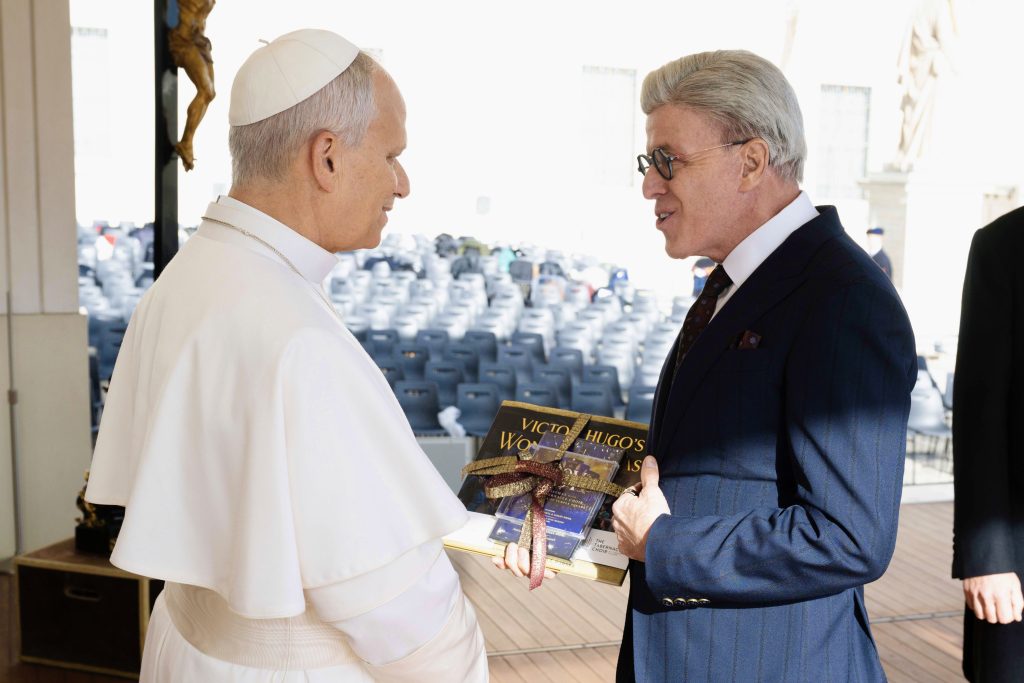
One recent encounter in Rome reflected the deeply personal nature of Gunnell’s work. Standing face-to-face with the Pope, he found himself reflecting on the long journey that had brought him to that moment.
“I have waited 70 years for this moment,” he told him.
Their conversation touched on music, humanitarian work, and shared cultural values. When Gunnell later presented a Christmas concert recording, he assumed it would be archived among countless others. Instead, the moment became unexpectedly personal.
Weeks later, he learned that the recording had been delivered directly and viewed.
“I just thought that was the coolest thing ever.”
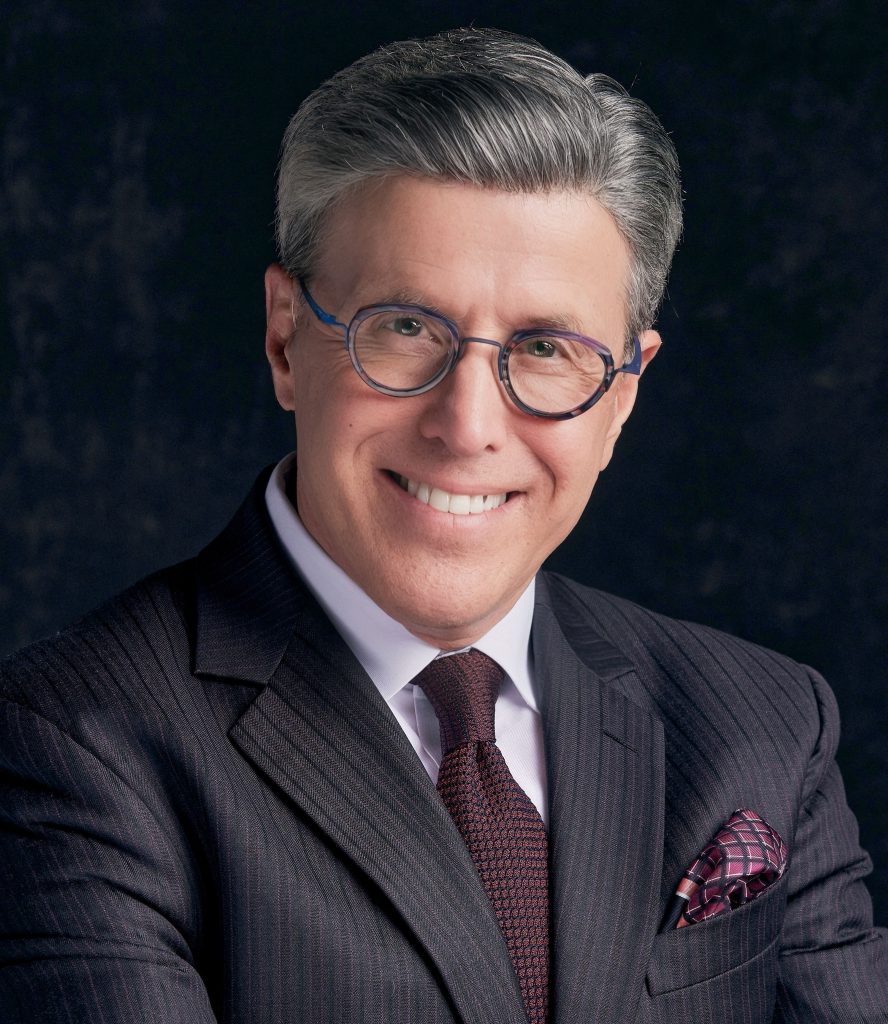
These moments reinforce Gunnell’s conviction that diplomacy begins not in policy rooms, but in shared human experiences.
“The world’s going through hard power in terrible ways,” he says. “And we’re trying to shift this… to soft power… something reachable to every human being.”
That shift is already underway. The Institute continues to develop programs that use cultural collaboration to build dialogue across regions where division often dominates headlines.
“We’re not just preaching something,” he says. “We’re providing assets to make something.”
For Gunnell, the future of diplomacy is not built solely through negotiation—but through connection. Through music. Through art. Through gestures that remind people of their shared humanity.
“I think the world’s just kind of been looking and needing… a shift,” he says.
In his hands, that shift sounds less like policy—and more like harmony shared across borders.
Written by: Sari Cohen
Author

Written by
Recent Posts
The New York Women’s Foundation’s 2026 Neighborhood Dinner

Marco Maranghello
The Baker House 1650
MvVO ART Show
Casita Maria Center for Arts and Education
Categories
- Art
- Articles
- Business of Luxury
- Celebrities
- Culture
- Entertainment
- Events
- Faces of Summer 2026
- Fashion
- Fashion & Style
- Featured
- Finance
- Food, Spirits, Wine
- Hamptons
- Hamptons Celebrities
- Health
- Health & Beauty
- Lifestyle
- Luxury Lifestyle
- Press
- Profiles
- Real Estate
- Technology
- The Chronicles
- Travel
- Uncategorized
- Weddings