
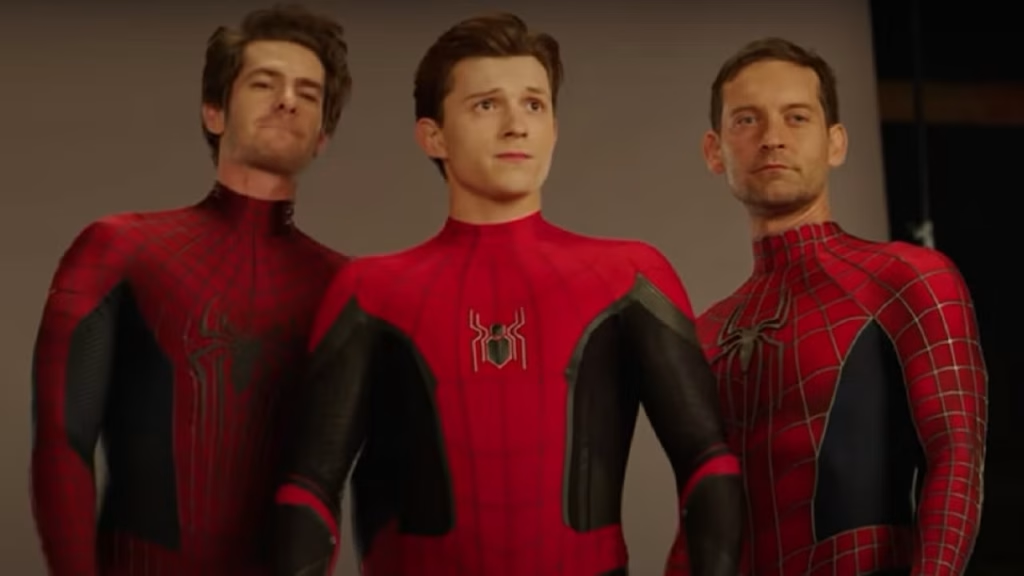
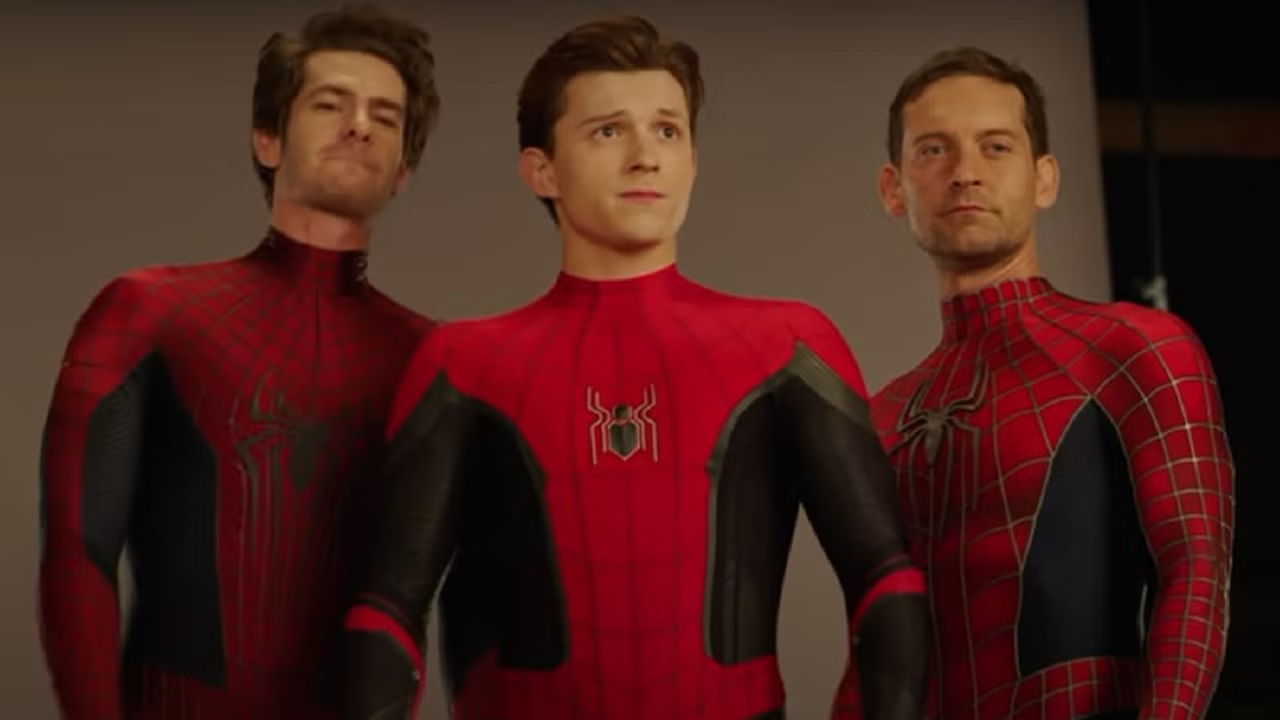
Somewhere around the second act, a man in row fourteen stopped pretending he was not crying. He had popcorn balanced on one knee and his daughter’s hand in his. Then Tobey Maguire walked through that portal. The theater did not cheer so much as exhale something it had been holding for twenty years. Spider-Man: No Way Home crossed $1.9 billion worldwide, making it the sixth highest-grossing film in history. Audiences did not watch it. They submitted to it. Andrew Garfield caught MJ mid-fall, saved the girl he could not save in his own timeline, and a generation of viewers felt something crack open inside their chests that had nothing to do with superhero movies. It was the most emotionally devastating fan-service moment in franchise history. And it broke everything that came after, because you cannot top the feeling of reunion. You can only chase it.
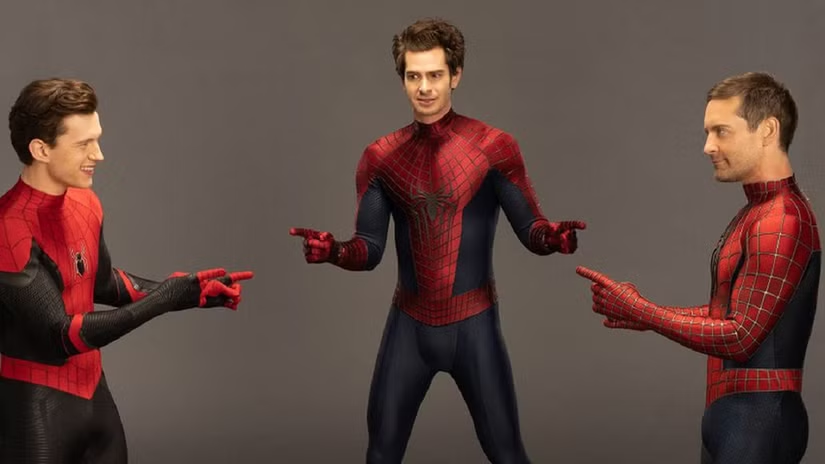
Here is the thing nobody at Marvel wanted to say into a microphone. The reason Spider-Man No Way Home Marvel worked is the same reason the rest of the Multiverse Saga collapsed. By pulling Maguire and Garfield back through the portal, the studio accidentally ran a live focus group on its own decline. The old versions hit harder. Not technically. Somewhere deeper, in the place where memory and longing overlap. The nostalgia landed with more force than the present tense ever could. When your biggest triumph amounts to reminding people how they used to feel, you have already lost the thread. You just need another quarterly earnings call before you admit it.
Spider-Man No Way Home Marvel and the Addiction Logic of the Multiverse
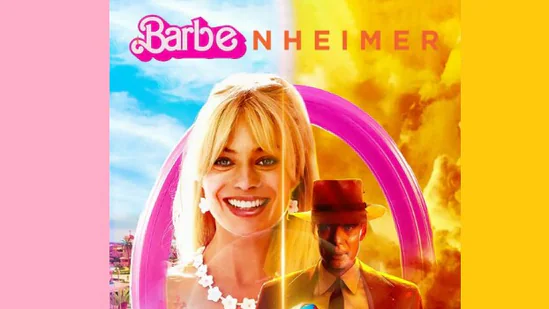
The multiverse as a storytelling device operates on the same logic as rising tolerance. Not metaphorically. Structurally. Each new variant, each fan-service cameo, each “everything is connected” twist delivers a weaker dopamine hit that demands escalation to sustain. No Way Home gave audiences three Spider-Men, and it felt like grace. Then Doctor Strange in the Multiverse of Madness offered an entire Illuminati lineup, then killed them for shock value, and it felt like a card trick. Meanwhile, Deadpool and Wolverine paraded a graveyard of Fox-era corpses for laughs. Each hit landed softer. Each landing required more spectacle. By 2025 the franchise had burned through its nostalgia reserves the way a trust fund kid burns through principal, confident that the account will refill itself. Three MCU releases combined for less global box office than a single Deadpool film managed alone the previous year. The contrast with Barbenheimer’s $2.4 billion cultural event weekend makes the decline even starker.
The numbers tell the story with the bluntness that press tours never allow. Phase 5 became the lowest-grossing chapter in MCU history at $3.6 billion, sinking below even Phase 1’s $3.8 billion from a decade earlier. Captain America: Brave New World managed $415 million. Thunderbolts scraped $382 million. In any other franchise, these are adequate numbers. Inside the MCU, they are the readings on a machine showing a patient whose vitals are technically present but trending in a direction nobody wants to discuss at dinner. The multiverse did not kill the audience. It taught them a quieter lesson: that caring is optional. In the attention economy, optional is terminal.
Tom Holland: The Actor the Franchise Built and Possibly Trapped
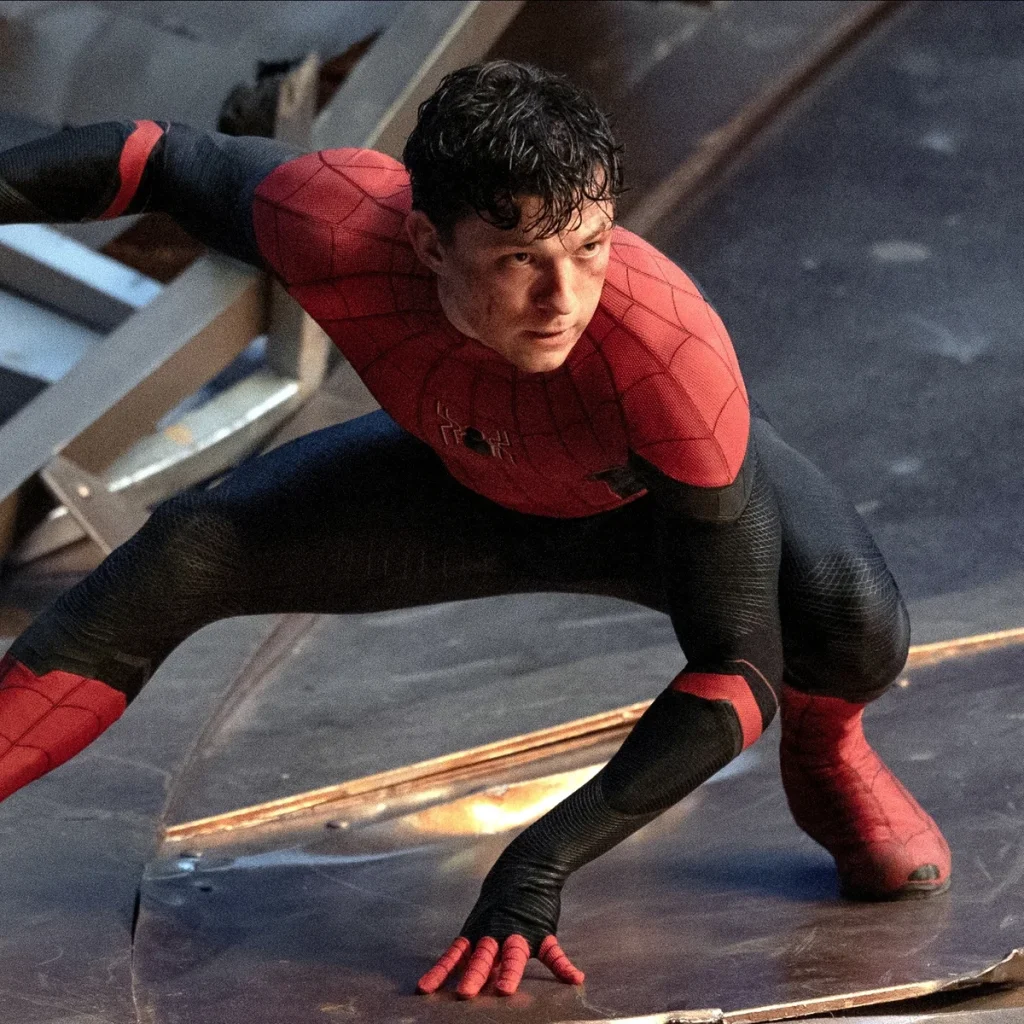
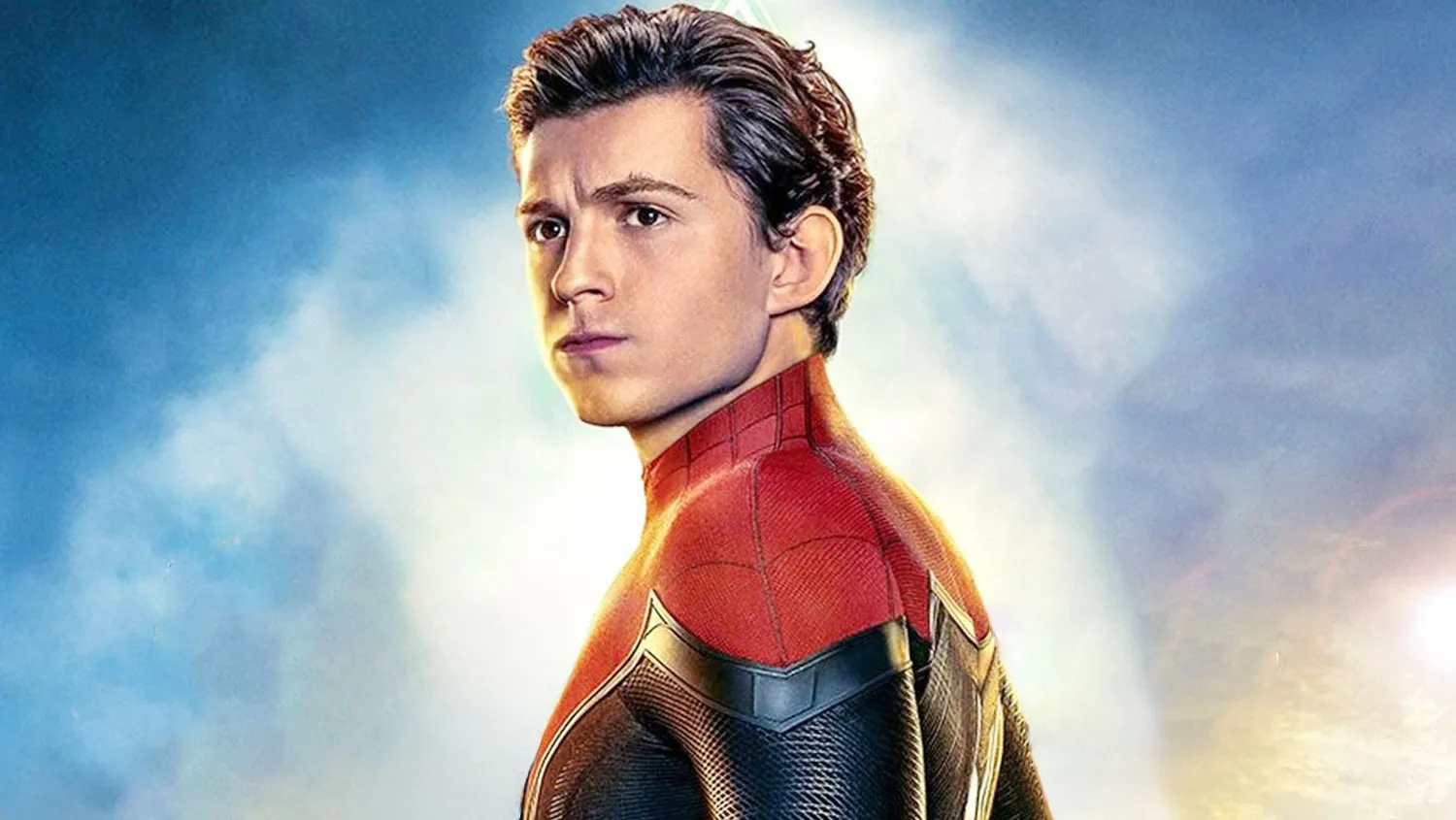
Tom Holland sits at an estimated $25 million net worth, and the most interesting thing about that number is how little of it traces to anything that is not Spider-Man. A Marvel casting director saw something in a teenager from Kingston upon Thames. Specifically, he saw someone young enough that Spider-Man would not supplement his identity. It would become his identity. Previous Spider-Men arrived with pre-existing reputations. Maguire came off The Ice Storm and Pleasantville. Garfield had already landed The Social Network. Holland was cast at the exact age when the role does not add to who you are. It replaces who you might have been.
His attempts to prove otherwise have followed a pattern that would be instructive if it were not also slightly painful to watch. Cherry. The Devil All the Time. The Crowded Room. Each project chosen to demonstrate range. Each received with the same polite indifference that says: we like Spider-Man and we are mildly curious about the person inside, but not enough to buy a ticket. The market keeps telling Holland something he does not want to hear, so he keeps trying new ways to not hear it. His non-alcoholic beer brand Bero might be a smarter play than any dramatic role on his resume, because it does not require him to convince anyone he is someone other than Peter Parker. It just requires him to pour well. Spider-Man: Brand New Day arrives July 2026 with Holland’s salary reportedly climbing to $15-20 million plus backend. The franchise remains his most valuable asset. Whether it is also his ceiling is a question that can only be answered by the version of Tom Holland who exists after the suit comes off for good.
Zendaya: The One Who Escaped the Machine

Zendaya solved the problem Holland is still circling, and she solved it early enough that most people did not notice until the escape was already complete. Her estimated $30 million net worth reads like a spreadsheet. But underneath the numbers is something closer to a case study in identity arbitrage. She applied portfolio theory to her public self, not just her money. She used the Spider-Man franchise the way a shrewd founder uses Series A funding: take what you need, build what you want, never let the investor become the story. Euphoria. Challengers. Louis Vuitton. Bulgari. Each move calibrated to prove she existed as a freestanding entity, outside any single property’s gravity.
Consequently, Zendaya is famous for being Zendaya, not for being MJ. That distinction sounds like PR copy until you count how few actors have pulled it off from inside a Marvel contract. Chris Evans spent a decade trying to step out from behind Captain America’s shield. Scarlett Johansson literally sued Disney over Black Widow’s release strategy. Robert Downey Jr. only escaped Tony Stark by leaving entirely, then came back as Doctor Doom because apparently the escape hatch has a revolving door. Zendaya, by contrast, diversified while still cashing franchise checks, with the discipline of someone who understood that the building she worked in was not the building she wanted to live in. At 29, she holds more brand equity outside the MCU than most actors accumulate inside it across entire careers. Moreover, her engagement to Holland makes them the most commercially powerful couple in franchise history. Together they share a combined $55 million net worth and a $4 billion box office franchise that writes them checks for showing up to work together. The difference is that only one of them needs those checks to stay relevant.
Andrew Garfield: The Value of Getting Fired
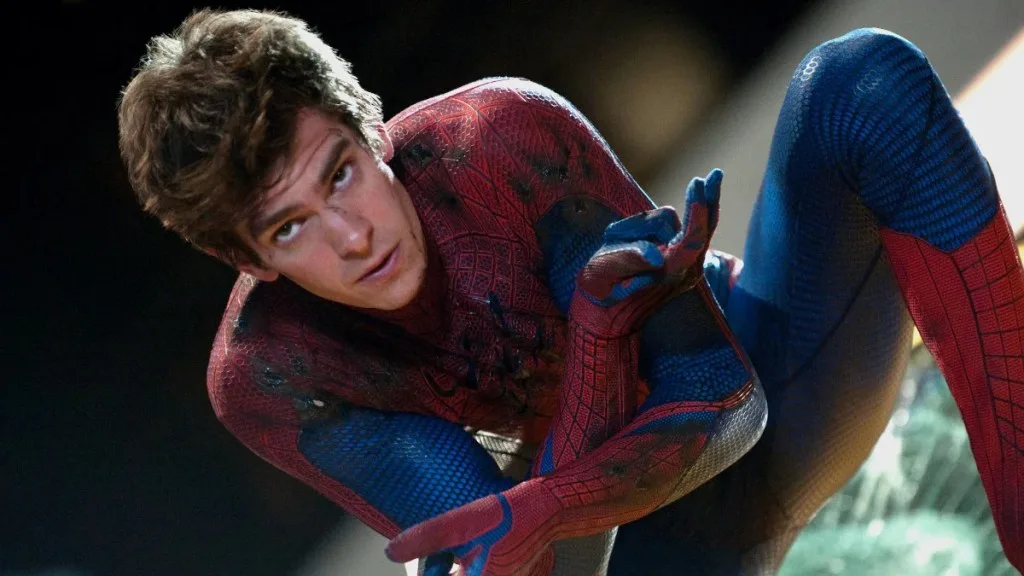
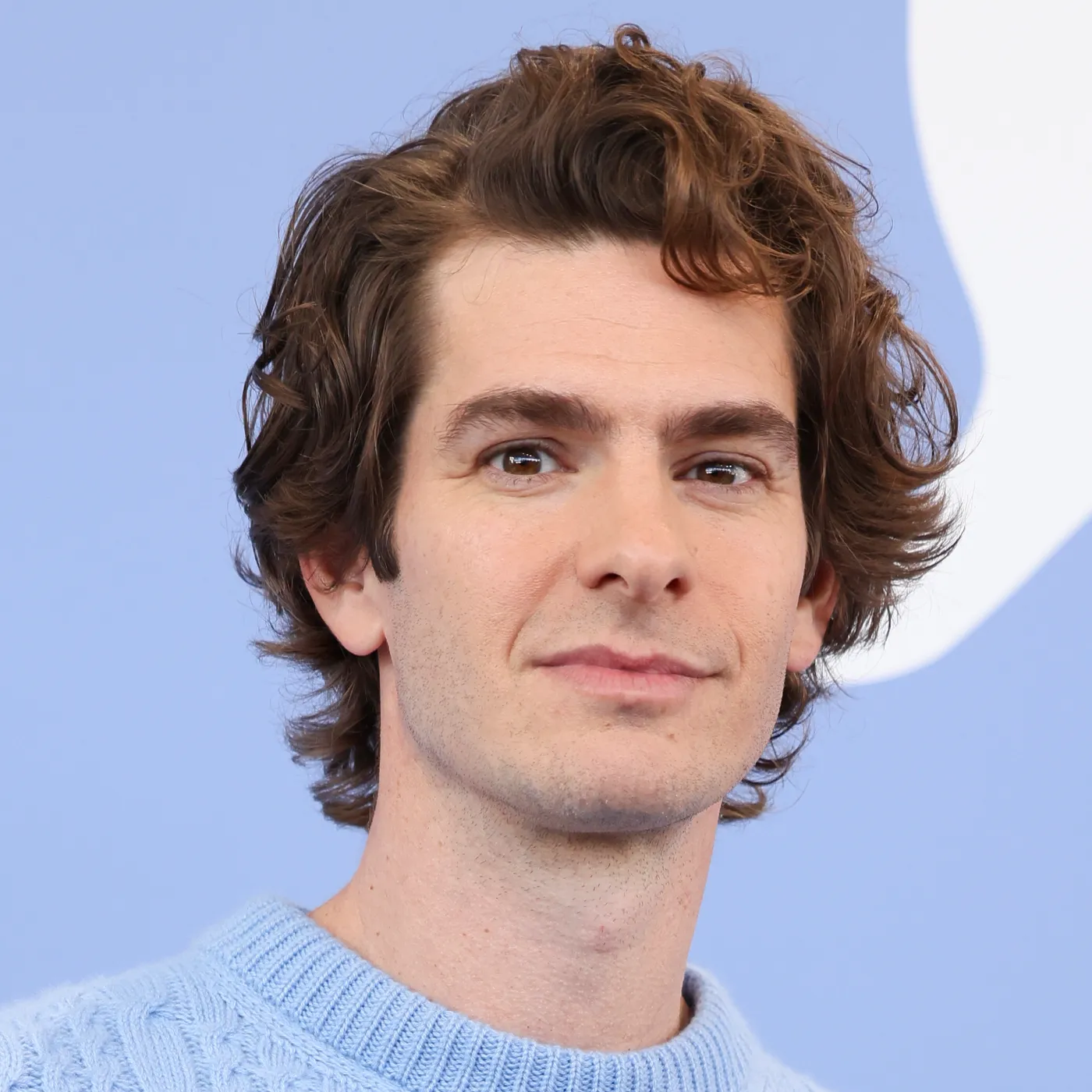
Andrew Garfield carries a $16 million net worth that understates his actual position the way a résumé understates someone genuinely good at dinner. He was the Spider-Man who got fired. Sony canceled The Amazing Spider-Man 3. The trades wrote the obituary. Then something happened that almost never happens in franchise filmmaking: the market realized it had mispriced the asset. Not through a press campaign. Through four seconds of screen time where Garfield’s eyes said more than most actors manage across a trilogy.
His return in No Way Home produced the most emotionally concentrated moment in a decade of superhero films. When he caught MJ and his face registered grief and salvation at once, the audience was not watching Spider-Man. They were watching a man completing the thing his own timeline refused to let him complete. Garfield made the crowd feel redemption in real time. Holland, the actual lead, could not match that moment with two hours of material. Technique does not care about billing order.
Since then, Garfield has moved with the precision of someone who learned something permanent from rejection. Tick, Tick… Boom! earned him an Oscar nomination. His Tony for Angels in America confirmed his talent had an address outside the multiplex. Now he takes fewer roles, shows up less, and keeps the lowest profile of any A-list actor working today. However, the strategy runs counter to an era that treats visibility as proof of life. Scarcity, applied with discipline, converts absence into authority. The less Garfield needs the machine, the more the machine circles back. BAFTA recognized the trajectory early. Ultimately, the rest of the industry is still catching up to what Garfield already understood: the most powerful move in Hollywood is the one you choose not to make.
Tobey Maguire: The $75 Million Ghost
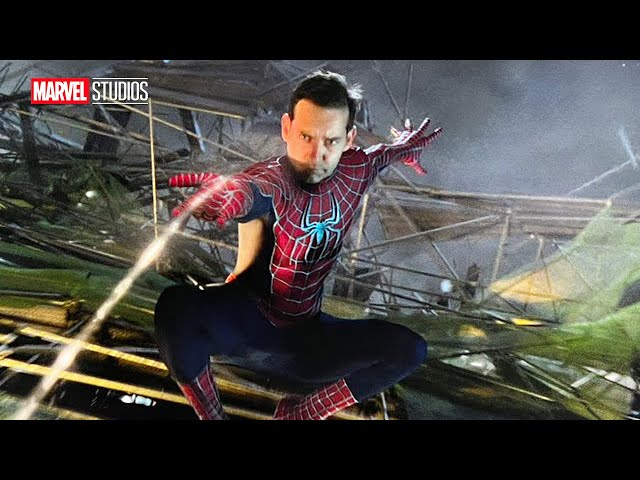
Tobey Maguire has not starred in a film in years. He produces. He plays poker. Instead, he exists in the cultural memory the way certain restaurants exist in New York: closed for a decade but still generating more conversation than the place that replaced them. His No Way Home appearance, reportedly a $1 million check, earned the single loudest crowd response of the night. Not for a speech. Not for a fight scene. For walking through a portal. For existing. The theater told him he could have kept going. He chose not to. In an industry that treats visibility as oxygen, that choice reads as either profound laziness or the shrewdest brand strategy of the 2020s. Possibly both. Perhaps neither. Ultimately, the distinction does not matter when you are already worth $75 million and nobody can stop talking about you anyway.
The Economics of Disappearing
Maguire’s retreat from public life demonstrates something the attention economy has no framework for processing. Specifically, that absence curated with enough patience stops functioning as absence and starts functioning as mythology. Every year he does not appear on screen, his No Way Home return gains retrospective weight, like an investment that appreciates precisely because no one is trading it. The poker tables, the quiet producing deals, the refusal to promote or explain or perform availability. It adds up to a career built on a single, counterintuitive insight: the most powerful position in the Spider-Man universe belongs to the version of Spider-Man who already left. Everyone else is still auditioning. Maguire is the one they audition against.
The Box Office Autopsy: Why Peak Marvel Died in That Portal
No Way Home’s $1.9 billion was not a proof of concept for the multiverse model. It was a wake. The most lavish, emotionally perfect going-away party for a machine that required escalating nostalgia hits to keep its heart rate visible. Consider the trajectory that followed, because the trajectory is the argument. The Marvels became the MCU’s lowest-grossing theatrical release in history. Ant-Man and the Wasp: Quantumania suffered the franchise’s largest second-weekend drop, the kind of fall that in pharmaceutical terms gets a drug pulled from shelves. The Jonathan Majors legal situation gutted the Saga’s central villain. This forced Marvel to pivot to Robert Downey Jr. as Doctor Doom for Avengers: Doomsday. Study that sentence. When your path forward collapses, you reach backward for the most recognizable face in your archive. That is not creative vision. That is franchise triage dressed in a costume.
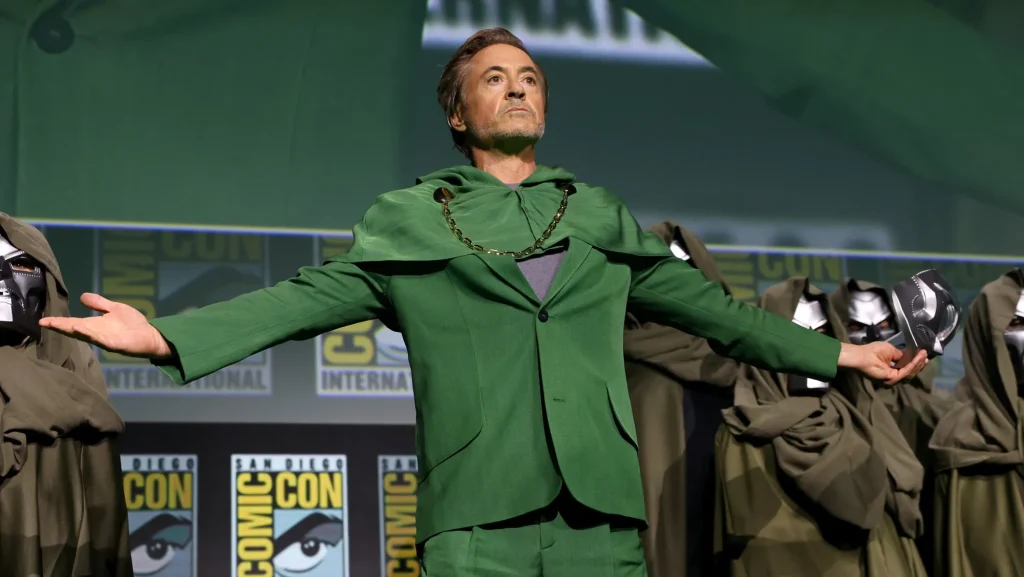
Spider-Man: Brand New Day arrives July 31, 2026 carrying expectations that function less like anticipation and more like a stress test. The previous three Holland films generated a combined $3.9 billion. If Brand New Day performs, it buys Marvel enough runway to reach Avengers: Doomsday in December 2026 with some credibility intact. If it underperforms, the conversation shifts from “superhero fatigue” to something harder to recover from: structural irrelevance. The four actors who have worn the mask represent four different responses to the same slow-motion question. What do you do when the machine that made you famous starts losing parts? Holland is betting the machine still runs. Zendaya is building something that does not need one. Garfield proved he never did. Maguire proved that the most powerful thing a machine can produce is someone who walks away from it.
What the Spider-Man Economy Tells You About the Attention Market
The gap between Maguire’s $75 million and Garfield’s $16 million is not a talent ranking. It is a market timing chart with human faces attached. Maguire caught the last era when a single actor could command top pay for carrying a franchise. Garfield arrived during the transition, when studios began treating actors as essential but replaceable. Holland came up fully inside the new architecture, where the IP is the star and the actor is a salaried employee. Zendaya refused all three categories. She invented a fourth: the actor who treats franchise work as one revenue stream inside a diversified portfolio she controls. Each Spider-Man’s net worth is a data point in a story larger than any of them. It is the story of how Hollywood moved power from faces to logos, from charisma to spreadsheets. Top Gun: Maverick proved one man could still fight that current, but even Cruise could not reverse it.

For anyone building a brand in the luxury space, the parallel is so precise it almost feels planted. The era when a single name could anchor an entire empire is contracting by the quarter. Accordingly, the founders who survive are the ones who diversified before the market forced them to, who built equity in their own identity rather than the platform that made them visible. Zendaya understood this at 19, while still inside the machine. Most people in the Hamptons are still learning it at 50, standing on a lawn worth $12 million, wondering why the brand they built feels like it belongs to someone else. Spider-Man No Way Home Marvel was the last night the old model worked perfectly. Every night since has been the industry trying to figure out what to build next.
Related Reading
From the Spider-Man Franchise:
- Tom Holland Net Worth: The Actor the Franchise Built
- Zendaya Net Worth: The Escape Artist of the MCU
- Andrew Garfield Net Worth: The Value of Getting Fired
- Tobey Maguire Net Worth: The $75 Million Ghost
From the 2020s Content Empire:
- Barbenheimer and the Weekend America Pretended Movies Still Work Like That
- Top Gun: Maverick and the Extinction of the Movie Star Species
You already know the difference between content that fills space and content that fills rooms. Social Life Magazine has spent 23 years putting the right people in the right story at the right moment. That is not publishing. That is positioning. If you have a brand, a project, or a reputation that deserves the Hamptons’ only serious editorial spotlight, the conversation starts at sociallifemagazine.com/contact.
Want guaranteed placement in front of 125,000 affluent readers across five summer issues and two off-season editions reaching Upper East Side doorman buildings? Submit a paid feature and let our editorial team build your story with the same precision we bring to every page.
Our email list reaches 82,000 subscribers who actually open, read, and act. The kind of people who summer in Sagaponack and winter in Palm Beach. Join them. Subscribe to the Social Life email list for insider access to luxury lifestyle content you will not find anywhere else.
Polo Hamptons 2026 is where $3.6 million average net worth meets brand activation on a polo field. If your brand belongs in front of that audience, you already know. Tickets, cabanas, and sponsorship packages at polohamptons.com.
Subscribe to the print edition of Social Life Magazine and hold 23 years of Hamptons cultural authority in your hands. Delivered to your door, from Memorial Day through Labor Day and beyond. sociallifemagazine.com/subscription.
If this article sharpened your thinking, buy us a coffee. Independent luxury journalism does not sustain itself on algorithms alone. Donate $5 and keep the signal clean.
Author

Written by
Recent Posts
Tobey Maguire Net Worth: The Power of Disappearing
Andrew Garfield Net Worth: The Career Got Better After Getting Fired
Tom Holland Net Worth: The Question the Franchise Can’t Answer
Spider-Man No Way Home Marvel: The Night the Multiverse Ate Itself

Emily Blunt Net Worth: How Competence Built an $80M Fortune
Categories
- Art
- Articles
- Beauty & Skincare
- Celebrities
- Celebrities|Entertainment
- Celebrities|Television
- Celebrities|The Chronicles
- celebrities|the-archive
- Chronicles
- Entertainment|Culture
- Event Photos
- Events
- Fashion
- Fashion & Style
- Featured
- Food & Beverage
- Food, Spirits, Wine
- Hamptons
- Hamptons Celebrities
- Hamptons Celebrities|Celebrities|The Chronicles
- Health
- Health & Beauty
- Lifestyle
- Luxury Lifestyle
- Movies
- Press
- Profiles
- Real Estate
- Technology
- The Chronicles
- Travel
- Uncategorized
- Weddings