
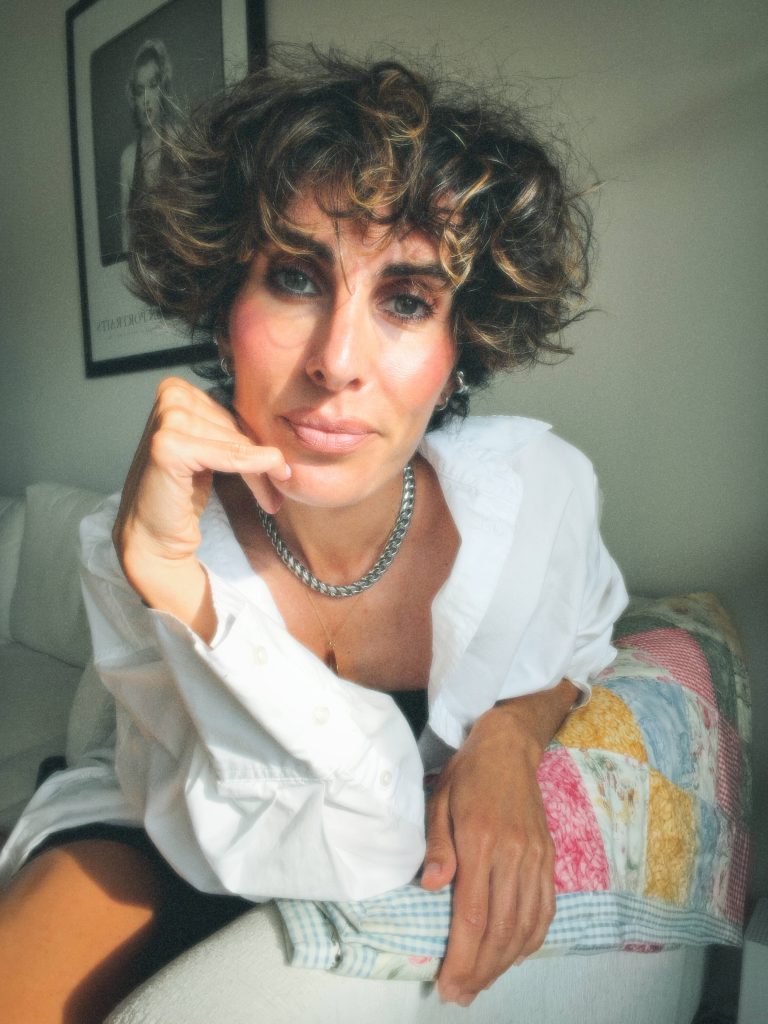
Every founder arrives at the same complaint eventually, usually over rosé someone else paid for. The product is brilliant, yet nobody important knows it exists. Molly O’Connor built a career on exactly that moment: finding the story that makes people care. She helped shape the narrative that launched Tonal, the $2,995 wall-mounted gym Fast Company framed as “Peloton for weight lifting.” Before Kim Kardashian filmed her full-body MRI, O’Connor’s messaging helped put Prenuvo into the cultural bloodstream. And when Aescape built a robot that massages A-list backs, she got Wired onto the table. Literally.
The New York publicist has spent thirteen years connecting consumer brands to the mastheads that matter. Along the way she founded her own sports bra label. It earned coverage in Runner’s World and Cosmopolitan while she ran it. So she has sat on both sides of the pitch. In addition, she writes Other Wise, a Substack interview series on turning Otherness into power. Guests include Ms. magazine co-founder Letty Cottin Pogrebin and writer-producer Heidi Clements.
Social Life Magazine asked her six questions about fame, trust, and why your contact list matters less than you think. Her answers double as a free education. Read them before your competitor does.
What People Get Wrong About How Brands Get Famous
What do people most get wrong about how brands actually get famous?
Famous is a funny word. I think it’s often conflated with familiarity now that everyone has a platform. A vague sense of knowing, rather than the cultural significance true fame once implied. In publicity, it’s more useful to ask how brands earn attention.
The biggest misconception is that it happens overnight, or by accident. Even when a brand seems to come out of nowhere, I can almost guarantee otherwise. A tremendous amount of strategy, time, money, and coordination made it look effortless. That’s especially true when celebrities are involved.
But there are generally two kinds of attention you should, well, pay attention to. Borrowed attention comes from celebrity endorsements and partnerships. It can be incredibly effective at getting people to notice you, yet it’s rarely enough to build a lasting legacy. Earned attention is what happens when people genuinely love what you’re offering and can’t stop telling their friends about it. At the moment, that’s Rec League for me.
Word of mouth is the gold standard; every marketer’s and publicist’s dream because it’s the one form of attention you can’t buy.
What Actually Earns a Headline in 2026
The myth is that press comes from having a great product. What actually earns a headline in 2026?
If we’re talking about favorable headlines, trust and traction are tried and true. When I first started in tech, companies could generate headlines simply by raising a sizable funding round from the right investors. Sometimes that came before the product had even launched. We were getting press before there was proof!
Today, reporters need numbers and evidence that something is actually working. That means an engaged community and impressive growth. It also means respected voices recommending the product without being paid to do so. And it helps if you’re building something truly market-shifting like Uber. Though I’m against using words like disruptive or revolutionary. Those are not words you should assign to yourself. If they’re true, other people will use them to describe you.
Your job is to build something genuinely differentiated and solve a problem. Then give journalists proof that it’s filling a void in the market. My job is to connect those dots and make sure the right people see it.
Why the Physical Room Still Wins
You argued IRL experiences and long-form storytelling are two of the shifts that matter this year. As AI eats discovery, is the physical room becoming the last defensible channel a brand has?
We’re seeing a return to places and spaces where the goal isn’t to buy or purchase, like run clubs. The check out is about checking out the people, the vibe. Because there’s growing fatigue (and rightful rage) with being sold to at every touchpoint. And AI is making it increasingly difficult to distinguish what’s real from what’s manufactured, with little to no regulation. So people are craving connection with trusted sources and actual humans.
Rachel Karten recently wrote about the rise of brands posting fake skits about bad bosses and toxic mothers-in-law to sell products. Meanwhile, The New York Times has covered AI-generated doctors, healers and wellness influencers peddling products to unwitting consumers. We’ve got a long way to go, but people are getting better at rejecting AI slop.
The brands that win will be the ones that provide something AI so far sucks at: access to real people and, crucially, transparency.
When Celebrity Transfers Trust, and When It Just Transfers Attention
Your clients borrow star power, from Kim K to Tom Brady. When does celebrity actually transfer trust, and when does it just transfer attention?
This goes back to borrowed versus earned attention. Is a celebrity speaking about something because they’re being paid to? Think Sydney Sweeney endorsing everything from Armani to Baskin-Robbins. That’s borrowed. Or because they genuinely love something, like Oprah’s Favorite Things List? That’s earned.
Celebrity partnerships buy temporary attention. They don’t buy trust. The best brand longevity litmus test is asking yourself if the product stands on its own without the celebrity association. I think about this a lot as a big fan of Skims and goop. Will Skims survive without Kim? Goop without Gwyneth? Celebrities shouldn’t be critical parts of the equation for a brand to endure.
Otherness Is Power
Other Wise is about turning Otherness into power. For a founder who feels like an outsider in the rooms they need to win, what’s your one piece of advice?
Lean into the thing that makes you different. I see so many founders try to emulate their business idols. Instead, they should embrace what makes them uniquely qualified to build what they’re building.
Elizabeth Holmes is one of the most notorious examples of this, famously adopting the Steve Jobs black turtleneck uniform. Though women founders are often scrutinized for things that male founders are just as guilty of. The number of tech bros sporting Patagonia vests…
But investors, and consumers, want to see people doing things differently. This advice extends beyond founders, by the way. The thing that makes you Othered is usually the thing that makes you impossible to ignore. Otherness is power.
The Contacts Myth
What’s a common misconception people have when looking for a PR partner?
That contacts guarantee coverage. A question I get asked repeatedly when connecting with prospective clients is some variation of, do you have the contacts? It doesn’t matter if I’ve worked with a reporter before if what I’m pitching them isn’t relevant to their beat.
Writing a great pitch and coming to them with a story that genuinely matters to their audience is what counts. When they do write about you, it’s not a favor. It’s because a strong storyteller came to them with the right info at the right time.
Where The Conversation Continues
Here is the pattern worth noticing. Every brand in this story hired its storyteller before you ever heard its name. Tonal, Prenuvo, Aescape, all of them. Molly O’Connor is currently taking new clients, though publicists with this track record rarely stay available for long. Learn more about her work at mollytoconnor.com, and subscribe to Other Wise for the interviews everyone will be quoting next. Meanwhile, your competitor is probably drafting the email right now.
Author

Written by
Recent Posts

AI for personal finance: where PennyGuard fits
How to Pick a Homecoming Dress for Your Body Type (and Feel Amazing in It)

World Cup Injury Attorney for Vancouver Events
What a 3-Carat Engagement Ring Actually Costs in 2026: The Real Numbers
The Skincare Habits That Make a Real Difference Over Time
Categories
- Art
- Articles
- Business of Luxury
- Celebrities
- Culture
- Entertainment
- Events
- Faces of Summer 2026
- Fashion
- Fashion & Style
- Featured
- Finance
- Food, Spirits, Wine
- Hamptons
- Hamptons Celebrities
- Health
- Health & Beauty
- Lifestyle
- Luxury Lifestyle
- Press
- Profiles
- Real Estate
- Technology
- The Chronicles
- Travel
- Uncategorized
- Weddings