
“To love is to suffer.”
It’s the biggest lie you’ll ever hear in your life. And women learn this propaganda from a young age.
The truth is, it’s the biggest blessing to love and to be loved. So, when you put up with your husband’s behavior, it’s not in the name of “love.” Survival, trying to be a better wife, rekindling relationships—maybe.
There are clear signs that you’re not a priority to him. Let’s explore 20 signs that your boyfriend/partner doesn’t respect you together.

20 signs you are not valued in a relationship
No relationship is perfect, and every partner occasionally makes mistakes. The problem usually is not one isolated bad moment. Pay attention to patterns: do these signs repeat?
If half of these signs occur consistently, it’s likely your husband doesn’t treat you as a priority. Is it necessary that he give you princess treatment? No. A better question would be, “Do you want princess treatment?
But even if one of these recurring signs hurts you, it’s also worth attention.
P.S. Just keep in mind that, maybe, your husband has no clue that his behavior hurt you. Talk to him before rushing to dramatic conclusions.
1. He dismisses your feelings
When you love someone, you want their lives to be better. It aches you when they’re in pain. So, when you, all vulnerable, share your feelings and all he has to say is “Calm down,” it could mean your well-being isn’t a high priority for him.
FYI, emotional invalidation is a frequent sign of narcissism in partners. If such a suspicion ever crossed your mind, taking a “Is my husband a narcissist” quiz could be very helpful to validate your experience and find a real answer.
It’s normal for a partner not to always understand or agree with the feelings of the significant other. But even in that case, a loving partner will support because that’s important to you.
2. He second-guesses your perspective
Some partners constantly position themselves against your perspective, no matter what it is. You may tell a story about something painful that happened to you, and instead of empathizing, he immediately assumes you misunderstood something.
That puts you in an awkward position: you start questioning your emotions. This is another form of gaslighting.
3. He doesn’t really know you
The realization “Damn, you don’t know a thing about me” is sudden. It comes when your partner orders your usual, which hasn’t been your usual for two years. When he comes up with a “great idea” for your anniversary that you just talked about an hour ago.
Feeling valued usually also includes feeling seen. A loving partner is interested in who you are as a person, even years into the relationship.
4. He isn’t interested in your thoughts
It’s nice when your husband compliments your appearance. But nothing will feel as good as “What do you think of this? Your opinion is very important to me“.
According to Breeze Wellbeing, being intellectually respected feels nice because a person understands deep down that their appearance and youthfulness can go. But the thoughts, knowledge, and wisdom will stay.
5. He doesn’t organize or go on dates with you
A partner who’s invested in you and your happiness will do anything to make you content. Your husband might subconsciously see you as his negative reinforcement.
Negative reinforcement in psychology means avoiding negativity. What is an example of negative reinforcement? Well, your partner, who constantly avoids spending time together, might see you as a chore. Hence, he doesn’t invite you to dates because he associates you with exhaustion, negative memories, or something that triggers difficult feelings in him.
6. He doesn’t compliment you
Compliments are important. Compliments are the quickest way to show respect and admiration. It’s impossible to complain about “I just didn’t have time” because saying a compliment isn’t that energy-consuming.
7. He doesn’t forgive you after conflicts
His negative feelings toward you can linger for days. And at the same time, he doesn’t want to address them. It’s like he enjoys being resentful and sees you dissatisfied. Even when everything seems fine, he brings back your mistakes.
8. He doesn’t apologize
A person who values the relationship with you will try to take accountability after hurting their partner. Not immediately. Not always. Because it’s hard to be vulnerable. But on some intrinsic value, they’d want to make amends.
Apologizing is an act of care.
9. He’d much rather spend time without you
Your husband has a right to meet friends/family, have hobbies, or just need personal time. But if he tries to make himself busy, after crossing off everything on his to-do list, it might indicate that he lacks respect for you.
10. He’s nice to everyone except you
One painful sign of emotional neglect is when your partner appears to be a social butterfly, the kindest man on Earth with everyone else, until it’s you. It’s like you don’t deserve his company.
11. He doesn’t keep promises
Would a person who values your time and efforts cancel at the last minute? Say you prepared a nice dinner, put yourself together, and organized the best date for both of you. All your husband had to do was show up.
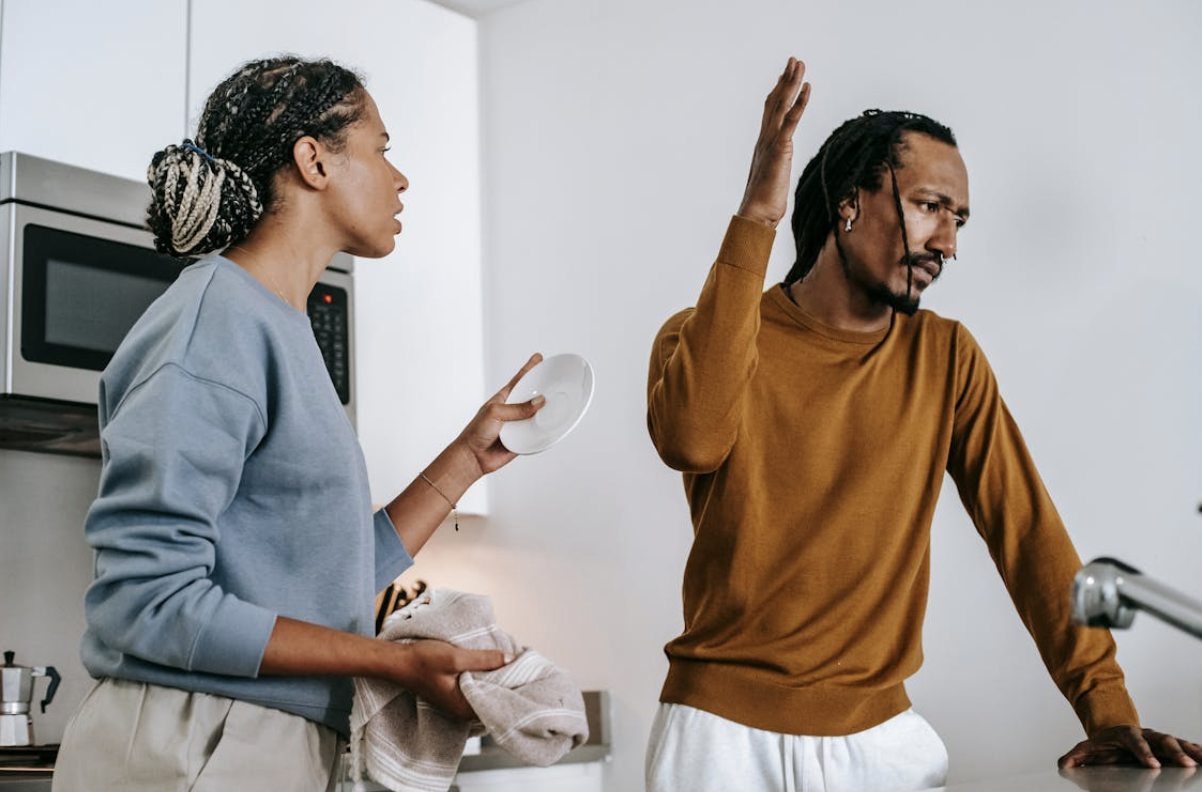
12. He rationalizes your emotions
When people share emotions, they don’t seek logic. They seek comfort. So, when you go to your husband in tears or angry, but all he does is explain what you should feel instead, it’s a dismissal.
“Like thanks, John, I know I shouldn’t be that upset about the plant dying, but here I am.”
Emotional invalidation can also mean that your husband sees himself as superior to you, someone who always knows what’s “right” to feel.
13. He’s unfaithful
Cheating damages trust. Infidelity is breaking an agreement. And it’s disrespect in the purest form. Cheating can be physical, emotional, or financial. Whatever it is, rebuilding trust is really challenging.
14. He doesn’t help with chores
One sign that your husband disrespects you is that he doesn’t care what you do or how much effort you put into your common life. This relationship isn’t a partnership anymore; it’s babysitting.
15. He makes important decisions without you
Feeling valued usually means being included. A partner who respects you will also consider you important. Your opinion and logic will be useful for them because that’s what partners do.
16. He doesn’t tell you about his life
People in love talk for hours. You know why? Because they can’t seem to feel enough of each other. It’s the feeling so aching that you want to crawl under another person’s skin to know them.A husband who stopped sharing what’s new at work or his opinion on events in the world is emotionally done with you.
17. He uses ultimatums during fights
Ultimatums are manipulations. It’s either his way or no one’s, which shows that he doesn’t believe that he might actually benefit from your suggestions.
18. He avoids physical intimacy with you
Sex is a peak form of closeness: when two bodies become one. So, if your partner isn’t interested in it, it may show that something in him doesn’t see the value of being intimate with you.
19. He’s one-upping you
A supportive partner can celebrate your achievements. When you achieve something, it might feel even better for them: they are proud of you and try to make sure you know it.
20. He doesn’t want to change
The biggest warning sign that your partner doesn’t value you is that he doesn’t want to change. He may be strongly convinced that no matter what, you’ll stay with him, like a loyal puppy.
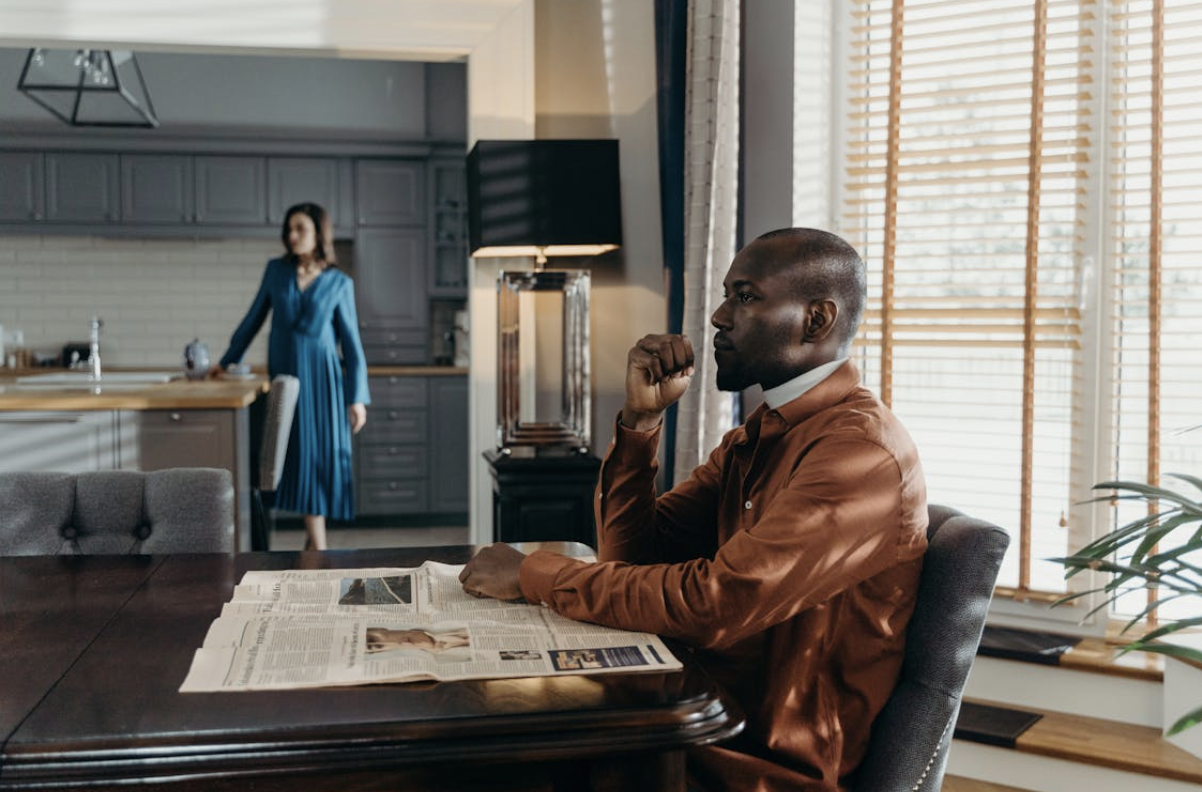
The timeless question: Should it change or should you go?
Before making major decisions, it’s important to express your concerns to your husband honestly and directly. Unfortunately, husbands can’t read our minds. And men are generally less perceptive than women.
After an honest talk with your husband, he will respond in one of three ways:
- genuinely acknowledge the problem and consistently try to change
- promise change but continue repeating the same behaviors
- dismiss your feelings, minimize the issue, or blame you instead
If you’re not lucky enough and got a 2nd or 3rd type of response, you have two options:
- put up with this behavior and accept that it’s how your life’s going to be
- leave
Consider how each option makes you feel. Both of them bring up difficult feelings and loss of change.
But one important thing to remember is this: if you continuously abandon your own emotional well-being to keep the relationship functioning, the damage just keeps piling up. You are the only one who can protect you.
Author

Written by
Recent Posts
How to Pick a Homecoming Dress for Your Body Type and Feel Amazing in It
How to Prepare a Home for Sale When Major Repairs Are Not Affordable
From Everyday Comfort to Personal Style: My SHEIN Slipper Habit
5 Best Mitsubishi Heat Pump Companies in Seattle
Tech Gadgets as Modern Corporate Gifts: Useful Ideas for Employees and Clients
Categories
- Art
- Articles
- Business of Luxury
- Celebrities
- Culture
- Entertainment
- Events
- Faces of Summer 2026
- Fashion
- Fashion & Style
- Featured
- Finance
- Food, Spirits, Wine
- Hamptons
- Hamptons Celebrities
- Health
- Health & Beauty
- Lifestyle
- Luxury Lifestyle
- Press
- Profiles
- Real Estate
- Technology
- The Chronicles
- Travel
- Uncategorized
- Weddings