
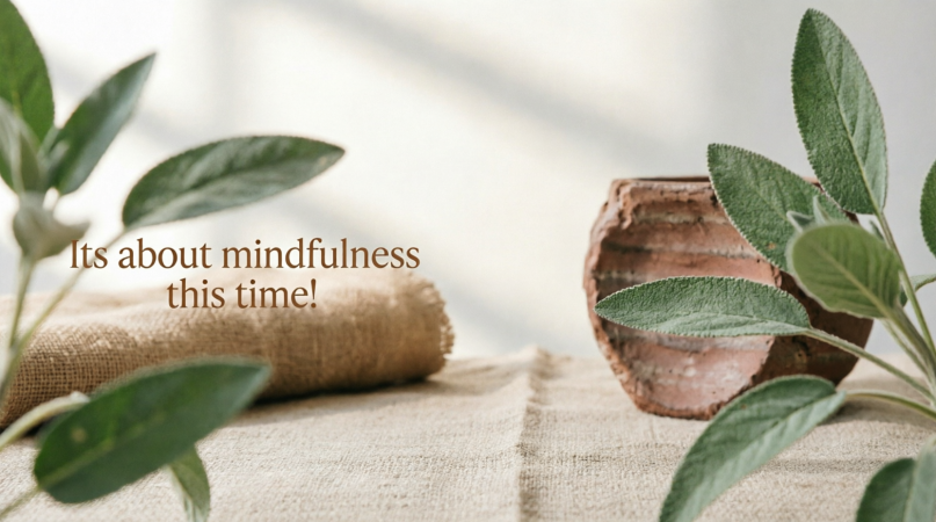
As we settle into the crisp, transitional energy of this season, the definition of self-care is undergoing a massive cultural shift.
We are finally moving past the era of performative wellness, where self-care was just a marketing buzzword for buying expensive skincare or taking a quick bubble bath to offset a grueling workweek.
Today, both men and women are recognizing that true self-care isn’t about escaping our lives; it’s about building the internal infrastructure to sustain them.
We are moving away from “hustle culture” recovery and stepping into deep, structural mindfulness.
Whether you are a founder looking to soften your cognitive edge, or a professional seeking a moment of quiet clarity amidst the chaos, here are the 5 mindful wellness trends redefining modern self-care this season.
1. Emotional grounding through flower essences
In an era where our nervous systems are constantly overstimulated by digital noise, we are looking to the earth for subtle, energetic regulation.
The top trend this season is a return to grounded, nature-based emotional support, specifically through the use of flower essences.
Rather than relying on heavy supplements to force a mood shift, mindful individuals are using the subtle vibrational energy of plants to gently recalibrate their emotional baseline.
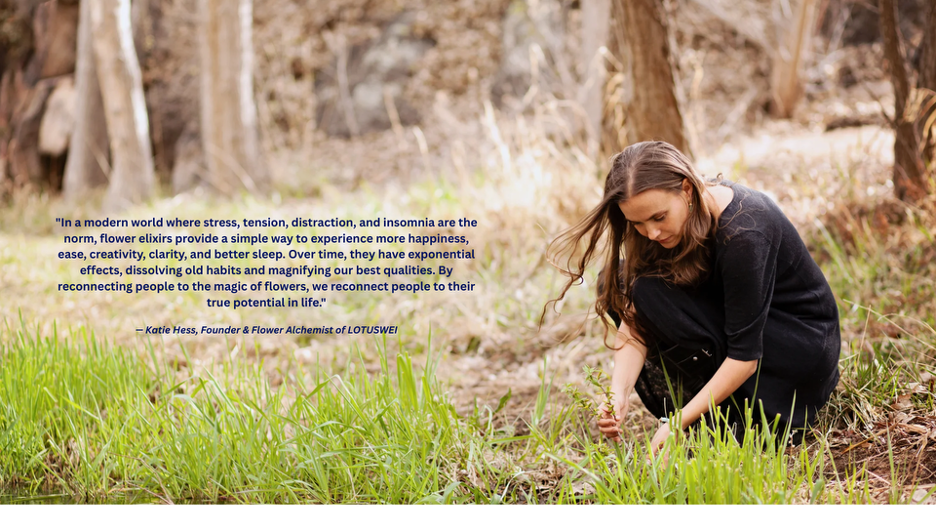
“As LOTUSWEI founder Katie Hess notes, ‘By reconnecting people to the magic of flowers, we reconnect people to their true potential in life.’ It’s nature’s way of helping us soft-land.”
Whether you are navigating high-stakes professional pressure or the quiet burnout of daily life, integrating flower essences from LOTUSWEI into your morning routine offers a grounded, energetic reset.
By adding a few drops to your water or tea, you invite a gentle, natural shift in your emotional landscape, helping you meet the day with a centered mind.
How to use:
- For the morning reset: Add a few drops to your first glass of water or morning tea to set a calm, focused intention before opening your inbox.
- For stress response: Keep a small dropper bottle at your desk. When you feel the physical signs of frustration or anxiety rising, take a moment to pause and let the subtle plant energy help soften your reaction.
- For evening wind-down: Use specific calming blends before bed to signal to your nervous system that the day’s demands are officially over.
2. Somatic stillness and nervous system regulation
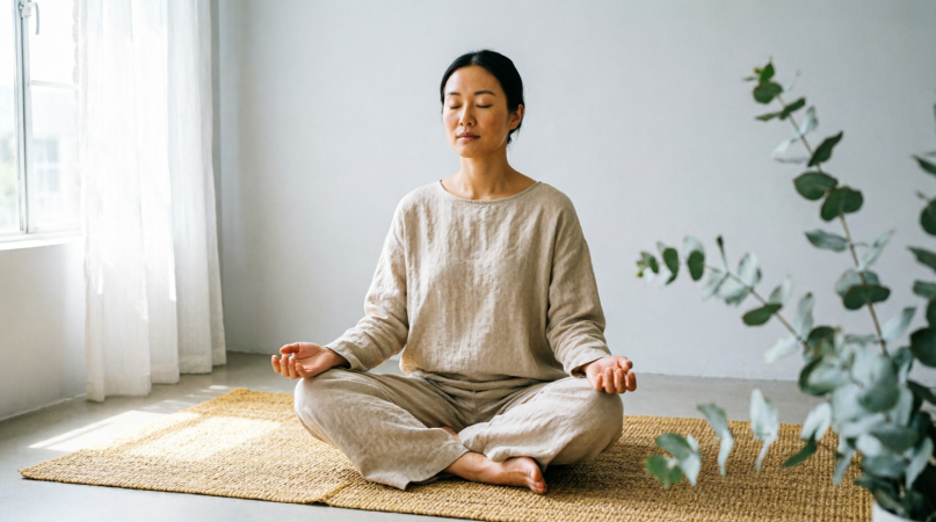
Mindfulness has evolved from simply “sitting quietly and watching your thoughts” to deeply feeling your body.
Somatic stillness is all about nervous system regulation. We are learning that you cannot think your way out of a stressed nervous system; you have to feel your way out.
Key elements of somatic practice:
- The shift in focus: Moving away from cognitive processing and leaning into physical sensation to release trapped stress.
- For him: Often framed as “physiological optimization,” men are utilizing physiological sighs, cold exposure, and targeted breathwork to manually shift the body out of fight-or-flight mode and improve baseline focus.
- For her: Often approached as “release and safety,” women are utilizing gentle yoga, trauma-informed stretching, and body scanning to feel secure in their physical form and process emotional fatigue.
3. Analog anchoring and tactile hobbies
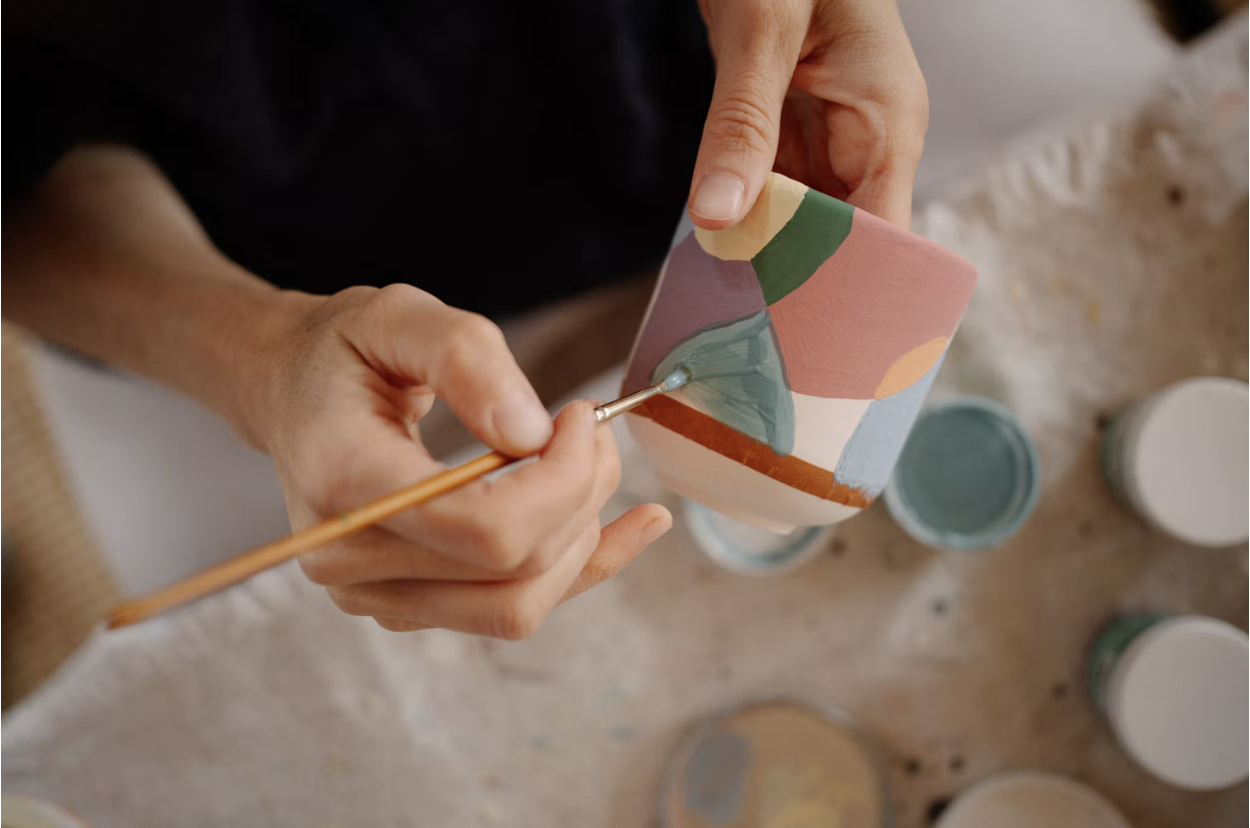
As our daily lives become increasingly dominated by screens, AI, and virtual spaces, there is a massive pendulum swing toward the physical world. “Analog anchoring” is the practice of engaging in tactile, hands-on hobbies that require your full physical presence.
Why this matters now:
- The digital detox: It forces the brain to drop out of the digital ether and anchor firmly in the physical, three-dimensional world.
- The activities: We are seeing a huge resurgence in woodworking, pottery, gardening, baking, and even mechanical watch repair.
- The mindful benefit: The mindfulness here doesn’t come from a guided meditation track; it comes from the smell of sawdust, the feel of wet clay, or the rhythmic kneading of dough. It is a pure, unadulterated presence.
4. Circadian syncing and deep rest architecture
Sleep is no longer just about “getting 8 hours.” The modern approach to rest is about Deep Rest Architecture, optimizing your environment and habits to sync perfectly with your biological clock.

Pillars of deep rest:
- Light as a nutrient: Getting direct sunlight in your eyes within 20 minutes of waking to set your biological clock, and aggressively dimming overhead lights after dusk.
- Temperature control: Cooling the bedroom down to around 65°F (18°C) to facilitate the natural drop in core body temperature required for deep sleep.
- Sensory cues: Using weighted blankets, mouth taping, or magnesium therapies to physically signal to the brain that it is time to power down and recover.
5. Platonic intimacy and micro-communities
The modern loneliness epidemic has forced a reevaluation of how we connect.
The final major trend is the prioritization of deep, non-romantic, non-transactional relationships. We are moving away from massive, superficial networking events and leaning into intentional “micro-communities.”
Building your tribe:
- Redefining connection: True self-care, we are realizing, often requires the safe presence of others who understand your specific life season.
- For men: The rapid growth of men’s groups and platonic brotherhoods where vulnerability, emotional support, and accountability are normalized without judgment.
- For women: Moving beyond surface-level catch-ups into deep, intentional women’s circles that focus on shared growth, mutual support, and authentic sharing.
Takeaway
The beautiful thing about this season’s wellness trends is that they are entirely democratized.
You don’t need a luxury retreat to practice somatic stillness, and you don’t need a massive budget to start an analog hobby or ground yourself with botanical essences.
Self-care is no longer just a product you buy; it is a daily practice you cultivate. Pick one of these trends that resonates with your current season of life, and let it anchor you.
Author

Written by
Recent Posts
Get Panama Residency in 30 Days — A Simple Look at Mercan’s Easy Program Process
How to Choose a Stay for a Multigenerational Resort Trip
How Family Property Disputes Can Affect Relationships and Long-Term Plans
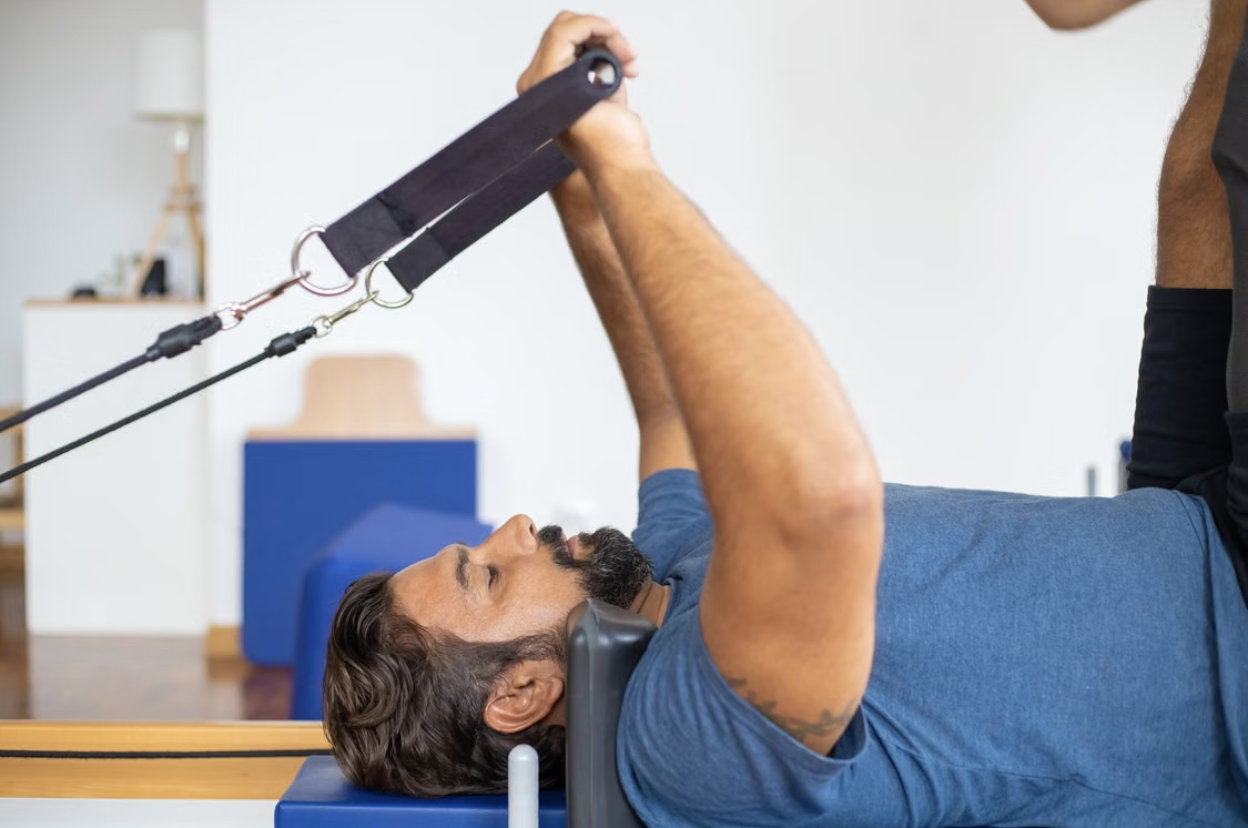
Choosing a Reformer for the Life You Already Have
Artful Living: Unique Gifts With A Creative Edge
Categories
- Art
- Articles
- Business of Luxury
- Celebrities
- Culture
- Entertainment
- Events
- Faces of Summer 2026
- Fashion
- Fashion & Style
- Featured
- Finance
- Food, Spirits, Wine
- Hamptons
- Hamptons Celebrities
- Health
- Health & Beauty
- Lifestyle
- Luxury Lifestyle
- Press
- Profiles
- Real Estate
- Technology
- The Chronicles
- Travel
- Uncategorized
- Weddings