
Independent living is not a one-size-fits-all plan. It’s a mix of the right supports, delivered at the right time, so people can make their own choices and stay safe at home. Specialised care services bring skills, structure, and flexibility that help turn daily routines into real progress.

Personal Care that Builds Confidence
Specialised workers support showering, dressing, grooming, and continence in ways that protect dignity and choice. They use graded prompting – from a simple cue to brief hand-over-hand – so the person practices each step and keeps control. Clear routines, visual checklists, and laid-out clothing reduce decision fatigue, while gentle pacing and rest breaks turn stressful mornings into calm, repeatable habits.
Skill-building sits inside everyday tasks. A worker might teach safe transfers while moving from bed to chair, or coach toothbrushing with a timer and a mirror for feedback. Small adaptations matter too, like a long-handled sponge, non-slip mats, or a perching stool to lower strain. Progress is tracked with quick notes on what worked, what didn’t, and what to try next, so gains compound over time. The result is practical confidence that carries into work, study, and social plans.
Domestic Help that Keeps the Home Running
A tidy, safe home makes independence easier to sustain. Support with meal prep, light cleaning, laundry, and shopping reduces fatigue so energy can go toward work, study, and social plans. Workers also keep an eye on hazards like loose rugs or poor lighting, and suggest low-cost fixes that prevent small issues from becoming setbacks.
Skill-Building for Daily Life
Coaching turns everyday activities into learning moments. Planning a weekly menu, using timers for medication, mapping a bus route, or breaking bills into smaller steps builds skills that transfer across life. Progress sticks when tools match the person, so teams tailor checklists, labels, and phone reminders to someone’s strengths and sensory preferences.
Flexible Support that Meets You Where You Are
Needs change across a week, and the support should flex with them. Some days it’s hands-on assistance, while other days a quick check-in or in-home disability help is enough to keep goals moving – that adaptability keeps confidence growing instead of stalling. Providers can also pair home practice with community outings so new skills are tested in real settings and refined afterwards.
- Practice a morning routine that balances personal care and stretches
- Prep ingredients together so meals are quick to finish later
- Rehearse one transport route each week until it becomes familiar
- Slot allied health exercises into daily plans
- Review small wins and adjust the plan for the next day
Health and Wellbeing Coordination
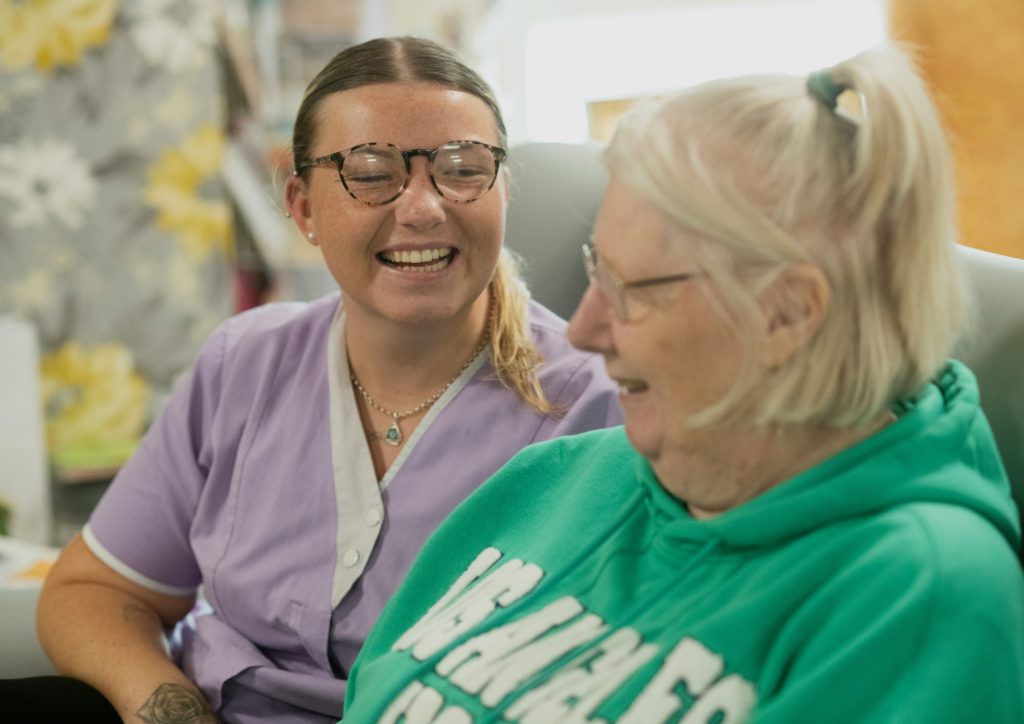
Good coordination prevents gaps and mixed messages by turning lots of moving parts into one clear plan. Support workers can share timely updates with GPs, nurses, and allied health so medication prompts, therapy exercises, and daily routines line up instead of clashing, and they do this with consent and simple communication tools that everyone understands.
A shared care plan sets who does what and when – from morning meds and blood glucose checks to physio stretches and hydration goals – and it gets reviewed after appointments, so new advice is built into the week right away. Teams also track warning signs and triggers, like pain levels, sleep changes, or skin integrity, so small issues are flagged early, and the right clinician is looped in before they escalate. When hospital visits happen, workers can help with discharge summaries, scripts, and follow-up bookings, then translate those tasks into practical steps at home so recovery stays on track.
Coordination covers mental health too, linking routines with psychology or counselling goals, and making space for pacing, sensory needs, and calm-down plans on tougher days. Simple tools make a big difference – a medication chart on the fridge, phone reminders, labelled storage, and a one-page profile that tells every professional what helps and what doesn’t. Regular check-ins close the loop by reviewing outcomes, adjusting what is not working, and celebrating small wins, which keeps everyone aligned on the same goal – safe, steady progress toward more independence.
Respite and Backup that Protect Independence
Independence lasts longer when everyone in the support circle can rest and reset. Planned respite gives family and unpaid carers time to recover, handle appointments, or simply switch off, which protects their health and keeps informal support steady. For the person receiving support, respite is not a pause in progress – it is a chance to practice routines with a fresh team, try short stays, or build confidence in new environments. Good providers map out backup options in advance, from on-call support to short-notice shift coverage, so small hiccups do not turn into major disruptions. Clear handovers, up-to-date care notes, and familiar routines mean a new worker can step in without stress.
Staying independent is about more than managing tasks. It’s about feeling safe, confident, and connected while living life on your terms. With the right supports in place and room to grow, the home becomes a launchpad for the goals that matter most.
Author

Written by
Recent Posts

Breaking Bad Cast Net Worth. $130 Million Cooked in Five Seasons of Perfect Television

Cailee Spaeny Net Worth — From Springfield, Missouri to A24 and Alien in Three Years Flat

Wagner Moura Net Worth — He Learned Spanish to Play Escobar. Then He Learned English to Take Hollywood.

Robert Eggers Net Worth — He Made a $3.5 Million Film in Puritan English and Hollywood Listened

Brie Larson Net Worth — A $6 Million Indie Film Won Her an Oscar. Marvel Paid Her the Rest.
Categories
- Art
- Articles
- Beauty & Skincare
- Celebrities
- Celebrities|Movies
- Celebrities|The Chronicles
- Chronicles
- Entertainment|Culture
- Event Photos
- Events
- Fashion
- Fashion & Style
- Featured
- Food & Beverage
- Food, Spirits, Wine
- Hamptons
- Hamptons Celebrities
- Hamptons Celebrities|Celebrities|The Chronicles
- Health
- Health & Beauty
- Lifestyle
- Luxury Lifestyle
- Movies|Culture
- Movies|Hamptons Lifestyle
- Press
- Profiles
- Real Estate
- Technology
- The Chronicles
- Travel
- TV
- Uncategorized
- Weddings