
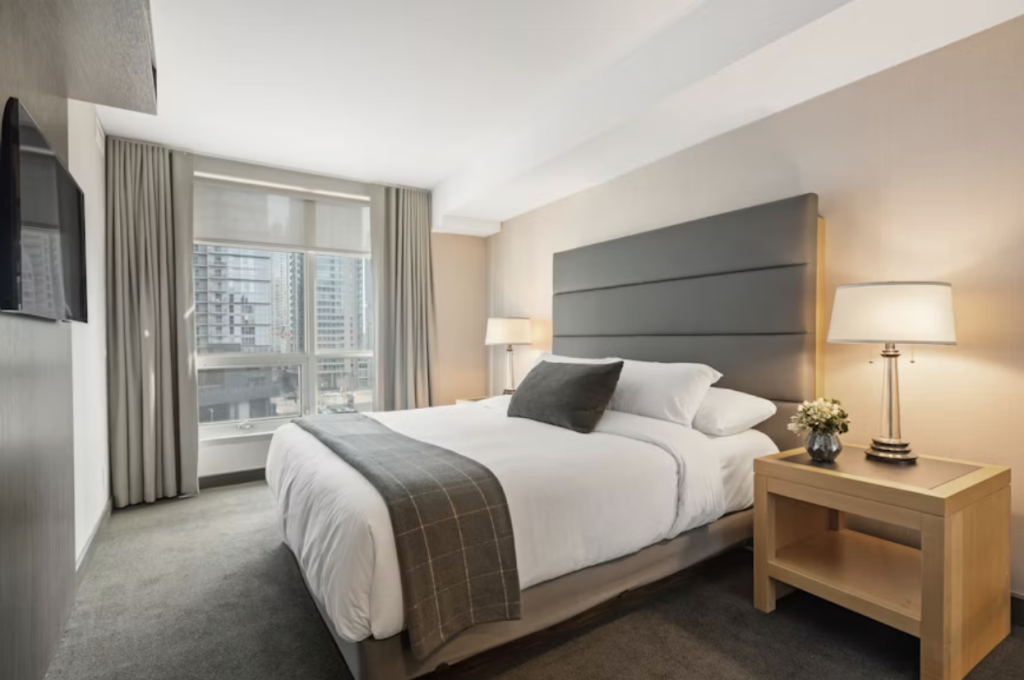
Statista found that when American adults go on vacation, 41% opt for hotels. They’re not just looking for a place to rest their heads though; they’re searching for establishments that are truly convenient and comfortable.
This means that guests are scrutinizing the technology used at the hotels they choose. Here are the top seven that they now expect in 2026.
1. Mobile Keys and Contactless Check-In Make Arrival Effortless
Travelers expect the arrival experience to feel as seamless as the room itself. Mobile keys let them bypass a traditional front-desk interaction and use their phones to access guestrooms, elevators, and other secured areas. Contactless check-in extends that convenience by letting guests do the following before reaching the property:
- Complete registration
- Verify details
- Receive access credentials
A fully integrated hospitality platform can connect the guest profile, reservation, identity verification, payment, and mobile-access systems. That way, the experience feels continuous rather than pieced together.
2. Smart Room Controls Turn Technology Into a Luxury Amenity
Smart room controls are becoming an important part of the modern premium stay because they let guests customize their environment with minimal effort. Through a mobile app or in-room control panel, they can adjust lighting, temperature, curtains, entertainment, and other room functions.
The best thing is that guests can create a comfortable environment without searching for multiple switches or unfamiliar controls. Hotels can also use connected systems to remember preferences where appropriate, such as preferred temperature settings or lighting scenes.
3. Real-Time Room-Ready Alerts Give Guests More Control
Waiting for a room to become available can sour the experience, especially when guests arrive early after a long day. Real-time room-ready alerts can solve part of this problem by keeping them informed as housekeeping and front-office systems update room status. Instead of repeatedly checking with reception, guests can receive a notification as soon as their room’s prepared.
Some hotels also use these systems to communicate estimated readiness or offer alternatives when circumstances change. This creates transparency without requiring constant staff intervention. This technology can feel especially valuable because it gives guests greater control over their arrival plans.
4. Personalized Offers Make Digital Convenience Feel Exclusive
Luxury hospitality is moving away from generic promotions and toward offers that reflect individual guest preferences. Hotel technology can use the following to bring up relevant upgrades or experiences:
- Reservation information
- Loyalty profiles
- Previous stays
- Current behavior
For example, a returning guest might receive an offer for a preferred room category, while another traveler could see a spa treatment, dining experience, late checkout, or local activity that matches their interests. Do note that personalization best works when it feels useful, not intrusive.
Timing also matters; an appropriate offer before arrival can help guests plan their stay. A relevant suggestion during the trip can enhance it.
5. Eco Preferences Let Guests Personalize Sustainable Stays
Sustainability is becoming compatible with luxury rather than being viewed as a trade-off against comfort. Hotels can now give guests more direct control over their environmental preferences through digital tools. Travelers can lower their carbon footprint by:
- Choosing reduced housekeeping
- Declining linen changes
- Adjusting room-energy settings
- Selecting other lower-impact options from an app or guest portal
The important distinction is choice; people can support sustainability without feeling that amenities have been removed without explanation. Technology can also communicate the consequences of those selections, making environmental programs more transparent.
6. Integrated Payments Keep the Entire Stay Frictionless
Guests expect to pay for more than their room without repeatedly reaching for a wallet or card. Integrated payment technology can connect these things to a single guest profile or secure digital payment method:
- Accommodation
- Dining
- Spa treatments
- Room services
- Activities
- Other purchases
This reduces friction throughout the stay and makes it easier to understand and settle charges. Staff can also spend less time processing transactions and more time engaging with guests, while travelers can move between different hotel services without repeatedly entering payment details.
7. AI Concierge Chat and Digital Tipping Extend Personalized Service
AI concierge chat is giving guests another way to access assistance without waiting for a phone call or front-desk interaction. They can use conversational interfaces to ask about:
- Hotel amenities
- Restaurant hours
- Transportation
- Local attractions
- Reservations
- Other routine requests
This technology doesn’t replace human hospitality, though. Instead, it can handle straightforward questions while allowing staff to concentrate on situations that need judgment or personal attention.
Digital tipping complements this shift by giving guests a convenient way to recognize employees through their phones or other digital channels.
Hotels Are Stepping Up Their Tech Game
Travelers want convenience and comfort, and this is all made possible with advanced hotel tech. By outfitting their establishments with things like mobile keys and smart room controls, they can appeal to guests who want only the best when they go on trips.
Take a look at more of our pages now to find more informative articles.
Author

Written by
Recent Posts
How to Pick a Homecoming Dress for Your Body Type and Feel Amazing in It
How to Prepare a Home for Sale When Major Repairs Are Not Affordable
From Everyday Comfort to Personal Style: My SHEIN Slipper Habit
5 Best Mitsubishi Heat Pump Companies in Seattle
Tech Gadgets as Modern Corporate Gifts: Useful Ideas for Employees and Clients
Categories
- Art
- Articles
- Business of Luxury
- Celebrities
- Culture
- Entertainment
- Events
- Faces of Summer 2026
- Fashion
- Fashion & Style
- Featured
- Finance
- Food, Spirits, Wine
- Hamptons
- Hamptons Celebrities
- Health
- Health & Beauty
- Lifestyle
- Luxury Lifestyle
- Press
- Profiles
- Real Estate
- Technology
- The Chronicles
- Travel
- Uncategorized
- Weddings