
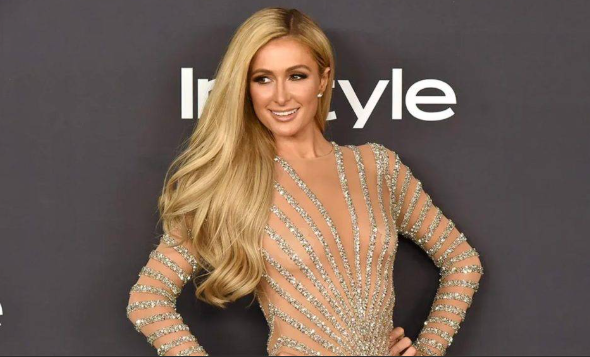
The Decade That Rewired Celebrity Forever
Before the 1990s, fame operated on a relatively simple transaction. You made something. People consumed it. You got paid. However, between 1991 and 2001, the entertainment industry discovered something far more powerful than selling records or movie tickets. It discovered that fame itself could be packaged, leveraged, and sold as a standalone product. The 90s invented modern fame, and the consequences are still compounding.
Consider the numbers. In 1990, the global recorded music industry generated roughly $27 billion in revenue, according to Billboard. By 1999, that figure approached $40 billion. Moreover, those numbers only captured the obvious revenue streams. They missed the perfume lines, the fashion labels, the endorsement deals, and the licensing agreements that transformed musicians into multinational brands. The 90s didn’t just produce famous people. It produced the blueprint for converting attention into generational wealth.
Why the 90s Were Different From Every Previous Era
Three forces converged simultaneously to create conditions that had never existed before. First, cable television fractured the monoculture into a thousand niche audiences while simultaneously creating 24-hour celebrity coverage through outlets like MTV, E!, and VH1. Second, the internet arrived just in time to accelerate gossip from weekly tabloid cycles to hourly news updates. Third, record labels discovered that manufacturing pop stars at industrial scale was more profitable than nurturing organic talent.
The result was an arms race. Consequently, artists who emerged from this era faced pressures no previous generation of celebrities had encountered. Harvard Business Review would later analyze how personal brands became corporate assets. Nevertheless, in the 90s, nobody had the vocabulary for what was happening. Stars were being minted, monetized, and discarded faster than any system could manage responsibly.
The Factory Floor of 90s Fame
Lou Pearlman understood something before anyone else. He recognized that boy bands could be manufactured like consumer products. His formula was brutally efficient: find photogenic teenagers, train them in choreography, attach them to professional songwriters, and market the result through coordinated media saturation. NSYNC and the Backstreet Boys generated over $2 billion in combined revenue. Pearlman paid the performers a per diem.
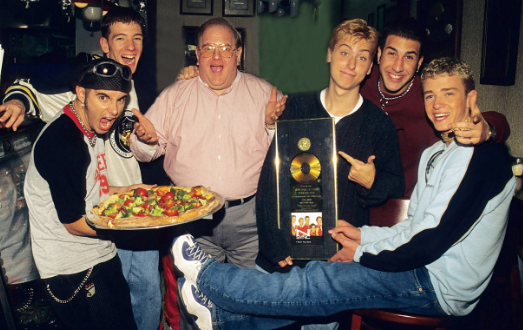
Similarly, the Mouseketeer pipeline produced both Britney Spears and Justin Timberlake from the same Disney assembly line. As a result, two children who had been performing since elementary school were thrust into a celebrity apparatus that would shape every aspect of their adult lives. Britney’s trajectory, from $300 million in career earnings to a 13-year conservatorship, became the most dramatic illustration of what happens when fame infrastructure outpaces human capacity to manage it.
The Mogul Response
Not everyone was consumed by the machine. Jay-Z watched the system closely and drew a fundamentally different conclusion. Rather than selling himself as a product, he built infrastructure. Roc-A-Fella Records wasn’t just a label. It was a prototype for the holding company model that would eventually make him hip-hop’s first billionaire, worth an estimated $2.5 billion by 2026. While other 90s artists were being exploited by their contracts, Jay-Z was studying the contracts themselves.
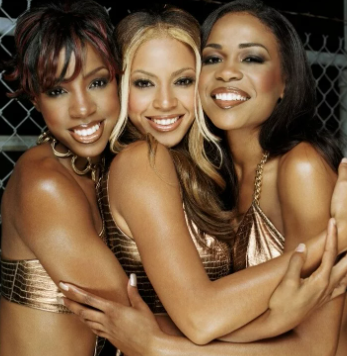
Furthermore, Beyoncé took notes from her father’s management style and eventually fired him, choosing control over comfort. Dr. Dre realized that hardware royalties dwarfed music royalties and built Beats Electronics into a $3 billion Apple acquisition. These were not accidents. They were strategic responses to a system that chewed up everyone who didn’t understand the game.
Fame as a Financial Instrument
The 90s also pioneered the concept of celebrity as a financial derivative. Jennifer Lopez didn’t just act and sing. She launched a fragrance empire that generated over $2 billion in cumulative retail sales. Gwen Stefani didn’t just front No Doubt. She created L.A.M.B., a fashion line that translated punk aesthetics into luxury price points. In essence, the performance became the advertisement for the real business.
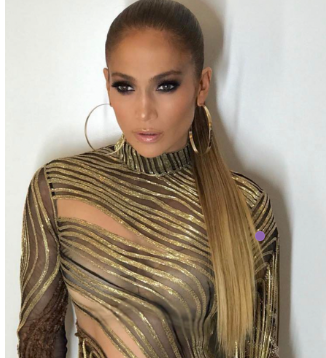
This model is now standard practice. Rihanna’s Fenty Beauty, launched in 2017, sold $72 million in its first month. Nevertheless, the blueprint was drawn in the 90s, when JLo Glow proved that a musician’s face on a bottle could generate more revenue than the music itself. The modern influencer economy, valued at over $21 billion according to McKinsey, is simply the 90s celebrity licensing model democratized.
The Human Cost Nobody Calculated
For every mogul who mastered the system, there were artists who were destroyed by it. TLC sold 65 million records and filed for bankruptcy. Alanis Morissette’s manager stole $5 million from her. Britney Spears earned over $300 million and emerged from her conservatorship with roughly $60 million. These weren’t isolated incidents. They were systemic outcomes of an industry that treated human beings as depreciating assets.
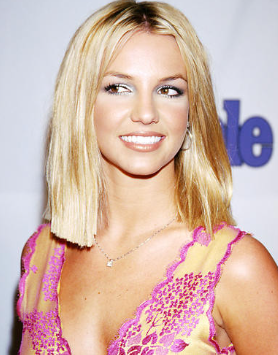
The conservatorship model that controlled Britney’s life for 13 years was, in financial terms, a hostile management structure. Court filings revealed that lawyers billed over $30 million in fees during the conservatorship period. Meanwhile, her father paid himself $16,000 per month plus a percentage of her deals. The machine consumed roughly $90 million to $140 million of her earnings during that period. Nobody who designed the 90s fame apparatus anticipated they were building a system that could legally trap a performer inside her own career.
The Uneven Aftermath
In contrast, the 90s also produced the template for celebrity self-determination. Jay-Z’s insistence on ownership, Beyoncé’s calculated independence, and Dr. Dre’s pivot to technology all demonstrated that fame could be channeled into lasting wealth. The gap between these outcomes, between the moguls who bought the machine and the artists who were ground up inside it, reveals the central lesson of 90s fame. Control was everything. Those who understood that early enough survived. Those who didn’t became cautionary tales.
What the 90s Teach Us About Modern Celebrity
Today’s celebrity economy operates on principles the 90s established. Streaming has replaced CD sales, but catalog ownership still determines who builds wealth and who merely earns income. Britney’s $200 million catalog sale to Primary Wave in February 2026 closed a financial loop that began when she was 16 years old. The catalog, not the performances, held the lasting value all along.
Additionally, the 90s proved that diversification separates wealthy celebrities from celebrity billionaires. Jay-Z’s portfolio spans spirits, streaming, sports management, venture capital, and real estate. His music became a loss leader for a holding company. That insight, that talent is a platform rather than a product, originated in the 90s. It simply took twenty years for the rest of the industry to catch up.
The Legacy That Keeps Compounding
The 90s invented modern fame by accident. Nobody sat down and designed a system that would produce billionaires and bankruptcies from the same raw material. Nevertheless, the decade created every structural element of today’s celebrity economy: the manufacturing pipeline, the licensing model, the brand extension playbook, and the exploitation machinery.
Understanding this history matters because the same dynamics are accelerating. Social media has compressed the fame cycle from years to weeks. AI is generating synthetic celebrities. Yet the fundamental question the 90s posed remains unanswered. When attention becomes the most valuable commodity on earth, who captures the value, and who gets captured by it?
Related Reading: 90s Music Icons Net Worth 2026: The Biggest Stars of the Decade | Britney vs. Beyoncé: Two Paths Through the Same Machine
Want to feature your brand alongside stories like this? Contact Social Life Magazine about partnership opportunities. Join us at Polo Hamptons this summer. Subscribe to the print edition or join our email list for exclusive content. Support independent luxury journalism with a $5 contribution.
Author

Written by
Recent Posts
A Friendship with Purpose: From Palm Beach to Versailles
How Singing and Balance Work Together for Better Performance
How Partner 309 Visas Support Couples Living Apart Temporarily
How to Plan a Weekend Escape into Forests, Rivers, and Mountain Lakes
Money Buys the House. It Can’t Buy the Table: Hamptons Status Anxiety and the New Rich