

The Stats That Win Every Dinner Table
Everyone has opinions about 90s music. However, very few people have the numbers that make those opinions dangerous. These ten facts about the decade that invented modern celebrity will transform you from someone who remembers the songs into someone who understands the machinery behind them. Drop any one of these at dinner and watch the table lean in.
1. TLC Sold 65 Million Records and Still Went Bankrupt

The best-selling American girl group of all time filed for Chapter 11 bankruptcy in 2002. At the peak of their fame. While their album “CrazySexyCool” was still generating royalties. Their contract with LaFace Records paid them so little per unit that massive commercial success couldn’t overcome the structural economics of their deal. Lisa “Left Eye” Lopes estimated the group earned approximately $50,000 each from an album that sold over 23 million copies. That’s roughly $0.002 per record sold, per member. The next time someone tells you record deals are fair, share this math. Read more on TLC Net Worth article.
2. Mariah Carey’s Christmas Song Earns More Than Your Portfolio

“All I Want for Christmas Is You” generates an estimated $3 million per year in royalties. Every year. Since 1994. That’s over $90 million from a single song, with no signs of slowing down. In financial terms, it’s a perpetual annuity with built-in inflation protection, since streaming royalties scale with subscriber growth. Furthermore, the song hit number one on the Billboard Hot 100 for the first time in 2019, twenty-five years after its release. There is no investment product on earth with that return profile. Read our Mariah Carey Net Worth Article
3. Jay-Z Turned a $2 Million Uber Bet Into $70 Million
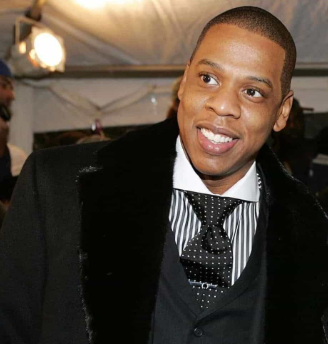
When Uber was still a black-car service, Jay-Z wired $2 million to invest. He tried to send an additional $3 million, but Travis Kalanick returned the funds because he wanted to keep the equity. By Uber’s 2019 IPO, Jay-Z’s stake was worth approximately $70 million, according to Billboard. That 35x return would make any venture capitalist envious. The lesson: the rapper saw how wealthy people actually moved through cities before Silicon Valley understood the market. Read our Jay-Z Net Worth article.
4. Britney Earned $300 Million and Had a $2,000 Weekly Allowance
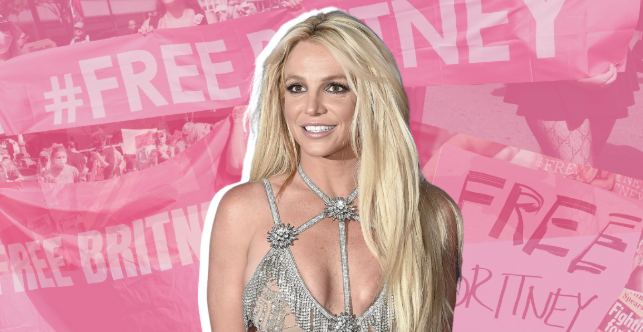
During her 13-year conservatorship, Britney Spears generated an estimated $150 million to $200 million in earnings. Her total career earnings exceeded $300 million. Nevertheless, court documents revealed she was given a $2,000-per-week allowance. Her court-appointed attorney was paid $520,000 annually, meaning the lawyer representing her interests earned more per year than Britney was allowed to spend on herself. She sold her catalog for $200 million in February 2026, but the math of those lost years remains staggering. Read our Britney Spears Net Worth article.
5. Lou Pearlman Took More From Boy Bands Than Any Manager in History
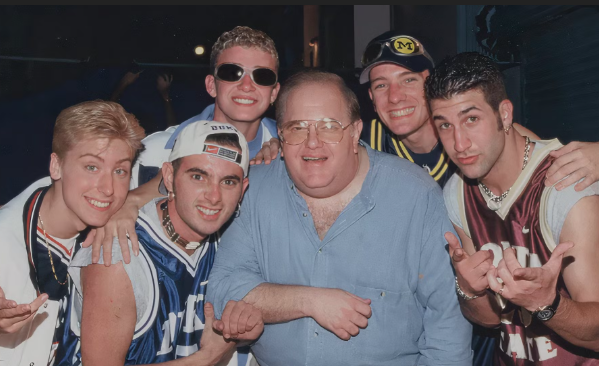
Lou Pearlman managed both the Backstreet Boys and NSYNC simultaneously. The two groups generated over $2 billion in combined revenue during the 90s. Pearlman’s contract entitled him to a “sixth member” share of all earnings, meaning he was paid as if he were a performing member of each group. Additionally, he owned the groups’ names, images, and likenesses. He was later convicted of running a $300 million Ponzi scheme entirely separate from his music industry activities. The man who manufactured the biggest acts of the decade was, simultaneously, running one of the largest financial frauds in American history. Read more on The Boy Band Economy: NSYNC, BSB, and the $2B Machine Nobody Owned
6. Dr. Dre Made More From Headphones Than From Music
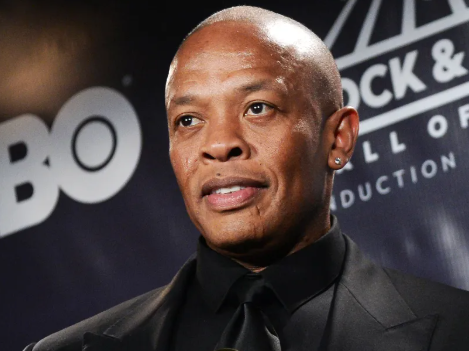
In 2014, Apple acquired Beats Electronics for $3 billion. Dr. Dre, who co-founded the company with Jimmy Iovine, netted an estimated $750 million from the deal. His entire music catalog, including “The Chronic” and “2001,” has generated a fraction of that amount. The producer who changed hip-hop realized that hardware margins dwarf royalty payments. Today, his net worth sits at approximately $500 million after divorce settlements and taxes, but the Beats lesson stands. The product, not the art, built the fortune. Read more on our Dr. Dre Net Worth article.
7. Napster Had 80 Million Users Before Anyone Figured Out a Business Model
In 1999, a college student named Shawn Fanning launched Napster. Within a year, 80 million registered users were sharing music files for free. U.S. recorded music revenues fell from $14.5 billion in 1999 to $7.7 billion by 2009. The industry’s entire revenue model collapsed because a teenager in a dorm room built a better distribution system than every record label combined. Streaming eventually saved the business, but the 90s copyright wars cost the industry billions in the transition. Read more on How 90s Copyright Wars Made Fortunes.
8. The Spice Girls Had Zero Instruments and Built a $540 Million Empire

None of the five Spice Girls played instruments. Their auditions specifically sought performers, not musicians. Nevertheless, they became the highest-grossing girl group in history. Victoria Beckham alone is now worth approximately $450 million, more than the other four members combined. The Spice Girls proved that brand architecture could generate more value than musical talent. The modern influencer economy owes them an enormous, largely unacknowledged debt. See our Spice Girls Net Worth article.
9. Tupac Is More Profitable Dead Than He Ever Was Alive
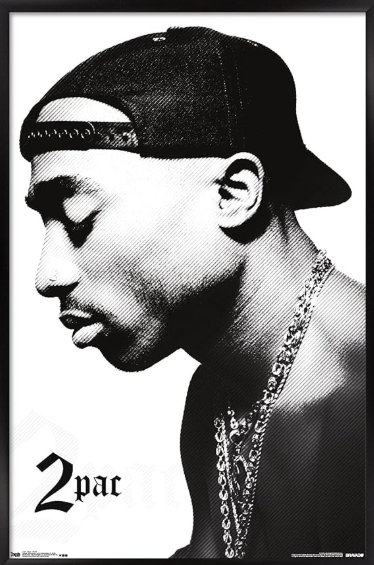
Tupac Shakur died in 1996 with an estimated $200,000 in assets. His estate is now valued at over $40 million. Since his death, seven posthumous albums have been released. His likeness has been licensed for merchandise, a hologram concert appearance, and multiple film projects. The economics of a deceased icon’s estate, where costs are minimal and revenue streams compound without the overhead of an active career, create a paradox that makes financial advisors uncomfortable. Death, in the celebrity economy, can be the most profitable career move. Read more on our: Tupac Shakur Net Worth article.
The 90s Music Industry Revenue Has Never Been Matched
Global recorded music revenues peaked at nearly $40 billion in the late 1990s, according to industry data compiled by McKinsey. Despite the streaming revolution, the industry only recently recovered to approximately $28 billion. The 90s were the most profitable decade in music history, and the artists who navigated it successfully, Jay-Z, Beyoncé, Dre, built fortunes that continue compounding. Those who didn’t understand the economics, TLC, Britney, Alanis, paid the price with their own money.

Related Reading: 90s Music Icons Net Worth 2026: The Biggest Stars of the Decade | The 90s Invented Modern Fame. Nobody Was Prepared.
Want to feature your brand alongside stories like this? Contact Social Life Magazine about partnership opportunities. Join us at Polo Hamptons this summer. Subscribe to the print edition or join our email list for exclusive content. Support independent luxury journalism with a $5 contribution.
Author

Written by
Recent Posts
Inside Out 2, Wicked, and the Emotional Blockbuster That Ate 2024
7 Mindful Meal Prep Tips for Stop Food Waste Day

Rebecca Ferguson Net Worth: The Advantage of Not Being the Lead
What Makes a Dinner Party Truly Unforgettable (Hint: It’s Not the Food)
Tips for Managing Grease and Oil in Everyday Dishwashing
Categories
- Art
- Articles
- Beauty & Skincare
- Celebrities
- Celebrities|Entertainment
- Celebrities|Television
- Celebrities|The Chronicles
- celebrities|the-archive
- Chronicles
- Entertainment|Culture
- Event Photos
- Events
- Fashion
- Fashion & Style
- Featured
- Food & Beverage
- Food, Spirits, Wine
- Hamptons
- Hamptons Celebrities
- Hamptons Celebrities|Celebrities|The Chronicles
- Health
- Health & Beauty
- Lifestyle
- Luxury Lifestyle
- Movies
- Press
- Profiles
- Real Estate
- Technology
- The Chronicles
- Travel
- Uncategorized
- Weddings