
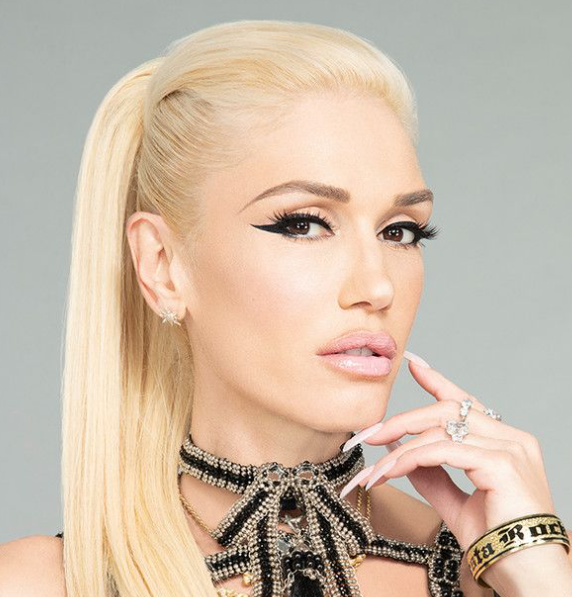
The Reinvention Artists: 90s Stars With Four Careers
The 90s music industry had a simple promise: get famous, stay famous, collect checks. Most artists believed it. The smart ones didn’t. While the decade minted superstars at industrial speed, only a handful understood that fame has a shelf life shorter than a carton of milk. The ones sitting on nine-figure fortunes today aren’t the most talented artists from that era. They’re the ones who treated every career chapter like a startup and every setback like a pivot.
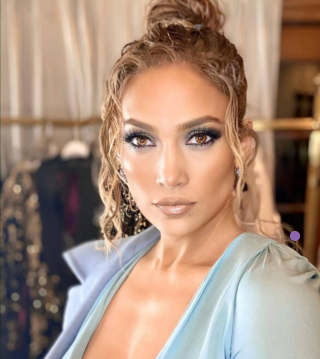
Jennifer Lopez went from backup dancer to the highest-paid Latina actress in Hollywood history to fragrance mogul to reality TV coach to Las Vegas headliner. Will Smith nearly went bankrupt before landing a sitcom that saved him financially, then built a $350 million empire that spans film, music, production, and social media. Justin Timberlake walked away from the biggest boy band on the planet to become a solo icon, actor, and tech investor. Gwen Stefani turned a ska band into a fashion house, a pop career, a television platform, and a $19 million Vegas residency.
The Reinvention Playbook Nobody Teaches
According to McKinsey research on career transitions, the most successful professionals don’t simply change jobs. They transfer “adjacency skills” into new domains, leveraging credibility from one field to gain access to another. That’s exactly what these four 90s icons did, years before any consulting firm put a name on the strategy.
Lopez didn’t just become an actress. She used her Fly Girl visibility to get auditions. She used her Selena credibility to launch a music career. She used her music celebrity to build a $2 billion fragrance empire. Each career funded the next. Each audience stacked on top of the last. By 2026, her estimated net worth sits at $400 million because she never let one revenue stream define her.
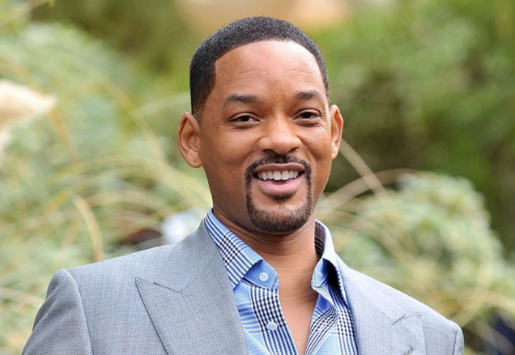
Smith ran the same play from a different angle. When the IRS took 70% of his Fresh Prince of Bel-Air paychecks for back taxes, he didn’t panic. He used the show to learn acting craft, then pivoted into blockbuster films where he commanded $20 to $40 million per role. His films have grossed over $9.3 billion worldwide. After the 2022 Oscars incident slowed his Hollywood momentum, he pivoted again into social media, building one of the largest celebrity followings across TikTok, YouTube, and Instagram.
Why the Second Act Matters More Than the First
Timberlake understood something his NSYNC bandmates didn’t: the boy band was a launchpad, not a destination. While the group sold over 50 million records worldwide, Timberlake was studying the moves of producers like The Neptunes and Timbaland. When NSYNC went on hiatus, he didn’t try to recreate the formula. He destroyed it. His debut solo album Justified sold seven million copies and announced a completely different artist. His catalog sale to Hipgnosis for an estimated $100 million proved the music itself had become an appreciating asset.
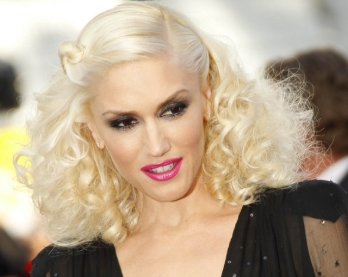
Stefani’s reinvention arc might be the most underrated of the four. No Doubt’s Tragic Kingdom sold 16 million copies, but by the early 2000s, the ska-punk sound was fading. Instead of chasing trends, Stefani launched L.A.M.B., a fashion line that blended Guatemalan, Japanese, and Jamaican design influences. She earned $13 million per season coaching The Voice. Her 2018 Las Vegas residency grossed $19.2 million. In 2026, No Doubt announced an 18-show residency at the Sphere, capitalizing on Tragic Kingdom’s 30th anniversary.
The Wealth Architecture of Reinvention
What separates these four from every other 90s star still playing nostalgia tours? Ownership. Lopez runs Nuyorican Productions, earning backend equity on every project she produces. Smith co-founded Westbrook Inc., a media company that produces content across film, digital, and streaming. Timberlake invested in MySpace, Tidal, and 901 Tequila. Stefani built L.A.M.B., GXVE Beauty, and a real estate portfolio worth over $50 million.
According to Harvard Business Review research on career longevity, professionals who diversify their skill portfolios early outperform specialists over 20-year periods. The 90s reinvention artists proved this with their bank accounts. They didn’t just sing. They built companies. They didn’t just perform. They produced. They didn’t just earn. They owned.
Every article in this series profiles one of these four icons in depth. But the through-line is the same: the artists who got rich in the 90s made hits. The artists who stayed rich made businesses. The ones profiled here did both, multiple times, across multiple decades.
Reinvention and the Affluent Second Act
There’s a reason this story resonates with readers who have built, sold, or inherited significant wealth. The reinvention narrative isn’t just a celebrity arc. It’s the playbook for every business owner eyeing an exit, every heir building something of their own, every executive wondering what comes after the corner office. The 90s stars who thrived understood that your first fortune buys you freedom. Your second fortune buys you legacy.
Lopez is still closing deals at 56. Smith is still commanding eight-figure paydays. Timberlake’s catalog earns while he sleeps. Stefani is headlining the Sphere. The decade that built them didn’t define them. That’s the lesson worth more than any net worth figure.
Explore more from this series: Jennifer Lopez Net Worth 2026 | Will Smith Net Worth 2026
Want to feature your brand alongside stories like this? Contact Social Life Magazine about partnership opportunities. Join us at Polo Hamptons this summer. Subscribe to the print edition or join our email list for exclusive content. Support independent luxury journalism with a $5 contribution.
Author

Written by
Recent Posts
Unlocking the Berkshires
Dalia Forman Design
Alberto Luzzi
How to Pick a Homecoming Dress for Your Body Type and Feel Amazing in It
How to Prepare a Home for Sale When Major Repairs Are Not Affordable
Categories
- Art
- Articles
- Business of Luxury
- Celebrities
- Culture
- Entertainment
- Events
- Faces of Summer 2026
- Fashion
- Fashion & Style
- Featured
- Finance
- Food, Spirits, Wine
- Hamptons
- Hamptons Celebrities
- Health
- Health & Beauty
- Lifestyle
- Luxury Lifestyle
- Press
- Profiles
- Real Estate
- Technology
- The Chronicles
- Travel
- Uncategorized
- Weddings