
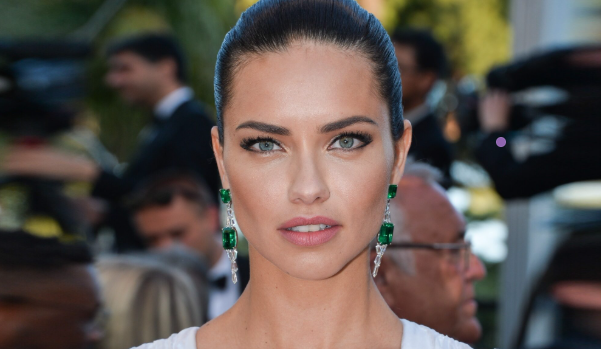
She walked her first Victoria’s Secret Fashion Show in 1999 at age eighteen. She walked her last in 2018 at thirty-seven. In between, Adriana Lima appeared in more VS shows than any model in history, collected an estimated $10 million in annual salary at her peak, and transformed what it meant to be a lingerie model. Nobody stayed longer. Nobody earned more.
Today, Adriana Lima’s net worth sits at approximately $95 million, making her one of the wealthiest Brazilian exports in fashion history. The fortune came primarily from a single relationship: nineteen years as a Victoria’s Secret Angel. But the story of how a girl from Salvador, Bahia, became the highest-paid lingerie model in the world begins long before the wings went on.
The Before: Salvador’s Next Chance
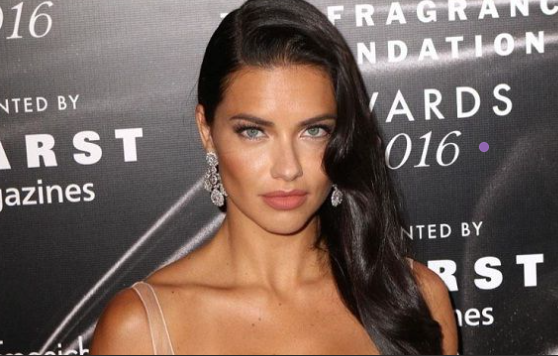
Adriana Lima grew up in Salvador, the capital of Bahia state, in a modest household with her mother. Her father left when she was six months old. The absence would shape her approach to everything: self-reliance wasn’t optional, it was survival. She learned early that nobody was coming to save her.
The Beauty Contest Strategy
Unlike many models discovered by chance, Lima pursued the industry deliberately. At age thirteen, she entered Ford’s “Supermodel of Brazil” competition, finishing first in Brazil and second globally. By fifteen, she had signed with Elite Model Management and began the methodical construction of a career.
The intentionality matters. Lima didn’t stumble into modeling hoping for luck. She competed, won, and leveraged each victory into the next opportunity. When she moved to New York at sixteen, she spoke minimal English but possessed something more valuable: certainty about what she wanted and willingness to work for it.
The Gatekeepers: The Victoria’s Secret Machine
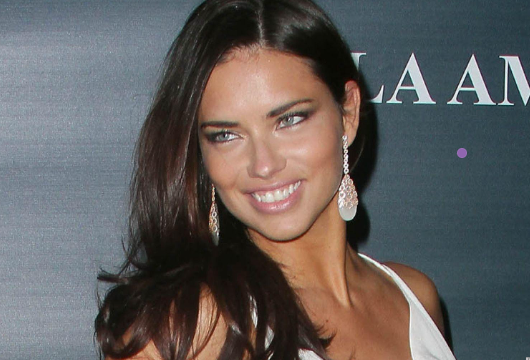
Lima walked her first major runway at New York Fashion Week in 1997. Editorial work followed quickly: Marie Claire, Vogue, Harper’s Bazaar. By any measure, she was succeeding. However, the Victoria’s Secret contract in 1999 changed her trajectory entirely.
The Angel Economics
Victoria’s Secret Angels occupied a unique position in modeling’s financial hierarchy. Unlike editorial models who traded prestige for modest fees, or commercial models who traded prestige for better money, Angels achieved both. The annual fashion show, broadcast to millions, provided exposure that editorial work couldn’t match. The brand contracts, running into eight figures, provided wealth that editorial work couldn’t touch.
Lima’s timing proved fortunate. Victoria’s Secret was ascending from underwear brand to cultural phenomenon. The fashion show became appointment television. The Angels became household names. And Lima, with her combination of Brazilian exoticism and approachable warmth, became the brand’s signature face.
The Transformation: Building the Angel Brand
Over nineteen years, Lima didn’t just appear in Victoria’s Secret campaigns. She defined them. Her training regimens, shared publicly, became content engines. Her pre-show workouts generated more press coverage than most models’ entire careers. She understood that Victoria’s Secret wasn’t just selling lingerie. It was selling aspiration.
The Content Machine
Lima pioneered what would later become standard influencer strategy: turning personal discipline into public spectacle. She discussed her workouts, her diet, her pre-show preparation. Fans followed along, buying into the Angel lifestyle even if they never purchased a bra. The approach created parasocial relationships that extended her commercial value beyond simple beauty.
When she wore the Fantasy Bra in 2008, worth $5 million, it wasn’t just a lingerie moment. It was the culmination of years building credibility within the VS ecosystem. Only the most valuable Angels received the Fantasy Bra. Lima received it, confirming her position atop the hierarchy.
The Parallel Deals
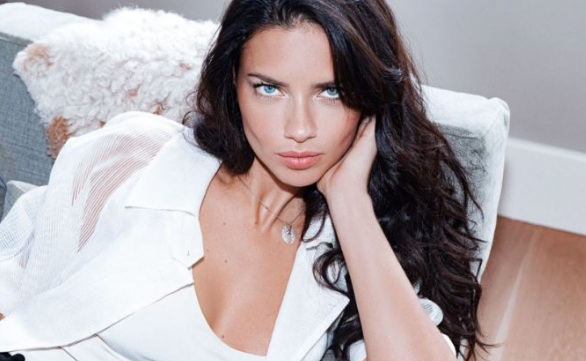
While Victoria’s Secret demanded exclusivity in lingerie, Lima built endorsement income in adjacent categories. Maybelline signed her as a spokesperson, reportedly paying $3 million annually. She appeared in campaigns for Desigual, Puma, and numerous other brands. Each deal compounded on VS exposure without competing with it.
The approach reflected careful brand management. Unlike models who diluted their image with excessive endorsements, Lima maintained selectivity. She partnered with premium brands that aligned with the Angel image. The result was a coherent public persona that justified premium rates.
The Empire Pivot: Beyond the Wings
Lima’s final Victoria’s Secret show in 2018 came with tears and a statement: “Dear Victoria, Thank you for showing me the world, sharing your secrets, and most importantly not just letting me but supporting me to be myself.” The words acknowledged what everyone understood: an era had ended.
The Post-Angel Strategy
Since leaving VS, Lima has diversified her income streams. She launched Airlima, a production company focused on content creation. She invested in health and wellness ventures, including partnerships with supplement brands. She continued selective modeling, walking for Versace and appearing in Vogue editorials.
The pivot reflects market reality. At forty-three, Lima can no longer command the rates she earned at peak Angel status. However, she possesses something younger models lack: institutional knowledge, industry relationships, and a name recognition that transcends fashion. These assets support business ventures even as modeling income declines.

The Hamptons Connection
Lima has maintained a lower Hamptons profile than some contemporaries, typically appearing at charity events and fashion functions rather than establishing permanent East End residence. Her primary bases remain New York City and Miami, where she’s raising children from her marriage to basketball player Marko Jarić and her relationship with film producer Andre Lemmers.
The Brazilian-to-Hamptons Pipeline
For Social Life readers, Lima represents a specific migration pattern: Brazilian models who achieve global success and integrate into American wealth circles. She follows Gisele Bündchen and Alessandra Ambrosio in demonstrating that Brazilian beauty translates into American fortune when combined with strategic positioning.
Her longevity also offers a template for sustained relevance. Nineteen years in a single brand relationship is unprecedented in modeling. It required constant adaptation, physical maintenance, and political navigation within a corporate environment. Lima managed all three while competitors cycled through.
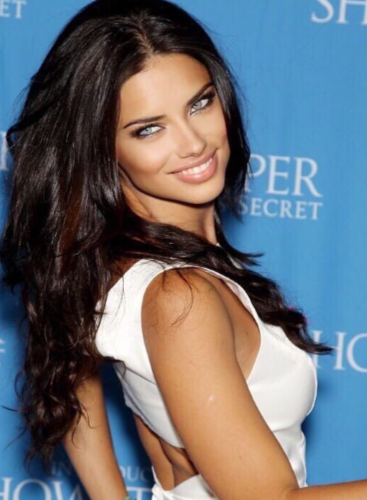
Adriana Lima Net Worth 2025: The Longest Tenure Dividend
At 43, Lima’s estimated $95 million net worth reflects nearly three decades of continuous earning at fashion’s highest levels. The majority accumulated during her Victoria’s Secret years, when annual income reportedly exceeded $10 million. Investment returns and subsequent ventures have maintained and modestly grown the principal.
The fortune positions her among the wealthiest models of her generation, trailing only the empire-builders who launched their own brands but significantly exceeding those who relied solely on modeling income. Her strategy of maximizing a single, lucrative relationship, rather than diversifying early, proved enormously successful.
That girl from Salvador who entered a modeling contest at thirteen had no way of knowing she would walk more Victoria’s Secret shows than anyone in history. She only knew that she needed to win, then needed to keep winning. For nineteen years, she did exactly that, turning discipline into fortune and tenure into legacy. The wings came off in 2018, but the wealth they generated remains.
Related Articles
- Alessandra Ambrosio Net Worth 2025: From VS Angel to Gal Floripa Founder
- Gisele Bündchen Net Worth 2025: The McDonald’s Discovery That Built a $400 Million Empire
- Tyra Banks Net Worth 2025: From Model to Media Mogul
For features, advertising, and partnership inquiries, visit sociallifemagazine.com/contact. Experience exclusive Hamptons events at polohamptons.com. Subscribe to our newsletter for insider access to supermodel wealth stories and luxury lifestyle coverage.
Author

Written by
Recent Posts

AI for personal finance: where PennyGuard fits
How to Pick a Homecoming Dress for Your Body Type (and Feel Amazing in It)

World Cup Injury Attorney for Vancouver Events
What a 3-Carat Engagement Ring Actually Costs in 2026: The Real Numbers
The Skincare Habits That Make a Real Difference Over Time
Categories
- Art
- Articles
- Business of Luxury
- Celebrities
- Culture
- Entertainment
- Events
- Faces of Summer 2026
- Fashion
- Fashion & Style
- Featured
- Finance
- Food, Spirits, Wine
- Hamptons
- Hamptons Celebrities
- Health
- Health & Beauty
- Lifestyle
- Luxury Lifestyle
- Press
- Profiles
- Real Estate
- Technology
- The Chronicles
- Travel
- Uncategorized
- Weddings