
The Man Who Made America Afraid of Superman
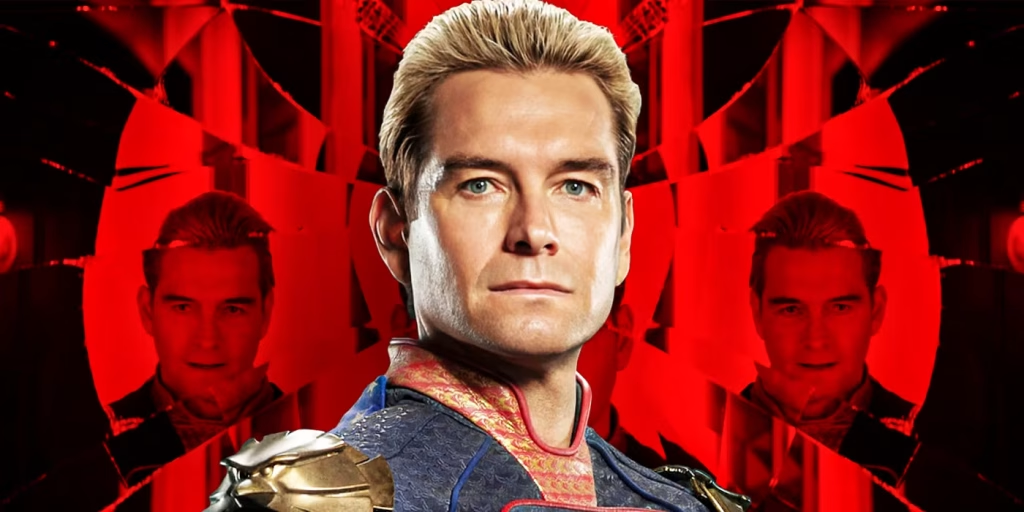
Antony Starr net worth sits at an estimated $5 million, which is roughly what Homelander spends on image consulting in a single Vought fiscal quarter. Yet the gap between the actor and the monster he plays is the entire story. Starr grew up in Wellington, New Zealand, pumped gas to pay his bills, and spent two decades grinding through roles that nobody outside the Southern Hemisphere ever saw. Then he put on a cape and became the most terrifying character in the streaming era.
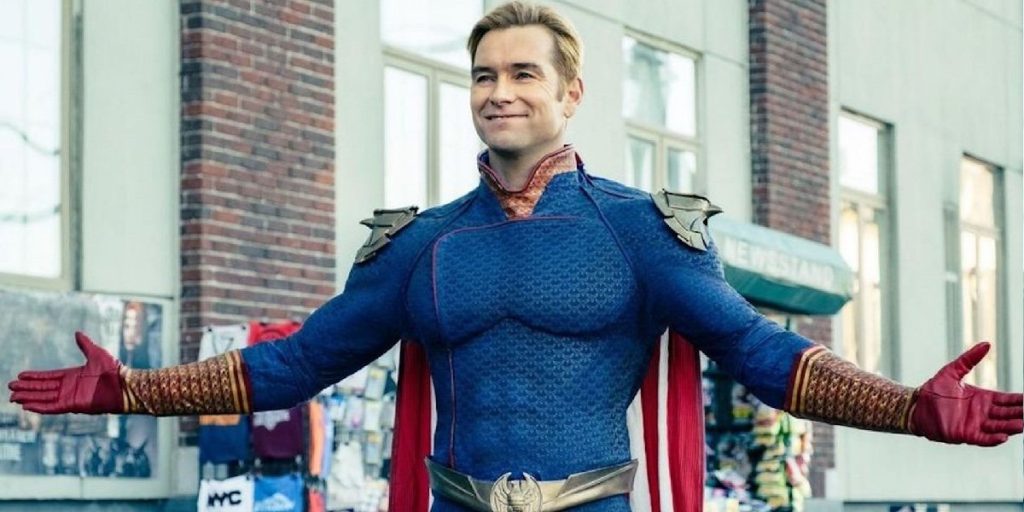
The reason Homelander works — the reason he keeps three million Reddit threads alive and makes grown adults physically uncomfortable watching a fictional superhero drink milk — is because Starr doesn’t play him as a villain. He plays him as a man who believes, with absolute cellular conviction, that he deserves everything he takes. For Social Life readers who’ve watched that archetype operate in boardrooms, at benefit galas, and across negotiating tables on Further Lane, the recognition is immediate. Homelander isn’t fiction. He’s a frequency.
Wellington to Warrior Princess
Starr was born October 25, 1975, in Wellington. He surfed and trained in karate. After that, he attended Rangitoto College and graduated in 1993 with no clear path to Hollywood and no particular reason to expect one. After all, New Zealand in the mid-nineties wasn’t producing global entertainment stars. It was producing rugby players and sheep farmers and, occasionally, a director named Peter Jackson.
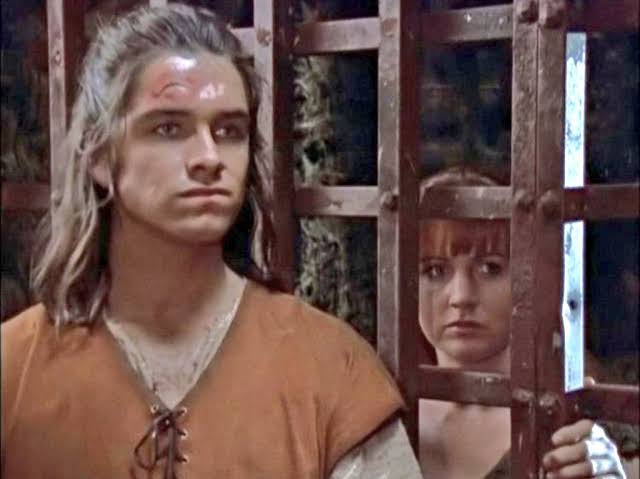
As it happened, his professional debut came in 1995 with a bit part on Xena: Warrior Princess. He appeared again the following year as a different character — the kind of recycled casting that tells you everything about the size of New Zealand’s talent pool and nothing about the actor’s ceiling. Meanwhile, Starr worked at a gas station. He was 20 years old and multilingual — English, Indonesian, Norwegian, and Spanish — which is the résumé of someone preparing for a life considerably larger than the one currently available to him.
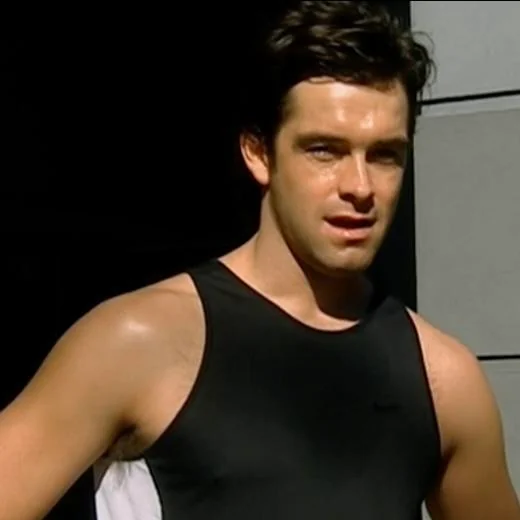
From 2000 to 2002, he played Stratford Wilson on Shortland Street, New Zealand’s longest-running soap opera. He hated the pace. He said so publicly. That kind of honesty — the willingness to name what isn’t working rather than perform gratitude for the opportunity — would become a defining characteristic. It also made him difficult to categorize, which in the entertainment industry is either a death sentence or a superpower. For Starr, it turned out to be the latter.
Antony Starr Net Worth Before Anyone Knew His Name
Still, the role that changed his career trajectory inside New Zealand was Outrageous Fortune, a family comedy-crime series that ran six seasons from 2005 to 2010. Starr played identical twins — Jethro and Van West — with enough tonal separation that audiences occasionally forgot it was one actor. He won the Air New Zealand Screen Award for Best Actor. Readers of the TV Guide voted him Best Actor in the People’s Choice Awards. Furthermore, at the 2005 Qantas Television Awards, he took home the same prize again.
Even so, none of this translated internationally. That’s the brutal math of working in a country with a population smaller than metropolitan Houston. Starr was arguably the most decorated television actor in New Zealand and completely invisible everywhere else. However, the work he did during this period — particularly the dual-role discipline of playing two psychologically distinct characters simultaneously — was building exactly the muscle he’d need for Homelander.
Then, in 2012, he starred in Wish You Were Here, an Australian thriller that earned him the AACTA Award for Best Supporting Actor. Consequently, the performance caught American attention for the first time. A year later, Cinemax cast him as Lucas Hood in Banshee — his first American role and the show that put him on the map for casting directors who would eventually hand him the keys to Vought Tower.
Banshee and the Education in Violence
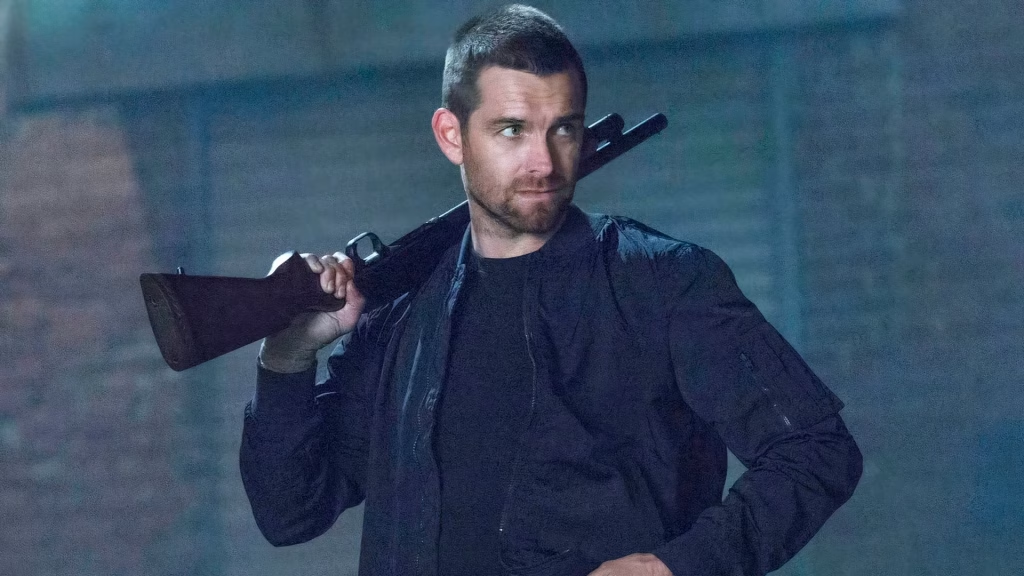
From there, Banshee ran four seasons from 2013 to 2016, and it was essentially a masterclass in controlled ferocity. Starr played an unnamed ex-convict who assumes the identity of a small-town sheriff after 15 years in prison. The show demanded physicality, psychological complexity, and the ability to make violence feel consequential rather than decorative. It developed a devoted cult following. Additionally, it gave Starr something no amount of awards in Wellington could provide: proof that American audiences would follow him into dark territory.
Additionally, the show also revealed something specific about Starr’s range. He could play a man capable of genuine tenderness and genuine brutality in the same scene without either register feeling performative. That duality — the ability to make an audience believe a character is both dangerous and wounded — is the exact skill set required to play Homelander without turning him into a cartoon.
After Banshee ended, Starr took the lead in CBS’s American Gothic in 2016. The show lasted one season. Then came the call that would rewrite the Antony Starr net worth conversation permanently. In January 2018, Amazon Studios announced his casting as Homelander in The Boys.
Homelander and the Psychology of Unchecked Power
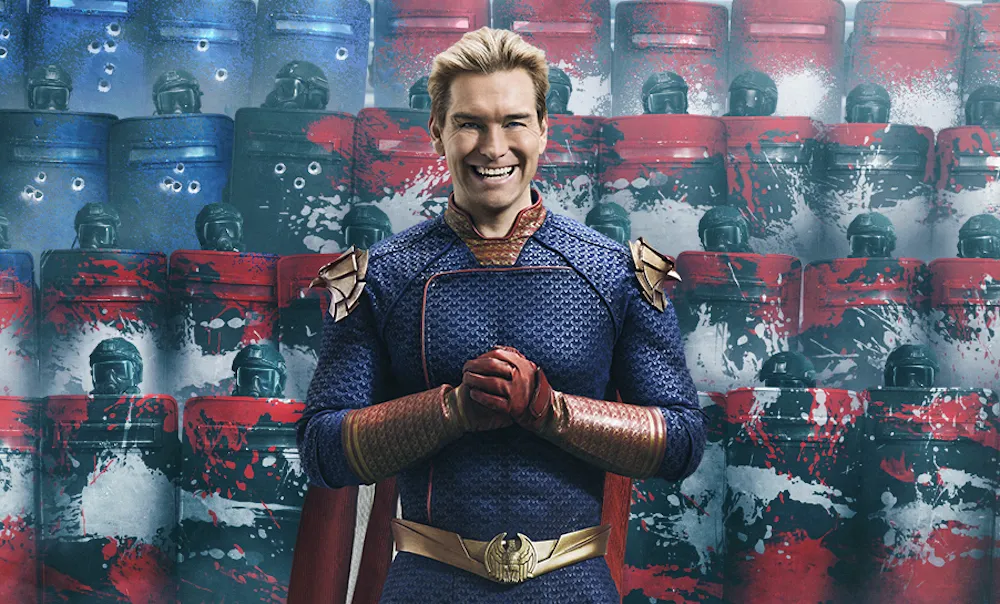
So here’s what makes the performance work at a level that transcends the genre: Starr plays Homelander as someone who was never loved. Not as someone who lost love. As someone who never received it in the first place. Raised in a laboratory by Vought scientists, tested and measured and commodified from birth, Homelander has no emotional baseline for human connection. He confuses worship with affection. He interprets obedience as loyalty. When those substitutes fail, he punishes.
Given that context, the characterization resonates because it describes a recognizable human pathology dressed in superhero clothing. Think of the narcissist who charms a room and terrorizes a family. Or the executive who demands loyalty while offering none. Consider the public figure whose speeches about freedom are actually about control. Notably, critics have observed how Homelander’s populist rallies in the show mirror real-world political rhetoric with uncomfortable precision.
For Hamptons readers specifically, the character hits a nerve that no other prestige drama villain quite reaches. Homelander doesn’t want money. He doesn’t want territory. He wants to be told he’s special — and he’ll destroy anything that threatens that narrative. The Boys became a mirror for the Hamptons elite precisely because the show understands that the most dangerous form of power isn’t financial. It’s psychological. It’s the person at the table who needs the room to need them.
The Man Behind the Mask
Beyond the screen, Starr keeps his personal life deliberately opaque. In September 2016, he filed for divorce from actress Emma Lahana in Los Angeles. Beyond that, his romantic life has remained private. He lives in the Sunset Square neighborhood of Hollywood, where he purchased a home for $2.2 million — a modest buy by industry standards that reflects the understated lifestyle multiple profiles have attributed to him.
However, in March 2022, Starr was arrested in Alicante, Spain, for assaulting a 21-year-old man at a local pub. He received a 12-month suspended prison sentence and paid approximately $5,500 in restitution. The incident generated tabloid coverage but did not affect his role on The Boys. It remains the only significant public controversy in a 30-year career.
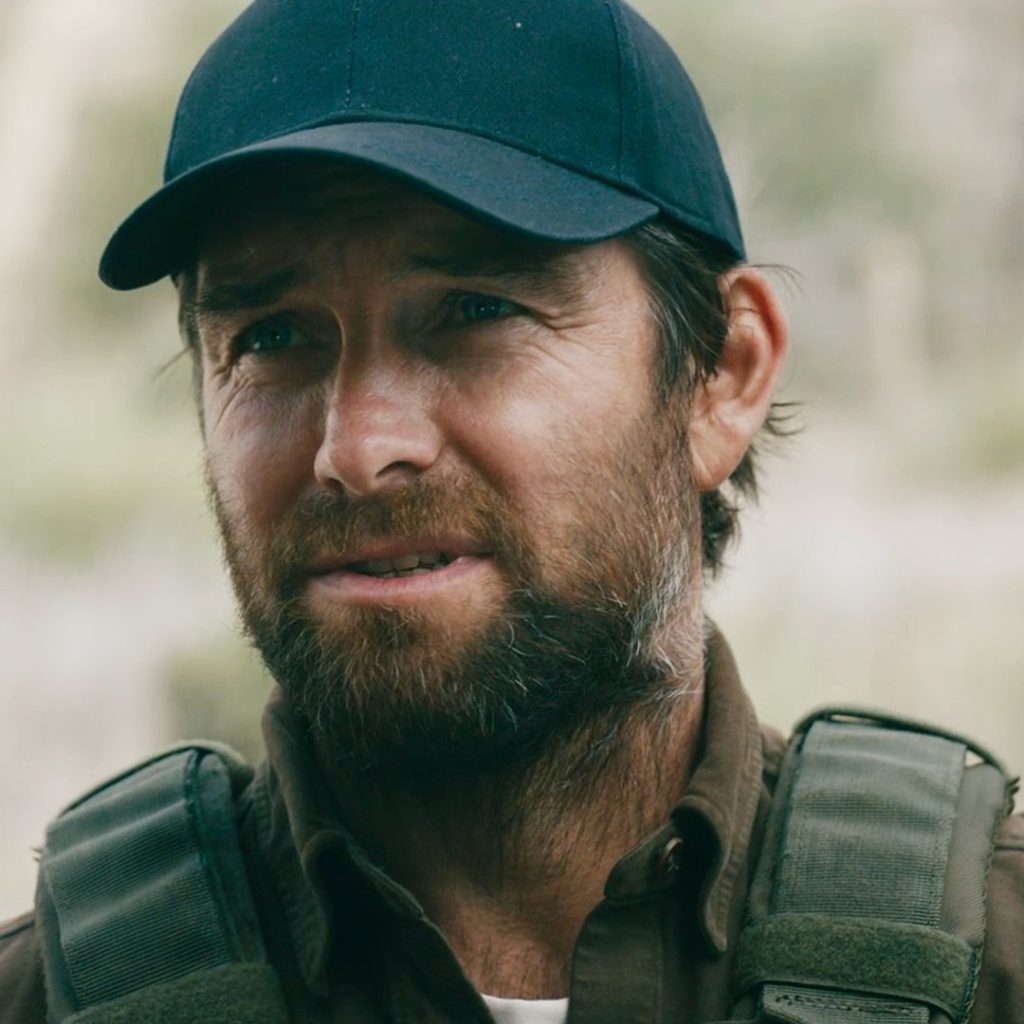
Beyond The Boys, Starr appeared in Guy Ritchie’s The Covenant alongside Jake Gyllenhaal in 2023, as well as the horror film Cobweb. Both roles demonstrated his ability to operate in supporting capacities without diminishing his presence. By contrast, many actors who become identified with a single iconic role struggle to recalibrate. Starr treats each project as a separate problem to solve rather than a brand to maintain.
What the Antony Starr Net Worth Figure Actually Represents
The $5 million Antony Starr net worth estimate reflects a career built almost entirely on acting income. Reports indicate he earns approximately $440,000 per season of The Boys — a figure that seems improbably modest for the actor playing the show’s central antagonist across five seasons. There are no major endorsement deals, no production company, no lifestyle brand. The money comes from the work.
Season 5 of The Boys premieres April 8 on Prime Video, with Homelander ruling under authoritarian control and pursuing immortality. The final season runs weekly through May 20. For an actor who spent 20 years invisible to the global audience, the role represents something more valuable than the paycheck — it’s the definitive villain performance of the streaming era, delivered by someone who trained for it in gas stations and soap operas and six-season New Zealand comedies that nobody outside Auckland ever watched.
Ultimately, the gap between Starr’s net worth and Homelander’s fictional billions is the quiet joke underneath the entire performance. The Antony Starr net worth story ends with an irony. The most convincing portrayal of unchecked power in modern television is delivered by a man who came from nowhere, expected nothing, and simply outworked everyone in the room. Karl Urban’s Billy Butcher exists to destroy what Starr’s Homelander built. The final season decides who wins. The audience already knows what it costs.
Experience the World That Social Life Magazine Covers
There’s a version of your life where you’re swimming in the culture and a version where you’re reading about it secondhand. Social Life Magazine exists for the first version. The stories we tell — from the Hamptons power players reshaping industries to the cultural moments that define how the elite actually live — aren’t available anywhere else. Because we don’t cover the surface. We cover the room behind the room.
If your brand, your business, or your personal story belongs in front of the audience that matters, reach out to our editorial team about being featured in Social Life Magazine. We place the people and brands that define luxury on the East End.
Want guaranteed placement on your terms? Submit a Paid Feature and secure your story in the publication that 82,000 readers trust for the definitive word on Hamptons culture.
Speaking of those 82,000 — our email list delivers exclusive content, event invitations, and insider access directly to the inboxes of the most influential people on the East End. Join the list and stop missing what matters.
Polo Hamptons returns this summer with the most exclusive luxury sporting event on the East End. Sponsorships, VIP cabanas, and brand activations that put you in front of a verified high-net-worth audience. Explore partnership opportunities at polohamptons.com.
Our print edition reaches 25,000 readers per issue across the Hamptons’ most exclusive boutiques, estates, and social venues from Memorial Day through Labor Day — plus 15,000 copies delivered to Upper East Side doorman buildings in fall and winter. Subscribe to the print edition and hold the magazine that holds the culture.
If this publication adds value to your life, consider a small contribution to support independent luxury journalism. Donate $5 and help us keep doing what nobody else will.
Related Reading
Author

Written by
Recent Posts
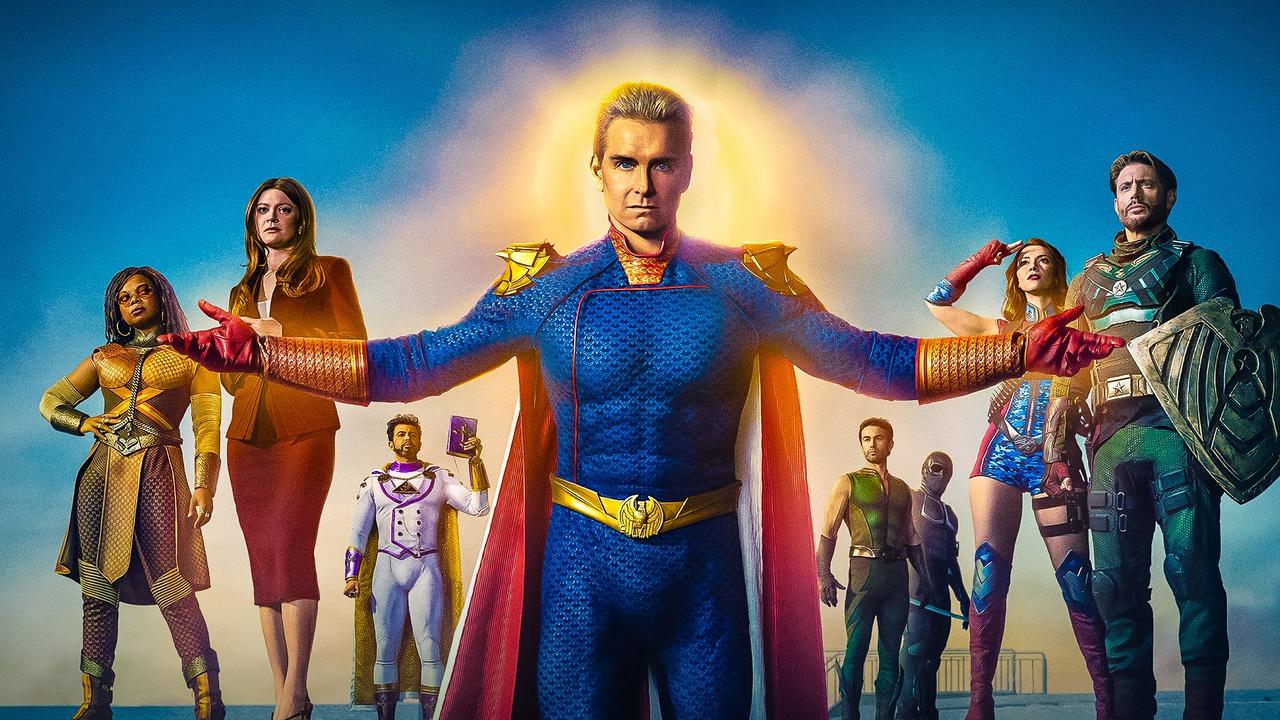
How The Boys Predicted American Politics and Culture Wars
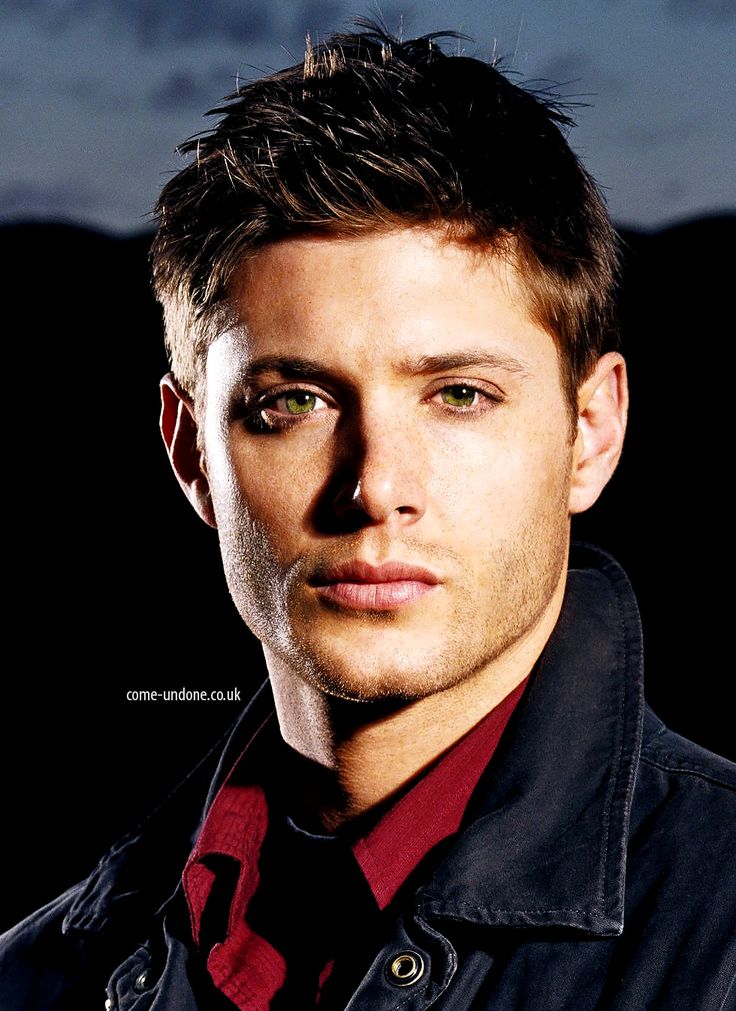
Jensen Ackles Net Worth: Soldier Boy and the Supes Pipeline
Jack Quaid Net Worth: Hollywood Royalty Playing Normal
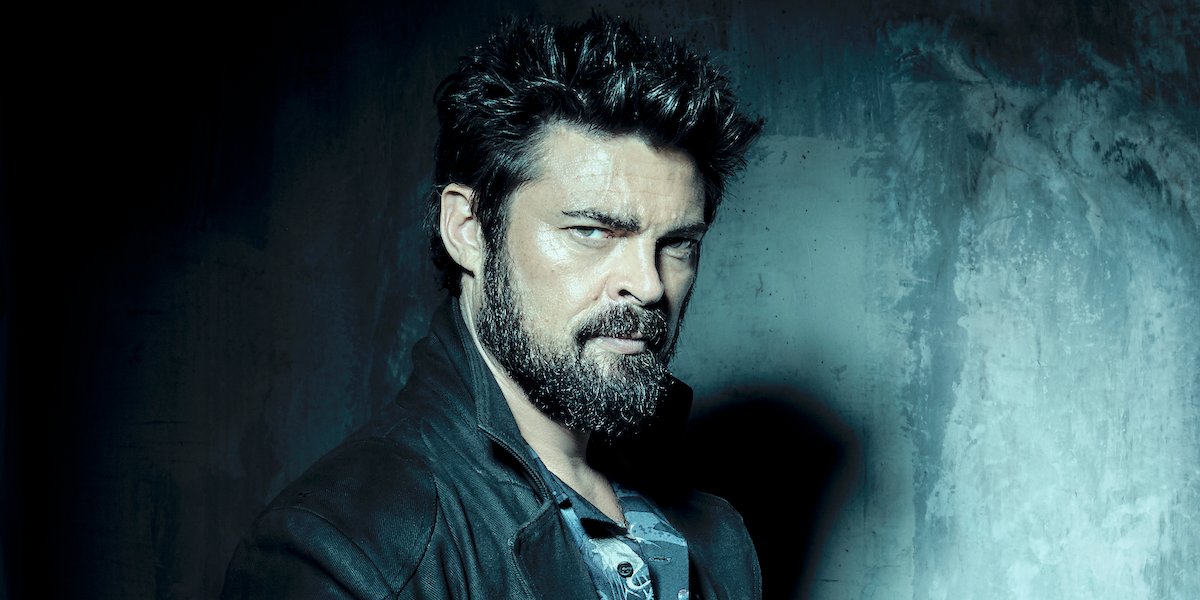
Karl Urban Net Worth: The Anti-Hero Who Burns It All Down
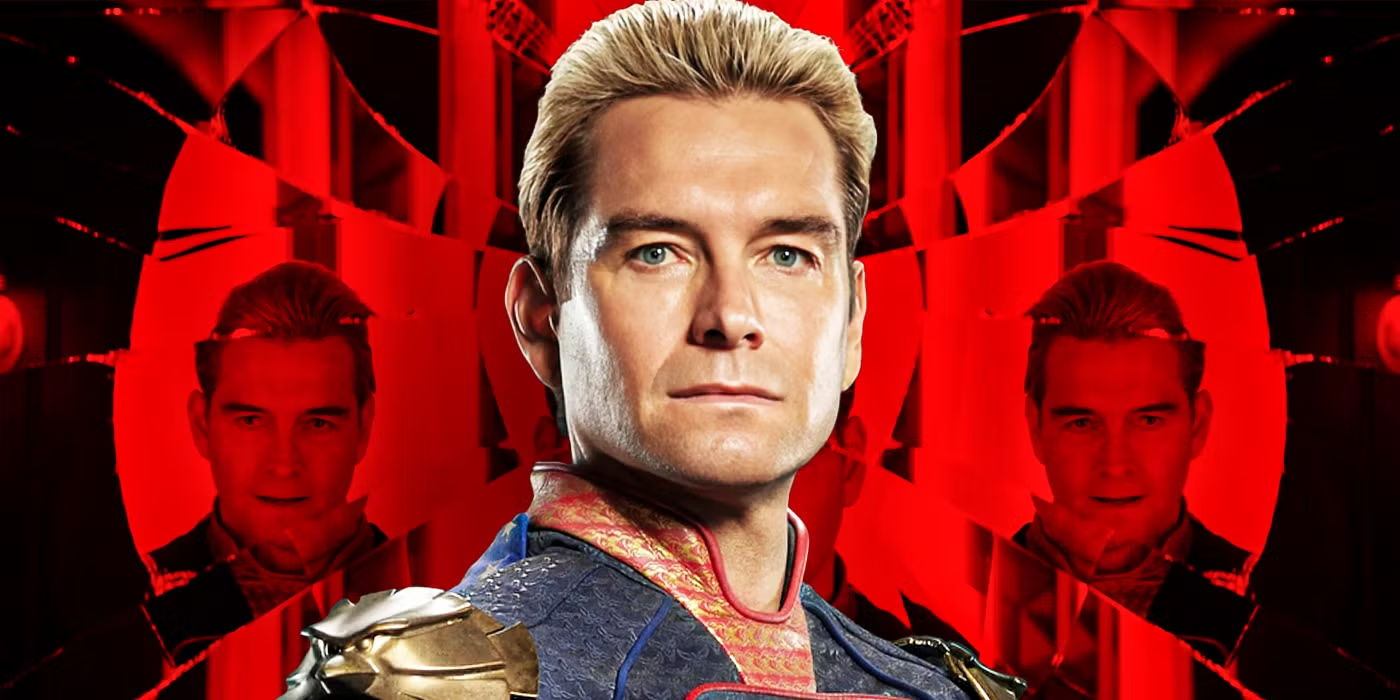
Antony Starr Net Worth: The Villain Everyone Loves to Hate
Categories
- Art
- Articles
- Beauty & Skincare
- Celebrities
- Celebrities|The Chronicles
- Chronicles
- Entertainment|Culture
- Event Photos
- Events
- Fashion
- Fashion & Style
- Featured
- Food & Beverage
- Food, Spirits, Wine
- Hamptons
- Hamptons Celebrities
- Hamptons Celebrities|Celebrities|The Chronicles
- Health
- Health & Beauty
- Lifestyle
- Luxury Lifestyle
- Press
- Profiles
- Real Estate
- Technology
- The Chronicles
- Travel
- Uncategorized
- Weddings