

The envelope arrived at her agency in the summer of 1974. Inside was a single contact sheet. Twelve frames of Beverly Johnson photographed by Francesco Scavullo. Above them, handwritten in red ink: “August cover.”
In eighty years, American Vogue had never put a Black woman on its cover. The fashion industry had created elaborate justifications for this exclusion. Advertisers wouldn’t accept it. Readers would cancel subscriptions. The market demanded certain aesthetics.
Those justifications became irrelevant on August 1, 1974. Beverly Johnson’s cover sold out. And the beauty industry was forced to acknowledge that its “market research” had been mythology dressed as data.
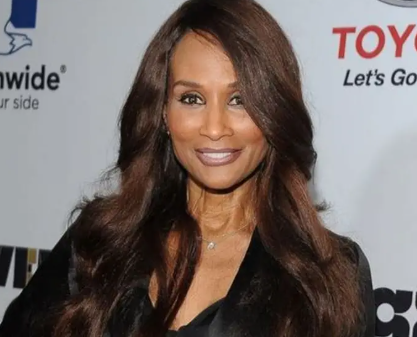
The Myth vs. The Reality
The story culture tells about Beverly Johnson focuses on that single cover. First. Historic. Groundbreaking. Then the narrative usually skips to contemporary mentions: Bill Cosby accusations, reality television appearances, occasional retrospective interviews.
What gets lost is fifty years of consistent reinvention. While her peers retired or faded, Johnson built businesses, wrote books, launched product lines, and remained culturally relevant across five decades. Her current net worth of approximately $5 million represents just the latest chapter of an ongoing enterprise.
Before the Cover
Born in Buffalo, New York in 1952, Johnson was swimming competitively before she was modeling. She nearly qualified for the 1968 Olympics in the 100-yard freestyle. She enrolled at Northeastern University on an academic scholarship to study criminal justice, planning to become a lawyer.
A modeling job during a school break interrupted those plans. The agencies saw what she hadn’t considered a career path. Within three years, she was commanding rates that rivaled any model in the industry. Within four, she was making history.

The Leverage Moment
That Vogue cover created options no Black model had possessed before. Johnson didn’t just break a barrier. She established a new category of fashion celebrity. Suddenly, advertisers who had claimed diversity was uncommercial were fighting to book her.
The year following the cover, she appeared on the front of French Elle, another first. More than 500 magazine covers would follow over her career. But Johnson understood something crucial: covers were currency, not wealth. She needed to convert visibility into ownership.
The Business Moves
In the 1990s, while peers were fading into nostalgia appearances, Johnson partnered with Sears to launch an eyewear line. The deal taught her licensing fundamentals. Then came a collaboration with wigmaker Amekor Industries to create products specifically for Black women.
By 2012, she had established Beverly Johnson Enterprises and launched the Beverly Johnson Luxurious Lifestyle Brand. Hair care, skin care, accessories. Products distributed through Target stores and the Home Shopping Network. Direct-to-consumer channels that bypassed the gatekeepers who had once questioned her marketability.
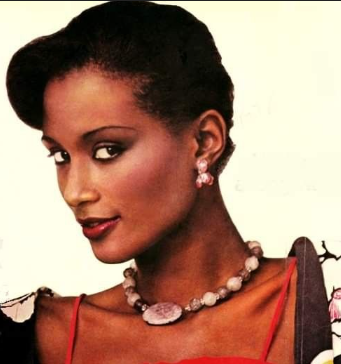
The Compounding of Cultural Capital
Johnson’s influence extends beyond product sales. The New York Times named her one of the 20th century’s most influential people in fashion. Oprah Winfrey included her among the “25 Top Legends” at her 2006 Legends Ball. In 2022, she received the Model Pioneer Award at the Women’s Entrepreneurship Day Summit at the United Nations.
These aren’t just honors. They’re positioning assets. Each recognition reinforces her authority, which creates speaking opportunities, consulting fees, and premium pricing for her branded products.
The Transparency Advantage
In 2014, Johnson publicly accused Bill Cosby of drugging her during a meeting at his Manhattan residence in the 1980s. The revelation, published in Vanity Fair, preceded the broader reckoning with Cosby’s behavior. Johnson’s willingness to speak created credibility that pure celebrity couldn’t match.
She continued that transparency in her 2015 memoir, “The Face That Changed It All.” The book detailed her struggles with eating disorders, the pressures of maintaining impossible beauty standards, and the business realities behind the glamour. It became a New York Times bestseller.
The Legacy Architecture
At 72, Johnson maintains an active public presence. In 2024, she launched “Beverly Johnson: In Vogue,” a one-woman off-Broadway show chronicling her career. The production transforms biography into performance, creating new revenue streams from old stories.
Her marriage to Brian Maillian, CEO of Whitestone Global Partners, in 2023 adds another dimension. The financier’s expertise complements her brand-building instincts. Together, they’re positioning Beverly Johnson Enterprises for its next phase.
What the $5 Million Misses
Raw net worth calculations understate Johnson’s actual position. Her cultural influence opens doors that pure wealth cannot. That platform reaches audiences luxury brands desperately want, and her story resonates across generations in ways that translate to commercial value.
The woman who couldn’t get on a magazine cover in 1973 now decides which emerging designers get her endorsement. That inversion of power doesn’t appear on balance sheets, but it determines outcomes.
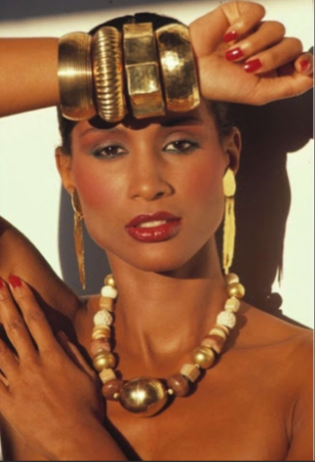
The Hamptons Connection
Johnson maintains a residence near Palm Springs, but her career trajectory intersects constantly with the Hamptons social scene. Fashion industry events, benefit galas, and media appearances keep her connected to the East End ecosystem where tastemakers gather.
For Social Life readers who understand the codes, Johnson represents something specific: legacy that compounds. The barriers she broke fifty years ago created pathways that models of color still walk today. That influence is her most valuable asset, and it appreciates annually.
The Investment Philosophy
Johnson’s approach to wealth-building offers clear patterns:
Convert firsts into futures. The Vogue cover was a moment. The licensing deals, product lines, and speaking fees are the annuity that moment created.
Own the narrative. Her memoir, her one-woman show, her media appearances all reinforce her control of her own story. She doesn’t wait for retrospectives. She creates them.
Address underserved markets. Like Iman with cosmetics, Johnson built businesses serving customers the mainstream industry ignored.
Stay visible strategically. Each public appearance is calculated. Each interview advances specific positioning. Nothing is casual.
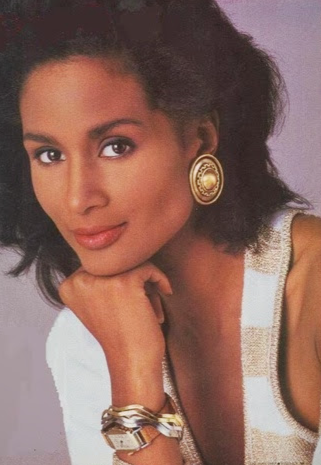
The Unfinished Story
Most models’ careers have clear endings. Johnson’s doesn’t. At 72, she’s still building, still creating, still finding new applications for a half-century of accumulated influence.
Her $5 million net worth is a snapshot, not a conclusion. The woman who changed what beauty looked like is still demonstrating what reinvention looks like. For entrepreneurs in any industry, that’s the more valuable lesson.
The envelope that arrived in 1974 contained a magazine cover. What Johnson built from that single opportunity contains multitudes.
Related Articles
- Iman Net Worth 2025: The Dignity Investor’s $200 Million Empire
- Naomi Campbell Net Worth 2025: The Gatekeeper’s Playbook
- Tyra Banks Net Worth 2025: From Runway to Media Empire
For features, advertising, and partnership inquiries, visit sociallifemagazine.com/contact. For exclusive events, see polohamptons.com. Join our email list for weekly insider updates.
Author

Written by
Recent Posts

How to Choose Useful Tech Gifts for Employees and Clients in 2026
The Garage Question: Which Car Goes South for the Season?
VandS Clinic Review Treatment: How Seoul Injectable and Laser Options Compare for US Patients
Before Buying a View Home: What a Sloped Lot Means for the Purchase

Powerful Strategies to Stay Ahead in a Fast-Moving Real Estate Market
Categories
- Art
- Articles
- Business of Luxury
- Celebrities
- Culture
- Entertainment
- Events
- Faces of Summer 2026
- Fashion
- Fashion & Style
- Featured
- Finance
- Food, Spirits, Wine
- Hamptons
- Hamptons Celebrities
- Health
- Health & Beauty
- Lifestyle
- Luxury Lifestyle
- Press
- Profiles
- Real Estate
- Technology
- The Chronicles
- Travel
- Uncategorized
- Weddings