
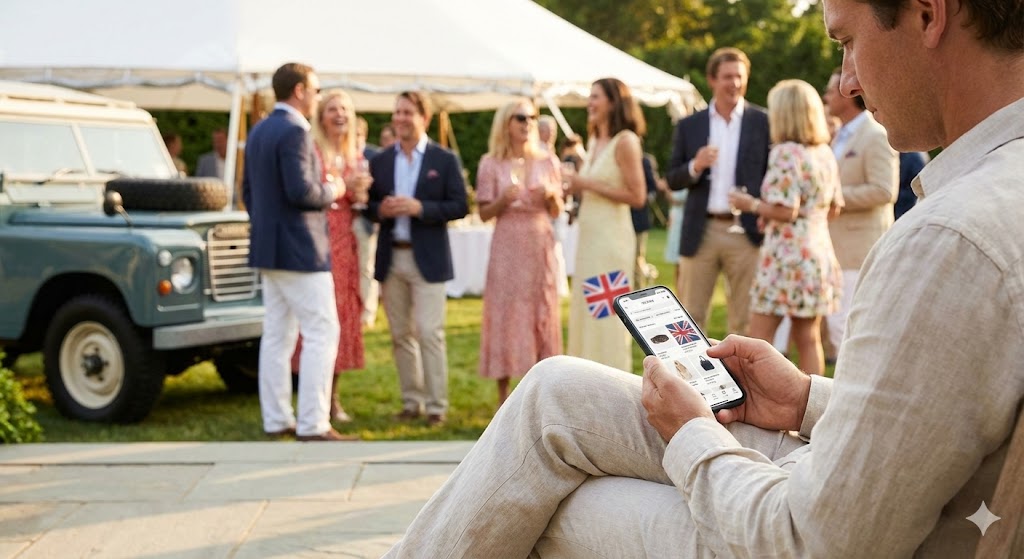
The CEO of a 200-year-old British fashion house stood in a Southampton living room last July. His company had spent £2 million on US digital marketing that year. Not a single person in the room had heard of his brand. Meanwhile, a smaller London label with a fraction of his budget had already dressed three women at the party. The difference wasn’t product quality or price point. It was presence.
British brands entering the Hamptons market face a peculiar challenge. Digital availability means nothing without cultural desirability. Moreover, the American luxury consumer operates on signals that algorithms cannot decode. Understanding this gap separates brands that merely list from brands that actually sell.
The Marketplace Paradox for British Brands in the Hamptons
British fashion groups have flooded US online marketplaces throughout 2025. According to Bain & Company’s Global Luxury Report, cross-border digital luxury sales grew 23% last year. The numbers suggest opportunity. However, the reality on the ground tells a different story.
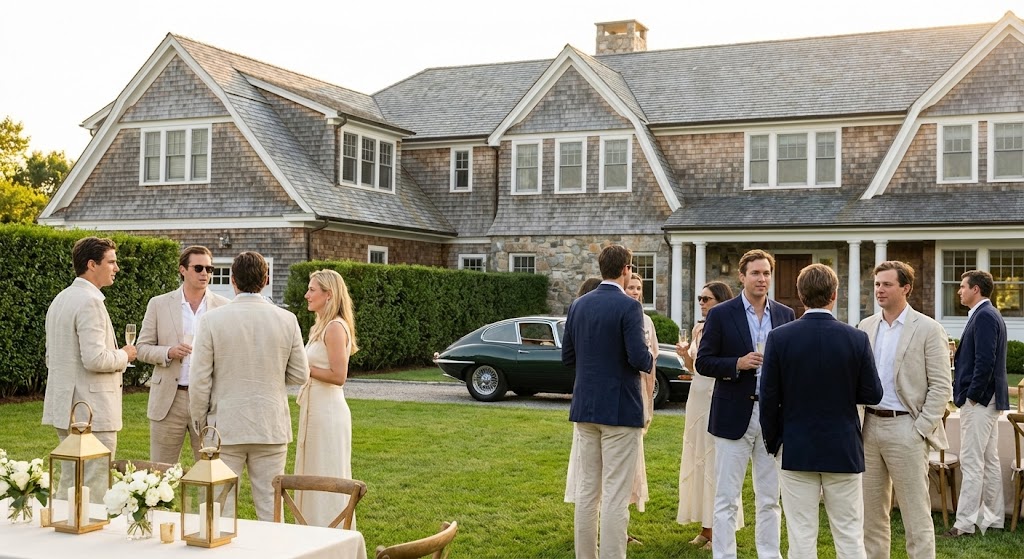
Macy’s, Bloomingdale’s, and Nordstrom now host dozens of British labels online. Together, these platforms attract over 350 million monthly shoppers. Yet visibility does not equal conversion. Furthermore, conversion does not equal brand building. A customer who buys a Karen Millen dress on Nordstrom.com may never associate that purchase with British heritage at all.
Discovery Without Desire
The fundamental problem is discovery architecture. Marketplace algorithms optimize for purchase intent, not brand storytelling. Consequently, a 200-year provenance becomes invisible metadata. The British label appears alongside hundreds of competitors, stripped of context and history.
American luxury consumers still crave narrative. They want to know who wears a brand before they wear it themselves. In fact, McKinsey’s State of Fashion report found that 67% of high-net-worth consumers cite “brand story” as a primary purchase driver. Digital listings rarely communicate story. They communicate price and availability.
The Hamptons Test Market
For British brands, the Hamptons represents something marketplace metrics cannot capture. This ten-mile stretch of Long Island concentrates more discretionary wealth per square foot than almost anywhere in America. Additionally, the social dynamics here influence purchasing decisions nationwide.
A woman who discovers a British brand at a Southampton dinner party will mention it at her Palm Beach club in January. She’ll recommend it to her daughter in Manhattan. Subsequently, she’ll gift it to her sister in San Francisco. This network effect happens through relationships, not remarketing pixels. British brands in the Hamptons gain access to amplification that digital spend cannot buy.
What Digital-First Strategy Misses
The allure of digital-first expansion is understandable. Capital efficiency, measurable ROI, and scalable infrastructure make CFOs comfortable. Nevertheless, this comfort comes at a cost that balance sheets don’t capture.
Financial Times recently profiled several British fashion groups pursuing US marketplace strategies. The pattern was consistent. Traffic increased. Brand awareness did not. One marketing director admitted off the record that American consumers viewed their products as “nice but forgettable.” That assessment should terrify any heritage brand.
Algorithms Cannot Build Aspiration
Aspiration requires context. It requires seeing a brand on the right person in the right setting. Therefore, British brands must appear in physical spaces where tastemakers gather. The Hamptons social calendar provides exactly these moments.
Polo matches, gallery openings, estate dinners, and charity galas create concentrated exposure to decision-makers. These are not merely social events. They function as informal showrooms where brands earn credibility through association. A British label seen at Polo Hamptons carries different weight than the same label seen in a search result.
The Cultural Validation Gap
American luxury consumers are tribal. They take cues from their social circles, not from sponsored posts. As a result, British brands must earn validation from people who matter locally before expecting national traction.
This validation happens through editorial placement in trusted publications. It happens through event presence that signals belonging. Specifically, it happens through introductions that would take years to cultivate independently. The brands winning in America understand that cultural fluency precedes commercial success.
British Brands and the Hamptons Social Hierarchy
The Hamptons operates on unwritten rules that confuse outsiders. Showing up without introductions marks a brand as desperate. Sponsoring the wrong event signals tone-deafness. However, navigating this landscape correctly opens doors that remain closed to competitors.
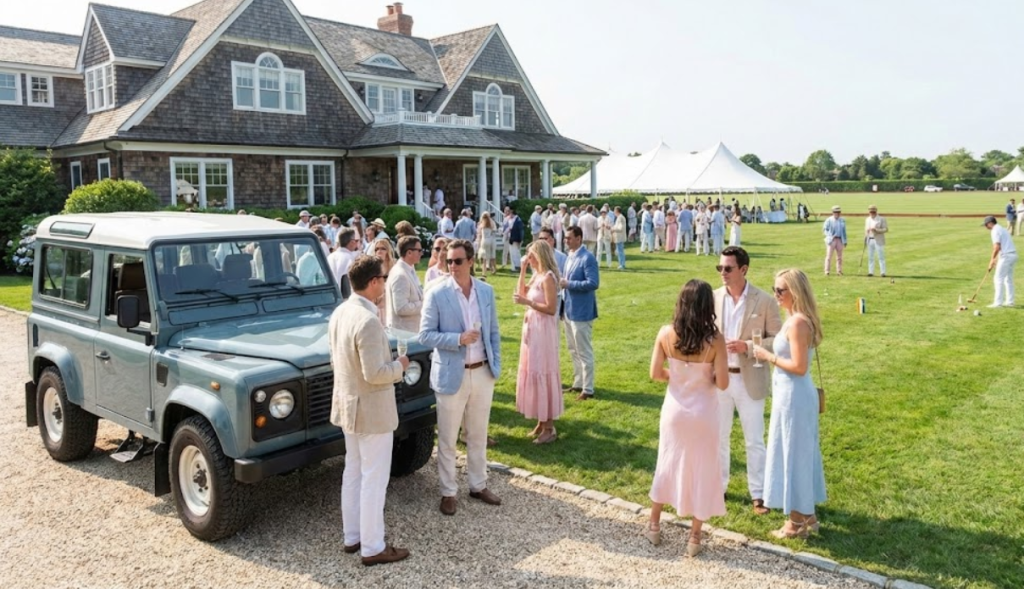
Business of Fashion documented how one European heritage brand spent three summers building relationships before launching any commercial presence. By year four, they had waiting lists. Patience and discretion paid dividends that aggressive marketing never could.
Partnership Over Presence
Smart British brands partner with established local platforms rather than attempting standalone activations. Consequently, they benefit from existing credibility while contributing fresh product and perspective.
Social Life Magazine has connected international fashion brands with Hamptons audiences for over two decades. This infrastructure exists. Brands need not build from scratch. Instead, they can plug into networks that already convene the right people in the right rooms.
Editorial Before Commercial
The sequence matters enormously. Brands that lead with commerce appear transactional. Brands that lead with editorial appear confident. Furthermore, editorial placement creates artifacts that live beyond any single event.
A feature in a respected Hamptons publication signals that a brand belongs here. It provides social proof for potential customers and wholesale partners alike. Meanwhile, it gives the brand’s own marketing team content to amplify across their channels. The ROI on editorial investment compounds in ways that paid media cannot match.
A Smarter Playbook for 2026
British brands planning US expansion should rethink their Summer 2026 strategy now. The Hamptons season runs Memorial Day to Labor Day. That window demands preparation that begins months earlier.
First, identify the right partnership opportunities. Not every event suits every brand. A heritage accessories house belongs in different rooms than a contemporary womenswear label. Accordingly, brands must research which gatherings align with their target customer.
The Experience Investment
One well-executed summer activation can accomplish what a year of digital spend cannot. Consider the math differently. A £500,000 digital budget might generate 50 million impressions and 500,000 clicks. Conversion rates on cold traffic hover around 1-2%. That yields perhaps 5,000 sales, mostly one-time purchases.
Alternatively, a £100,000 experiential investment could put the brand in front of 500 highly qualified individuals. These people have networks averaging 200 similarly affluent contacts. If just 10% become advocates, the brand gains 10,000 warm introductions. Those introductions convert at dramatically higher rates and generate lifetime customer value.
The Relationship Timeline
American business culture moves fast. Hamptons relationship culture does not. British brands must calibrate expectations accordingly. The first summer is for listening and learning. The second summer is for deepening connections. By the third summer, commercial opportunities emerge organically.
This timeline frustrates quarterly-focused executives. Yet brands that rush the process often damage their positioning irreparably. Discretion and patience remain competitive advantages in a world addicted to immediacy. Luxury real estate developers learned this lesson decades ago. Fashion brands would do well to follow their example.
British Brands in the Hamptons: The 2026 Opportunity
The infrastructure for transatlantic brand partnerships is expanding. New platforms specifically designed to connect British heritage brands with American luxury consumers are emerging. Additionally, established publications and event producers are actively seeking fresh European partnerships.
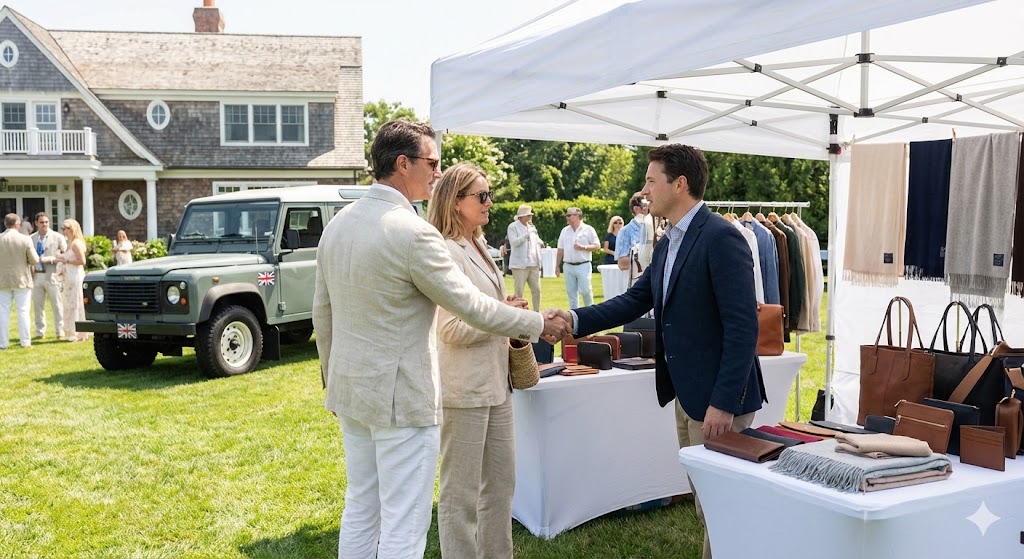
This moment favors early movers. The brands that establish presence in Summer 2026 will enjoy advantages that latecomers cannot replicate. They will build relationships while competitors remain stuck optimizing click-through rates.
Getting in the Room
Access requires introduction. Cold outreach rarely succeeds in this world. Therefore, British brands should identify connectors who understand both London and Hamptons dynamics. These individuals speak the language of European heritage and American aspiration fluently.
The investment in proper introductions pays for itself immediately. A single lunch with the right host can accomplish more than a dozen trade show appearances. Subsequently, that host opens doors to their network, creating compounding returns on the initial relationship investment.
Beyond the Marketplace
British brands in the Hamptons ultimately face a choice. They can remain convenient options buried in marketplace search results. Alternatively, they can become coveted names whispered at dinner parties. The former generates transactions. The latter builds dynasties.
The digital marketplace will always exist as a conversion channel. Smart brands use it as such. However, they invest their strategic energy in the physical spaces where desire is created. For British heritage brands seeking American relevance, the Hamptons remains the proving ground that matters most.
The CEO who stood unrecognized in that Southampton living room learned an expensive lesson. Availability is not desirability. Visibility is not credibility. British brands in the Hamptons must earn their place through presence, patience, and the right partnerships. Those who understand this will own the next decade of transatlantic luxury.
For inquiries regarding Hamptons Brand Partnerships, contact: Ula Nairne, unairne@gmail.com
Connect With Social Life Magazine
Join Our Email List
Subscribe Here
Social Life Magazine Print Subscription
Get Your Subscription
Support Our Work
Donate $5 via PayPal
Related Articles
Polo Hamptons: The Summer’s Most Anticipated Luxury Gatherings
Author

Written by
Recent Posts
Aaron Paul Net Worth — His Character Was Supposed to Die in Season One. Instead He Made $30 Million.
Bryan Cranston Net Worth. He Played a Sitcom Dad for Seven Years. Then He Became the Most Dangerous Man on Television.
Breaking Bad Cast Net Worth. $130 Million Cooked in Five Seasons of Perfect Television

Cailee Spaeny Net Worth — From Springfield, Missouri to A24 and Alien in Three Years Flat

Wagner Moura Net Worth — He Learned Spanish to Play Escobar. Then He Learned English to Take Hollywood.
Categories
- Art
- Articles
- Beauty & Skincare
- Celebrities
- Celebrities|Movies
- Celebrities|The Chronicles
- Chronicles
- Entertainment|Culture
- Event Photos
- Events
- Fashion
- Fashion & Style
- Featured
- Food & Beverage
- Food, Spirits, Wine
- Hamptons
- Hamptons Celebrities
- Hamptons Celebrities|Celebrities|The Chronicles
- Health
- Health & Beauty
- Lifestyle
- Luxury Lifestyle
- Movies|Culture
- Movies|Hamptons Lifestyle
- Press
- Profiles
- Real Estate
- Technology
- The Chronicles
- Travel
- TV
- Uncategorized
- Weddings