
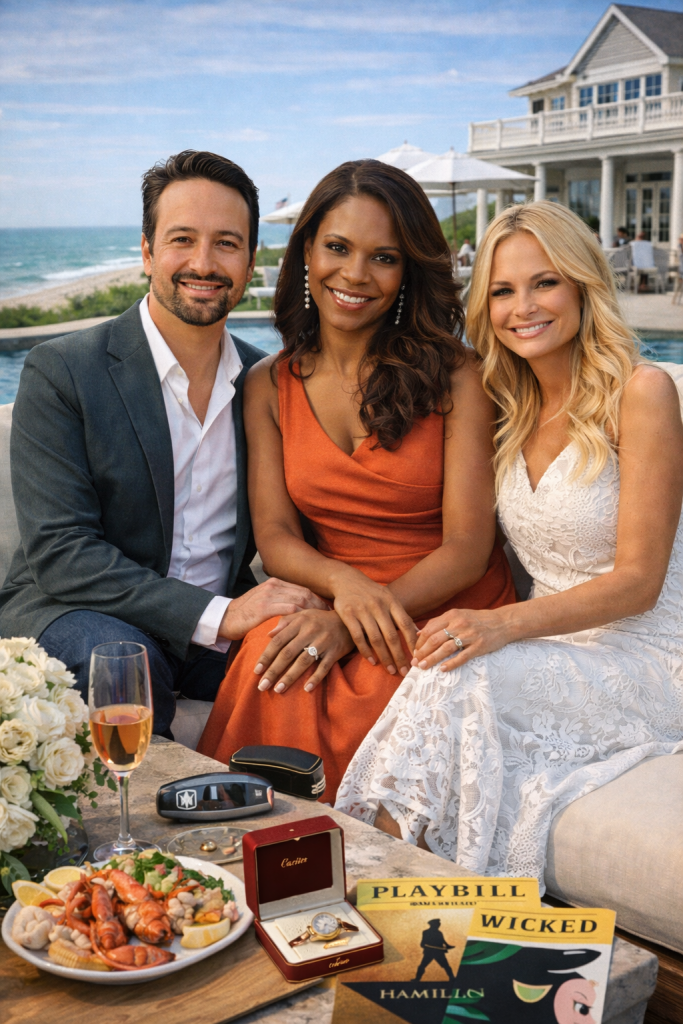
Theater’s Power Players Who Summer East
Every June, something happens on the Long Island Rail Road that no algorithm can explain. A very specific subset of Manhattan’s cultural elite boards the train with monogrammed tote bags and the look of people who have just finished eight shows a week. They are heading East. And they are not coming back until September.
The Broadway-to-Hamptons pipeline is one of the most underreported power corridors in American culture. Theater people do not just vacation in the Hamptons. They colonized it decades ago and built an entire parallel social infrastructure that operates alongside the finance and tech crowds without ever fully mixing.
The Theater Crowd’s East End Geography
Broadway money settles differently than Wall Street money. Theater people gravitate toward Sag Harbor and Amagansett, not Southampton. There are reasons for this that go beyond real estate prices.
Sag Harbor has literary DNA that theater people recognize as their own. John Steinbeck wrote there. The American Hotel bar hosted Truman Capote, Kurt Vonnegut, and Tom Wolfe. The Bay Street Theater, now a cultural anchor of Sag Harbor, produces Broadway-caliber work with directors and actors who split their seasons between 44th Street and Main Street.
Matthew Broderick and Sarah Jessica Parker are the reigning couple of this crossover. Parker, who built a career on Sex and the City before returning to Broadway, and Broderick, who won a Tony Award and remains one of theater’s most respected actors, maintain property in the Hamptons with ties to the Amagansett area. Their twin Victorian homes in Bridgehampton, built in 1865, anchor a social circle that includes theater producers, directors, and writers.
Neil Patrick Harris and David Burtka are another fixture. Harris, who performed in Hedwig and the Angry Inch on Broadway and hosted multiple Tony ceremonies, spends summers in the Hamptons with their twins. The couple’s East End presence bridges the gap between Broadway legitimacy and Hollywood celebrity in a way that opens doors for both communities.
The Producer Compound Effect
Here is where the pipeline gets interesting for anyone paying attention to deal flow. Broadway producers do not just summer in the Hamptons. They conduct business there. The dinner party circuit between East Hampton and Sag Harbor has greenlighted more shows than most people realize.
According to Boston Consulting Group‘s analysis of cultural industry economics, live entertainment investment increasingly follows social network patterns rather than traditional pitch processes. Translation: shows get funded at dinner parties, not in conference rooms.
The Hamptons provide the perfect environment for this. A relaxed setting. Extended time together. The social lubrication of good wine and ocean air. Producers who might need three meetings in Manhattan to get a commitment can close a deal over a single weekend in Water Mill.
Scott Rudin maintained an East Hampton presence for years. Multiple Tony-winning productions have roots in conversations that started at Hamptons gatherings. The social overlap between theater money and finance money on the East End creates a funding ecosystem that Broadway’s institutional structures cannot replicate.
Required Viewing for the Social Set
There is an unwritten canon of Broadway shows that function as social currency in the Hamptons. Not enjoying them is fine. Not having seen them is a problem.
The current list shifts seasonally but certain productions carry permanent weight. Anything by Stephen Sondheim remains essential. The revival cycle on Broadway directly correlates to Hamptons dinner conversation. When a major revival opens, expect to hear about it at every gathering from Westhampton to Montauk for the following six weeks.
Wicked, of course, transcended the stage with the 2024 film and its 2025 sequel For Good. The franchise generated over $1 billion in combined box office and created more than 400 brand partnerships. But the original stage production has been a Hamptons conversation piece since it opened in 2003. Knowing the show’s history, its creative team’s connections, and its Broadway economics marks you as culturally literate in ways that matter at East End events.
Hamilton operates similarly. Lin-Manuel Miranda’s connections to the Hamptons arts scene predate his fame. The show’s themes of ambition, legacy, and the performance of power resonate with an audience that lives those dynamics every summer.
Bay Street Theater: The Hamptons’ Broadway Stage
Bay Street Theater in Sag Harbor deserves its own section because it functions as the Hamptons’ direct connection to Broadway talent. The theater produces work that draws Broadway-caliber actors and directors to Sag Harbor specifically. Summer seasons feature new works and revivals performed by actors you would normally need to buy $200 orchestra seats to see.
The social ecosystem around Bay Street is significant. Pre-show dinners at Sag Harbor restaurants, post-show discussions that extend into late-night conversations at the American Hotel, and season-long relationships between audience members and artists create a community that reinforces the Broadway-Hamptons connection with every production.
Guild Hall in East Hampton serves a similar function, hosting performances, exhibitions, and literary events that attract the creative class. The overlap between Guild Hall’s donor base and Broadway’s producer network is not coincidental. According to Harvard Business Review‘s analysis of creative economy clustering, cultural institutions in wealthy communities attract and retain creative professionals by providing infrastructure that supports their work and lifestyle simultaneously.
Why This Matters for Your Summer
Understanding the Broadway-Hamptons pipeline is not trivia. It is social intelligence.
If you are attending Hamptons events this summer, you will encounter theater people. Knowing the current Broadway season, understanding which shows matter, and being able to discuss the economics of live entertainment marks you as someone worth talking to. In a social environment where everyone has money, cultural fluency is the differentiator.
The theater crowd also represents a specific kind of wealth that Hamptons newcomers often underestimate. Broadway producers, writers, and directors may not have hedge fund money, but they have cultural capital that converts into social access. A Tony Award winner at your dinner party opens doors that a billion-dollar portfolio cannot.
The smart play for anyone building Hamptons relationships is to invest in the theater ecosystem. Support Bay Street Theater. Attend Guild Hall events. See the shows that the social set is discussing. These investments cost less than a share house deposit and return more social capital than any charity gala ticket.
Because in the Hamptons, the people who understand the culture always end up ahead of the people who just understand the money.
For features on Hamptons culture, luxury brand advertising, and event partnerships with Social Life Magazine, visit sociallifemagazine.com/contact. Polo Hamptons season tickets and sponsorships at polohamptons.com. Join our email list. Print subscriptions and $5 contributions support independent Hamptons journalism.
Related Reading:
Celebrities Who Live in the Hamptons You Must Know
Hamptons Real Estate Q3 2025 Market Insights
Author

Written by
Recent Posts
Where Can You Find the Best Made-to-Measure Bespoke Suits in NYC
The Financial Habits Every Successful Entrepreneur Swears By
What Happens If You Delay Hemorrhoid Treatment in New York City

James Franco Net Worth — A $30 Million Career Interrupted

Selena Gomez Net Worth — How a Disney Kid Built a $1.3 Billion Empire
Categories
- Art
- Articles
- Beauty & Skincare
- Celebrities
- Celebrities|Movies
- Celebrities|The Chronicles
- Chronicles
- Culture|Television
- Entertainment|Culture
- Event Photos
- Events
- Fashion
- Fashion & Style
- Featured
- Food & Beverage
- Food, Spirits, Wine
- Hamptons
- Hamptons Celebrities
- Hamptons Celebrities|Celebrities|The Chronicles
- Health
- Health & Beauty
- Lifestyle
- Luxury Lifestyle
- Movies
- Movies|Culture
- Movies|Hamptons Lifestyle
- Press
- Profiles
- Real Estate
- Technology
- The Chronicles
- Travel
- Uncategorized
- Weddings