
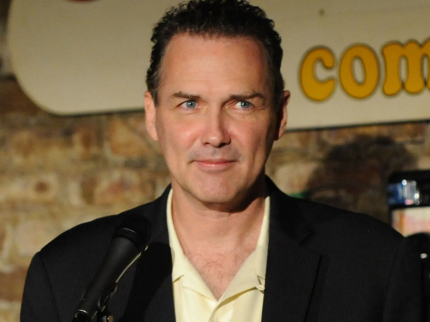
The Best Who Ever Did It
Norm MacDonald net worth at his 2021 death was approximately $5 million. David Letterman called him the best stand-up comedian who ever lived — not one of the best, but the best, stated publicly after watching every comedian of consequence perform for thirty years. That number and that quote exist in deliberate tension. The $5 million reflects what the industry paid him for doing comedy on his own terms. Letterman’s quote reflects what the craft itself was actually worth. Norm MacDonald’s legacy lives entirely in the gap between those two figures — and it grows every year.
He spent four seasons anchoring Weekend Update, got fired mid-season for refusing to stop mocking O.J. Simpson, then kept performing for another two decades without telling almost anyone he was dying. His comedy ran on a single philosophical engine: the involuntary laugh. Not applause, not agreement — the laugh that escapes before the audience decides to produce it. Building that consistently, at the cost of institutional approval, is the whole story.
Norm MacDonald Net Worth Origins: Quebec to Weekend Update
Norman Gene MacDonald was born October 17, 1959, in Quebec City, Canada. His father Percy worked as a school vice principal. His mother Ferne taught school. Philosophy studies at Carleton University in Ottawa preceded a decision, in his mid-twenties, to try stand-up at Yuk Yuk’s — described in his own account less as a calling than as a preferable alternative to underwriting insurance policies.
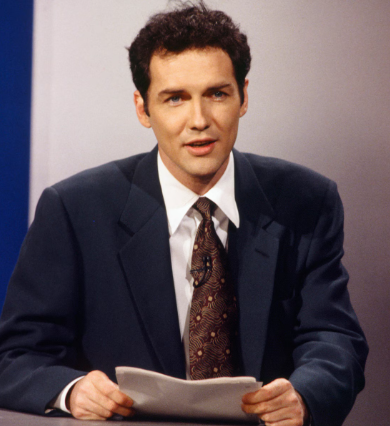
Early material ran closer to Mitch Hedberg’s absurdist wordplay than to the deadpan philosophical comedy that defined his mature style. Nevertheless, the philosophy training showed throughout: MacDonald thought structurally about what jokes were doing, not just whether they landed. After moving to Los Angeles and writing for Roseanne in 1992, he caught Lorne Michaels’ attention. SNL hired him as a writer and cast member in 1993. By 1994, he held the Weekend Update anchor chair — the highest-profile comedy platform in American television.
The Involuntary Laugh: His Core Comedy Philosophy
MacDonald articulated his approach with unusual clarity: he wanted the laugh that arrives before anyone decides to produce it. “You can applaud voluntarily,” he explained, “but you can’t laugh voluntarily.” Constructing that surprise consistently meant building jokes the audience didn’t yet know it found funny — the hardest technical problem in stand-up, and the one most likely to produce silence rather than laughter in real time.
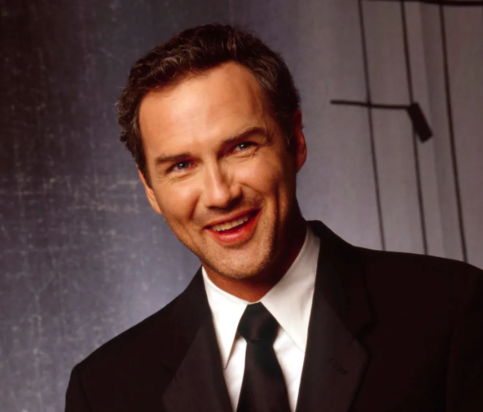
His deadpan commitment held the joke past audience comfort, past the point where most comedians would break, past the moment when the room decided he was failing. Either the involuntary laugh arrived or it didn’t. MacDonald accepted both outcomes with equal composure, which itself became part of the act. No position between incomprehension and revelation existed for an audience watching him work. The commitment made compromise structurally impossible.
The Firing That Defined Norm MacDonald’s Legacy
Weekend Update from 1994 to 1998 included a sustained O.J. Simpson joke campaign that continued explicitly calling Simpson a murderer long after the murder trial verdict. Don Ohlmeyer — NBC’s West Coast president and a personal friend of Simpson — found this professionally unacceptable. Consequently, Ohlmeyer removed MacDonald from Weekend Update mid-season in January 1998. MacDonald left SNL entirely in March.
His response was characteristically unbothered. Letterman booked him immediately. Howard Stern put him on radio. Then he kept performing. According to The New York Times, MacDonald’s position was direct: “I just like doing jokes I like, and if the audience doesn’t like them, they’re wrong, not me.” That claim is either the most arrogant a comedian can make or the most principled — depending entirely on whether the jokes are good. His were. The record supports him completely.
For the full context of the era MacDonald helped define, read Comedy’s Insurgents: Who Rewrote the Rules alongside the Master Architects hub.
What Norm MacDonald’s Net Worth Misses
Four seasons of Weekend Update. Dirty Work (1998). Then came a decade of Conan O’Brien appearances now catalogued as some of the most reliably funny moments in late-night history. His Netflix interview show in 2018 operated entirely on his own conversational logic. His memoir, Based on a True Story (2016), isn’t actually a memoir — it contains passages of genuine literary quality alongside extended jokes about death, which is exactly the combination you’d expect.
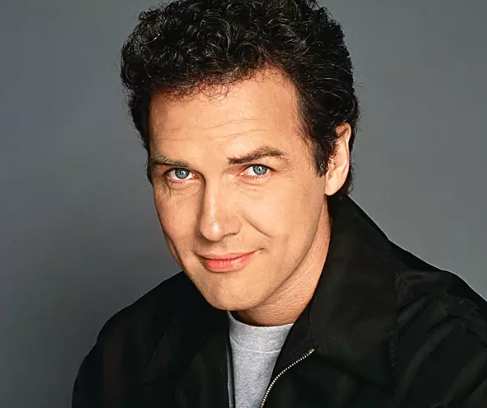
Seth Rogen has said he essentially stole his entire delivery from watching MacDonald perform. Tina Fey called him the last dangerous cast member. Meanwhile, Jon Stewart said no one could make you break the way MacDonald could. These assessments describe a specific technical achievement: constructing a joke so unexpected, then delivering it with such total deadpan commitment, that laughter arrives before the brain finishes processing what it just heard. Building that reliably, across forty years, at the cost of institutional approval — that’s the Norm MacDonald comedy legacy in full.
The Nine Years Nobody Knew
MacDonald died September 14, 2021, from leukemia he had kept private for nine years. Almost no one knew. Throughout that period, he continued performing, continued writing, and continued appearing on talk shows with the same deadpan commitment the diagnosis didn’t visibly alter. His work had referenced mortality for years with the precision of someone paying close attention. He was.
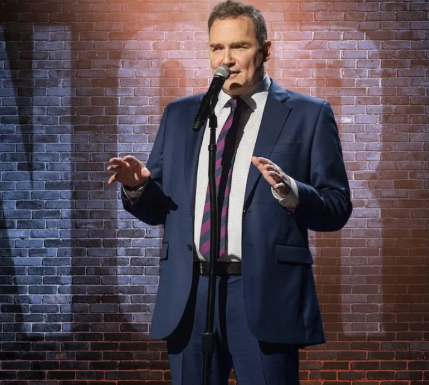
Norm MacDonald net worth in dollars sat modest against the commercial scale of contemporaries who made different choices. Nevertheless, his net worth to stand-up comedy’s history trades in a different currency entirely. Letterman’s assessment — the best who ever did it — describes a specific technical achievement documented across four decades and still compounding in reputation. The $5 million reflects what the industry paid. The Letterman quote, however, reflects what the work was actually worth. Norm MacDonald always knew the difference.
Browse more from the celebrity archive at SocialLifeMagazine.com.
To discuss editorial features and brand partnerships, reach us at sociallifemagazine.com/contact. Meanwhile, for Polo Hamptons tickets and sponsorships, visit polohamptons.com.
Author

Written by
Recent Posts
7 Mindful Meal Prep Tips for Stop Food Waste Day

Rebecca Ferguson Net Worth: The Advantage of Not Being the Lead
What Makes a Dinner Party Truly Unforgettable (Hint: It’s Not the Food)
Tips for Managing Grease and Oil in Everyday Dishwashing
Austin Butler Net Worth: The Method Actor in a Post-Method World
Categories
- Art
- Articles
- Beauty & Skincare
- Celebrities
- Celebrities|Entertainment
- Celebrities|Television
- Celebrities|The Chronicles
- celebrities|the-archive
- Chronicles
- Entertainment|Culture
- Event Photos
- Events
- Fashion
- Fashion & Style
- Featured
- Food & Beverage
- Food, Spirits, Wine
- Hamptons
- Hamptons Celebrities
- Hamptons Celebrities|Celebrities|The Chronicles
- Health
- Health & Beauty
- Lifestyle
- Luxury Lifestyle
- Movies
- Press
- Profiles
- Real Estate
- Technology
- The Chronicles
- Travel
- Uncategorized
- Weddings