
The $200M Case for Telling the Truth About Marriage
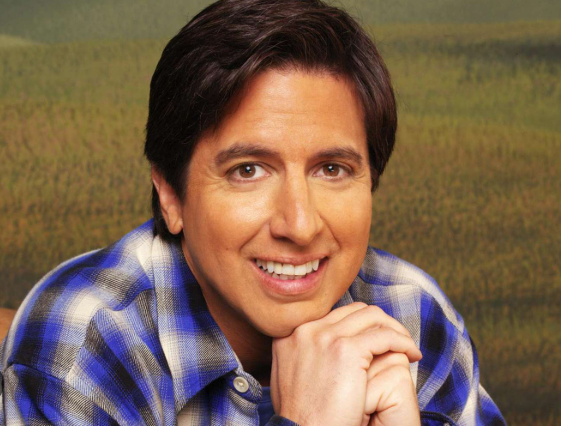
Ray Romano net worth reached $200 million by doing the one thing most comedians avoid: telling the exact, unembellished truth about ordinary domestic life. No aggression. No character armor. Just the specific exhaustion of loving people who also exhaust you, delivered with the timing of a craftsman who spent fifteen years in New York clubs before anyone outside Queens had heard his name. Romano’s comedy legacy rests on a paradox — the most universal subject in stand-up is the one that looks the least glamorous from the outside. Marriage. Kids. Your mother-in-law at dinner. He built $200 million on that paradox and made it look easy, which is itself a form of excellence.
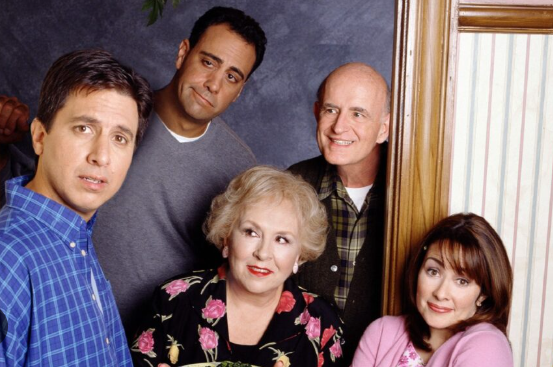
His backend participation in Everybody Loves Raymond — nine seasons on CBS, top-five ratings every year, syndication revenue still compounding decades later — funds most of that number. The financial outcome wasn’t obvious from his first decade in stand-up. It became obvious only after the show, which is the correct sequence for a career built on craft rather than strategy.
Ray Romano Net Worth Origins: Forest Hills to the Club Circuit
Raymond Albert Romano was born December 21, 1957, in Forest Hills, Queens — the same borough that produced Howard Stern, though the two childhoods shared only geography. His father Albert worked as a real estate agent and played piano. His mother Lucie ran the household. The Romano family was Italian-American, Catholic, and dense with the specific dynamics that would eventually become his entire professional subject matter: mother-in-law friction, competing loyalties, domestic negotiation through indirection and guilt.
Romano attended Hillcrest High School, then enrolled at Queens College to study accounting before switching to communications. After graduating in 1979, he spent several years working bank teller and furniture delivery jobs while doing stand-up at New York clubs on nights and weekends. His material was warm, domestic, and rooted in actual experience — the life he was living, not the life a comedian was supposed to perform. That distinction took years to pay off. When it did, it paid at scale.
His first national exposure came on The Late Show with David Letterman in 1995. A well-received set led directly to a conversation with CBS about a sitcom. That sitcom was Everybody Loves Raymond, which premiered in 1996.

The Show That Built the Romano Comedy Legacy
Ray Romano net worth accelerated dramatically once Everybody Loves Raymond locked in. The show drew directly from his stand-up material — observations about his wife Anna, his parents, his brother Richard, the specific texture of a Queens Italian-American household operating at close range. Ray Barone wasn’t a constructed character. Romano placed a slightly heightened version of himself inside his actual circumstances and navigated them with the same helpless honesty he brought to the stage.
According to Forbes, Romano negotiated a $1.8 million per episode salary during the show’s later seasons — among the highest per-episode rates in television history at the time. Backend participation locked in syndication income that compounds long after the 2005 finale. The financial architecture reflected a commercial reality: Raymond was so consistent, so broadly watched, and so reliably rewatchable that its value grew rather than depreciated over time. Syndication doesn’t reward flash. It rewards truth, and Romano dealt in nothing else.
For full context on the era that produced Romano’s breakthrough, read Comedy’s Insurgents: Who Rewrote the Rules and the companion piece on Comedy’s Master Architects.
What Ray Romano’s Net Worth Reveals About Domestic Comedy
Romano’s stand-up catalogue runs parallel to the sitcom. A real-time documentary of the domestic life feeding the Raymond scripts. Told across specials that rank among the most honest records of American middle-class family life the comedy industry produced in that era. His film work adds range: the Ice Age franchise, one of animation’s most profitable series. Plus dramatic roles in The Big Sick and Paddleton that most fans of Raymond didn’t see coming but critics found entirely convincing.

Ray Romano net worth at $200 million represents something more specific than commercial success. The Queens upbringing, the Italian-American family dynamics, the marital material drawn directly from his own marriage — these particulars became the vehicle through which universal experience turned legible to 25 million weekly viewers. That’s the oldest mechanism in the art form: specificity as the entry point to universality. Romano executed it with a warmth and consistency that made it look effortless.
His comedy legacy sits in that gap between what looks simple and what actually is. The comedian who fills arenas with material about marriage isn’t performing a niche act. He’s performing the most universal subject available. Romano understood that from his first Queens club set in the late 1970s. The rest was construction. Fifteen years of it, then one Letterman appearance. Then nine seasons that turned a guy from Forest Hills into one of the highest-paid performers in television history.
For more from the celebrity archive, visit SocialLifeMagazine.com.
Editorial features and brand partnerships, contact us at sociallifemagazine.com/contact. For Polo Hamptons tickets and sponsorships, visit polohamptons.com.
Author

Written by
Recent Posts
7 Mindful Meal Prep Tips for Stop Food Waste Day
Rebecca Ferguson Net Worth: The Advantage of Not Being the Lead
What Makes a Dinner Party Truly Unforgettable (Hint: It’s Not the Food)
Tips for Managing Grease and Oil in Everyday Dishwashing
Austin Butler Net Worth: The Method Actor in a Post-Method World
Categories
- Art
- Articles
- Beauty & Skincare
- Celebrities
- Celebrities|Entertainment
- Celebrities|Television
- Celebrities|The Chronicles
- celebrities|the-archive
- Chronicles
- Entertainment|Culture
- Event Photos
- Events
- Fashion
- Fashion & Style
- Featured
- Food & Beverage
- Food, Spirits, Wine
- Hamptons
- Hamptons Celebrities
- Hamptons Celebrities|Celebrities|The Chronicles
- Health
- Health & Beauty
- Lifestyle
- Luxury Lifestyle
- Movies
- Press
- Profiles
- Real Estate
- Technology
- The Chronicles
- Travel
- Uncategorized
- Weddings