
The Comedy Legacy of the Preacher Who Screamed
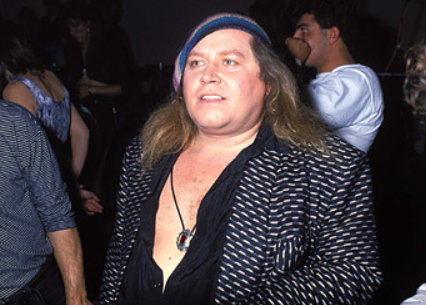
Sam Kinison net worth at his death was approximately $1 million — a number that tells you almost nothing useful about his place in comedy history. He died April 10, 1992, on a highway outside Needles, California, three weeks after getting married, at 38 years old. The Seinfeld era had barely started. Moreover, the golden age lost, in that desert collision, the voice most likely to have detonated the decade from the inside — a former Pentecostal preacher who converted the sermon’s escalating architecture into stand-up comedy and produced something no one before him had attempted at that intensity or volume. Sam Kinison’s legacy belongs alongside the era’s greatest figures not because he completed his run, but because what he finished was that good.
His HBO specials sold out venues, influenced a generation of comedians, and documented a performance style no one has successfully reproduced since. Furthermore, the financial result — modest by the standards of his peers — reflects both the volatility of his career and the speed at which he converted earnings back into living. Consequently, the money was never the story. The performance always was.
Sam Kinison Net Worth Origins: From the Pulpit to the Punchline
Samuel Burl Kinison was born December 8, 1953, in Yakima, Washington. His father, a Pentecostal minister, moved the family repeatedly to serve different congregations. As a result, Kinison grew up inside the performance architecture of evangelical Christianity — the sermon as theatrical event, with escalating intensity, communal response, and emotional release built into its structure. He absorbed this framework before he could name it. Later, it became his entire act.
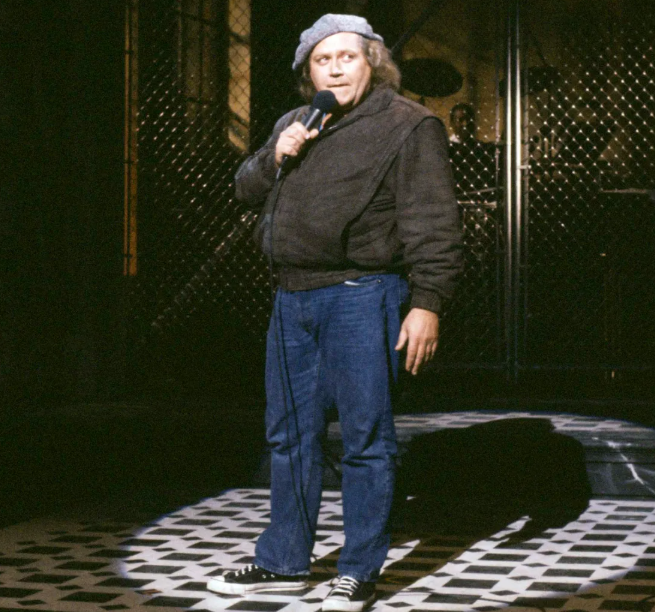
In his early twenties, Kinison became a Pentecostal preacher himself, ministering to Houston congregations. Additionally, he was genuinely effective — the physical intensity, the escalating volume, the ability to bring a room to peak emotion and release it cleanly. At some point, however, he looked at what he was delivering and decided the container was more powerful than its current cargo. Therefore, he left the ministry, moved to Houston’s club circuit, and started over. He kept everything the preacher had learned and changed only the subject matter.
That exchange — sermon structure applied to secular grievance — produced something the comedy world hadn’t encountered before. Nevertheless, it took the right room and the right audience to make it visible nationally.
The Pivot: Rodney Dangerfield and the HBO Breakthrough
In 1985, Rodney Dangerfield included Kinison in his HBO special Nothing Goes Right. Dangerfield had a historically precise eye for comedians the industry hadn’t yet recognized — his earlier specials had launched careers that clubs alone couldn’t have accelerated. Kinison’s set stopped the program cold. The screaming — the volume that punctuated his observations about relationships, religion, and personal failure — wasn’t a gimmick. Rather, it was the sermon arc applied directly to comedy material, producing an emotional trajectory the audience experienced physically before processing intellectually.
Consequently, the response was immediate. Late Night with David Letterman booked him. His first HBO special, Breaking the Rules, followed in 1987. Then Leader of the Banned arrived in 1988. By the decade’s end, Kinison ranked among America’s most recognizable comedians — not the most broadly popular, but the most viscerally memorable, which is a different kind of impact and, in some ways, a more durable one.
For context on the era his career helped build, read Comedy’s Insurgents: Who Rewrote the Rules and the companion piece on Comedy’s Master Architects.
The Climb: Sam Kinison’s Comedy Legacy in Full
Kinison performed about marriages, divorces, religion, and the specific grievances of a man who had looked at organized faith from the inside and found its promises unfulfilled. The anger was real. Moreover, the comedy was the transformation of that anger into something an audience could receive — the alchemy of stand-up, performed at maximum volume. There’s a difference between genuine anger and performed anger, and audiences register it immediately. Kinison’s was always the former.
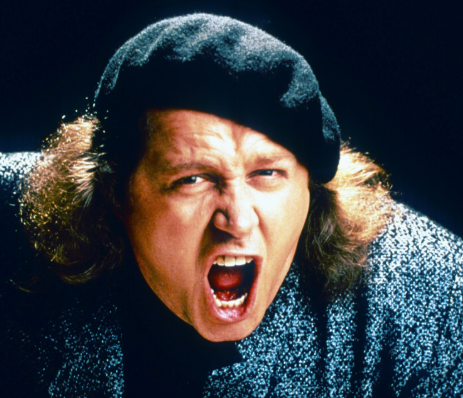
According to Rolling Stone, Kinison ranked among the most-requested comedians for college campus performances in the late 1980s. That demographic responded to his anti-establishment energy and his willingness to say things no institutional framework surrounding them would say. Furthermore, he sold out venues most comedians at his profile level couldn’t fill. His managers, however, found the revenue management professionally harrowing — he burned through earnings with the same intensity he brought to the stage.
Sam Kinison net worth never reflected the commercial scale his performances generated, partly because of that volatility. Yet his touring income, television work, and HBO royalties built the foundation for a comedy career that, had it continued, would have compounded significantly through the 1990s. Instead, it ended on a California highway at 38.
What Sam Kinison Built: Net Worth Beyond the Numbers
Two HBO specials. A touring career that reached audiences other comedians couldn’t access. A performance style — the preacher’s escalating intensity applied to secular rage — that influenced every comedian who subsequently attempted genuine anger rather than its polished simulation. Additionally, the comedians who opened for him in the late 1980s absorbed something from that proximity that surfaced in their own work for years afterward.
Jerry Seinfeld has described watching Kinison perform as formative — a demonstration of what stand-up could achieve at its most extreme register. That’s a specific kind of influence: not a technique to copy, but a standard that expands what the art form is understood to contain. Most influences leave a method. Kinison left a ceiling. Seeing it raised changes what you think is possible, even if you never perform anywhere near it yourself.
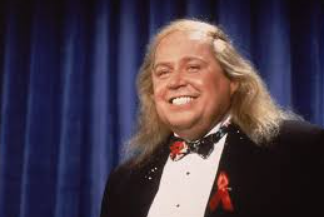
Furthermore, the unfinished decade is the real loss. What Kinison would have built across the full Seinfeld era — 1989 to 1998, with both the craft and the rage at their peak — remains genuinely unknowable. The first chapter established the standard. Consequently, the absence of the second chapter represents the most significant gap in the golden age’s record. Sam Kinison’s net worth in dollars was modest. His net worth to the history of stand-up comedy is considerably harder to calculate — and considerably higher.
For more from the celebrity archive, visit SocialLifeMagazine.com.
Editorial features and brand partnerships, contact us at sociallifemagazine.com/contact. For Polo Hamptons tickets and sponsorships, visit polohamptons.com.
Author

Written by
Recent Posts
7 Mindful Meal Prep Tips for Stop Food Waste Day

Rebecca Ferguson Net Worth: The Advantage of Not Being the Lead
What Makes a Dinner Party Truly Unforgettable (Hint: It’s Not the Food)
Tips for Managing Grease and Oil in Everyday Dishwashing
Austin Butler Net Worth: The Method Actor in a Post-Method World
Categories
- Art
- Articles
- Beauty & Skincare
- Celebrities
- Celebrities|Entertainment
- Celebrities|Television
- Celebrities|The Chronicles
- celebrities|the-archive
- Chronicles
- Entertainment|Culture
- Event Photos
- Events
- Fashion
- Fashion & Style
- Featured
- Food & Beverage
- Food, Spirits, Wine
- Hamptons
- Hamptons Celebrities
- Hamptons Celebrities|Celebrities|The Chronicles
- Health
- Health & Beauty
- Lifestyle
- Luxury Lifestyle
- Movies
- Press
- Profiles
- Real Estate
- Technology
- The Chronicles
- Travel
- Uncategorized
- Weddings