
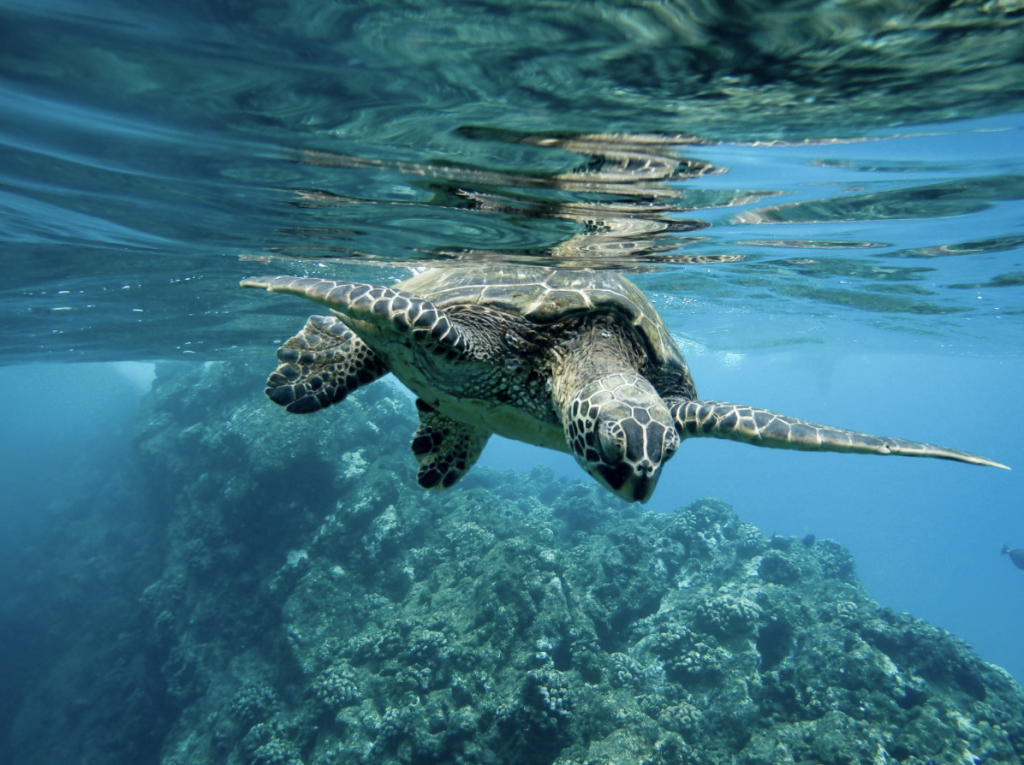
The Galápagos Islands are not the kind of destination where choosing a cruise is simply a matter of picking a ship and a departure date. The experience is shaped by the islands included in the itinerary, the length of the journey, the style of excursions, the size and facilities of the vessel, and the practical requirements that come with traveling through a protected natural environment.
For a first-time visitor, those details can make the difference between an itinerary that matches their interests and one that leaves important boxes unchecked.
A cruise also offers a particular way of experiencing the Galápagos. Rather than returning to the same hotel each night, travelers move between islands while using the vessel as their base. Days can include guided walks, wildlife viewing, snorkeling, kayaking, or visits to designated sites, depending on the itinerary and the operator.
With that in mind, choosing the right Galapagos cruise starts with understanding what each trip actually offers.
Start With the Itinerary
The first question should not necessarily be, “Which ship should I book?” It should be, “Which islands and visitor sites do I want to experience?”
The Galápagos archipelago consists of numerous islands, but cruise itineraries do not cover all of them. Different routes combine different islands and visitor sites, meaning two cruises of the same length can offer noticeably different experiences.
Some itineraries place greater emphasis on wildlife and remote landscapes, while others include more opportunities for water-based activities or visits to populated islands. Travelers interested in particular animals, geological features, or activities should therefore examine the itinerary carefully rather than choosing based solely on the vessel.
It is also worth remembering that an itinerary is not a guarantee that every planned activity will happen exactly as scheduled. Conditions at sea and other operational considerations can affect daily plans. In a destination where nature is central to the experience, some flexibility is part of the journey. For first-time visitors, reading the itinerary day by day can be more useful than relying on a general description such as “explore the Galápagos.”
Consider How Long You Want to Stay
Cruises through the Galapagos are offered in different lengths, and the duration affects how much of the archipelago travelers can experience. A shorter trip may appeal to visitors working within a tight schedule, but a longer itinerary can provide more time to explore different islands and visitor sites without trying to fit everything into a few days.
The right length depends on the overall trip as well as personal priorities. Someone combining the Galápagos with time on mainland Ecuador may choose a different cruise duration from a traveler whose primary purpose is exploring the islands. Longer does not automatically mean better. The important consideration is whether the additional days correspond to places and activities that genuinely interest you.
Look Beyond the Ship’s Appearance
A photograph of a beautiful vessel can be persuasive, but appearance is only one part of the decision. Cabin configuration, dining arrangements, common areas, outdoor spaces, accessibility, and available equipment all affect the onboard experience. Travelers should also look at how the vessel handles excursions and how many passengers it carries.
The size of the ship matters for practical reasons as well. Galápagos tourism operates within a regulated system designed around the protection of the islands and their surrounding marine environment. Tourist operations and visits to protected areas are subject to rules established by the relevant authorities. That means travelers should pay attention to whether the operator and vessel are properly authorized to operate in the protected areas.
For a luxury traveler, the definition of comfort may also be different from what it is on a conventional ocean cruise. The most important features may be a comfortable cabin, good service, quality meals, well-organized excursions, and spaces where guests can relax between activities rather than an extensive collection of onboard entertainment. In the Galapagos, the destination remains the main event.
Understand the Excursion Style
A cruise can be comfortable, but a Galápagos trip is fundamentally an active travel experience. Many excursions involve walking on natural terrain, getting into small boats for shore transfers, snorkeling, or spending time outdoors in changing weather conditions. The exact activities depend on the itinerary and the visitor site. Before booking, travelers should look at what is included in the daily schedule and consider whether the pace suits them.
Some people may be happy with several active excursions during a single day. Others may prefer an itinerary that leaves more room for relaxation. Families traveling with children, older travelers, and anyone with mobility considerations should pay particular attention to the physical demands of the activities offered. The right cruise is not necessarily the one with the longest list of excursions. It is the one whose activities fit the way you actually want to travel.
Give the Guides Serious Consideration
Guiding is an important part of the Galápagos experience. Visits to protected areas are conducted under established rules, and official visitor guidance states that visits to protected areas take place with an authorized naturalist guide. Guides help visitors understand the wildlife, geology, and ecological significance of the sites they visit while also helping groups follow conservation requirements.
That can make a significant difference in a destination where much of what makes a visit memorable is not immediately obvious.
A sea lion resting on a beach is fascinating on its own. Understanding its behavior, habitat, and relationship with the surrounding ecosystem adds another dimension to the encounter. The same is true of the islands’ volcanic landscapes and marine environments. When comparing cruises, therefore, the experience and qualifications of the guiding team deserve attention alongside the vessel itself.
Think About Wildlife, Not Just Scenery
One of the reasons people travel to the Galápagos is the opportunity to observe wildlife in its natural environment. But wildlife encounters are not scheduled performances. Animals move according to their own behavior and environmental conditions, and no responsible operator can guarantee that a traveler will see a particular species at a particular location. This is another reason itinerary selection matters. Travelers who have specific wildlife interests should research which islands and visitor sites are associated with the species or environments they hope to experience.
It is equally important to approach wildlife encounters responsibly. Galápagos visitor rules require travelers to maintain a distance from animals, avoid feeding them, remain on designated trails, and follow guidance intended to protect the natural environment. The experience is more rewarding when observation does not interfere with the animals being observed.
Pay Attention to Conservation Rules
The Galápagos Islands are a protected environment, and tourism operates within a framework intended to limit impacts on the ecosystem. Visitors are expected to follow rules concerning wildlife, trails, waste, photography, and items brought into the islands. For example, official visitor guidance states that travelers should remain on marked trails, avoid feeding wildlife, maintain a distance of at least two meters from animals, and cooperate with inspection and quarantine systems. Commercial photography and drone use can also require authorization under applicable rules.
These requirements are not minor details to read after booking. They are part of the experience. A first-time visitor should understand that exploring the Galápagos comes with responsibilities that may feel different from those associated with a conventional beach or city vacation.
Compare What Is Actually Included
Price alone does not tell you what a Galápagos cruise will cost in practical terms. When comparing options, look at what is included in the cruise fare and what may be charged separately. Depending on the operator, this can include items such as excursions, meals, equipment, transfers, or other services. Travelers should also account for the costs associated with reaching the Galápagos and any required park or conservation-related fees.
The goal is not simply to find the lowest advertised price. It is to understand the total structure of the trip before making a decision. For a premium traveler, this can be especially important. A higher cruise price may reflect differences in accommodations, service, guiding, vessel facilities, itinerary, or included activities. Comparing those elements directly provides a much clearer picture than comparing headline prices.
Think Beyond the Cruise
A Galápagos cruise is only part of the journey. Plan for flights, transfers, and hotel stays before or after the cruise, and leave enough time between connections to avoid unnecessary stress.
Consider the entire trip rather than treating the cruise as a standalone booking. A pre- or post-cruise stay can also give you more time to experience Ecuador without rushing.
Choose the Experience First
Instead of choosing a vessel first, decide what you want from the trip—wildlife, hiking, snorkeling, specific islands, a relaxed pace, or a longer expedition.
Then compare vessels based on their itineraries, guides, excursions, comfort, and included services. For a luxury trip, comfort should enhance the adventure rather than replace it.
Plan Thoughtfully
The right Galápagos cruise depends on more than the ship. Consider the itinerary, activities, guides, physical demands, inclusions, connections, and conservation rules.
With thoughtful planning, you can spend less time worrying about logistics and more time enjoying the Galápagos’ extraordinary wildlife, landscapes, and unique environment.
Author

Written by
Recent Posts

Simple Ways to Upgrade Your Summer Drink Routine

The Busy Person’s Guide to Staying in Ketosis Without Giving Up Snacks
Choosing the Right Galapagos Cruise: What First-Time Visitors Should Know

Friendship, Philanthropy & a Passport

Rula Lutfi Redefines the Birthday Cake with Lala Bon Bon Pâtisserie
Categories
- Art
- Articles
- Business of Luxury
- Celebrities
- Culture
- Entertainment
- Events
- Faces of Summer 2026
- Fashion
- Fashion & Style
- Featured
- Finance
- Food, Spirits, Wine
- Hamptons
- Hamptons Celebrities
- Health
- Health & Beauty
- Lifestyle
- Luxury Lifestyle
- Press
- Profiles
- Real Estate
- Technology
- The Chronicles
- Travel
- Uncategorized
- Weddings