
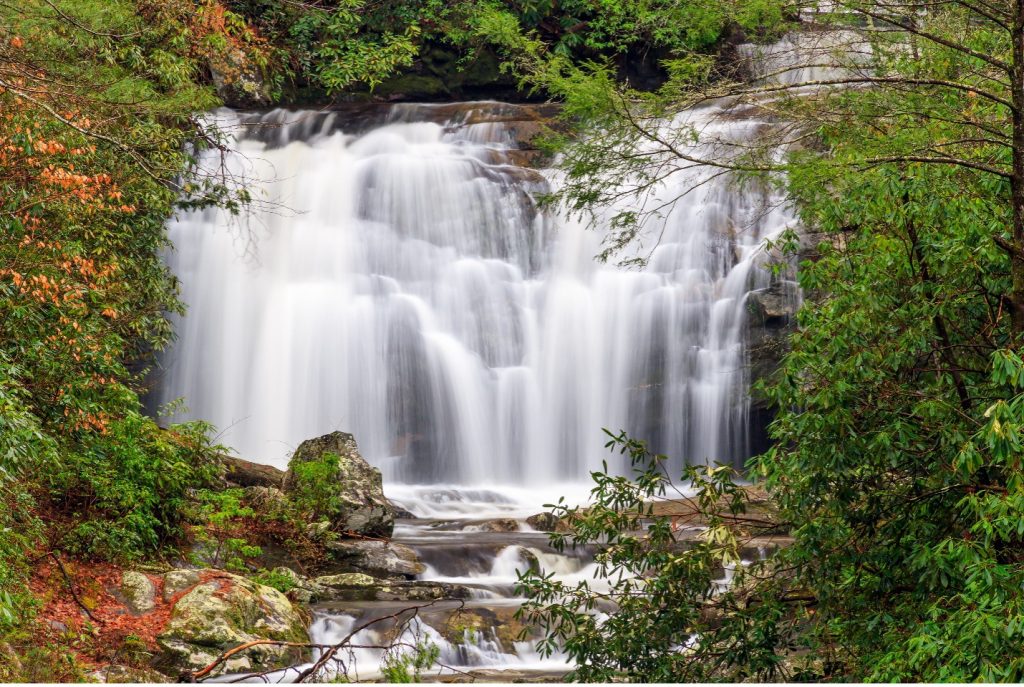
Large family mountain vacations tend to reveal things quickly. What works at home does not always translate well once everyone is sharing space, schedules, and energy in a new setting. Comfort stops being a vague idea and becomes something very concrete. Where people sit, how mornings unfold, and whether anyone has room to step away for a moment without leaving the group entirely. Trips that ignore such details usually feel louder, longer, and heavier than expected.
What separates an enjoyable large-family trip from an exhausting one often has little to do with attractions or views. It comes down to how much friction the day creates. When comfort is considered across the entire experience, from sleeping arrangements to how the group moves through space, the vacation feels workable rather than overwhelming. Mountain destinations like Pigeon Forge can support this kind of trip well, but only when choices are made with scale in mind.
Room to Breathe
Once a family reaches a certain size, space stops being optional. People need room to reset after long days, especially in mountain settings where activities often involve walking, elevation, and stimulation. A shared space that feels tight magnifies tension quickly, while a layout that allows separation keeps the group functioning smoothly.
That’s why many larger families gravitate toward 4 bedroom cabin rentals in Pigeon Forge when planning mountain trips. Properties offered through Auntie Belham’s Cabin Rentals give everyone a defined place to land at the end of the day while keeping the group together under one roof. Bedrooms create natural boundaries. Common areas support connection. Ultimately, this allows evenings to feel calm rather than compressed, which carries into the following day.
Easy Mornings
For large families, overly ambitious starts tend to unravel before breakfast is finished. Different wake-up times, energy levels, and routines need space to coexist without turning into conflict.
Trips that allow slower starts tend to feel steadier overall. Coffee stretches a little longer. Kids ease into the day rather than being pulled forward. Parents can read the room before locking in plans. This flexibility often saves time later because the group moves forward together instead of recovering from a rushed beginning.
Open Air Balance
Outdoor space functions differently for large families than it does for small groups. It is not about activity alone, but about allowing movement and stillness to happen side by side. Kids often need space to burn energy without structure. Parents often need a place to sit without feeling disconnected.
Mountain environments naturally support this balance when the setting allows it. Open areas, decks, yards, and scenic overlooks give everyone room to exist at their own pace. No one feels boxed in. The group stays together without needing to do the same thing at the same time.
Simple Meals
Food planning can drain a large family trip. Repeated decisions, differing preferences, and timing challenges add up quickly. Meals that feel complicated tend to ripple into the rest of the day, creating delays and frustration.
Keeping meals simple removes that pressure. Familiar routines, shared preparation, or predictable dining plans help stabilize the day. Parents stop negotiating every choice. Kids know what to expect. This consistency supports energy levels and keeps focus on the experience rather than the logistics surrounding it.
Group Transit
How a large family moves from place to place shapes the pace of the trip more than most people expect. Multiple vehicles often create delays, missed turns, and constant coordination. Keeping the group together reduces those friction points immediately.
Shared transportation allows conversations to continue uninterrupted. Plans adjust more easily. Parents spend less time counting heads and more time being present. This continuity helps the trip feel cohesive instead of fragmented, which is especially valuable in mountain areas where transitions already demand attention.
Crowd Flow
Crowds affect large families differently than smaller groups. What feels manageable for two or three people can quickly become stressful once kids, strollers, grandparents, and varying attention spans are involved. Comfort in this context often depends on how well attractions handle volume rather than how exciting they appear on paper.
Attractions that manage peak family hours well tend to create a calmer experience overall. Clear entry points, visible staff, and thoughtful layout help families move without constant course correction. When lines progress steadily, and spaces feel organized, parents spend less time troubleshooting and more time enjoying the moment.
Meet Up Spots
Large families benefit from knowing exactly where to regroup. Well-established meeting points remove the low-level anxiety that comes from feeling rushed or scattered, especially in busy areas or unfamiliar environments. Comfort grows when everyone understands where to return without needing constant reminders.
Well-defined gathering spots help the group move with confidence. Kids gain independence without drifting too far. Parents avoid the pressure of monitoring every step, and this allows the day to unfold more smoothly, reducing tension that often comes from miscommunication rather than actual distance.
Gentle Terrain
Mountain vacations naturally involve elevation changes, uneven paths, and longer walks. Comfort for large families often depends on choosing areas that limit unnecessary strain, especially for younger kids or older family members.
Walkable spaces with gradual terrain help everyone participate without fatigue setting in too early. Parents notice fewer complaints. Kids maintain energy longer. The group stays together rather than splitting based on physical limits.
All Ages Fun
Comfort increases when activities work across age gaps without requiring constant adaptation. Experiences that engage multiple generations keep the group unified and prevent the need to split into smaller factions.
Shared activities support conversation and connection because everyone experiences the same moments. Kids feel included, and parents stay engaged. No one feels sidelined.
Scenic Calm
Scenery influences emotional comfort more than many people realize. Environments that feel visually overwhelming can tire large groups quickly, especially when paired with constant stimulation. Calm surroundings offer a counterbalance that helps everyone reset throughout the day.
Mountain settings often provide that calm naturally through open views, quieter spaces, and slower visual rhythms. Families benefit from moments where the setting itself invites pause.
Familiar Rhythm
Large families often function best when some routines remain intact during travel. A familiar flow provides stability even in new environments. Simple patterns like shared breakfasts, consistent evening wind-downs, or predictable departure times help kids and parents stay grounded.
Maintaining those routines reduces emotional friction. Kids know what comes next. Parents spend less time negotiating transitions. The vacation feels supportive rather than disruptive.
Comfort for large families on mountain vacations shows up in pacing, movement, communication, and how easily the group adapts throughout the day. Trips that account for scale tend to feel calmer, more connected, and more enjoyable from start to finish. When space allows breathing room, mornings unfold gently, and days flow without constant correction, families gain something valuable. They stay present. They react together. They return home feeling restored rather than depleted.
Author

Written by
Recent Posts

Breaking Bad Cast Net Worth. $130 Million Cooked in Five Seasons of Perfect Television

Cailee Spaeny Net Worth — From Springfield, Missouri to A24 and Alien in Three Years Flat

Wagner Moura Net Worth — He Learned Spanish to Play Escobar. Then He Learned English to Take Hollywood.

Robert Eggers Net Worth — He Made a $3.5 Million Film in Puritan English and Hollywood Listened

Brie Larson Net Worth — A $6 Million Indie Film Won Her an Oscar. Marvel Paid Her the Rest.
Categories
- Art
- Articles
- Beauty & Skincare
- Celebrities
- Celebrities|Movies
- Celebrities|The Chronicles
- Chronicles
- Entertainment|Culture
- Event Photos
- Events
- Fashion
- Fashion & Style
- Featured
- Food & Beverage
- Food, Spirits, Wine
- Hamptons
- Hamptons Celebrities
- Hamptons Celebrities|Celebrities|The Chronicles
- Health
- Health & Beauty
- Lifestyle
- Luxury Lifestyle
- Movies|Culture
- Movies|Hamptons Lifestyle
- Press
- Profiles
- Real Estate
- Technology
- The Chronicles
- Travel
- TV
- Uncategorized
- Weddings