

They signed the term sheet in November. The lawyers spent six weeks on documentation. This wire transferred in January.
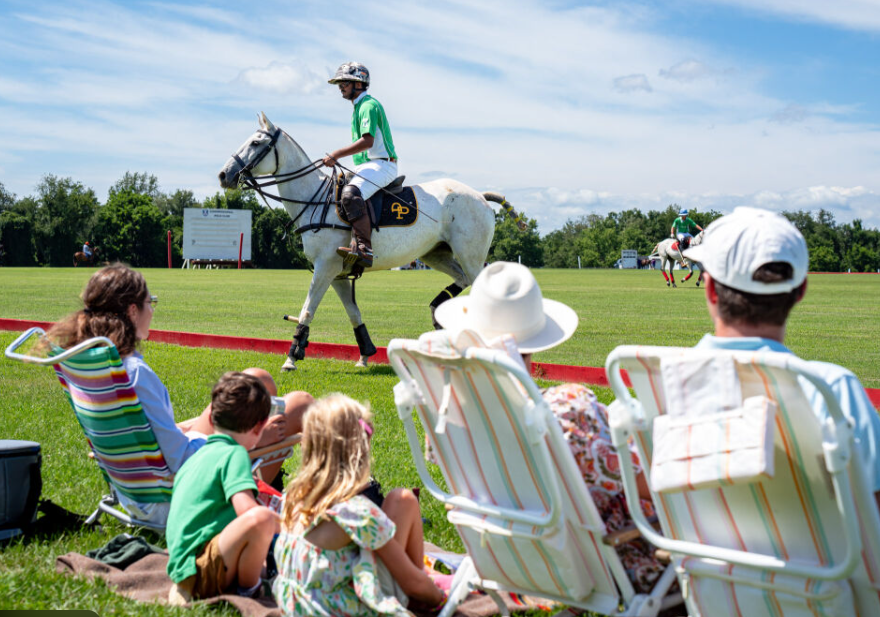
But the deal closed on a July afternoon eighteen months earlier, at a polo match neither had planned to attend.
The investor had ducked out of a benefit he wasn’t enjoying. That founder had accepted a last-minute invitation from a friend’s friend. They found themselves at the same rail during the same chukker, commenting on the same horse. The conversation lasted forty minutes. No business cards exchanged. No calendars compared.
Three weeks later, the founder mentioned an expansion he couldn’t quite fund. The investor mentioned capital he couldn’t quite deploy. This conversation that afternoon had established trust that formal channels would have taken two years to create.
The relationships that become partnerships start socially. Brands that command loyalty start socially. Deals that reshape industries start socially. Transaction is the last step, not the first.
The Sequence That Works
The conventional sequence: identify opportunity, present credentials, negotiate terms, establish relationship, execute.
The actual sequence for consequential deals: establish relationship, develop trust, identify mutual opportunity, negotiate from alignment, execute with commitment.
The difference isn’t semantic. It’s structural. Transactions that begin with opportunity attract parties seeking advantage. Partnerships that begin with relationship attract parties seeking alignment. Advantage seeks extraction. Alignment seeks creation. The outcomes diverge.
McKinsey’s research on social capital documents the mechanism: strong relationships function as organizational grease. Deals move faster. Teams coordinate better. Problems resolve before they escalate. The relationship quality predicts the transaction quality.
Why Social Context Matters
Professional contexts optimize for presentation. Social contexts optimize for revelation.
In a boardroom, you see performance. At a dinner party, you see character. In a pitch meeting, you see preparation. At a polo match, you see reaction. The information differs in kind, not just quantity.
Trust requires predictive confidence—believing you understand how someone will behave in situations you haven’t yet encountered. Performance provides data about how someone behaves when they’re performing. Social observation provides data about how someone behaves when they’re not.
The second dataset predicts partnership success. The first doesn’t.
Bain & Company’s family office research confirms what practitioners experience: deal velocity increases during periods of social proximity not because meetings multiply, but because trust forms faster when formal barriers disappear.

The Celebrity Evidence Pattern
The origin stories we’ve documented reveal the sequence consistently. Relationship preceded business. Social context enabled relationship. The timeline matters.
George Clooney’s Casamigos exit exemplifies the pattern. He and Rande Gerber weren’t business partners seeking opportunity. They were friends building vacation homes next to each other in Cabo. They drank tequila together because they were neighbors. The tequila was terrible, so they decided to make their own.
Two years of private-label production. 1,000 bottles annually for personal use. The business launched only when their distiller said they needed licensing or they were drinking too much. Diageo paid a billion dollars for a company that started as a friendship project.
The inverse sequence—identifying the tequila opportunity first, then seeking a celebrity partner—would have produced a different company. The relationship-first sequence created alignment that opportunity-first couldn’t match.
Brian Grazer’s forty-year career started with conversation, not ambition. He delivered documents to executives. He insisted on handing papers directly, asking questions, learning the business one exchange at a time. The relationships he formed during delivery became the relationships that produced $15 billion in box office.
He wasn’t networking. He was curious. The relationships formed because the context was social—informal, unscheduled, human. This business followed because trust already existed.
The Brand Loyalty Parallel
Brands that command loyalty start socially for the same reasons partnerships do. That relationship precedes the transaction. That experience creates the commitment.
Research on wealthy consumer behavior documents the pattern: old money venues function as culture laboratories where brand preference forms through social observation, not advertising. Seeing what others choose, in contexts where choice reveals values, creates preferences that marketing cannot manufacture.
A brand encountered at Polo Hamptons in a cabana setting—champagne served, shade provided, comfort created—generates different loyalty than the same brand encountered through advertisement. The experience precedes the evaluation. The relationship to the brand forms socially.
Three months later, when that executive considers vendors for a project requiring exactly what that brand offers, the memory surfaces. Not as advertising recall but as relationship recall. The brand isn’t a vendor to be evaluated. It’s a host who treated them well on a summer afternoon they remember.
The Off-Market Mechanism
Off-market transactions dominate Hamptons celebrity real estate precisely because deals start socially. The $115 million Semel-to-Blavatnik sale. Barry Rosenstein’s $147 million Further Lane purchase. Ken Griffin’s multiple acquisitions.
These transactions never appeared on listings. Deals happened between people who already knew each other. Knowing happened socially. Transaction followed relationship.
Major brokerages maintain dedicated teams for clients requiring confidentiality over marketing. But confidentiality isn’t the only driver. Efficiency is. When relationship already exists, the transaction process compresses. Due diligence becomes confirmation rather than investigation. Negotiation becomes alignment rather than positioning.
The social origin reduces transaction costs. The relationship that preceded the deal accelerates the deal.
The Trust Formation Timeline
Trust forms through repeated observation across varied contexts. Our research on celebrity success patterns identifies the mechanism: signal density accelerates trust formation. Social contexts provide signal density that professional contexts filter out.
One summer of Hamptons presence—seeing the same people at multiple events across varied contexts—accomplishes what three years of Manhattan networking cannot. Varied contexts reveal character. Repetition confirms it. Trust that forms enables transactions that strangers cannot achieve.
Tom Hanks built a $400 million fortune on relationships that began before the money existed. People who knew him when he was sleeping on couches. When he was delivering documents. When he was struggling. The social relationships preceded the professional success. This trust formed through observation of character during adversity.
The pattern applies beyond celebrity. Founders who achieve consequential exits have backers who knew them before the company existed. Executives who receive board seats have relationships that preceded their current role. Transaction follows relationship. Relationship starts socially.
What Social Context Provides
Social contexts create conditions that professional contexts prevent:
Unscripted observation: Professional contexts permit preparation. Social contexts require improvisation. The unscripted response reveals character that preparation conceals.
Value demonstration: Professional contexts filter for competence. Social contexts reveal values—generosity, patience, humor, integrity. Values predict partnership success better than competence does.
Reciprocity establishment: Professional relationships begin with ask. Social relationships begin with give. The difference in opening creates different relationship trajectories.
Network validation: Professional credentials verify past achievement. Social context verifies current standing. Who invites you matters. The way you are greeted reveals your standing. Those who seek your company signal your value. The validation is real-time.
Hollywood’s $1.4 billion power couples share the pattern. Each built fortunes through relationships that began in social contexts—parties, sets, mutual friends. The professional achievements followed the social connections.
The Hamptons as Relationship Infrastructure
Not every social context produces deal flow. A random dinner party doesn’t generate partnerships. A resort vacation doesn’t create loyalty.
The Hamptons work because they combine social context with peer concentration. The same powerful people appear in the same informal geography simultaneously. Fourteen weeks. Sixty square miles. The compression creates encounter probability that dispersed living cannot match.
The combination matters. Social context without peer density doesn’t create opportunity. Peer density without social context doesn’t enable trust. The Hamptons provide both.
This is why deals, partnerships, and brand loyalty start socially in this geography specifically. This infrastructure exists. Concentration exists here. Conditions for relationship formation exist in a way that other geographies cannot replicate.
The Implications
If deals start socially, then social presence precedes deal flow. Implication: presence matters before opportunity exists. Relationships form before you need them to.
If partnerships start socially, then partnership possibility depends on social access. The implication: the rooms you can enter determine the partnerships you can form. Geography creates access.
If brand loyalty starts socially, then brand presence in social contexts precedes brand preference. The implication: where you host matters more than how you advertise. Experience creates loyalty that exposure cannot.
The Hamptons optimize for all three formations. The geography creates conditions. The conditions enable relationships. Relationships enable transactions.
The sequence runs in one direction. Those who understand it position accordingly. Those who don’t arrive to find the deals already closed.
The Return
Every consequential partnership began with a conversation that wasn’t supposed to matter.
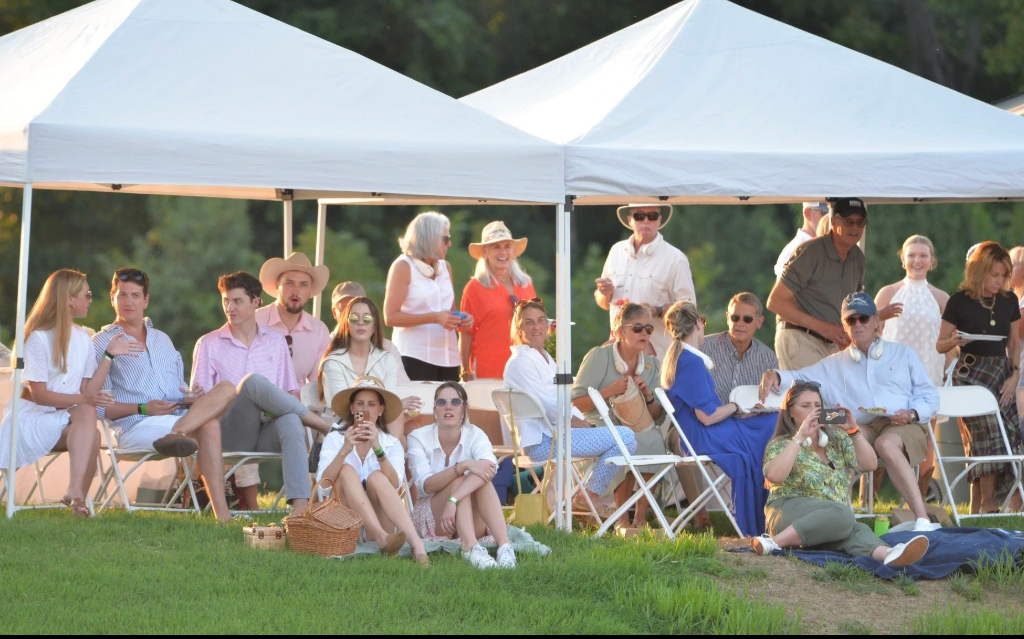
A chat at a farmers market. A shared observation at a polo match. A drink on a porch at sunset. Moments that seemed social became moments that defined careers.
The deals, partnerships, and brand loyalties that reshape industries don’t start in boardrooms. They start in the spaces between scheduled life. The Hamptons provide those spaces in concentrated form. Fourteen weeks of encounter probability that the rest of the year cannot match.
The relationships that become partnerships started over drinks, not decks. The trust that enables transactions formed in contexts that couldn’t be rehearsed. The geography that creates those contexts creates the deals that follow.
Around and around, and back home again. To a place where relationships form. Where trust compounds. Where everything consequential starts socially.
Part of the Polo Hamptons Series
For the complete strategic framework, read: How Polo Hamptons Became a Meeting Point for Capital, Culture, and Luxury Brands
Continue the 3 Series:
- Why the Hamptons Becomes a Temporary Capital City Every Summer
- What Happens When New York’s Most Powerful People Leave the City Together
Related: The Capital Structure Behind Celebrity Empires
For features, advertising, and partnership opportunities with Social Life Magazine, visit sociallifemagazine.com/contact. Experience where capital meets culture at Polo Hamptons. Subscribe to our print edition or support independent luxury journalism with a $5 donation.
Author
Written by
Recent Posts
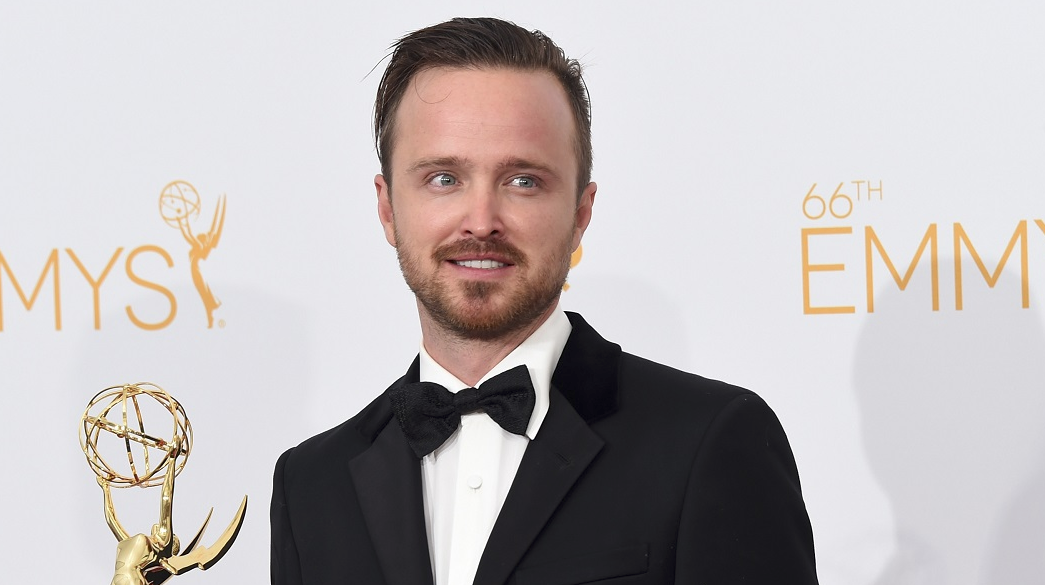
Aaron Paul Net Worth — His Character Was Supposed to Die in Season One. Instead He Made $30 Million.
Bryan Cranston Net Worth. He Played a Sitcom Dad for Seven Years. Then He Became the Most Dangerous Man on Television.
Breaking Bad Cast Net Worth. $130 Million Cooked in Five Seasons of Perfect Television

Cailee Spaeny Net Worth — From Springfield, Missouri to A24 and Alien in Three Years Flat
Wagner Moura Net Worth — He Learned Spanish to Play Escobar. Then He Learned English to Take Hollywood.
Categories
- Art
- Articles
- Beauty & Skincare
- Celebrities
- Celebrities|Movies
- Celebrities|The Chronicles
- Chronicles
- Entertainment|Culture
- Event Photos
- Events
- Fashion
- Fashion & Style
- Featured
- Food & Beverage
- Food, Spirits, Wine
- Hamptons
- Hamptons Celebrities
- Hamptons Celebrities|Celebrities|The Chronicles
- Health
- Health & Beauty
- Lifestyle
- Luxury Lifestyle
- Movies|Culture
- Movies|Hamptons Lifestyle
- Press
- Profiles
- Real Estate
- Technology
- The Chronicles
- Travel
- TV
- Uncategorized
- Weddings