
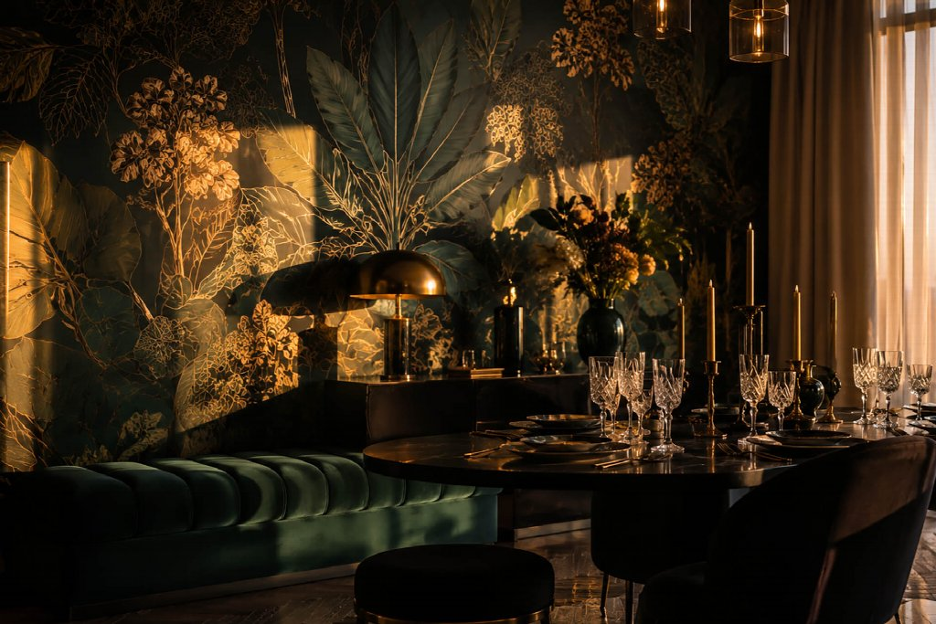
For years, luxury wallpaper was largely associated with East Coast interiors. Manhattan apartments, Hamptons vacation homes, and historic brownstones helped reintroduce bold patterns, panoramic murals, and richly textured wallcoverings after more than a decade dominated by white paint and minimalist design. Today, that same movement has expanded well beyond the coast, influencing residential interiors throughout Colorado and across the Mountain West.
Rather than serving as simple decoration, designer wallpaper has become a defining architectural feature. Homeowners are increasingly choosing walls that create atmosphere, express personality, and add visual depth—qualities that cannot be achieved with paint alone.
From Coastal Design to National Demand
Interior design trends no longer remain regional for long.
Social media, online design publications, and nationwide relocation have dramatically accelerated the spread of design ideas. A Milton & King mural featured in a Hamptons renovation can inspire a Denver homeowner within days. A Schumacher botanical collection showcased in a New York townhouse quickly appears on mood boards prepared for homes in Boulder, Littleton, or Colorado Springs.
Luxury wallpaper is no longer viewed as an East Coast design statement—it’s becoming part of a broader movement toward more personalized, curated interiors.
Real estate professionals have noticed the shift as well. Homes featuring thoughtfully designed wallpapered entryways, powder rooms, dining rooms, or primary bedrooms often create stronger first impressions in listing photography and online marketing. Distinctive interiors tend to stand out in increasingly competitive housing markets where buyers expect more than neutral finishes.
Why Designer Wallpaper Continues to Grow
Several factors are driving this renewed popularity.
Homeowners today are spending more time in their living spaces than ever before and are investing in interiors that reflect their personalities instead of simply maximizing resale appeal. At the same time, buyers relocating from California, New York, Florida, and other design-forward markets often bring their preferred aesthetic with them, introducing premium wallcoverings into Colorado homes.
Luxury manufacturers have also expanded both their collections and material technologies. Brands such as Milton & King, Schumacher, Phillip Jeffries, Sandberg, and Graham & Brown now offer everything from panoramic murals and oversized botanicals to refined grasscloths, textured vinyls, and contemporary geometric designs suitable for virtually every interior style. Homeowners exploring designer wallpaper brands today have access to a far wider range of materials, price points, and design languages than the market offered even five years ago.
Instead of asking whether wallpaper belongs in modern homes, today’s homeowners are asking which collection best complements their architecture, lighting, furnishings, and lifestyle.
Why Colorado Homes Require a Different Approach
Although the design trend originated in coastal markets, successful wallpaper installation in Colorado requires different considerations.
The state’s dry climate, higher elevation, lower humidity, and intense sunlight all influence how wallcoverings perform over time. South-facing rooms receive significantly more UV exposure than many coastal homes, while seasonal humidity fluctuations affect wall preparation and adhesive performance.
Material selection therefore becomes just as important as aesthetic preference.
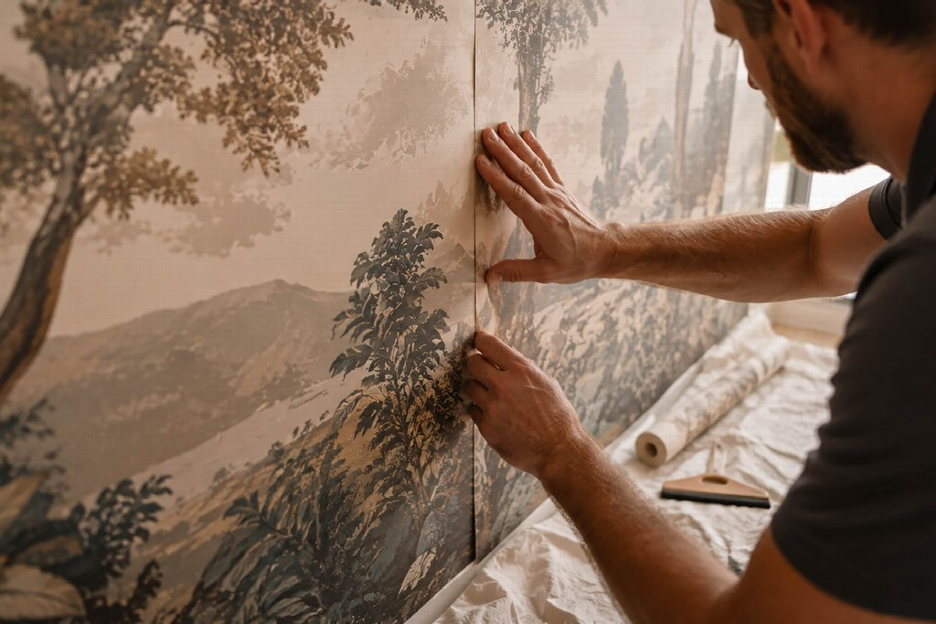
Natural grasscloth behaves differently than premium non-woven wallpaper. Large panoramic murals demand precise wall measurements and panel sequencing. Heavy designer vinyls require different installation techniques than traditional paper wallcoverings.
These decisions are difficult to make using an online catalog alone.
Professional Installation Matters More Than Ever
As homeowners invest in premium designer wallcoverings, installation quality becomes a significant part of the overall investment.
Luxury wallpaper often features oversized repeats, panoramic scenes, intricate murals, metallic inks, embossed textures, or handcrafted finishes that leave very little room for installation error. Proper wall preparation, accurate layout planning, seam placement, and pattern alignment determine whether the finished project looks truly architectural or simply expensive.
Many homeowners researching wallpaper installers in Littleton, CO begin by comparing experience with designer brands, wall preparation methods, and knowledge of Colorado’s unique environmental conditions before selecting an installer. Increasingly, the conversation starts with choosing the right material for the space long before discussing the pattern itself.
Designer Wallpaper Is Becoming a Long-Term Design Choice
Unlike short-lived decorating trends, today’s wallpaper revival has shown remarkable staying power.
Rather than relying on temporary statement pieces, homeowners are incorporating designer wallcoverings into permanent renovations, custom homes, luxury remodels, and whole-house interior redesigns. Accent walls remain popular, but entire rooms—including dining rooms, offices, bedrooms, powder rooms, and entry halls—are increasingly being finished with premium wallpaper collections.
Interior designers also view wallpaper as a practical design tool. It introduces scale, texture, warmth, and visual movement while helping define the character of a room without major structural renovation.
The Future Looks Personal
Perhaps the biggest reason designer wallpaper continues to grow is that homeowners are moving away from interiors designed solely for resale.
Instead, they want homes that reflect their own tastes and lifestyles.
Whether inspired by a Hamptons beach house, a historic Manhattan apartment, or a contemporary Colorado mountain residence, the goal is remarkably similar: creating spaces with individuality, craftsmanship, and lasting visual impact.
As premium wallpaper brands continue expanding across the United States, one thing appears increasingly certain—the revival that began along the East Coast has firmly established itself throughout Colorado, and designer wallcoverings are becoming a lasting part of modern residential design rather than a passing trend.
Author

Written by
Recent Posts
How to Pick a Homecoming Dress for Your Body Type and Feel Amazing in It
How to Prepare a Home for Sale When Major Repairs Are Not Affordable
From Everyday Comfort to Personal Style: My SHEIN Slipper Habit
5 Best Mitsubishi Heat Pump Companies in Seattle
Tech Gadgets as Modern Corporate Gifts: Useful Ideas for Employees and Clients
Categories
- Art
- Articles
- Business of Luxury
- Celebrities
- Culture
- Entertainment
- Events
- Faces of Summer 2026
- Fashion
- Fashion & Style
- Featured
- Finance
- Food, Spirits, Wine
- Hamptons
- Hamptons Celebrities
- Health
- Health & Beauty
- Lifestyle
- Luxury Lifestyle
- Press
- Profiles
- Real Estate
- Technology
- The Chronicles
- Travel
- Uncategorized
- Weddings