
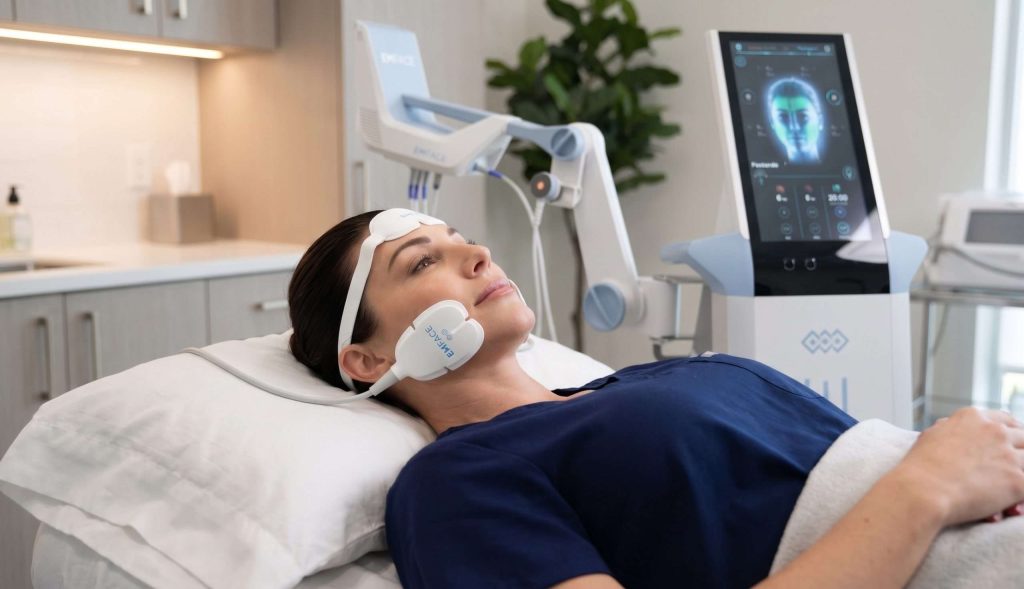
A smoother forehead. A more defined cheek contour. A face that looks subtly refreshed. EMFACE before-and-after photos can make the prospect of facial rejuvenation appealing, especially when you want to look like yourself with a little less visible fatigue. But two photographs rarely tell the whole story.
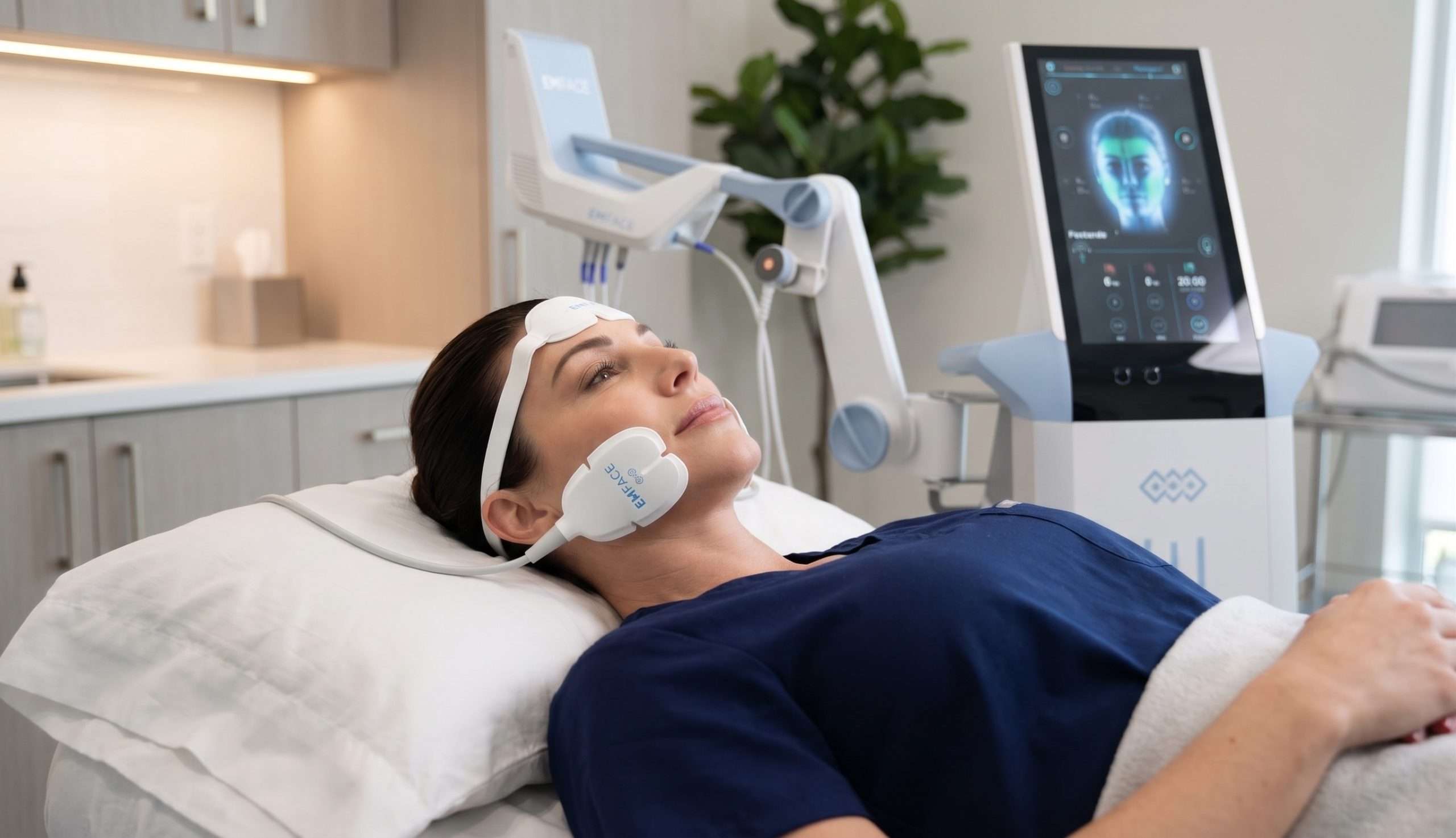
Understanding the treatment is a useful starting point. EMFACE combines radiofrequency heating with technology that stimulates facial muscle contractions, addressing the skin and underlying muscles. Natura Dermatology describes sessions lasting approximately 20 minutes and a typical course of four appointments spaced one week apart, with the plan tailored to the individual. These details appear in its overview of EMFACE treatment in Fort Lauderdale.
Before booking, look beyond the most striking transformation. The questions below can help you assess what a gallery actually shows and what still needs explaining.
Were Both Photos Taken Under the Same Conditions?
Start with the photography before evaluating the face. Differences in lighting, camera position, expression, and makeup can make a comparison harder to interpret.
Look for the same background, similar image size, and consistent shadows. Check whether the person holds their chin at the same angle and keeps their mouth relaxed in both photographs. A raised chin or slight smile can change how the lower face appears.
Ask whether the practice uses a standard photography setup and whether the images have been retouched or filtered. Request front-facing and side views when available.
You do not need to become a photography expert. You need a comparison in which the treatment result is easier to distinguish from differences in presentation.
How Long After Treatment Was the “After” Photo Taken?
An “after” label is incomplete without a date. Was the photograph taken after one appointment, after the full treatment course, or at a later follow-up?
Ask for three details: the number of sessions completed, the date of the last session, and the interval before the photograph was taken. Without that information, you cannot connect the image to a realistic appointment schedule.
For EMFACE facial rejuvenation, ask the clinician when they plan to assess your response and document it. Also ask whether they have photographs from more than one follow-up visit.
A sequence of dated images gives you more context than a single selected endpoint. It also helps clarify what the provider means when discussing early changes versus a later assessment.
Did the Person Have Other Cosmetic Treatments?
A before-and-after photograph may document an entire aesthetic plan rather than the effect of one procedure.
Ask whether the person received injectables, resurfacing, another energy-based treatment, or facial surgery between photographs. Changes in skincare, makeup, or body weight may also be worth discussing when interpreting the images.
The key question is straightforward: “Does this example show EMFACE alone, or a combination of treatments?”
Combination treatment is useful context, but the distinction matters when you are considering the likely result and cost of a single service. If several procedures contributed to the appearance shown, ask to see examples involving only the treatment you are considering.
Be cautious about attributing every visible difference to EMFACE when the treatment history is unclear.
How Closely Does This Patient’s Starting Point Resemble Yours?
A dramatic result on someone with different facial features may be less informative than a modest change on someone whose starting point resembles yours.
Ask to see examples involving similar concerns, such as forehead lines or changes in cheek definition. Age alone is a limited comparison. Have the clinician explain which aspects of the person’s anatomy and skin condition are relevant to your own assessment.
Then narrow the conversation to your priority. Instead of asking, “Will I look younger?” try, “What change would you reasonably expect in the area that bothers me?”
This encourages a specific discussion. It also gives the clinician room to explain where your expectations and the proposed treatment may not align.
Are These Typical Results or Selected Highlights?
A gallery shows the cases chosen for display. It does not tell you how frequently similar outcomes occur.
Ask whether the examples represent common results in the practice or particularly noticeable responses. Request examples of subtle improvement as well as stronger changes. A useful consultation should leave room to discuss limited improvement, too.
If percentages appear beside a photograph, ask what they measure. A change in a clinical score is not automatically equivalent to the same percentage of visible improvement in everyday life.
When a provider references research, ask about the number of participants, the follow-up period, and whether the treatment protocol matches what you are being offered. Keep the discussion connected to your decision rather than accepting a headline figure as a personal forecast.
What Does the EMFACE Cost Actually Include?
An attractive photograph cannot tell you whether the proposed treatment fits your budget. Ask for a written estimate covering the complete recommended course.
To compare EMFACE cost meaningfully, confirm:
- How many sessions and treatment areas are included.
- Whether consultation and follow-up appointments carry separate fees.
- Whether photographs and progress assessments are included.
- Whether any additional procedures are being recommended.
- What future maintenance, if recommended, would cost.
Also ask what happens if your schedule changes or the clinician revises the plan after assessing your response.
A per-session price and a package price are only comparable when you understand their contents. Give yourself time to review the estimate alongside the expected benefit, especially if the improvement being discussed is subtle.
What Should the Consultation Cover Beyond Photographs?
Images are only one part of deciding whether to proceed. Ask who will assess you, who will perform the treatment, and what training and relevant experience each person has.
Bring your medical history and a record of previous cosmetic procedures. Ask the clinician to explain any reasons the treatment might be unsuitable for you, the potential side effects, and how concerns would be handled afterward.
Make the conversation practical: What should treatment feel like? What would warrant contacting the office? Are there preparation instructions or restrictions relevant to your routine?
If you are scheduling around travel, a wedding, or another event, share the date before committing. Ask the clinician to explain how the proposed schedule fits that deadline.
How Will You Decide Whether the Result Was Worthwhile?
Before treatment, identify one or two changes that would matter to you. This creates a clearer basis for evaluating the outcome than a general hope of looking refreshed.
Ask the practice to document your starting point with consistent photographs and agree on a follow-up assessment. At that visit, review the same angles and discuss whether the original goals were met.
The most useful EMFACE before-and-after photos come with context: dates, treatment details, consistent photography, and an honest explanation of variability. Leave the consultation understanding what improvement is being proposed, how it will be assessed, and what you will pay. Those answers deserve as much attention as the photograph that first caught your eye.
Author

Written by
Recent Posts

Rome’s Luxury Nightlife: An Insider Guide
EMFACE Before-and-After Photos: What to Ask Before You Book
What a Truck’s Digital Records Can Reveal After a Crash

What Factors Can Influence Compensation for Traumatic Brain Injury?

Legal Challenges a Slip and Fall Attorney Can Handle for You
Categories
- Art
- Articles
- Business of Luxury
- Celebrities
- Culture
- Entertainment
- Events
- Faces of Summer 2026
- Fashion
- Fashion & Style
- Featured
- Finance
- Food, Spirits, Wine
- Hamptons
- Hamptons Celebrities
- Health
- Health & Beauty
- Lifestyle
- Luxury Lifestyle
- Press
- Profiles
- Real Estate
- Technology
- The Chronicles
- Travel
- Uncategorized
- Weddings