
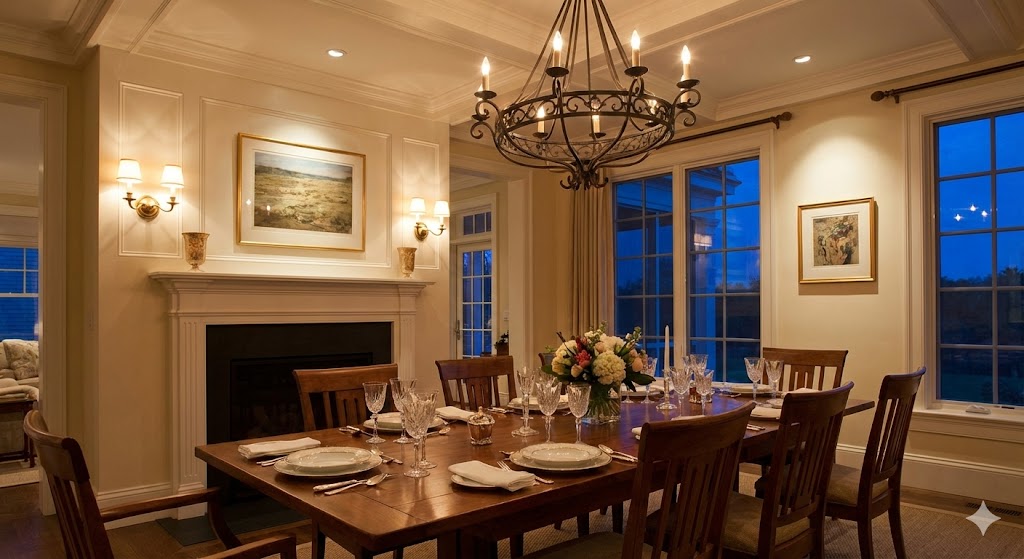
Lighting remains the most underestimated element in luxury interior design. Beautiful furniture, exquisite finishes, and thoughtful layouts fail to achieve their potential when lighting design disappoints. Conversely, excellent Hamptons lighting design elevates even modest interiors dramatically.
This invisible infrastructure determines how every other design element performs. Colors shift under different light sources. Textures reveal or hide depending on illumination angles. Rooms feel intimate or sterile based on lighting decisions. Understanding these dynamics helps homeowners make informed choices.
Why Lighting Design Matters Exceptionally
Light affects human experience more profoundly than any other environmental factor.
Circadian rhythms respond to light exposure. Morning bright light and evening warm dimness support healthy sleep patterns. Homes with thoughtful lighting support occupants’ wellbeing beyond aesthetic considerations.
Emotional responses correlate with lighting conditions. The same room feels completely different under harsh overhead light versus gentle layered illumination. Entertaining success depends partly on lighting creating appropriate atmospheres.
Architectural features require lighting revelation. Beautiful millwork, textured surfaces, and spatial proportions become visible through intentional lighting design. Without it, costly investments remain invisible.
Harvard Business Review research on workplace environments demonstrates lighting’s impact on human performance and satisfaction. These findings extend naturally to residential contexts.
The Three Layers of Interior Lighting
Professional lighting design employs three complementary layers working together.
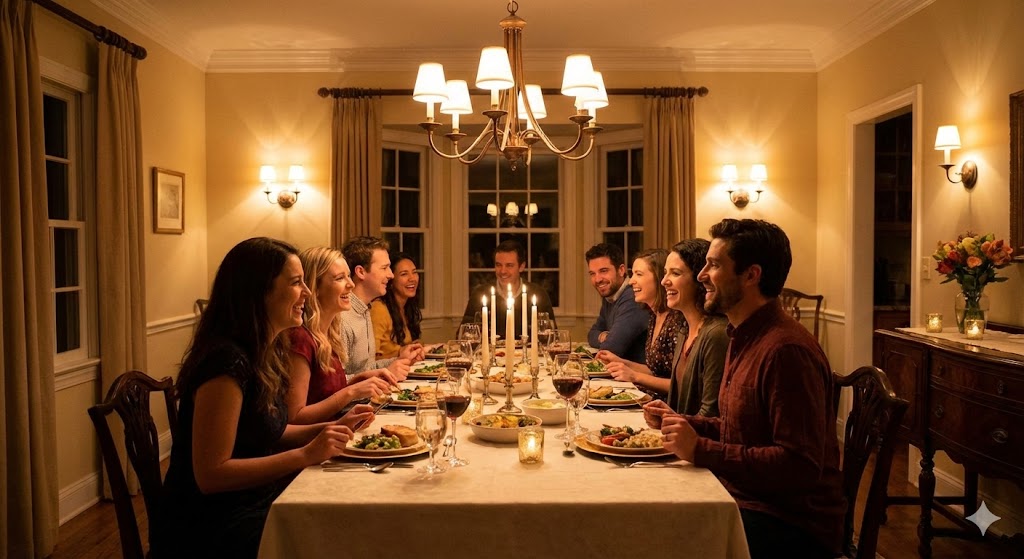
Ambient lighting provides general illumination enabling basic room function. Ceiling fixtures, recessed lighting, and cove lighting typically serve this purpose. Ambient light should distribute evenly without harsh spots or dark corners.
Task lighting supports specific activities. Reading lamps, under-cabinet kitchen lights, and vanity fixtures enable particular functions. These sources provide focused illumination where activities demand it.
Accent lighting creates emphasis and atmosphere. Picture lights, display case illumination, and architectural spotlights draw attention to features deserving notice. Accent lighting adds drama and guides visual attention.
Successful rooms employ all three layers in appropriate proportion. Overreliance on any single layer creates imbalanced environments.
Fixture Selection Principles
Choosing appropriate fixtures requires balancing multiple considerations.
Style alignment connects fixtures to overall design direction. Modern transitional interiors call for fixtures bridging historical and contemporary references. Pure traditional rooms need historical fixture forms. The fixture vocabulary must complement surroundings.
Scale relationships determine visual balance. Undersized chandeliers disappear in tall spaces. Oversized table lamps overwhelm adjacent furniture. Careful proportion analysis prevents mismatch.
Light quality affects color rendering. LEDs vary dramatically in how accurately they render colors. High-CRI sources preserve the appearance of furnishings and art. Inexpensive LEDs can distort colors unpleasantly.
Architectural Digest’s lighting features regularly showcase fixtures achieving appropriate style, scale, and quality. These resources provide useful reference.
Dimmers and Controls
Lighting control capability determines flexibility and atmosphere.
Dimming transforms single fixtures into variable tools. The same chandelier serves bright morning coffee and intimate dinner party needs through dimmer adjustment. Rooms without dimming capability feel rigid.
Scene controls simplify complex environments. Programming multiple fixture groups into preset scenes enables one-touch atmosphere changes. “Dinner party” might dim overhead lighting, raise accent levels, and activate outdoor illumination simultaneously.
Smart home integration extends control convenience. Voice commands, smartphone apps, and automated schedules reduce friction in lighting adjustments. Systems like Lutron provide professional-grade smart lighting.
Natural light management deserves equal attention. Motorized shades and blinds control daylight entry. Integrating these controls with artificial lighting creates comprehensive illumination management.
Room-by-Room Lighting Strategies
Different spaces present distinct lighting requirements.
Entry areas establish first impressions. Statement chandeliers or pendants provide focal points while sufficient ambient light welcomes visitors. Artwork lighting highlights collection pieces visible upon arrival.
Living rooms demand flexibility for varied activities. Conversation groupings need comfortable ambient light. Reading areas require task lighting. Art displays warrant accent lighting. All layers should operate independently through separate controls.
Dining rooms benefit from dramatic chandelier centerpieces. Properly positioned and sized chandeliers create visual anchors. Dimming capability proves essential as dining moods range from casual lunch to formal dinner.
Kitchens require bright task lighting for food preparation combined with ambient comfort for casual gathering. Under-cabinet lights illuminate work surfaces. Pendant fixtures above islands provide both task and decorative purposes.
Bedrooms prioritize comfort and function. Reading lights beside beds serve practical needs. Ambient lighting provides general illumination. Closet lighting enables wardrobe selection. Bathroom connections benefit from transition-appropriate lighting.
Exterior Lighting Design
Outdoor illumination extends living environments and enhances property security.
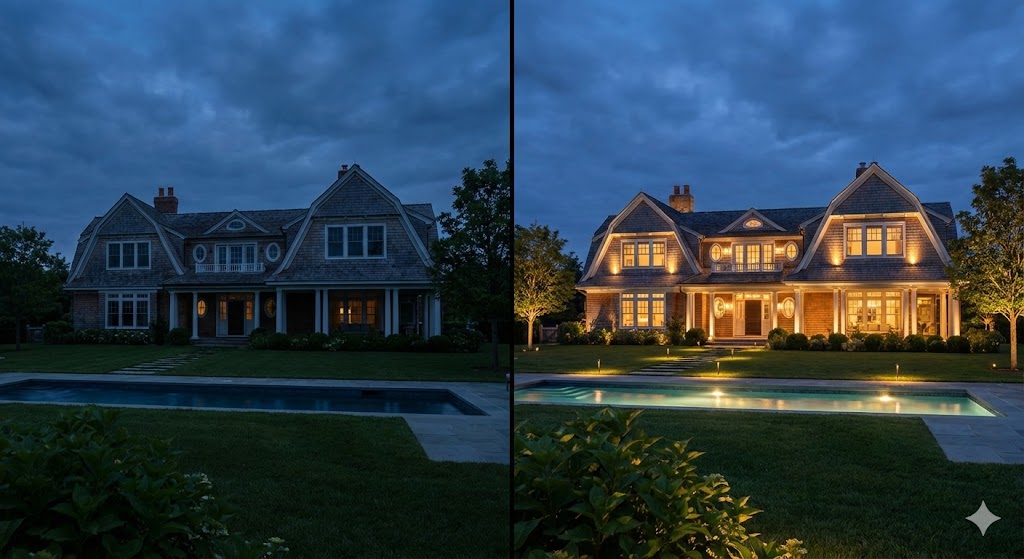
Landscape lighting highlights property features. Specimen trees, garden structures, and architectural elements deserve accent lighting. The technique called “moonlighting”—down-lighting from trees—creates particularly natural effects.
Path lighting ensures safe navigation. Walkways connecting parking to entries, main residence to pool house, and garden rooms require appropriate illumination for evening use.
Facade lighting showcases architecture. Carefully positioned fixtures reveal building forms and create welcoming entrances. Proper techniques avoid the harsh “prison yard” effect of poorly designed security lighting.
Pool and water feature lighting adds evening drama. Underwater fixtures, fountain illumination, and surrounding landscape lighting create magical nighttime pool environments.
Common Lighting Mistakes
Experience reveals frequent errors homeowners should avoid.
Relying exclusively on overhead fixtures creates flat, institutional environments. Rooms lit only from above lack depth and drama. Even budget renovations benefit from adding table and floor lamps.
Neglecting task lighting frustrates practical activities. Beautiful rooms that don’t support actual reading, cooking, or grooming fail their occupants despite aesthetic success.
Ignoring outdoor lighting abandons property after dark. Magnificent gardens and architectural features disappear completely without illumination. The investment in landscape and building becomes invisible nightly.
Choosing fixtures for appearance alone ignores function. Decorative fixtures that provide inadequate light or wrong-color illumination disappoint despite visual appeal.
The Integrated Design Advantage
At D&J Concepts, lighting design integrates with overall interior and exterior design.
We specify lighting simultaneously with furnishings and finishes. This coordination ensures fixtures support and enhance other design elements rather than conflicting with them.
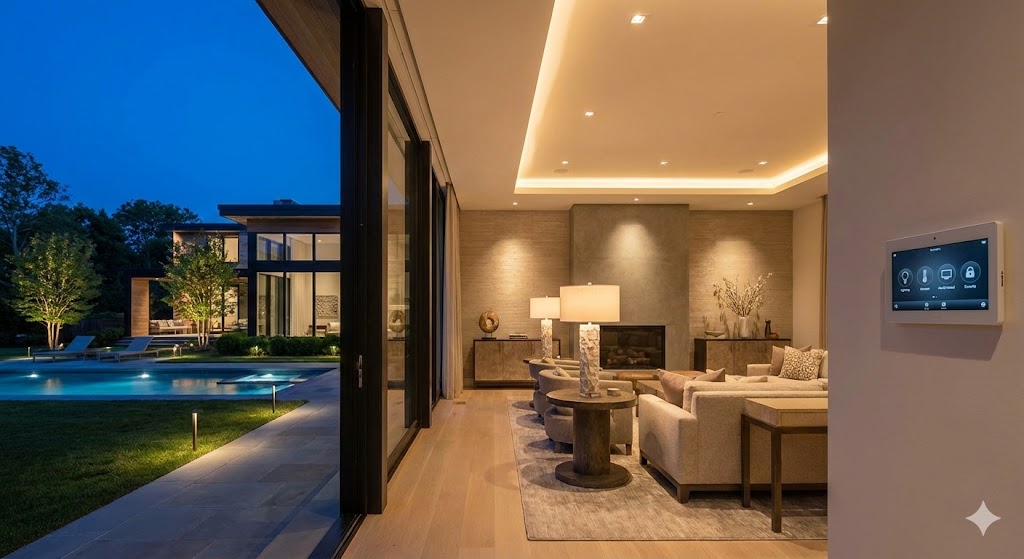
Control systems coordinate with overall technology planning. Lighting integrates with audio-visual, climate, and security systems for comprehensive smart home capability.
Landscape lighting connects with architectural illumination. The same design team handling interior lighting manages exterior lighting, ensuring seamless property-wide coverage.
Planning Lighting for New Construction and Renovation
Whether building new or renovating existing homes, lighting planning should begin early.
Electrical rough-in constrains future possibilities. Recessed fixture locations, switch positions, and wire runs determine what’s possible. Early lighting design input prevents costly change orders.
Existing conditions sometimes limit options. Renovation projects may need creative solutions when ideal fixture locations lack electrical access. Experienced designers navigate these constraints.
Budget allocation deserves attention. Quality lighting fixtures, proper controls, and professional installation require substantial investment. Underfunding lighting disappoints despite savings elsewhere.
For comprehensive Hamptons lighting design consultation, contact Social Life Magazine for professional connections. Explore related approaches in Hamptons Landscape Architecture That Endures.
David Hornung leads D&J Concepts from Southampton, where his team delivers comprehensive design services including lighting design for the Hamptons’ finest properties. Learn more at dandjconcepts.com.
Author

Written by
Recent Posts

Aaron Paul Net Worth — His Character Was Supposed to Die in Season One. Instead He Made $30 Million.

Bryan Cranston Net Worth. He Played a Sitcom Dad for Seven Years. Then He Became the Most Dangerous Man on Television.

Breaking Bad Cast Net Worth. $130 Million Cooked in Five Seasons of Perfect Television

Cailee Spaeny Net Worth — From Springfield, Missouri to A24 and Alien in Three Years Flat

Wagner Moura Net Worth — He Learned Spanish to Play Escobar. Then He Learned English to Take Hollywood.
Categories
- Art
- Articles
- Beauty & Skincare
- Celebrities
- Celebrities|Movies
- Celebrities|The Chronicles
- Chronicles
- Entertainment|Culture
- Event Photos
- Events
- Fashion
- Fashion & Style
- Featured
- Food & Beverage
- Food, Spirits, Wine
- Hamptons
- Hamptons Celebrities
- Hamptons Celebrities|Celebrities|The Chronicles
- Health
- Health & Beauty
- Lifestyle
- Luxury Lifestyle
- Movies|Culture
- Movies|Hamptons Lifestyle
- Press
- Profiles
- Real Estate
- Technology
- The Chronicles
- Travel
- TV
- Uncategorized
- Weddings