
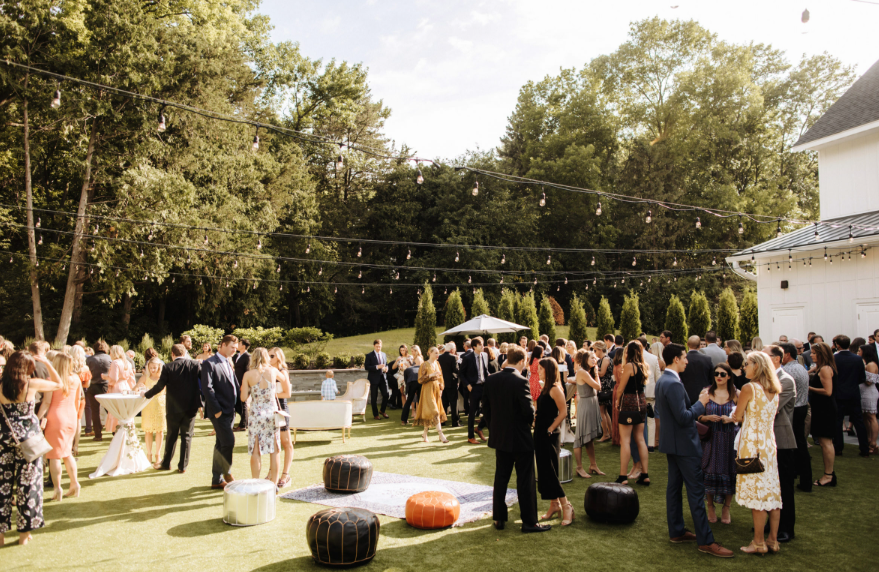
Then she attended a Saturday afternoon at a polo match in Bridgehampton. A hospitality brand she barely recognized had created an environment so compelling that three hours passed before she checked her phone. By the time she left, she’d made genuine connections with two potential clients, enjoyed conversations she’d remember for years, and developed affection for a brand whose advertisements she’d never noticed.
Walking to her car, the realization was uncomfortable: everything she’d mastered was becoming obsolete.
The Fundamental Shift in Luxury Marketing Psychology
For decades, luxury marketing operated on a simple premise: attention leads to desire, and desire leads to purchase. The game was capturing attention more effectively than competitors. Media budgets, creative excellence, and strategic placement determined winners and losers.
The premise still works for commodity categories where purchase decisions are rational and comparison-based. But luxury operates differently. Luxury purchase decisions emerge from emotional affiliation rather than informed evaluation. Wealthy consumers don’t choose brands because advertisements convinced them of superior value. They choose brands they feel connected to on levels that logic cannot explain.
This emotional connection cannot be manufactured through interruption. You cannot advertise your way into someone’s heart. You cannot purchase genuine affinity. The only path to emotional connection is through shared experience—which is precisely what hosting provides and advertising cannot.
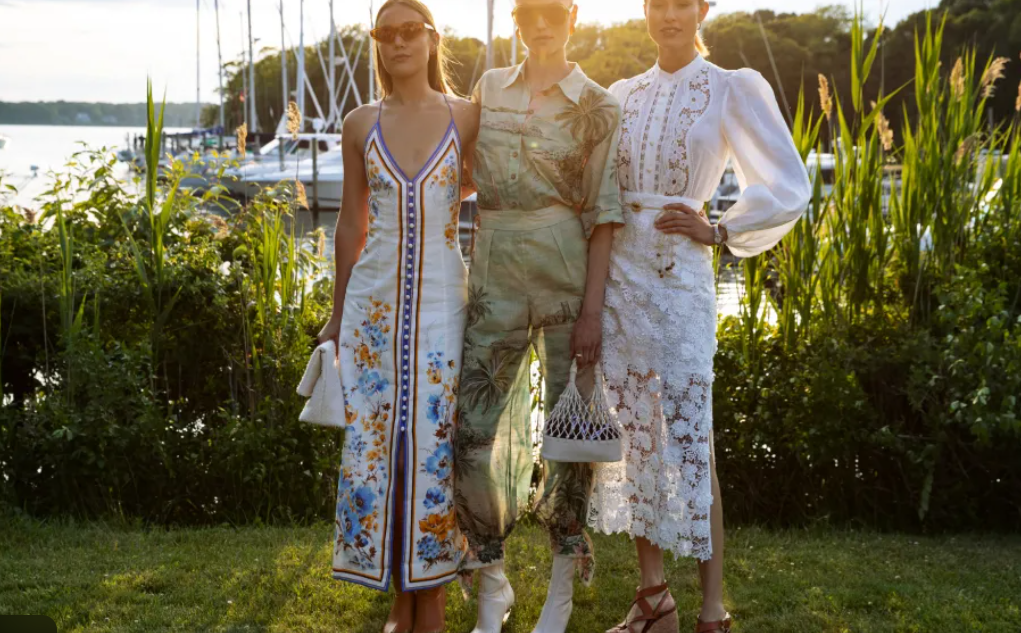
The Psychology of Hosts Versus Advertisers
Consider the psychological posture of each approach. Advertising assumes the consumer’s attention must be captured and held. The brand pursues; the consumer evades. This dynamic is adversarial regardless of how friendly the creative appears. That advertiser wants something from the consumer: their attention, their consideration, ultimately their money.
Hosting assumes the consumer’s presence is a gift to be honored. That brand welcomes; the consumer arrives. Dynamics become generous regardless of commercial intent. Hosts offer something to guests: comfort, pleasure, connection, belonging. The commercial relationship flows from gratitude rather than persuasion.
Wealthy consumers can sense this distinction instantly. They’ve been pursued their entire adult lives. Every brand wants their attention. Every advertiser wants their wallet. The constant pursuit creates exhaustion and cynicism. They’ve developed sophisticated defenses against marketing approaches that feel extractive.
When a brand hosts well, those defenses lower. The consumer isn’t being chased. They’re being welcomed. The commercial context recedes while the social context expands. Trust forms in this psychological space that advertising cannot access.
Why Cabana-Style Presence Feels Natural, Not Commercial
The phrase “cabana-style presence” describes a specific hospitality approach that succeeds where traditional sponsorship fails. Instead of plastering logos everywhere and treating event attendance as media exposure, cabana-style presence creates intimate environments where the brand becomes host rather than advertiser.
The distinction is visible in physical design. Traditional sponsorship maximizes brand visibility: banners, branded merchandise, logo placement on every surface. Cabana-style presence minimizes explicit branding while maximizing experiential quality: comfortable seating, attentive service, thoughtful details, genuine hospitality.
The distinction is felt in emotional experience. Traditional sponsorship feels commercial because it obviously is commercial. Guests know they’re being marketed to, and the awareness creates resistance. Cabana-style presence feels social because it genuinely is social. Guests experience hospitality rather than advertising, and gratitude replaces resistance.
The mathematics of hosting versus advertising become clear when you examine conversion rates. A well-designed cabana hosting fifty guests over an afternoon might generate more substantive business relationships than a media campaign reaching millions. The numbers seem impossible until you understand that relationship depth matters more than exposure breadth in luxury markets.
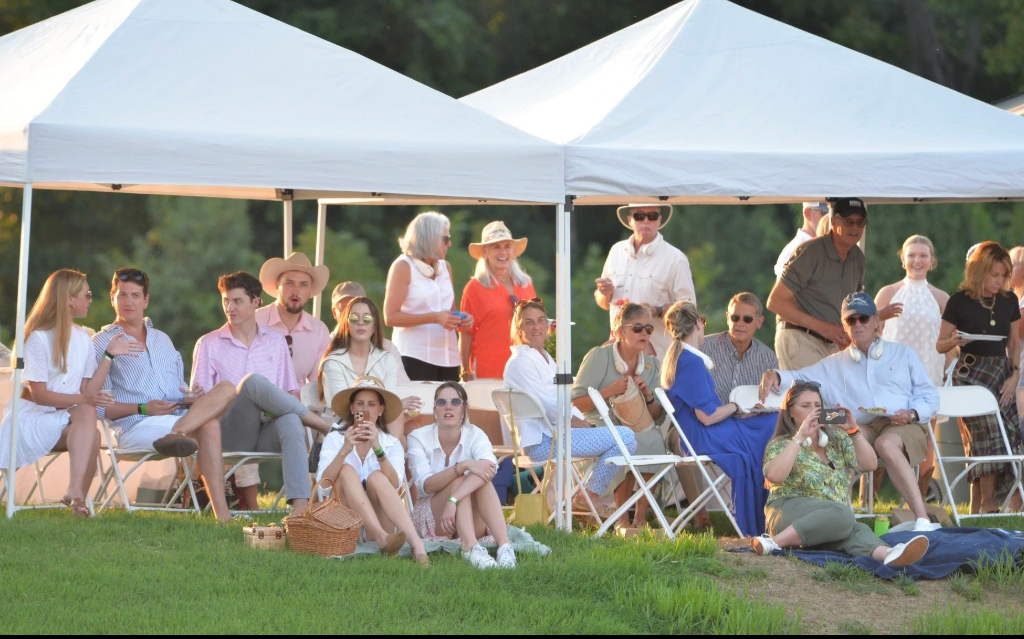
The Physics of Social Gravity
Advertising pushes. Hosting pulls. The physical metaphors reveal psychological reality.
Push marketing fights natural resistance. People have developed instincts to avoid advertising. They skip commercials, scroll past sponsored content, ignore banner ads, and filter promotional email. Each push encounters counterpressure. The more brands push, the more consumers develop defenses.
Pull marketing aligns with natural desire. People want to belong to compelling environments. They seek quality social experiences. They appreciate genuine hospitality. Creating spaces people want to inhabit generates attraction that requires no pushing.
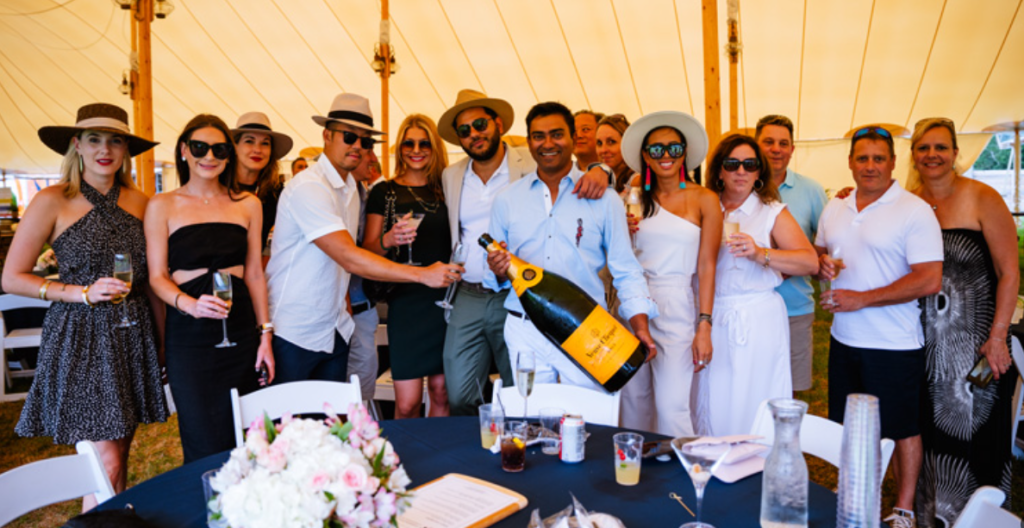
At Polo Hamptons, the most successful brand activations operate entirely on pull. They create environments so desirable that attendance becomes its own reward. Guests don’t feel marketed to because they don’t feel pursued. They feel welcomed, which is an entirely different psychological experience.
Executive Psychology: What Decision-Makers Actually Value
Understanding executive psychology is essential for designing hospitality that converts. Senior leaders have different needs and different filters than mass consumers. Approaches that work in broad markets often fail with high-net-worth audiences.
Executives are time-conscious. They filter opportunities ruthlessly because they must. Anything that doesn’t obviously merit attention gets ignored. Advertising falls into this category regardless of quality. Executives don’t engage with ads because engaging with ads doesn’t seem like valuable use of limited time.
But executives are also relationship-hungry. Leadership is isolating. The higher you rise, the fewer peers you have. Genuine connection becomes both rarer and more valuable. Events that facilitate quality peer connection address a real need that executives recognize and prioritize.
This is why hospitality works when advertising doesn’t. Advertising asks executives to spare attention they’ve learned to protect. Hospitality offers executives something they genuinely want: access to peers in environments conducive to real connection.
The Discretion Premium
The decline of visible branding reflects a broader shift in how sophisticated consumers signal status. Loud logos once communicated success; now they communicate insecurity. The wealthy have migrated toward subtler markers that require knowledge to recognize.
This preference extends to events and experiences. Executives value discretion. They want to enjoy themselves without feeling like props in someone else’s marketing campaign. Heavy branding makes them feel used. Subtle presence makes them feel respected.
The discretion premium explains why the most successful high-end hospitality often features minimal brand visibility. The host demonstrates sophistication by restraining the commercial impulse. Guests appreciate the restraint and develop positive associations precisely because they weren’t aggressively pursued.
The Three Dimensions of Experiential Luxury Marketing
Effective luxury hosting operates across three dimensions that together create durable brand affiliation. Understanding these dimensions helps brands design experiences that generate maximum long-term value.
Dimension One: Environmental Quality
The physical environment communicates brand values more effectively than any message. Every design choice—seating comfort, lighting quality, spatial flow, service choreography—creates impressions that aggregate into brand perception.
Environmental quality must be genuinely excellent, not merely expensive. Wealthy consumers distinguish instantly between authentic quality and purchased ostentation. They’ve seen enough mediocrity disguised by luxury trappings to recognize the difference. Excellence requires taste and care, not just budget.
At premier polo events, the brands that succeed invest disproportionately in environmental details that most guests won’t consciously notice but will definitely feel. Weight of the glassware matters. Attentiveness of service timing registers. Comfort of extended seating lingers. These details compound into overall experience quality that guests remember long after leaving.
Dimension Two: Social Curation
Environment matters, but people matter more. The guests assembled in a space determine its social value. A beautiful cabana filled with boring people creates mediocre experience. A modest setting filled with fascinating people creates memorable afternoon.
Guest curation is the hospitality skill most brands underinvest in. They focus on environment because environments are easier to control. But sophisticated guests evaluate events primarily by who else attends. They want access to interesting peers, potential partners, and stimulating conversation. The guest list is the product.
What executives actually remember after great afternoons centers on relationships formed, not environments enjoyed. This serendipitous introduction to a future partner. That conversation that opened unexpected possibilities. That connection that developed over shared experience. These relationship memories persist for years while environmental memories fade.
Dimension Three: Emotional Anchoring
The third dimension transforms presence into preference. Emotional anchoring is the process by which positive feelings become associated with brands through direct experience. It operates below conscious awareness but generates powerful effects.
When someone spends a genuinely pleasant afternoon in a space a brand has created, the pleasure anchors to the brand. The association is automatic. It doesn’t require explicit brand messaging or conscious brand consideration. It forms through the simple mechanism of emotional learning: this brand was present during something good, therefore this brand feels good.
Anchoring requires the host to resist the instinct toward explicit branding. Heavy messaging interrupts emotional experience and prevents anchoring from forming. The best hospitality creates positive emotion without explicitly demanding brand recognition. This recognition forms naturally through association.
Case Study: How Polo Becomes Brand Laboratory
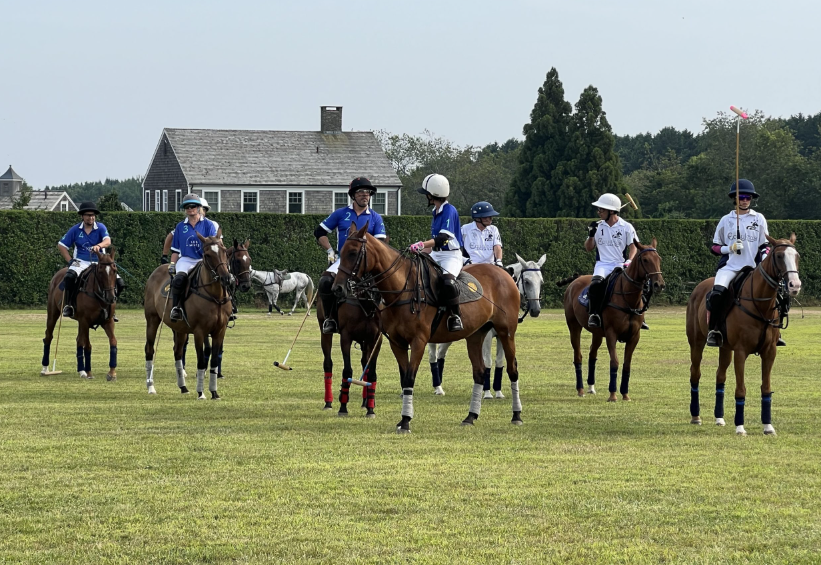
Polo provides an ideal environment for studying luxury hospitality effectiveness. Polo attracts precisely the demographic most brands struggle to reach. Multiple chukkers with breaks between—creates natural rhythm for both sport viewing and social interaction. Aesthetics signal quality without requiring explanation.
At Polo Hamptons in Bridgehampton, brands have discovered that polo’s environmental advantages amplify hosting effectiveness. The sport handles status signaling automatically, freeing brands from that burden. This cadence creates natural conversation opportunities. That outdoor setting permits relaxed engagement impossible in formal venues.
The brands that succeed treat polo as hosting platform rather than advertising venue. They don’t measure success in logo visibility or impression counts. They measure success in relationship quality and subsequent engagement. A single afternoon might generate only fifty interactions, but if five of those interactions develop into substantive relationships, the ROI dramatically exceeds traditional advertising.
The Compound Interest of Consistent Presence
One-time hosting creates one-time value. Consistent presence compounds. Brands that return year after year to the same events develop reputation advantages that newcomers cannot match.
Regular attendees learn which brands host well. Word spreads about who creates genuinely excellent experiences versus who treats hospitality as disguised advertising. This reputation becomes a moat. Once a brand is known for hosting excellence, guests actively seek invitation. The dynamic shifts from push to pull permanently.
The celebrity success pattern illustrates this compound effect. Stars who consistently host well—who create genuine value for their guests rather than extracting attention from them—build loyal communities that support long-term business success. The hosting mindset scales from individual to corporate application.
Metrics That Matter: Beyond Impressions
Traditional advertising metrics count impressions, clicks, and conversions. These metrics assume a linear path from exposure to purchase. They measure quantity rather than quality. They optimize for reach rather than depth.
Hosting requires different metrics. Relationship depth matters more than relationship breadth. Emotional resonance matters more than brand recall. Future engagement potential matters more than immediate response.
The relevant questions shift. Instead of asking “how many people did we reach?” ask “how deeply did we connect with the people who matter?” Instead of measuring immediate conversion, measure relationship development over months and years. Instead of counting interactions, evaluate interaction quality.
This measurement approach requires patience that quarterly reporting pressures make difficult. But brands that commit to relationship-based metrics eventually outperform brands that optimize for impression counts. The compound returns on genuine relationship building exceed the diminishing returns on expanded reach.
The Strategic Imperative: From Advertising to Hosting
The shift from advertising to hosting is not optional for brands competing in luxury markets. Consumer psychology has changed. Media consumption has fragmented. Traditional interruptive approaches generate diminishing returns while experiential approaches compound in value.
Making this shift requires organizational change. Marketing departments built for media buying must develop hospitality capabilities. Campaign-oriented thinking must give way to relationship-oriented thinking. Short-term measurement must accommodate long-term value creation.
The transition is difficult but the destination is clear. Brands that learn to host will build the emotional affiliations that drive luxury purchase decisions. Brands that persist in advertising will find their audiences increasingly immune to interruption.
The polo field offers a proving ground. The hospitality skills that succeed here—environmental excellence, social curation, emotional anchoring—translate across contexts. Brands that master hosting in environments like Polo Hamptons develop capabilities that create competitive advantage wherever wealthy consumers gather.
The Architecture of Effective Hosting
Moving from theory to practice requires understanding the architectural elements of effective hospitality. Each element contributes to overall experience quality. Missing any element compromises the whole.
Pre-event curation. Guest selection determines social value. Invitations should be strategic rather than generous. Quality of attendance matters more than quantity. Consider which combinations of guests create conversation potential.
Arrival experience. First impressions anchor expectations. The transition from arrival to engagement should feel welcoming without being overwhelming. Service should be present but not intrusive. Guests should feel valued immediately.
Environmental design. Space should facilitate connection. Seating arrangements that enable conversation rather than parallel observation. Lighting that flatters without glaring. Acoustics that permit speech without strain. Flow that feels natural rather than choreographed.
Service choreography. Hospitality should anticipate needs before guests express them. Service that’s present when wanted and invisible when not. Pacing that allows relaxation without neglect. Staff trained to read social dynamics rather than following scripts.
Conclusion design. Endings disproportionately shape memories. How guests depart influences how they remember the experience. The final moments should feel gracious rather than rushed. Future contact should feel welcome rather than obligatory.
Explore the Psychology of Luxury Presence
- Why Hosting Beats Advertising in High-Net-Worth Circles
- The Decline of the Logo, the Rise of the Experience
- What Executives Actually Remember After a Great Afternoon
Related Series
- How Fame Becomes Fortune: The Capital Mechanics Behind Celebrity Wealth
- Celebrity Success Secrets Revealed Through Research
- Polo Hamptons Bridgehampton: The Complete Networking Guide
Ready to transform your brand from advertiser to host? Contact us at sociallifemagazine.com/contact for cabana sponsorship packages, brand activation partnerships, and VIP hospitality design consultation.
Experience the power of presence at Polo Hamptons, where hosting creates gravity and relationships convert that impressions never reach.
Join our email list for exclusive invitations to Social Life events, luxury brand activations, and Hamptons lifestyle intelligence.
Subscribe to our print edition delivered to your Hamptons residence or Manhattan pied-à-terre.
Part of the Polo Hamptons Series
For the complete strategic framework, read: How Polo Hamptons Became a Meeting Point for Capital, Culture, and Luxury Brands
Continue the 5 Series:
- Why Hosting Beats Advertising in High-Net-Worth Circles
- The Decline of the Logo, the Rise of the Experience
- What Executives Actually Remember After a Great Afternoon
Related: What Separates a Crowd From a Room—and Why Principals Know the Difference
For features, advertising, and partnership opportunities with Social Life Magazine, visit sociallifemagazine.com/contact. Experience where capital meets culture at Polo Hamptons. Subscribe to our print edition or support independent luxury journalism with a $5 donation.
Author

Written by
Recent Posts

Sofia Vergara Net Worth: The $180M Parallel Construction
Mel Gibson Net Worth: The $425M Architecture Lesson

Mariah Carey Net Worth: The $350M Renegotiation
Kevin Federline Net Worth: The $1M Cautionary Tale

Jennifer Aniston Net Worth: The $300M Post-Divorce Blueprint
Categories
- Art
- Articles
- Beauty & Skincare
- Celebrities
- Celebrities|The Chronicles
- Chronicles
- Event Photos
- Events
- Fashion
- Fashion & Style
- Featured
- Food & Beverage
- Food, Spirits, Wine
- Hamptons
- Hamptons Celebrities
- Hamptons Celebrities|Celebrities|The Chronicles
- Health
- Health & Beauty
- Lifestyle
- Luxury Lifestyle
- Press
- Profiles
- Real Estate
- Technology
- The Chronicles
- Travel
- Uncategorized
- Weddings