
For most of the last century, selling a high-end home came down to location and a good set of photographs. You waited for the place to be finished, styled it, shot it in the best light you could get, and hoped the pictures did it justice. That approach still works. But at the very top of the market, something has changed — the homes that move fastest are increasingly sold with images of a house that doesn’t physically exist yet.
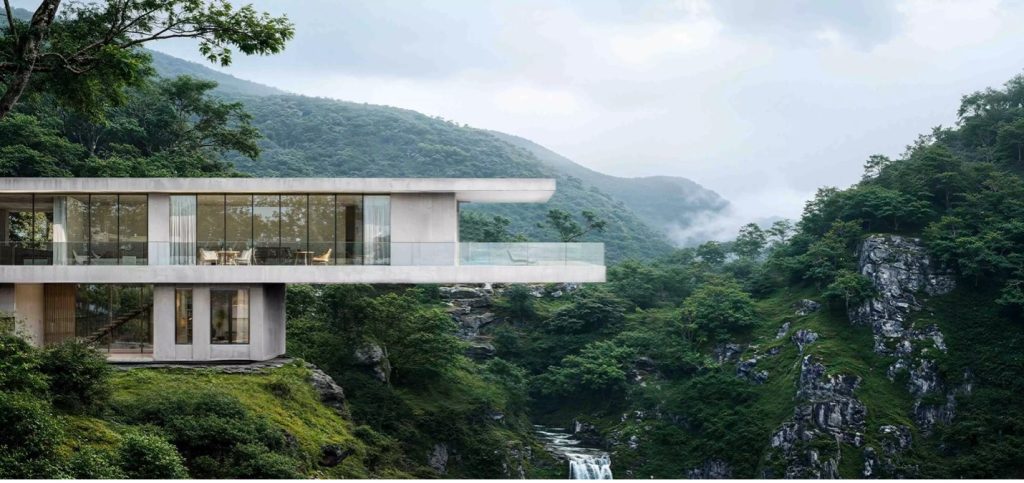
Computer-generated imagery used to belong to film studios and video games. Now it has quietly become one of the sharpest tools a luxury seller has. A buyer can walk through a penthouse that is still a concrete shell. She can see a Hamptons estate in the exact light of a July evening, or weigh two kitchen schemes before anyone orders a single cabinet. For developers competing over a very particular kind of buyer, that head start matters more than most people realize.
Selling a home that isn’t built yet
The clearest change is in new construction. A developer putting up a collection of waterfront residences no longer waits two years for completion to start selling. With a full set of renderings, the whole vision can be on the table from day one — the architecture, the materials, the way morning light lands across a great room.

For buyers at this level, that matters more than it might sound. Buying off-plan is an act of trust, and trust comes easier when you can actually see what you’re getting. A good render answers the questions a floor plan never will. How does the stone read against all that glass? Does the terrace really catch the sunset, or just the neighbor’s roofline? Any agent who has watched a buyer’s face fall during a first walk-through knows how expensive those surprises can be. When the answers are visible up front, decisions come faster.
Staging without moving a sofa
Existing homes have changed too. Traditional staging is slow and expensive, and it locks you into one look. A vacant listing can now be dressed digitally instead — the technique is called virtual staging, and it adds furniture, art, and styling to real photographs of empty rooms.
The appeal is obvious. One empty living room can be shown as a spare, minimalist retreat for one buyer and a warm, layered family space for another. No moving trucks, no rental furniture, no month-long setup. And buyers who struggle to picture potential in bare rooms are simply handed a finished version instead. Done well, you honestly can’t tell it from a photograph.
Getting the design right before it’s permanent
Rendering isn’t only a sales tool. It’s also how the best design decisions get made. Renovations live or die on choices that are painful to undo — the wrong marble, an island that eats the walking space, a palette that turns cold under downlights.
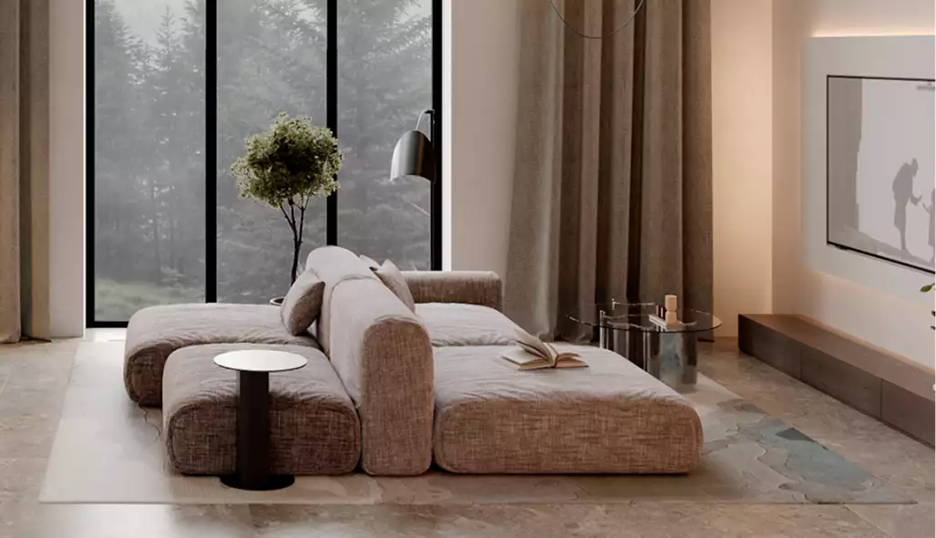
So a client sees three versions of a room before committing to any of them. Materials get swapped, walls move, lighting is dialed in, all on screen rather than on site — photorealistic interiors of every option, side by side. The home ends up feeling considered because, well, it actually was. It’s the same trick behind those effortless-looking interiors everyone admires: the hard calls happen early, while they’re still cheap to change.
It’s a feeling, not a floor plan
Here’s what separates a good render from a great one — emotion. Luxury buyers aren’t shopping for square footage. They’re buying a life, and the best imagery gets that. It shows the house at golden hour, a table set for friends, a quiet room that catches the afternoon light.
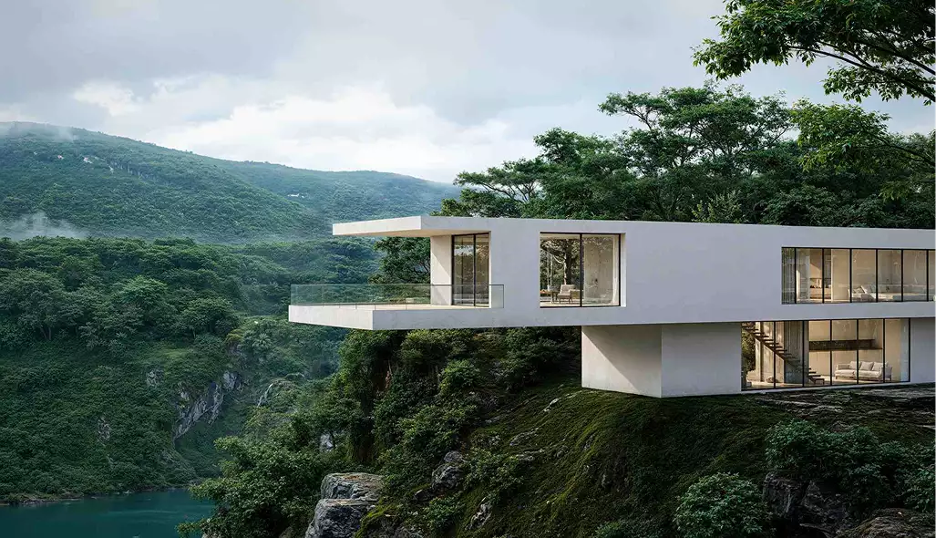
This is where specialist studios earn their keep. A studio like Maverick Frame Studio, which works with real estate developers and design teams, treats a rendering more like a piece of marketing than a technical drawing. Lighting, styling, composition — all of it tuned to make someone feel something. The goal isn’t to document a building. It’s to sell the idea of living in it.
Realism is what makes or breaks the whole thing. Buyers at this level are sophisticated, and a plasticky, over-lit image does more harm than no image at all, because it reads as if something is being hidden. The convincing work lives in details you barely notice: materials that behave the way real materials do, light with genuine warmth and direction, a little wear here and there, a believable setting outside the window. Get those right and the mind stops arguing with the picture. That’s the moment it starts to work — not when it looks impressive, but when it looks real.
Where this leaves the market
The luxury world has always sold a vision; what’s changed is how vividly that vision can be shown before a single wall goes up. Photorealistic rendering lets a seller present a home in its best possible light, literally, and shortens the distance between what a buyer imagines and what they’re willing to commit to.
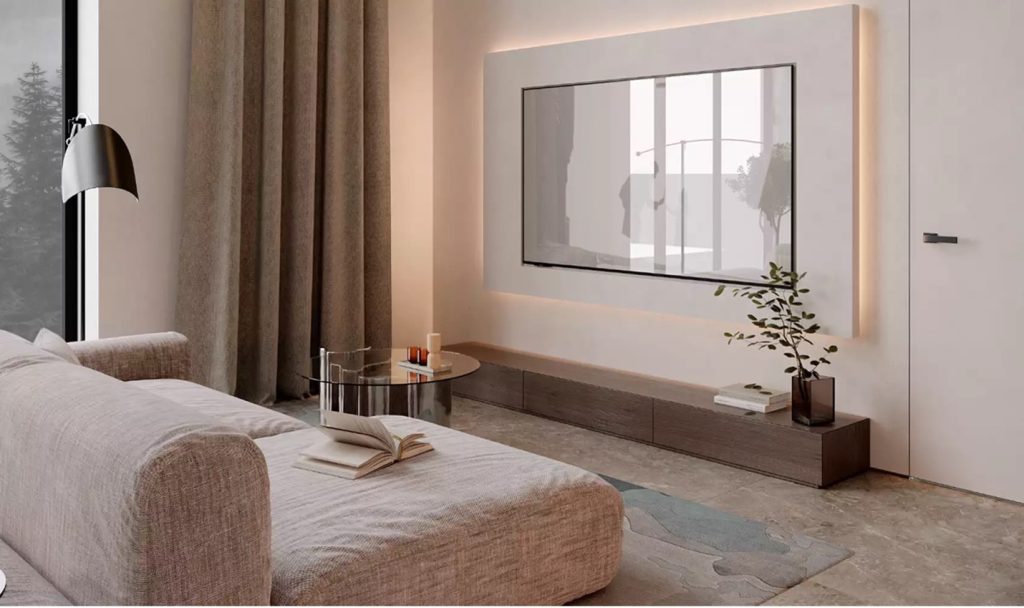
The tools are only getting better, and the images harder to tell from reality. So the real question for anyone selling at the top of the market isn’t whether to use CGI anymore. It’s how well you use it. When the first viewing happens on a screen — as it increasingly does — the home that feels most real, months before it exists, tends to be the one that sells. For a studio like Maverick Frame Studio, that’s the whole point: make the dream visible, and hard to walk away from.
Author

Written by
Recent Posts
How to Pick a Homecoming Dress for Your Body Type and Feel Amazing in It
How to Prepare a Home for Sale When Major Repairs Are Not Affordable
From Everyday Comfort to Personal Style: My SHEIN Slipper Habit
5 Best Mitsubishi Heat Pump Companies in Seattle
Tech Gadgets as Modern Corporate Gifts: Useful Ideas for Employees and Clients
Categories
- Art
- Articles
- Business of Luxury
- Celebrities
- Culture
- Entertainment
- Events
- Faces of Summer 2026
- Fashion
- Fashion & Style
- Featured
- Finance
- Food, Spirits, Wine
- Hamptons
- Hamptons Celebrities
- Health
- Health & Beauty
- Lifestyle
- Luxury Lifestyle
- Press
- Profiles
- Real Estate
- Technology
- The Chronicles
- Travel
- Uncategorized
- Weddings