
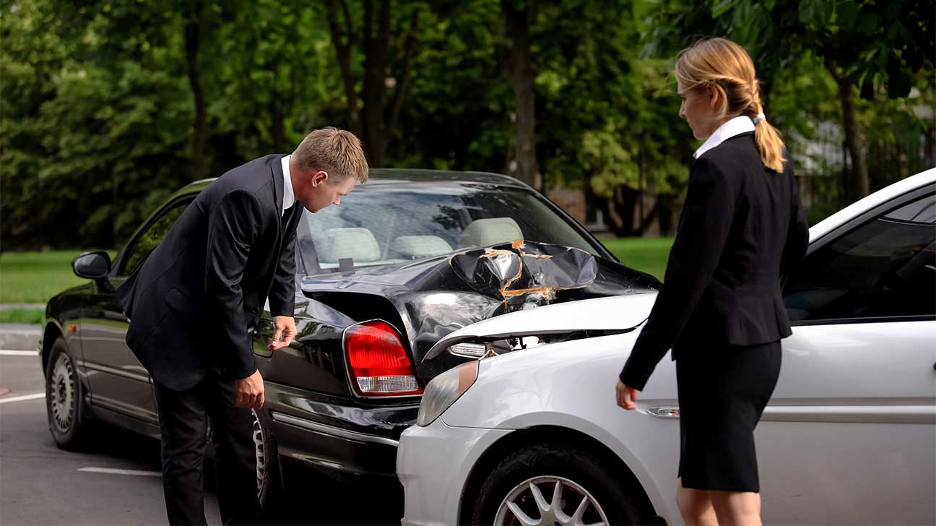
The aftermath of a car accident may seem like a mess right after an accident. When vehicles are damaged, debris is thrown about, vehicles are not in the same positions as they were before, the road is blocked, emergency responders are involved, and drivers are distressed, it can be hard to figure out what exactly occurred. However, the physical setting may include information that will assist with clarifying the events in the sequence. Attorneys examining a crash can focus beyond damage and connect the dots with the various evidence.
When reviewing an auto accident, a Corpus Christi car accident attorney can review the position of vehicles, roadway markings, debris, visible damage, conditions and any available witness information. These facts do not prove fault, but can provide the lawyer with questions to pose during the investigation. The methods used in Federal crash investigations also take into account the scene evidence, damage to the vehicles, the final positions of the vehicles, photographs, interviews, and the official records in reconstructing crashes.
Where the Vehicles Stopped
An attorney will likely notice right away the location of where the vehicles stopped after the accident. Final resting points, motion and direction and potential impact location can all be considered when analyzing the final position of a vehicle.
The final resting place doesn’t always coincide with the point of the collision, however. A vehicle could move due to momentum, braking, steering or a secondary impact. Therefore, attorneys might make a comparison between the end locations of the vehicles and the other physical evidence.
They may consider:
- Which lane each vehicle was driven in
- Determination of whether a vehicle was in the middle or across the center or lane marking
- In either case, one of the vehicles went to a shoulder or sidewalk
- Did the vehicles turn or did they turn around
- Distance covered by vehicles once collision occurs
These observations can also be used by lawyers to help them create questions to determine the order of events instead of just assuming where the cars came to a stop.
Overlooked Roadway Conditions
The vehicles are not the only clues at the scene of a crash. The context of the roadway and surrounding environment can also be of value.
An attorney can search for:
- Skid or tire marks
- Lane markings
- Traffic signals and signs.
- Road surface conditions
- Construction activity
- Obstructions to visibility
- Lighting conditions
- Nearby intersections
- Connecting with other roads or any change in the design of a roadway.
- Objects which can have impacted on the driver’s vision:
Some of these conditions can change shortly after an accident. Roadway maintenance can remove markings, vehicles can be removed and weather can change the road surface. This could be important because of the potential value of photographs and prompt documentation.
When analysing crash scenes, NHTSA’s crash-investigation procedures are specifically designed to record evidence like skid marks, fluid spills, struck objects, final resting positions, and vehicle locations.
The roadway can then be a source of information for the lawyer which is not easily discernible from the cars or the police report.
Comparing Evidence With the Statements
Attorneys also look for any inconsistencies with the physical scene, as it may be inconsistent with the drivers and witnesses’ statements.
One driver might recall the wreck in one lane and pictures are of the vehicles in a different lane. Physical evidence can raise issues in an account given by a witness about a vehicle on a specified mission going in a specified direction.
The differences will not necessarily imply a lack of honesty. Accidents occur in a split second, and a person could be confused, stressed or have reduced visibility during an accident. One of the roles of the attorney is to compare the various accounts, not to take the word on one.
For example, the following information may be examined together:
Driver statements + witness accounts + photographs + vehicle damage + roadway evidence + video footage
If multiple persons report the same series of events, the entire story might start to make sense. Any inconsistencies can be used to highlight further areas for investigation when they clash.
Frequently Asked Questions
What are some of the things that car accident attorneys search for at a car accident?
They will review information such as the positions of the vehicles, damage, roadway markings, debris, tire marks, visibility, traffic controls, witness information, photographs, and other evidence that can aid in explaining the collision.
Where a vehicle is located is not evidence of who was at fault for the accident?
No. Secondary impacts, steering, braking and momentum can all influence the final position of a vehicle. The typical method of attorneys is to compare the position with any other evidence available before coming to a conclusion.
Is it possible to use vehicle data in a vehicle accident investigation?
Some event data can help to shed light on the vehicle’s dynamics and system response in the vicinity of an accident, depending on the vehicle and circumstances. Such data may not always be available or available and it may not be very useful.
Conclusion
There’s a lot more information that can be found in a crash than just what the damage on the vehicles may show. Information from vehicle positions, collision patterns, the roadway situation, debris, witness information, and evidence outside the accident scene can all give clues to how an accident has occurred.
In the case of car accident attorneys, the worth of these details is frequently in analyzing them collectively. The damage to one skid mark or panel can be indicative of one set of facts, but multiple consistent skid marks or panels can provide a better picture of what happened in the crash. This can also help to uncover discrepancies that should be investigated. The Patel Law Firm can help those who have been involved in serious collisions preserve all the evidence in their case, and understand what it might be.
Author

Written by
Recent Posts
Nino’s Beach Brings Generations of Italian Hospitality to the Port Washington Waterfront

The Self-Made Man Who’s One Phone Call From Ruin

Everyone Out Here Is Loaded. Nobody Feels Rich.

What to Do When Illness Threatens a Trip You Already Paid For
How Independent Watch Brands Are Challenging Traditional Luxury
Categories
- Art
- Articles
- Business of Luxury
- Celebrities
- Culture
- Entertainment
- Events
- Faces of Summer 2026
- Fashion
- Fashion & Style
- Featured
- Finance
- Food, Spirits, Wine
- Hamptons
- Hamptons Celebrities
- Health
- Health & Beauty
- Lifestyle
- Luxury Lifestyle
- Press
- Profiles
- Real Estate
- Technology
- The Chronicles
- Travel
- Uncategorized
- Weddings