
There’s a particular kind of social magic that happens on European river cruises. Not the loud, pool-deck version of mingling, but something quieter and far more enduring.
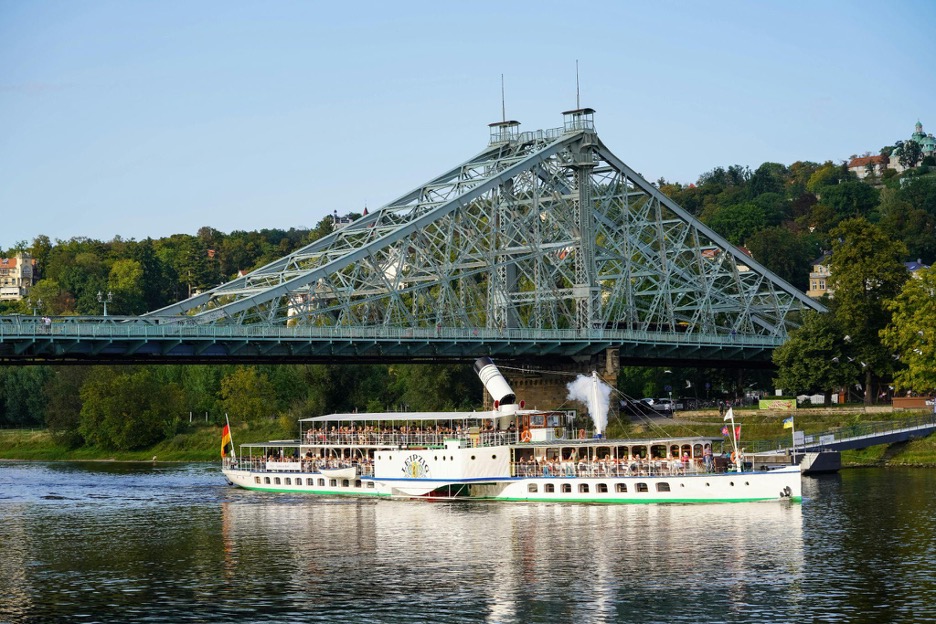
It unfolds over shared tables, slow evenings, and scenery that gently lowers everyone’s guard. By the second night, the strangers you nodded to during embarkation are passing bread, trading stories, and planning shore excursions together.
River cruising doesn’t force connection. It simply creates the conditions for it.
What makes that possible is geography. Europe’s rivers don’t rush. They drift past lived-in cities, layered history, and everyday life. That pace reshapes how people interact, especially at dinner.
Rhine: Castles, Wine, and Conversations That Linger
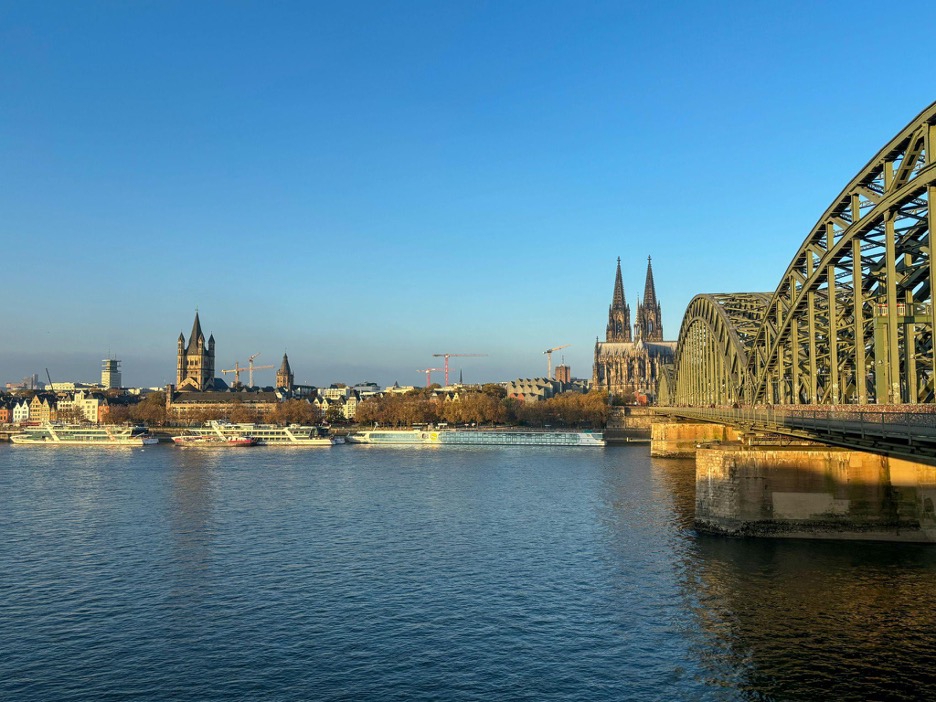
The Rhine sets the tone early. Days are spent gliding past hilltop castles and vineyard terraces that look like they’ve been waiting centuries for commentary. By evening, everyone has seen the same views, photographed the same bends in the river, and silently agreed that it was worth slowing down for.
Dinner on a Rhine cruise tends to stretch. Wine pairings become a shared curiosity rather than a solo indulgence. Someone mentions a village they recognized from a guidebook. Another shares a family connection to Germany or Switzerland. Conversations loop back on themselves, deepen, then wander again.
The river’s long history does something subtle. It reminds people they’re part of a much longer story, and that perspective softens social edges.
Danube: A Cultural Thread That Pulls People Together
If the Rhine encourages reflection, the Danube invites comparison. Flowing through cities as different as Vienna, Budapest, and Bratislava, it gives passengers endless material to react to together.
Dinner tables on the Danube often turn into informal salons. One couple talks architecture. Another debates food traditions. Someone else brings up music heard earlier that day. These aren’t rehearsed exchanges; they emerge naturally because everyone has just experienced something distinct but shared.
The Danube’s east-west pull matters socially. It attracts travelers who are curious rather than hurried. That curiosity spills into conversation, and before long, people who boarded alone are arranging to sit together the following night.
Rhône: Long Lunches, Local Food, and Unrushed Company
The Rhône encourages a different kind of social rhythm. Flowing through southeastern France, past vineyards, market towns, and food-focused regions, it naturally shifts attention toward what’s on the table and who you’re sharing it with.
Days along the Rhône tend to revolve around local flavors—wine tastings, Provençal dishes, conversations about ingredients rather than itineraries. By dinner, those daytime impressions resurface. People compare notes on meals ashore, talk about regional cooking, and linger longer than planned.
Socially, Rhône cruises feel grounded. Less theatrical than Paris, less grand than the Rhine, they foster familiarity through repetition and comfort. Sitting with the same group over multiple evenings feels natural, not arranged. Conversation deepens quietly, without the need for spectacle.
The river’s pace reinforces this. There’s no rush to impress or move on. Meals stretch, glasses refill, and the line between fellow passengers and companions softens. By the end of the cruise, it often feels as though everyone has been sharing the same table for far longer than a week.
Seine: Parisian Evenings and Effortless Familiarity
The Seine does not need to impress. It assumes you’ll be paying attention.
Cruising into Paris at dusk has a way of dissolving social barriers. The Eiffel Tower flickers on. Reflections ripple across the water. Dinner feels less like a meal and more like an extension of the view.
On Seine cruises, conversation is often understated but intimate. People talk about travel past and future, books they’ve read, cities they loved unexpectedly. There’s less storytelling for effect and more genuine exchange.
The setting encourages it. Paris makes people feel momentarily more interesting, more open. That confidence carries to the table, where strangers become familiar with surprising ease.
Amsterdam Canals: Informality That Sparks Real Connection
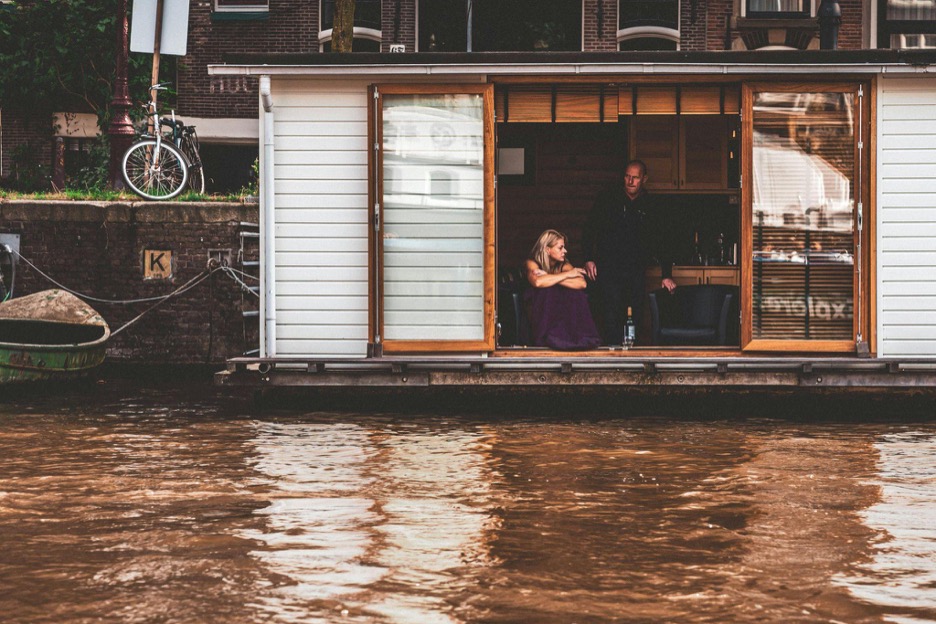
Amsterdam’s canals offer a different kind of social rhythm. Narrow waterways, close-set houses, and the constant presence of everyday life create a sense of immediacy.
Dinner here feels relaxed, almost domestic. People talk about design, cycling culture, food markets. There’s laughter early, and often. The formality drops away quickly, replaced by the feeling of being welcomed into a living city rather than observing it.
Because the canals feel personal, conversations do too. By the end of the evening, it’s common to see tables merge, chairs shift, and plans made for the next day’s explorations.
Why River Cruises Make Socializing Feel Natural
River cruises succeed socially because they remove friction. There are no long transfers, no competing agendas, no need to impress. Everyone moves at the same pace, sees the same places, and returns to the same floating neighborhood each night.
Dinner becomes the anchor point. Not a scheduled event, but a shared pause. The lighting is warm. The tables are sized for conversation. The scenery keeps flowing, giving everyone something to return to when words run thin.
It’s hospitality designed for human connection rather than spectacle.
From Tablemates to Travel Companions
What begins as polite conversation often becomes something more. By mid-cruise, people are saving seats, sharing shore tips, and comparing notes over coffee the next morning.
European river cruises don’t promise social transformation. They simply create space for it. The rivers do the rest.
By the time the journey ends, many passengers leave with more than photographs. They leave with shared memories, inside jokes, and the feeling that for a few evenings, the world felt smaller, warmer, and unexpectedly connected.
And it all started at dinner.
Author

Written by
Recent Posts
Norm MacDonald Net Worth: The Best Who Ever Did It
Sam Kinison Net Worth: The Volcano Who Burned Brightest
Ray Romano Net Worth: The $200M Case for Telling the Truth About Marriage
Dennis Miller Net Worth: The Densest Room in 1990s Comedy
Ellen DeGeneres Net Worth: Comedy, Courage, and the Cost of Honesty
Categories
- 2025 Social Life Events
- Access to Digital + Physical Magazine
- Art
- Articles
- Beauty & Skincare
- Beauty & Wellness
- Business Strategy
- Celebrities
- Chronicles
- Design History
- Design History|Design Trends
- Design History|Hamptons
- Design Process
- Design Process|Luxury Living
- Design Trends
- Design Trends|Hamptons
- Event Photos
- Events
- Family
- Fashion
- Fashion & Style
- Featured
- Food & Beverage
- Food, Spirits, Wine
- Hamptons
- Hamptons Celebrities
- Hamptons Design
- Hamptons Design|Design Process
- Hamptons Design|Luxury Living
- Hamptons|Luxury Living
- Health
- Health & Beauty
- Home & Design
- Home & Living
- Lifestyle
- Luxury Home Design|Design Process
- Luxury Home Design|Design Trends
- Luxury Home Design|Hamptons Design
- Luxury Home Design|Interior Design
- Luxury Lifestyle
- Luxury Living
- Luxury Living|Design Process
- Luxury Living|Hamptons
- Luxury Living|Hamptons Design
- Press
- Profiles
- Real Estate
- Technology
- The Chronicles
- Travel
- Trending
- Uncategorized
- Weddings
- Wellness