
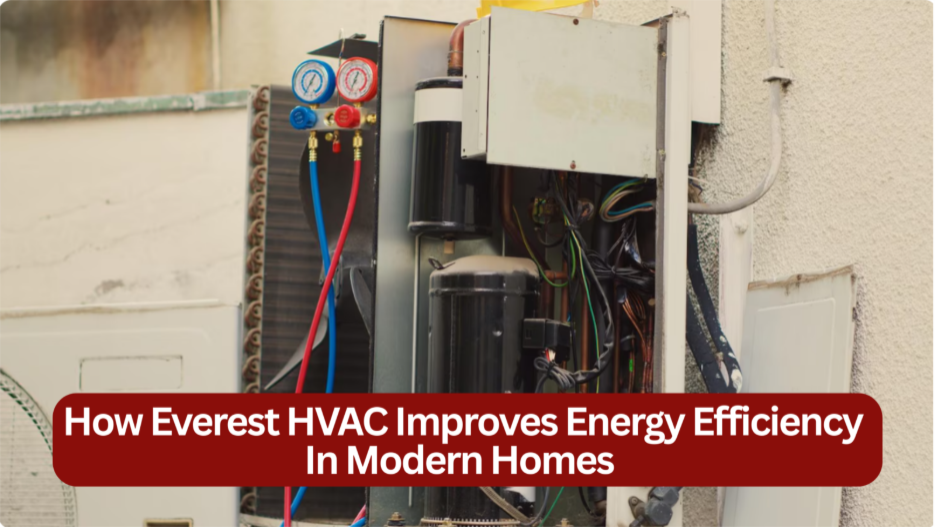
There are a lot of problems with the energy bills and uneven interior temperatures in many homes. Probably, there are rooms that are always too hot in summer or too cold in winter. These complications usually arise due to old-fashioned heating, ventilation, and air conditioning systems that are not very effective, making your HVAC system use more energy.
Fortunately, there is a solution. Everest HVAC is a company specializing in modern heating and cooling systems. They focus on designing, installing, and maintaining energy-efficient HVAC solutions. Their strategy combines modern tools, smart controls, and optimization of the expert system that would help to achieve maximum efficiency and comfort.
Homeowners can save a significant part of energy by using modern HVAC systems, optimizing the control of indoor climate. This article explores six strategies that Everest HVAC uses to improve energy efficiency in modern homes.
1. System Optimization
One of the most effective methods of energy usage is to optimize your whole HVAC system. Most units that are old operate at their full capacity even when not required, thus causing waste in the use of energy and consumption. In comparison, modern systems regulate airflow and output according to real-time requirements so that energy is not wasted.
Everest HVAC specializes in system optimization by calibrating airflow, controlling output, and monitoring performance for maximum efficiency. Studies show that precise HVAC control can significantly reduce energy consumption without compromising comfort. Frequent maintenance, such as duct sealing and filter cleaning, also increases efficiency. So, the system can provide a consistent level of comfort with minimum wastage of energy.
Optimized systems also reduce short-cycling, which can cause energy spikes and mechanical strain. Properly tuned HVAC systems maintain steady temperatures, operate more quietly, and extend the lifespan of equipment. The combination of efficiency and reliability ensures that your energy investment is well managed.
2. Integration of Advanced Heat Pump Technology
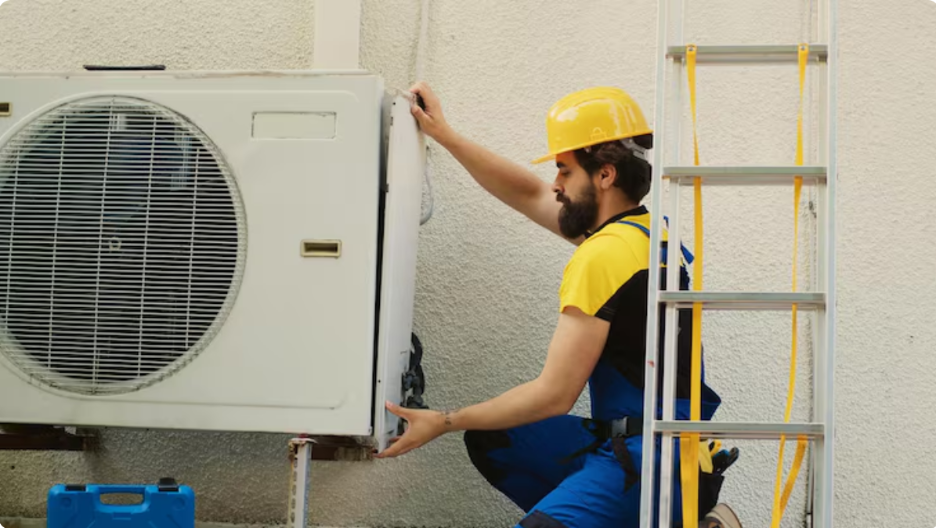
Heat pumps represent a significant innovation in heating and cooling for energy conservation. In comparison with traditional systems that produce heat, heat pumps use less energy by transferring heat and producing the same level of comfort. They are capable of heating and cooling your house throughout the year, making them an attractive and sustainable option.
Everest HVAC integrates advanced heat pumps designed to match home-specific needs. By recovering thermal energy efficiently and adapting to varying outdoor conditions, these systems achieve high coefficients of performance, delivering more energy output than consumed. These systems also operate quietly and maintain consistent indoor temperatures, enhancing overall home comfort.
Heat pumps are also less carbon-emitting with cleaner electricity sources, which contribute to economic and environmental objectives. Moreover, heat pumps are easy to maintain when compared to conventional systems, making them a long-term and headache-free solution for contemporary households.
3. Smart Controls and Zoned Comfort Management
The concept of smart thermostats and zoning can change the way houses utilize energy. Modern systems are made to suit occupancy, usage, and the needs of the rooms rather than running uninterrupted across the house. This prevents unwarranted cooling or heating of empty premises.
With the help of Everest HVAC smart control solutions, homeowners can adjust temperatures remotely, set schedules, and integrate AI-driven optimization. Studies demonstrate that intelligent HVAC systems can reduce energy consumption by 22–44% while improving comfort metrics. Zoning further allows rooms to receive conditioning only when necessary, maximizing efficiency.
In addition to saving money, smart controls will decrease wear and tear on equipment because they will not switch on and off the equipment multiple times. These systems ensure a stable climate and adjust to new circumstances, which makes efficient living and reliance on energy consumption effortless and accurate.
4. Airflow Improvements and Enhanced Insulation
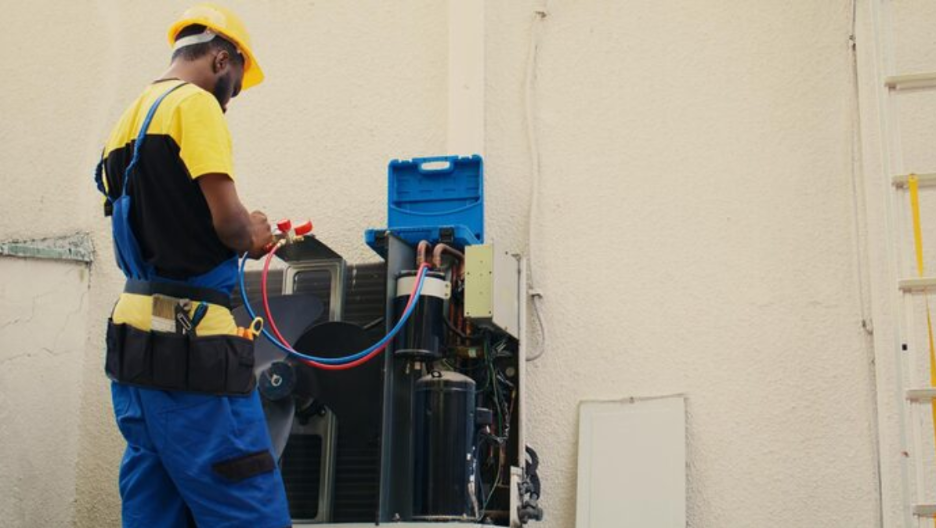
The most efficient HVAC system cannot be effective in the case of conditioned air leakage or poor room insulation. The design of airflow and increased insulation is important in the preservation of energy efficiency. By fixing defects and enhancing thermal insulation, homeowners will be able to make sure that their heating and cooling systems are smarter instead of more diligent.
Everest HVAC emphasizes duct sealing, thermal insulation, and optimized return air pathways. Ductwork improvements can reduce energy loss by double-digit percentages, significantly reducing HVAC workload and helping the system maintain consistent performance. These enhancements also help maintain uniform temperatures throughout the home, improving comfort in every room.
Moreover, balanced ventilation controls a smooth spread of cold or heat air, getting rid of hot and cold spots. HVAC systems can confine air in the spaces they are meant to serve; therefore, they run optimally, reducing energy bills. Hence, home insulation and optimization of airflow result in a home environment in which no energy is wasted.
5. High-Performance Equipment Selection
Choosing high-performance HVAC components is critical for maximizing energy savings. Variable-speed compressors, ENERGY STAR® rated systems, and efficient heat exchangers all contribute to reducing power consumption. Selecting the right equipment ensures that your home achieves optimal performance while minimizing unnecessary energy use.
Everest HVAC selects equipment based on home-specific load requirements, preventing oversizing, which often leads to wasted energy. Variable-speed technology adjusts output to meet exact needs, providing consistent comfort without overworking the system. This ensures your HVAC system operates efficiently while delivering reliable comfort year-round.
Over time, these investments yield measurable reductions in utility costs, lower carbon emissions, and longer equipment lifespan, making high-performance HVAC both cost-effective and sustainable. Homeowners can enjoy a modern, efficient system that performs optimally without unnecessary energy waste.
6. Regular Maintenance and System Monitoring
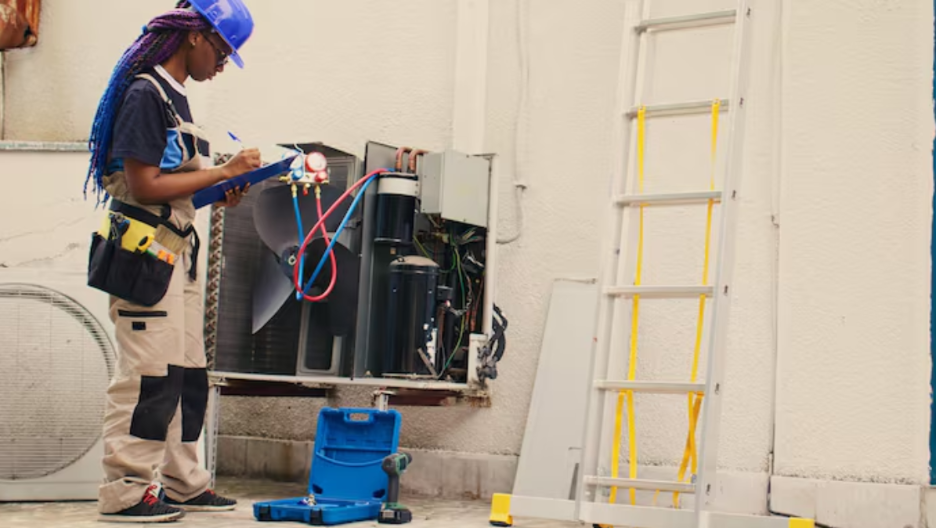
Even the most advanced HVAC systems can lose efficiency if they are not properly maintained. Dust, debris, and worn components can reduce airflow, cause temperature inconsistencies, and increase energy use. Routine inspections and timely maintenance ensure that every part of your system operates at peak performance.
Everest HVAC provides comprehensive maintenance and monitoring programs to keep HVAC systems running efficiently year-round. Regular filter changes, coil cleaning, and system diagnostics prevent minor issues from turning into major energy drains. Proactive monitoring also allows homeowners to detect potential problems early, reducing unexpected repairs and preserving long-term system efficiency.
By combining maintenance with modern technology, homeowners enjoy consistent comfort, lower utility bills, and extended equipment lifespan. Properly monitored systems maintain optimal energy use while keeping your home climate steady and reliable.
Conclusion
Improving energy efficiency in modern homes requires a multi-faceted approach: system optimization, heat pump integration, smart controls, airflow improvements, and high-performance equipment selection. Everest HVAC offers solutions in all these areas, ensuring your home operates efficiently while maintaining comfort. These strategies are supported by research and proven in real-world applications.
The key takeaway is clear: upgrading to modern, intelligently designed HVAC systems delivers measurable savings, reduces environmental impact, and improves indoor comfort. By partnering with Everest HVAC, homeowners can create a sustainable and cost-effective home environment that performs efficiently now and for years to come.
Author

Written by
Recent Posts
Carl Icahn Net Worth: The $25B Raid and the $8 Stock
Barry Rosenstein Net Worth: The $147M Further Lane Bet
Ronald Perelman Net Worth: The Creeks and a $19B Fall
Henry Kravis Net Worth: KKR’s $12B Meadow Lane Patriarch
Leon Black Net Worth: Apollo’s $13B Shadow on Meadow Lane
Categories
- 2025 Social Life Events
- Access to Digital + Physical Magazine
- Art
- Articles
- Beauty & Skincare
- Beauty & Wellness
- Business Strategy
- Celebrities
- Celebrities|The Chronicles
- Chronicles
- Design History
- Design History|Design Trends
- Design History|Hamptons
- Design Process
- Design Process|Luxury Living
- Design Trends
- Design Trends|Hamptons
- Event Photos
- Events
- Family
- Fashion
- Fashion & Style
- Featured
- Food & Beverage
- Food, Spirits, Wine
- Hamptons
- Hamptons Celebrities
- Hamptons Design
- Hamptons Design|Design Process
- Hamptons Design|Luxury Living
- Hamptons|Luxury Living
- Health
- Health & Beauty
- Home & Design
- Home & Living
- Lifestyle
- Luxury Home Design|Design Process
- Luxury Home Design|Design Trends
- Luxury Home Design|Hamptons Design
- Luxury Home Design|Interior Design
- Luxury Lifestyle
- Luxury Living
- Luxury Living|Design Process
- Luxury Living|Hamptons
- Luxury Living|Hamptons Design
- Press
- Profiles
- Real Estate
- Technology
- The Chronicles
- Travel
- Trending
- Uncategorized
- Weddings
- Wellness