
The fashion industry is gradually shifting towards more ethical and responsible practices, and choosing faux fur plays a key role in this transformation. By avoiding animal-based products, you align your wardrobe with values that prioritise welfare, fairness, and sustainability. Understanding how faux fur contributes to this movement allows you to make informed choices without compromising style.
Protecting Animal Welfare
Ethical fashion begins with respecting animal rights, and real fur production conflicts with this principle. Raising animals for fur involves confinement and practices that compromise their well-being. Faux fur provides a humane alternative, ensuring that no animals are harmed for clothing or accessories. By choosing cruelty-free options, you actively participate in a fashion system that values life and welfare.
Encouraging Fair Supply Chains
Responsible fashion extends beyond animal welfare to the treatment of workers and suppliers. Faux fur brands often adopt transparent and accountable supply chains, ensuring that labour conditions are safe. By supporting these companies, you contribute to an industry that values ethical standards. Your wardrobe choices can therefore promote fairness and integrity in addition to sustainability.
Promoting Sustainable Materials
Faux fur is typically made from synthetic or recycled fibres, which reduces reliance on animal farming. Many brands now invest in eco-friendly textiles to further minimise environmental impact. By selecting these options, you support a model of production that balances fashion with responsibility. Ethical fashion is strengthened when material choices reflect care for both the planet and future generations.
Reducing Waste Through Longevity
Responsible fashion emphasises durability and longevity, and faux fur pieces are designed to withstand seasonal trends while remaining timeless. High-quality faux fur can last for years if properly cared for, reducing the need for frequent replacements and limiting textile waste. By choosing garments that endure, you participate in a cycle of consumption that values sustainability and mindful purchasing.
Inspiring Industry-Wide Change
The popularity of faux fur has already prompted many designers to explore cruelty-free alternatives, highlighting the potential for industry-wide change. Each purchase signals support for values that prioritise ethics, animal welfare, and environmental responsibility. By embracing faux fur, you contribute to a shift that motivates the fashion sector to adopt more conscientious practices overall.
Bridging Style and Responsibility
Modern designs offer a variety of textures, colours, and styles that rival real fur, enabling you to stay fashionable while making responsible choices. This combination of ethics and style allows you to express individuality without compromising moral standards. Choosing faux fur demonstrates that conscious fashion can be both elegant and purposeful, reflecting values that extend beyond personal appearance.
Supporting Innovation and Craftsmanship
Faux fur production encourages innovation in materials and techniques, creating high-quality alternatives that continuously improve. Designers and manufacturers experiment with textures, patterns, and finishes, producing pieces that are luxurious yet ethical. By choosing faux fur, you support a sector dedicated to innovation, which also inspires other brands to adopt sustainable practices.
Cultivating Conscious Consumerism
Every purchase becomes an opportunity to shape the fashion industry by prioritising ethics over convenience or trend alone. Conscious consumerism encourages reflection on the environmental, social, and moral implications of clothing choices. Take note that by consistently opting for cruelty-free, sustainable options like faux fur, you actively participate in a movement that rewards responsible brands.
Leaving a Positive Legacy with Faux Fur
By supporting cruelty-free and ethical practices, you encourage brands to maintain high standards while protecting animals and the environment. This conscious approach not only benefits current ecosystems but also sets a precedent for sustainable fashion practices for years to come. Ethical fashion becomes a lasting commitment when your wardrobe reflects responsibility and forward-thinking choices.
Author

Written by
Recent Posts
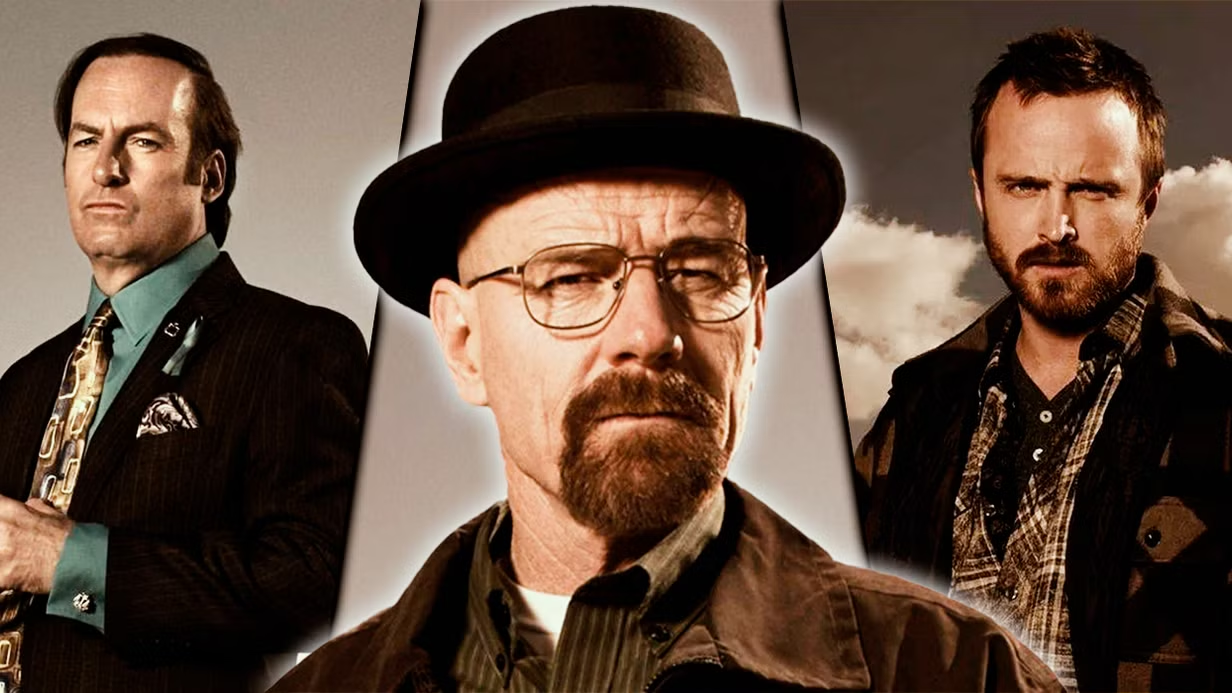
Breaking Bad Cast Net Worth. $130 Million Cooked in Five Seasons of Perfect Television

Cailee Spaeny Net Worth — From Springfield, Missouri to A24 and Alien in Three Years Flat

Wagner Moura Net Worth — He Learned Spanish to Play Escobar. Then He Learned English to Take Hollywood.

Robert Eggers Net Worth — He Made a $3.5 Million Film in Puritan English and Hollywood Listened
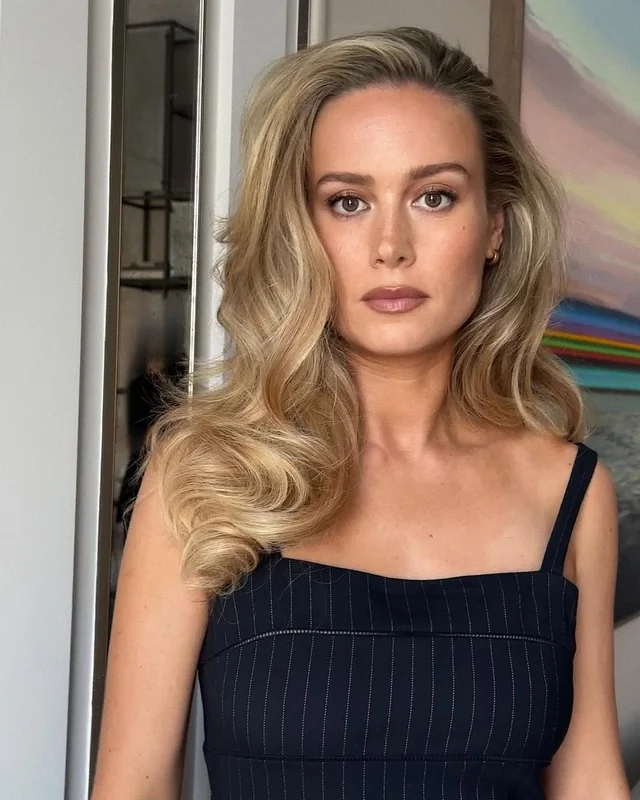
Brie Larson Net Worth — A $6 Million Indie Film Won Her an Oscar. Marvel Paid Her the Rest.
Categories
- Art
- Articles
- Beauty & Skincare
- Celebrities
- Celebrities|Movies
- Celebrities|The Chronicles
- Chronicles
- Entertainment|Culture
- Event Photos
- Events
- Fashion
- Fashion & Style
- Featured
- Food & Beverage
- Food, Spirits, Wine
- Hamptons
- Hamptons Celebrities
- Hamptons Celebrities|Celebrities|The Chronicles
- Health
- Health & Beauty
- Lifestyle
- Luxury Lifestyle
- Movies|Culture
- Movies|Hamptons Lifestyle
- Press
- Profiles
- Real Estate
- Technology
- The Chronicles
- Travel
- TV
- Uncategorized
- Weddings