
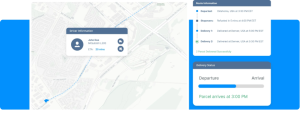
In today’s fast-moving supply chain environment, businesses are under constant pressure to deliver faster, reduce operational costs, and improve customer satisfaction. Whether you manage last-mile deliveries, operate a fleet, or coordinate multi-location distribution, inefficient logistics can quickly impact profitability. This is where logistics optimization becomes essential.
Logistics optimization helps businesses streamline delivery routes, reduce fuel consumption, improve resource allocation, and gain full visibility into operations. With modern delivery expectations rising, companies that invest in smarter logistics strategies gain a strong competitive advantage.
In this comprehensive guide, we’ll explore what logistics optimization is, why it matters, its key benefits, essential features, industry use cases, and how businesses can successfully implement it.
What Is Logistics Optimization?
Logistics optimization is the process of using technology, data, and automation to improve the efficiency of transportation, routing, fleet management, and delivery operations. It focuses on reducing costs, minimizing delays, and maximizing resource utilization.
Instead of relying on manual planning, spreadsheets, or static routes, logistics optimization uses intelligent algorithms to dynamically plan deliveries based on:
- Traffic conditions
- Delivery time windows
- Driver availability
- Vehicle capacity
- Route distance
- Order priority
- Customer locations
By analyzing these variables in real time, logistics optimization ensures that deliveries are completed faster and more efficiently.
Why Logistics Optimization Is Critical for Modern Businesses
The logistics industry has evolved significantly over the past decade. Customers now expect real-time tracking, same-day deliveries, and accurate ETAs. Without logistics optimization, businesses struggle to meet these expectations.
Here are the key reasons companies are adopting logistics optimization:
- Rising fuel costs impacting margins
- Increased delivery volumes
- Growing customer expectations
- Complex multi-stop delivery routes
- Driver shortages and scheduling challenges
- Lack of visibility into delivery operations
Logistics optimization solves these problems by automating planning and improving operational efficiency.
Key Benefits of Logistics Optimization
1. Reduced Transportation Costs
Logistics optimization minimizes unnecessary miles, reduces idle time, and lowers fuel consumption. Businesses can significantly cut transportation expenses while maintaining service quality.
Optimized routing ensures drivers take the shortest and most efficient paths, reducing wear and tear on vehicles and improving overall fleet performance.
2. Faster Delivery Times
By using real-time route planning, logistics optimization helps businesses deliver orders faster. This is especially important for same-day and last-mile delivery operations.
Faster deliveries improve customer satisfaction and increase repeat business.
3. Improved Fleet Utilization
Logistics optimization ensures that vehicles are used efficiently. Instead of some vehicles being overloaded while others remain idle, optimized planning distributes deliveries evenly.
This improves productivity and reduces the need for additional vehicles.
4. Real-Time Visibility
Businesses gain complete visibility into delivery operations with logistics optimization. Dispatchers can track drivers, monitor routes, and respond to delays instantly.
This transparency improves operational control and customer communication.
5. Better Customer Experience
Accurate ETAs, live tracking, and on-time deliveries significantly improve customer satisfaction. Logistics optimization allows businesses to keep customers informed throughout the delivery process.
Satisfied customers are more likely to return and recommend your services.
6. Increased Driver Productivity
Drivers spend less time navigating inefficient routes and more time completing deliveries. Logistics optimization reduces confusion, improves navigation, and simplifies daily schedules.
This leads to higher driver satisfaction and improved retention.
Core Features of Logistics Optimization Software
Modern logistics optimization platforms provide advanced features designed to streamline operations.
Intelligent Route Planning
Logistics optimization automatically calculates the most efficient delivery routes. It considers multiple variables like traffic, distance, and delivery windows.
This eliminates manual route planning and saves valuable time.
Dynamic Route Optimization
When unexpected delays occur, logistics optimization adjusts routes in real time. This ensures deliveries remain on schedule even with changing conditions.
Dynamic optimization is crucial for high-volume delivery operations.
Real-Time Tracking
Logistics optimization provides live tracking of vehicles and deliveries. Dispatchers can monitor operations and make informed decisions quickly.
Customers can also receive tracking updates and delivery notifications.
Delivery Scheduling
Automated scheduling ensures deliveries are assigned efficiently. Logistics optimization matches orders with the best available drivers and vehicles.
This reduces manual workload and improves accuracy.
Driver Mobile App
Drivers receive optimized routes, delivery instructions, and updates through a mobile application. Logistics optimization simplifies communication and reduces errors.
Drivers can also capture proof of delivery and update status in real time.
Analytics and Reporting
Logistics optimization provides insights into performance metrics, such as the following:
- Delivery time
- On-time rate
- Fuel usage
- Driver productivity
- Route efficiency
- Cost per delivery
These insights help businesses continuously improve operations.
Industries That Benefit from Logistics Optimization
Logistics optimization is valuable across multiple industries. Any business managing deliveries or fleet operations can benefit.
Retail and eCommerce
Retail businesses use logistics optimization to manage high delivery volumes and ensure timely shipments. Optimized routing improves last-mile efficiency.
Food and Beverage Delivery
Time-sensitive deliveries require precise planning. Logistics optimization ensures meals and groceries arrive fresh and on time.
Healthcare and Pharmacy
Medical deliveries must be accurate and timely. Logistics optimization improves reliability and reduces delays.
Manufacturing and Distribution
Manufacturers rely on logistics optimization to coordinate shipments between warehouses, suppliers, and customers.
Field Service Businesses
Companies providing installation or maintenance services use logistics optimization to schedule technicians efficiently.
How Logistics Optimization Improves Last-Mile Delivery
Last-mile delivery is the most expensive and complex part of logistics. Logistics optimization helps businesses overcome last-mile challenges by:
- Reducing route distance
- Minimizing delivery delays
- Improving stop sequencing
- Providing real-time driver tracking
- Enhancing customer communication
- Optimizing delivery time windows
By improving last-mile efficiency, logistics optimization significantly lowers operational costs.
Challenges Solved by Logistics Optimization
Businesses often face operational bottlenecks that impact performance. Logistics optimization addresses these challenges effectively.
Manual Route Planning
Manual planning is time-consuming and error-prone. Logistics optimization automates this process.
Poor Delivery Visibility
Without tracking, businesses lack control. Logistics optimization provides full visibility.
Inefficient Resource Allocation
Logistics optimization ensures balanced workload distribution.
Delivery Delays
Real-time route adjustments reduce delays.
High Fuel Costs
Optimized routing lowers fuel consumption.
Steps to Implement Logistics Optimization Successfully
Adopting logistics optimization requires a structured approach. Follow these steps for successful implementation:
Step 1: Evaluate Current Operations
Identify inefficiencies in your existing logistics workflow. Determine where logistics optimization can provide the most value.
Step 2: Define Business Goals
Set clear objectives such as reducing delivery time, cutting costs, or improving customer satisfaction.
Step 3: Choose the Right Platform
Select a logistics optimization solution that fits your business size and requirements.
Step 4: Integrate With Existing Systems
Ensure the logistics optimization platform integrates with order management and dispatch systems.
Step 5: Train Your Team
Provide training for dispatchers and drivers to maximize the benefits of logistics optimization.
Step 6: Monitor Performance
Track key metrics and continuously refine your logistics optimization strategy.
Future Trends in Logistics Optimization
The future of logistics optimization is driven by technology and automation. Emerging trends include:
- AI-powered route planning
- Predictive delivery analytics
- Automated dispatching
- IoT-enabled fleet tracking
- Machine learning-based demand forecasting
- Autonomous delivery vehicles
- Real-time capacity optimization
Businesses that adopt these innovations will gain a significant competitive advantage.
Why Businesses Need Logistics Optimization Now
The demand for fast, reliable deliveries continues to grow. Companies that rely on outdated logistics processes risk falling behind competitors.
Logistics optimization helps businesses:
- Reduce operational costs
- Improve delivery speed
- Increase customer satisfaction
- Scale operations efficiently
- Enhance visibility
- Improve driver productivity
- Optimize fleet performance
Investing in logistics optimization is no longer optional — it is essential for sustainable growth.
Conclusion
Logistics optimization is transforming how businesses manage deliveries, fleets, and supply chain operations. By automating route planning, improving visibility, and reducing operational inefficiencies, companies can significantly enhance performance.
Whether you operate a small delivery business or manage a large logistics network, implementing logistics optimization provides measurable benefits. From lowering transportation costs to improving customer experience, the impact is immediate and long-lasting.
As delivery expectations continue to evolve, businesses that adopt logistics optimization will be better equipped to scale operations, improve efficiency, and remain competitive. Cigo Tracker provides a powerful logistics optimization solution designed to streamline operations, enhance route efficiency, and deliver real-time visibility across your entire fleet. Investing in Cigo Tracker’s logistics optimization technology is a strategic move that drives long-term success, improved productivity, and operational excellence.
Author

Written by
Recent Posts

Unlocking the Berkshires

Dalia Forman Design

Alberto Luzzi
How to Pick a Homecoming Dress for Your Body Type and Feel Amazing in It
How to Prepare a Home for Sale When Major Repairs Are Not Affordable
Categories
- Art
- Articles
- Business of Luxury
- Celebrities
- Culture
- Entertainment
- Events
- Faces of Summer 2026
- Fashion
- Fashion & Style
- Featured
- Finance
- Food, Spirits, Wine
- Hamptons
- Hamptons Celebrities
- Health
- Health & Beauty
- Lifestyle
- Luxury Lifestyle
- Press
- Profiles
- Real Estate
- Technology
- The Chronicles
- Travel
- Uncategorized
- Weddings