
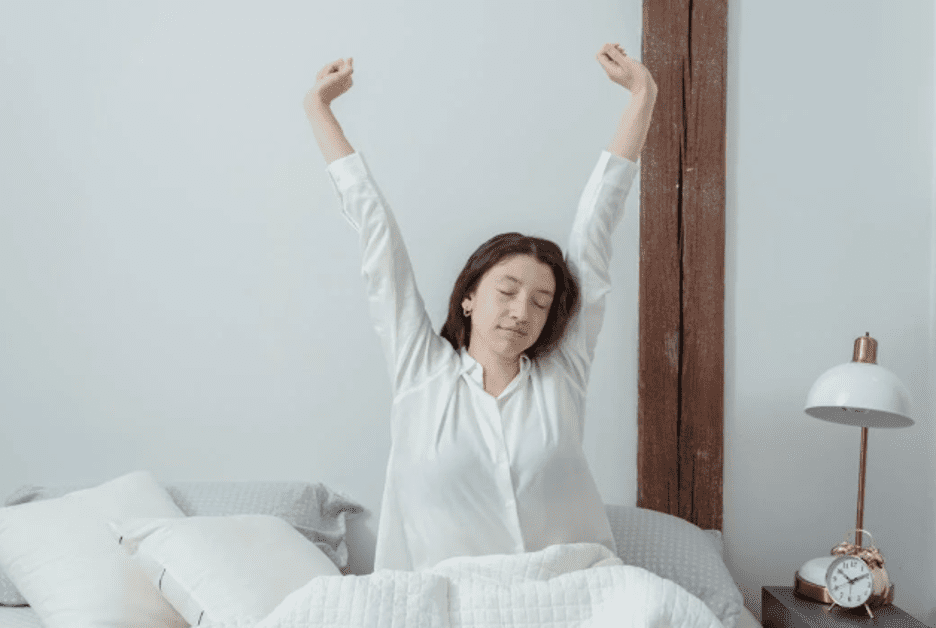
Morning routines look very different in your 20s than they do on social media. Yet many people in this age group still want mornings that feel steady and intentional. Instead of copying rigid checklists, people are shaping mornings around what actually fits their lives. This has led to routines that feel personal, flexible, and easier to repeat. From how they wake up to how they eat, move, and prepare for the day, mornings are becoming less about perfection and more about consistency. This article looks at how people in their 20s are creating morning routines that feel realistic, supportive, and easy to return to day after day.
One Habit That Anchors the Morning
Instead of trying to do everything, many people choose one habit that anchors their morning. This could be a short walk, a calm moment before checking messages, or sitting down with breakfast. The goal is not to do more but to create a familiar starting point. Having one steady habit helps mornings feel grounded, even when the rest of the day looks different. This anchor also creates a sense of continuity from one day to the next. Once that habit feels natural, other small actions often fall into place around it. People find that starting with one dependable habit makes mornings feel easier to repeat without feeling overwhelming or time-consuming.
Simple Food and Drink Choices
Food and drink play a central role in many morning routines, especially when time is limited. People often choose options that are familiar, easy to prepare, and enjoyable. This might mean a breakfast they can assemble quickly or a beverage they already enjoy drinking. The focus stays on nourishment through regular meals and thoughtful food choices. Some people also choose to include health-friendly supplements by USANA Health Sciences as part of their morning routine, alongside balanced eating habits.
Many people prefer routines that do not require complicated preparation. Keeping food choices simple makes mornings smoother and easier to maintain. When meals fit naturally into a routine, they support consistency without adding stress or extra steps.
Movement That Feels Easy to Return To
Many people in their 20s include movement in their mornings, but they keep it flexible and approachable. Instead of following structured workouts, they often choose activities that feel natural and easy to repeat. This might include stretching, a short walk, or light movement at home. The key factor is choosing movement that fits the available time and energy that morning. When movement feels optional rather than required, people are more likely to return to it. This approach supports consistency because it removes pressure. Over time, movement becomes part of the morning rhythm rather than a separate task that requires motivation or preparation.
Creating a Low-Distraction Start
A common shift in morning routines involves managing digital habits. Many people try to delay checking messages or social media until after completing one or two morning habits. This helps mornings feel calmer and more intentional. Some place their phone out of reach, while others silence notifications for a short time. These small choices allow space for personal routines before outside demands enter the day. Reducing early distractions does not require strict rules. Instead, people experiment with what feels manageable. This approach helps mornings start with focus and clarity while still staying connected later in the day.
Getting Ready Without Feeling Rushed
How people prepare for the day plays a big role in whether a routine feels sustainable. Many choose to simplify their getting-ready process by keeping clothing, grooming, and skincare steps consistent. This reduces decision-making in the morning. When routines feel familiar, they take less time and mental effort. Some people prepare items the night before, while others rely on a set sequence they follow daily. These habits help mornings feel smoother. A calm preparation process allows people to move into their day feeling organized without needing extra time or complex planning.
Routines Built Around Real Schedules
Morning routines that last often reflect how people actually live. Those in their 20s tend to shape routines around real commitments rather than ideal timelines. Someone with early meetings may focus on quick, simple habits, while others with later starts may include more time for movement or planning. This realistic approach helps routines fit naturally into daily life. When routines match real schedules, they feel easier to return to. People also adjust their routines across the week, keeping the structure but allowing the timing to shift. This balance between structure and realism supports consistency without requiring mornings to look the same every day.
Flexibility Over Fixed Rules
Many people in their 20s approach mornings with flexibility at the center. Rather than following a strict schedule, they focus on keeping a general flow. Wake-up times may change, but the order of habits often stays the same. This approach allows routines to work across different days, whether someone is heading to work, attending classes, or working from home. Flexibility also helps routines feel less demanding. When mornings allow room for adjustment, people are more likely to continue them. This mindset removes pressure and makes it easier to show up consistently. Over time, flexible routines feel more natural because they respond to real schedules instead of resisting them. This is one reason these routines tend to last longer and feel more supportive overall.
Adjusting Routines Without Starting Over
One reason morning routines last is the ability to adjust them without abandoning them. People in their 20s often revisit their routines when work schedules, living situations, or priorities change. Instead of starting from scratch, they keep familiar habits and shift timing or order. This approach maintains continuity while allowing growth. Small adjustments help routines stay relevant and useful. By viewing routines as adaptable rather than fixed, people avoid frustration. This mindset supports long-term consistency because routines evolve alongside life rather than competing with it.
Morning routines that last are built on realism, flexibility, and personal choice. People in their 20s are moving away from rigid expectations and toward routines that fit their actual lives. By focusing on simple habits, adaptable schedules, and consistent patterns, mornings become easier to return to. These routines do not depend on perfection or strict rules. Instead, they support a steady start to the day through choices that feel natural and manageable. When routines align with real lifestyles, they become something people keep, adjust, and return to with ease.
Author

Written by
Recent Posts
How People in Their 20s Are Building Morning Routines They Don’t Quit
Hidden Water Damage Risks That Can Reduce a Home’s Value
Architectural Foundations of a Modern Aesthetic Enterprise
Protocol for Managing Urgent Oral Health Situations
The Virtual Estate: Why Today’s Ultra-Luxury Buyers Demand a 3D Rendering Studio for Property Activations
Categories
- 2025 Social Life Events
- Access to Digital + Physical Magazine
- Art
- Articles
- Beauty & Skincare
- Beauty & Wellness
- Business Strategy
- Celebrities
- Chronicles
- Design History
- Design History|Hamptons
- Design Process
- Design Trends
- Event Photos
- Events
- Family
- Fashion
- Fashion & Style
- Featured
- Food & Beverage
- Food, Spirits, Wine
- Hamptons
- Hamptons Celebrities
- Hamptons Design
- Health
- Health & Beauty
- Home & Design
- Home & Living
- Lifestyle
- Luxury Home Design|Design Process
- Luxury Home Design|Design Trends
- Luxury Home Design|Hamptons Design
- Luxury Home Design|Interior Design
- Luxury Lifestyle
- Luxury Living
- Luxury Living|Design Process
- Luxury Living|Hamptons
- Luxury Living|Hamptons Design
- Press
- Profiles
- Real Estate
- Technology
- The Chronicles
- Travel
- Trending
- Uncategorized
- Weddings
- Wellness