
Athletic footwear can look similar across categories, but the way each shoe is built affects comfort, movement, and injury risk. Walking shoes, running shoes, and gym trainers are designed for different loads, directions, and surfaces, so choosing the right pair starts with the activity the shoe will actually be used for.
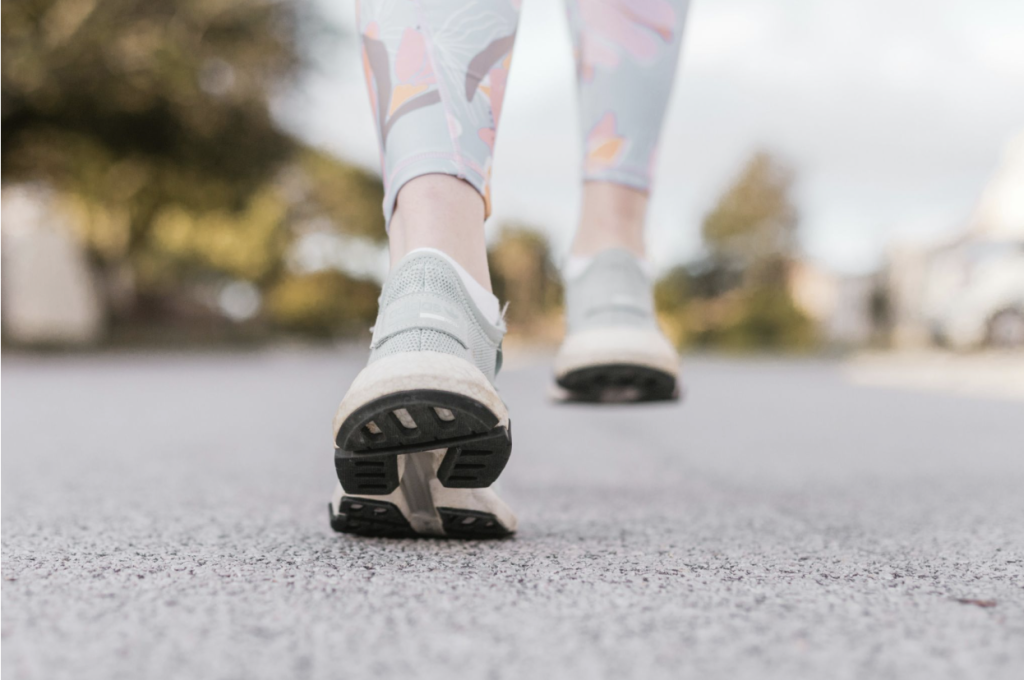
Walk into any sporting goods store and the choice can feel confusing. Running shoes, walking shoes, cross-trainers, gym shoes, trail shoes, and hybrid styles often sit side by side with similar shapes and similar claims. At first, the differences may not be obvious, but they are important because each shoe category supports a different movement pattern.
A walking shoe is built for repeated heel-to-toe motion. A running shoe is built for higher impact and forward propulsion. A gym trainer is built for stability during squats, lunges, jumps, lateral movement, and quick direction changes. Wearing the wrong category may feel harmless at first, but over time it can create discomfort, poor performance, and avoidable strain.
Walking shoes: built for steady, low-impact movement
Walking is a controlled movement where one foot stays in contact with the ground. The impact is lower than running, but it repeats thousands of times during a long walk, commute, or full day on your feet. That is why walking shoes focus on lasting comfort, moderate cushioning, and smooth forefoot flexibility.
A good walking shoe should bend naturally through the front of the foot, allowing the foot to roll from heel strike to toe-off. If the forefoot is too stiff, the calf and front of the foot may fatigue sooner. Heel cushioning also matters because most walkers land heel first, then move forward through the step.
The upper of a walking shoe is usually made for breathability and daily durability rather than speed. This makes walking shoes a practical option for fitness walkers, commuters, retail workers, travelers, and anyone whose main activity is sustained walking rather than running or gym training.
Running shoes: made for impact and forward motion
Running places much higher forces on the body than walking. Each stride involves a short airborne phase, followed by impact that can reach several times body weight. Running shoes are designed to absorb that load, protect the joints, and support efficient forward movement.
Compared with walking shoes, running shoes usually have more cushioning in the heel and forefoot. Their outsole patterns support heel-to-toe movement, while their lightweight uppers reduce unnecessary weight without removing structure around the heel and toe box.
Running shoes also come in different support categories. Neutral shoes suit runners with a balanced gait. Stability shoes help people who overpronate, meaning the foot rolls inward more than ideal. Motion-control shoes offer stronger correction for runners with significant overpronation or flat feet.
A walking shoe should not be used as a regular running shoe because it usually lacks the cushioning and impact protection needed for repeated running loads. A running shoe can often be used for walking, but it may feel softer, higher, or less stable than a dedicated walking model.
Gym and training shoes: stability for movement in every direction
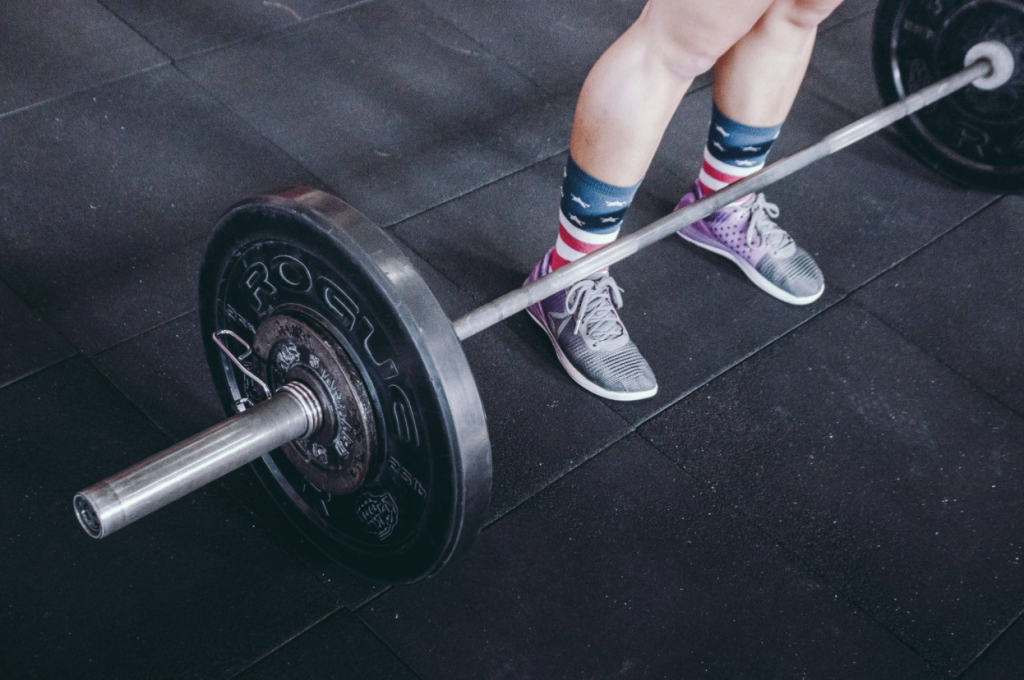
Gym training creates demands that walking and running shoes are not built to handle. Squats, lunges, box jumps, sled pushes, lateral shuffles, pivots, and strength circuits all place pressure on the foot from several directions. A shoe made only for forward motion can feel unstable during those movements.
Training shoes are usually flatter and broader through the sole, which gives the foot a more stable base. Their heel drop is generally lower than in running shoes, helping the foot stay closer to the ground during lifting and explosive movement. The outsole is designed for grip on gym floors, with traction that supports side-to-side movement as well as forward motion.
Using running shoes for serious gym work can be a problem because many running shoes have soft midsoles and higher heel stacks. That softness is useful for running impact, but less useful when the body needs a firm, planted base for strength training. During lateral work, a running shoe can also increase the chance of ankle rolls because it is not built for repeated side movement.
What happens when you use the wrong shoe
The wrong shoe does not always cause pain immediately, which is why people often ignore the mismatch. The problem usually builds gradually as the body repeats the same movement in footwear that does not support it properly.
A runner using gym trainers for regular mileage may not get enough shock absorption, increasing stress on the shins, knees, hips, and plantar fascia. A gym-goer using running shoes for lateral drills may feel less stable because the shoe is designed to move forward, not side to side. A long-distance walker using a stiff trainer may develop foot and calf fatigue because the shoe resists the natural walking roll.
The shoe does not have to be expensive to work well, but it does need to match the activity. Fit, support, cushioning, flexibility, and stability should all be judged according to what the shoe is expected to do most often.
New Balance: one brand across walking, running, and training
New Balance is one of the few athletic brands with strong options across walking, running, and gym training. Its range includes dedicated walking shoes, cushioned running shoes, stability running shoes, and training shoes made for gym-floor movement.
For walking, models such as the New Balance 847 and MW series are known for support, comfort, and width availability. For running, the Fresh Foam X 1080 serves neutral runners who want soft cushioning, while the 860 series is built for runners who need more stability. For gym and cross-training, New Balance training lines offer lower-profile support and better multidirectional grip than a typical road-running shoe.
One of the brand’s major advantages is width selection. Many people struggle with standard-width shoes, especially if they have wide feet, bunions, high arches, or need extra room through the forefoot. New Balance offers many models in several widths, which can make the fit more precise than brands that rely mainly on a single standard shape.
Australian buyers looking to buy New Balance shoes online can compare walking, running, and training options through Brand House Direct, where men’s and women’s models across multiple categories are available. This makes it easier to match the shoe to the activity rather than choosing based only on color, price, or general comfort in the first few minutes.
Practical questions before choosing a pair
The first question is simple: what will the shoe mainly be used for? If the answer is walking, choose a walking shoe. If the answer is running, choose a running shoe matched to gait, distance, and support needs. If the answer is gym training with lifting, jumping, and side-to-side movement, choose a training shoe. If the routine includes both running and gym work, two pairs are usually better than forcing one shoe to do everything.
Weekly volume also matters. Someone walking a few kilometers per week has more flexibility than someone running high mileage or standing all day for work. Higher use compresses the midsole faster and makes the correct category more important.
Foot type should guide the choice within each category. Overpronators may need stability features. High arches often need more cushioning. Wide feet need real width options rather than a longer size that still squeezes the forefoot. People with bunions, plantar fasciitis, recurring knee pain, or previous lower-limb injuries should be more careful with fit and support.
Replacement timing is another common issue. Athletic shoes lose cushioning before they look worn out. Walking and running shoes often need replacing after roughly 300 to 500 miles, depending on body weight, surface, gait, and shoe construction. Gym shoes may last a similar period based on session frequency and floor abrasion.
One category does not fit every activity
The right athletic shoe is not the one with the best marketing claim. It is the one built for the activity, the foot, and the amount of use it will receive. Walking shoes support repeated low-impact movement. Running shoes protect against higher forward impact. Gym trainers provide stability for lifting, jumping, and lateral work.
Choosing correctly does not require specialist knowledge, but it does require honesty about how the shoes will be used. A well-matched pair can improve comfort, reduce fatigue, and lower the chance of preventable strain over months of regular activity.
Anyone with existing foot pain, gait issues, or a history of lower-limb injury should speak with a podiatrist or sports physiotherapist before choosing athletic footwear, as a professional assessment can identify the support, width, cushioning, and stability features most suited to their movement pattern.
Author

Written by
Recent Posts

Unlocking the Berkshires
Dalia Forman Design

Alberto Luzzi
How to Pick a Homecoming Dress for Your Body Type and Feel Amazing in It
How to Prepare a Home for Sale When Major Repairs Are Not Affordable
Categories
- Art
- Articles
- Business of Luxury
- Celebrities
- Culture
- Entertainment
- Events
- Faces of Summer 2026
- Fashion
- Fashion & Style
- Featured
- Finance
- Food, Spirits, Wine
- Hamptons
- Hamptons Celebrities
- Health
- Health & Beauty
- Lifestyle
- Luxury Lifestyle
- Press
- Profiles
- Real Estate
- Technology
- The Chronicles
- Travel
- Uncategorized
- Weddings