
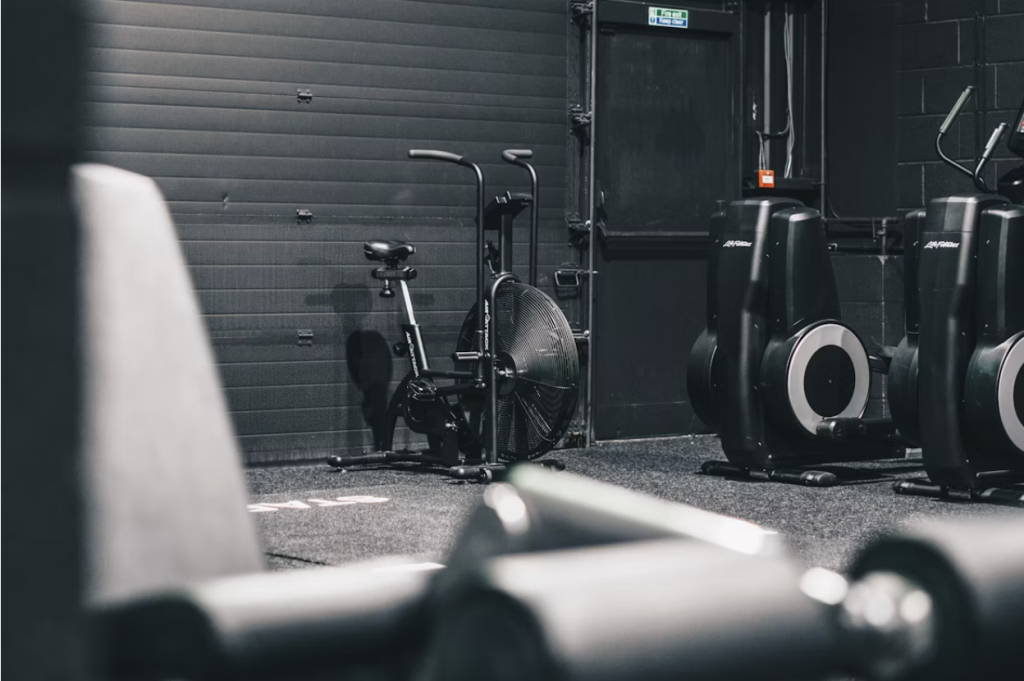
Setting up a home gym does not require a large room or a high budget. With the right approach to layout, equipment, and organization, even a compact area can serve as a functional and visually appealing workout space.
The key is making deliberate choices about how to use every square foot, whether that means mounting wall-based equipment like a Fitness Avenue Swedish ladder for home gyms or consolidating free weights into a single adjustable set.
Additionally, whether working with a spare closet, a garage corner, or an underused bedroom, a small-space home gym can support a consistent fitness routine without the monthly cost of a membership.
Choosing the Right Location
The first step is identifying which area of the home can realistically accommodate a workout setup. A spare bedroom, a section of the garage, or an unused corner in the basement can all work. Garages tend to offer durable flooring and ventilation, while spare bedrooms provide closet space for storing equipment.
Basements, though sometimes dim, can be outfitted with overhead lighting to create a more open feel. The goal is to find a space that provides enough clearance for full-body movements such as lunges, overhead presses, or mat-based exercises.
Selecting Compact and Versatile Equipment
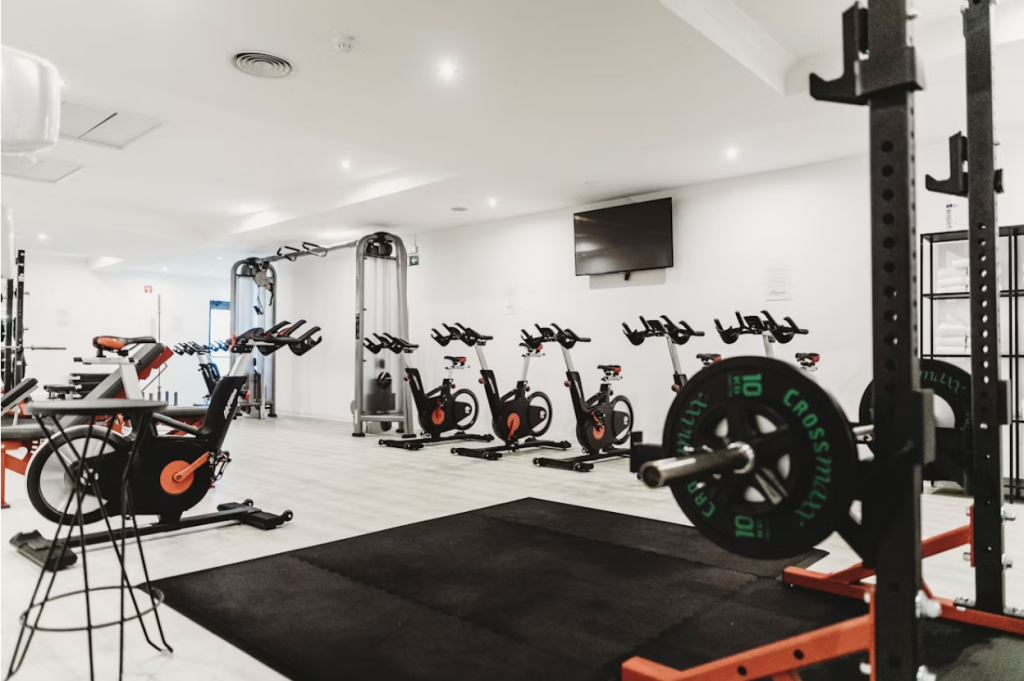
In a small gym, every piece of equipment needs to earn its place. Adjustable dumbbells replace an entire rack of fixed weights by consolidating multiple load options into a single set. Compact equipment like resistance bands, a jump rope, and a doorframe pull-up bar provides plenty of workout options while using minimal space.
For cardio, a foldable treadmill or a compact rowing machine can be stored upright against a wall when not in use. Prioritizing equipment that folds, stacks, or serves multiple purposes keeps the space from feeling cluttered.
Installing Protective and Functional Flooring
Rubber mats or interlocking foam tiles serve two purposes in a small gym. They protect the existing floor from dropped weights and heavy foot traffic, and they reduce noise for anyone living in the rooms below. Rubber flooring is straightforward to install and can be cut to fit irregular spaces.
In apartments or upper-floor rooms, this type of flooring also absorbs impact, which helps maintain good relations with neighbors. Choosing a neutral color for the mats keeps the space looking clean and cohesive.
Maximizing Vertical Storage
When floor space is limited, walls become the primary storage solution. Wall-mounted racks can hold weight plates, kettlebells, and yoga mats without occupying any ground area. Pegboards work well for hanging resistance bands, jump ropes, and lifting gloves, keeping smaller accessories visible and accessible.
Floating shelves can store water bottles, towels, and foam rollers. The principle is straightforward: anything that can go on a wall should go on a wall. This approach keeps the workout area open and reduces the risk of tripping over loose gear.
Using Mirrors and Lighting to Open the Space
Mirrors make a small room feel larger while also serving a functional role during workouts. Checking form during lifts or bodyweight movements becomes easier with a full-length mirror mounted on one wall.
For lighting, natural light from a window or skylight creates a more inviting atmosphere, but LED panel lights or recessed fixtures work in spaces without windows. Consistent, even lighting prevents the room from feeling cramped and makes the gym a space people want to spend time in.
Maintaining a Cohesive Design
A home gym does not have to look like a commercial fitness center. Keeping the color palette simple — two or three tones at most — creates visual consistency. Matching equipment colors or choosing gear in black, gray, or white prevents the space from looking disorganized.
A softly colored accent wall can give the room personality without making it feel too busy. The flooring, wall color, and equipment should feel intentional rather than like a collection of mismatched purchases.
Separating the Gym from Living Areas
In homes where the gym shares a room with another function, creating a visual boundary helps define the workout zone. A folding screen, a curtain on a ceiling-mounted track, or even a bookshelf used as a divider can separate the gym area from a home office or living space.
This separation makes the gym feel like a dedicated space, which supports a more focused workout routine. When the session is over, the divider conceals the equipment and restores the room to its other purpose.
A small-space home gym works when every decision — from equipment selection to wall storage — accounts for the limited square footage available. The result is a space that supports consistent training without requiring a dedicated room or a large investment.
Author

Written by
Recent Posts
How to Pick a Homecoming Dress for Your Body Type and Feel Amazing in It
How to Prepare a Home for Sale When Major Repairs Are Not Affordable
From Everyday Comfort to Personal Style: My SHEIN Slipper Habit
5 Best Mitsubishi Heat Pump Companies in Seattle
Tech Gadgets as Modern Corporate Gifts: Useful Ideas for Employees and Clients
Categories
- Art
- Articles
- Business of Luxury
- Celebrities
- Culture
- Entertainment
- Events
- Faces of Summer 2026
- Fashion
- Fashion & Style
- Featured
- Finance
- Food, Spirits, Wine
- Hamptons
- Hamptons Celebrities
- Health
- Health & Beauty
- Lifestyle
- Luxury Lifestyle
- Press
- Profiles
- Real Estate
- Technology
- The Chronicles
- Travel
- Uncategorized
- Weddings