
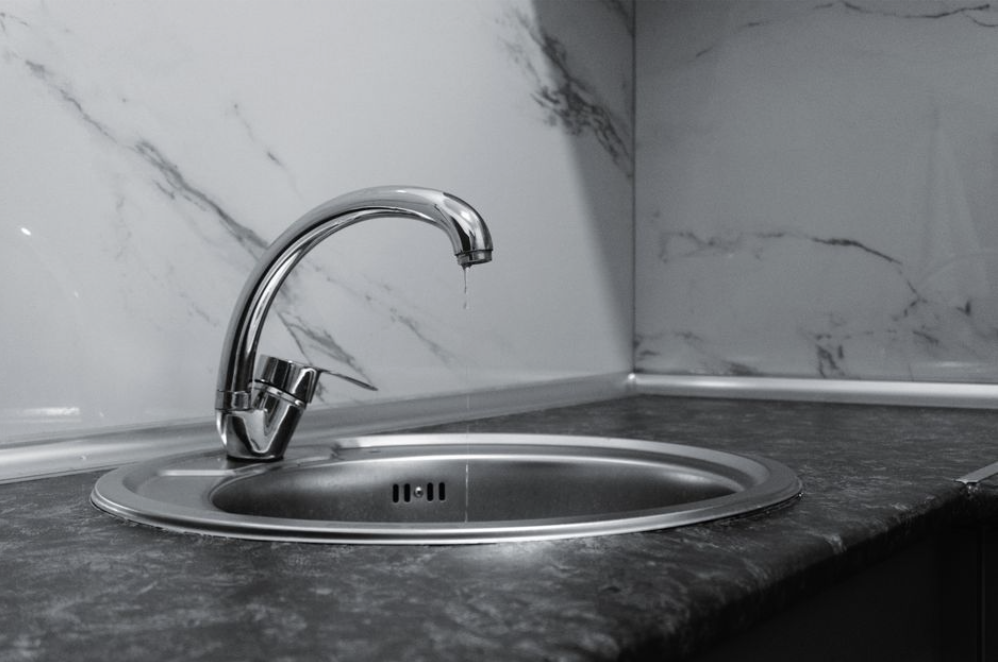
Your plumbing usually stays out of sight and out of mind until something starts dripping, gurgling, or backing up at the worst possible moment. If you live in Winder, Georgia, you already know how quickly a small home issue can turn into a full Saturday problem. Older pipes, seasonal weather swings, and busy family routines can all put extra pressure on your plumbing system. A little knowledge helps you stay calm, act fast, and avoid expensive surprises.
Know the Early Warning Signs Before Things Get Messy
Plumbing problems rarely appear out of nowhere. They usually send little signals first, and your job is to catch them before they become headline news in your kitchen.
Watch for warning signs like:
– Slow drains in sinks, tubs, or showers
– Water stains on ceilings or walls
– A sudden drop in water pressure
– Toilets that keep running or refill oddly
– Unusual smells near drains or under sinks
– Spikes in your water bill without a clear reason
A dripping faucet may look harmless, but those drops add up. A small leak under a sink can also damage cabinets, flooring, and drywall long before you notice visible trouble.
If you hear banging pipes, that’s not your house trying out percussion. It can point to pressure issues, unsecured pipes, or air in the lines. The faster you spot these clues, the easier it is to stop a repair from snowballing.
Learn Which Problems You Can Handle and Which You Shouldn’t
You don’t need to panic every time a drain slows down, but you also don’t want to play hero with a pipe wrench and zero plan.
There are a few basic issues you can usually manage safely:
– Tightening a loose faucet handle
– Using a plunger on a minor toilet clog
– Checking under sinks for visible drips
– Cleaning hair and soap buildup from a stopper
– Turning off the main water valve in an emergency
Other problems call for professional help right away. Burst pipes, sewer line backups, water heater leaks, and recurring clogs usually mean there’s a deeper issue in the system.
When you need a trusted local plumber in Winder, it helps to work with someone who understands local homes, common pipe layouts, and the kind of wear that shows up in this area. That local experience can save you time, guesswork, and repeat repairs.
Prevent Clogs With Habits That Actually Work
A lot of plumbing trouble starts with everyday habits. The good news is that small changes can protect your pipes more than expensive gadgets ever will.
In the kitchen, grease is one of the biggest troublemakers. It may slide down the drain hot, then cool and cling to the inside of your pipes like an unwanted tenant.
Use these clog-prevention habits:
– Pour cooking grease into a container, not the sink
– Scrape food scraps into the trash before washing dishes
– Use a sink strainer to catch debris
– Avoid flushing wipes, paper towels, or hygiene products
– Keep hair catchers in shower and tub drains
Even products labeled flushable can cause major blockages. Pipes are not impressed by marketing.
If several drains in your home are slowing down at once, that often points to a bigger problem than one simple clog. At that stage, store-bought drain cleaners can make matters worse by damaging pipes or masking the issue without fixing it.
Understand How Water Damage Gets Expensive Fast
Water is sneaky. It doesn’t need a dramatic flood to cause serious damage. A slow leak can quietly ruin wood, insulation, paint, and drywall while creating the perfect setup for mold.
Here’s where costs tend to climb:
– Subfloor damage under bathrooms or kitchens
– Mold growth behind walls
– Warped cabinets and flooring
– Ceiling stains from hidden pipe leaks
– Electrical risk near soaked wall cavities
One tiny pipe leak behind a washing machine can spread moisture for weeks before you spot it. By then, the repair bill often includes both plumbing work and restoration work.
That’s why regular visual checks matter. Look behind toilets, under sinks, around water heaters, and near appliance hookups. If something smells musty or feels damp, don’t shrug it off.
Homeowners often focus on visible messes, but hidden moisture usually does the real damage. Catching leaks early is less glamorous than a full remodel, but your wallet will definitely prefer it.
Pay Attention to Your Water Heater Before It Quits on You
Most people ignore the water heater until the shower turns into an icy betrayal. That appliance works hard every day, and it gives off clues when it’s struggling.
Common warning signs include:
– Rust-colored hot water
– Rumbling or popping sounds from the tank
– Inconsistent water temperature
– Moisture or pooling near the base
– Hot water running out too quickly
Sediment buildup is a frequent issue, especially in systems that haven’t been flushed regularly. It forces the heater to work harder, reduces efficiency, and shortens its lifespan.
If your unit is over 8 to 12 years old, start paying closer attention. Repairs may still make sense, but repeated issues can signal that replacement is the smarter move.
A neglected water heater can also become a leak risk. And once that tank lets go, it doesn’t exactly leak with manners. Routine inspections help you avoid a very bad day.
Choose a Plumber Like You’d Choose Any Important Service
Not all plumbing help is equal, especially when you’re stressed and need someone quickly. Picking the first name you see can work out, but it can also leave you paying for rushed work or temporary fixes.
When comparing plumbing services, look for:
– Clear communication about pricing and scope
– Licensing and insurance
– Experience with residential plumbing systems
– Availability for urgent repairs
– Reviews that mention reliability and follow-through
It also helps to ask practical questions. Will they inspect the root cause or only fix the symptom? Do they explain repair options in plain language? Can they tell you what to monitor after the visit?
Good service isn’t only about unclogging a drain. It’s about helping you understand what happened, what was fixed, and what you can do to avoid a repeat performance. A solid plumber saves you money long term by solving the right problem the first time.
Build a Simple Home Plumbing Routine That Saves You Trouble
You don’t need a detailed maintenance spreadsheet or a monthly date with your utility closet. A simple routine goes a long way.
Try this basic plumbing checklist:
– Check visible pipes and shut-off valves every few months
– Test sinks and tubs for slow drainage
– Listen for running toilets after flushing
– Inspect appliance hoses for cracks or bulging
– Flush your water heater based on manufacturer guidance
– Know where your main water shut-off valve is located
If you’re leaving town, even for a few days, it’s smart to inspect for leaks before you go. A small drip can become a major headache when no one is home.
Plumbing maintenance isn’t exciting, and no one brags about it at dinner. Still, it keeps your home running smoothly, protects your budget, and cuts down the odds of emergency repairs. That’s a pretty good trade for a few minutes of attention now and then.
Author

Written by
Recent Posts
Nino’s Beach Brings Generations of Italian Hospitality to the Port Washington Waterfront

The Self-Made Man Who’s One Phone Call From Ruin

Everyone Out Here Is Loaded. Nobody Feels Rich.
What to Do When Illness Threatens a Trip You Already Paid For
How Independent Watch Brands Are Challenging Traditional Luxury
Categories
- Art
- Articles
- Business of Luxury
- Celebrities
- Culture
- Entertainment
- Events
- Faces of Summer 2026
- Fashion
- Fashion & Style
- Featured
- Finance
- Food, Spirits, Wine
- Hamptons
- Hamptons Celebrities
- Health
- Health & Beauty
- Lifestyle
- Luxury Lifestyle
- Press
- Profiles
- Real Estate
- Technology
- The Chronicles
- Travel
- Uncategorized
- Weddings