
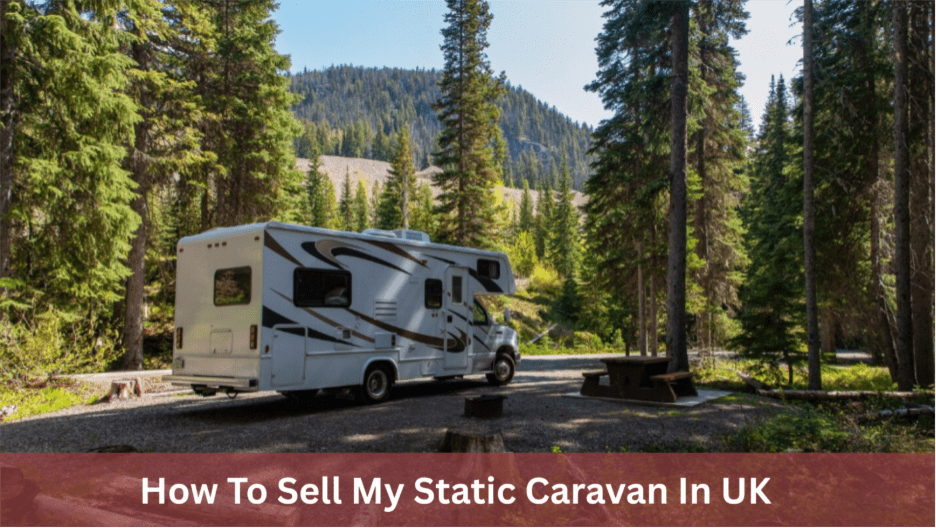
Selling a static caravan may require more time than you expect since numerous enquiries fail to develop into a real offer, prices are confusing, and park resale rules add steps that are easy to miss. Meanwhile, pitch fees and general maintenance continue, which makes waiting for a buyer stressful.
You can also experience uncertainty about the right paperwork or worry about accepting a reduced price with the aim of making the sale fast. Nonetheless, when you follow clear steps, prepare your caravan properly, and learn the resale process, it becomes much easier to handle.
This article describes easy and realistic methods of selling your static caravan in the UK with minimal stress and better results.
1. Realistic Price That Attracts Buyers

When you’re wondering how to sell my static caravan, the most appropriate point to start is by setting the right price, since this directly influences the number of buyers who may contact you.
Start by examining recent sales of caravans in the same park, as the location and facilities, and the pitch position, usually count more than the year itself. To add value, also include central heating, double glazing, decking, and furniture.
Do not fix a price according to personal expectation, as this tends to result in few enquiries as well as long waiting periods. A realistic and fair price attracts real buyers and makes you negotiate with confidence.
2. Park Approval and Ownership Transfer Steps
Park management should be contacted before you list your caravan to determine how they resell, since all parks follow different rules. In some parks, there is a commission charged on the personal sales, and in others, the purchaser must fulfill the age or holiday-use requirement.
Being aware of such information at the outset saves you time in the future and enables you to communicate the process to the prospective buyer in a clear manner. It also gives you time to prepare the documents required for the transfer.
Disclose details on pitch fees, duration of license, and park amenities early enough to ensure that buyers are aware of the entire commitment. Once buyers understand what to expect, they make decisions more quickly, making viewings more productive.
3. Condition Check That Builds Buyer Confidence

The state of your caravan is a significant factor that influences buyer interest; having the simplest preparations can significantly help. Begin with basic checks like damp inspection, gas safety, and electrical testing since buyers frequently enquire about them initially.
Fix minor visible problems such as loose handles, faded seals, or scribbled down panels because such issues may instill doubt in viewings. Clean all the rooms and clear away personal stuff to make the area look plain and simple.
Open the windows for fresh air, and use good lighting to make the inside bright. A neat and well-kept caravan instills confidence in the buyers, and they feel more relaxed about paying your asking price.
4. Clear Listing That Answers Buyer Questions
Having a clear and detailed listing not only aids you in attracting the right buyers but also saves you the burden of having to repeat the same questions several times. Add details that are important, like manufacturer, model, year, berth size, pitch location, and remaining period to the license and annual site fees.
Also mention what is included in the sale, such as furniture, appliances, decking, storage, or parking space, because these points influence value. Use good-quality photos taken in natural daylight and show each main area, including lounge, kitchen, bedrooms, bathroom, and outside space.
Make sure the caravan looks clean and uncluttered in every image. When buyers can see accurate information and clear visuals, they arrive informed, which makes viewings smoother and speeds up negotiations.
5. Serious Buyer Screening That Saves Time

Not all enquiries result in sales, and so by checking buyer readiness in the beginning, you save time and avoid frequent viewings. Begin with simple and courteous questions on their budget, their knowledge of the annual pitch fees, and the fact that they know the rules of the park, like holiday-use only or age restrictions.
This helps you identify buyers who are genuinely prepared to move forward rather than those who are only browsing. You can also confirm if they are ready to complete park approval forms when required.
Arranging viewings for qualified buyers on the same day keeps your schedule organized and reduces disruption. When you focus on serious buyers, conversations become clearer, decisions happen faster, and the chances of receiving a firm offer increase.
6. Complete Documents Ready Before Offers
Preparing your paperwork before you receive an offer makes the sale process quicker and far more organized. Start by collecting proof of ownership, your current site license agreement, recent safety certificates, and records of servicing, repairs, or upgrades.
Buyers often ask for these documents before they commit to payment because they want clear confirmation of condition and legal transfer. When you can provide everything immediately, it builds confidence and reduces repeated questions.
It also allows park management to review the buyer faster because all the required details are already available. Keep both printed copies and digital versions so you can share them during viewings or by email without delay, which helps avoid last-minute problems.
7. Secure Payment and Smooth Handover Process
Always make sure the full payment has reached your bank account before signing any transfer forms or giving the buyer access to the caravan. Bank transfer is commonly preferred because it provides a clear record and lowers the risk for both sides.
After payment is confirmed, arrange a meeting with park management to complete the official ownership transfer so the buyer is properly registered on the pitch. During handover, provide spare keys, appliance manuals, warranty details, and a simple written inventory of included items.
Take time to show how heating, water, and electricity work so the buyer feels confident. A careful and organized final step prevents confusion and ensures the sale ends smoothly.
Conclusion
Selling a static caravan in the UK becomes much easier when you follow clear and simple steps from the beginning. A realistic price, good condition, and clear listing attract serious buyers and reduce waiting time.
Early communication with park management helps you understand the transfer process and avoid delays. Having documents ready and checking buyer suitability keeps negotiations smooth and focused.
Secure payment and an organized handover complete the sale in a professional way. When each step is planned and managed carefully, you can achieve a faster, stress-free sale while protecting the value of your caravan.
Author

Written by
Recent Posts

Chris Pontius Net Worth: The Man Who Survived Being Himself

Sandy Mahl Net Worth: The Woman Behind Garth Brooks Who Chose Silence

Tracey Walter Net Worth: The $3M Career Hidden in 200 Films

Stanley Livingston Net Worth: The $2M Exit Nobody in Hollywood Studied

Telma Hopkins Net Worth: The $4M Career Pivot Nobody Studied
Categories
- Art
- Articles
- Beauty & Skincare
- Celebrities
- Celebrities|The Chronicles
- celebrities|the-archive
- Chronicles
- Event Photos
- Events
- Fashion
- Fashion & Style
- Featured
- Food & Beverage
- Food, Spirits, Wine
- Hamptons
- Hamptons Celebrities
- Hamptons Celebrities|Celebrities|The Chronicles
- Health
- Health & Beauty
- Lifestyle
- Luxury Lifestyle
- Press
- Profiles
- Real Estate
- Technology
- The Chronicles
- Travel
- Uncategorized
- Weddings