
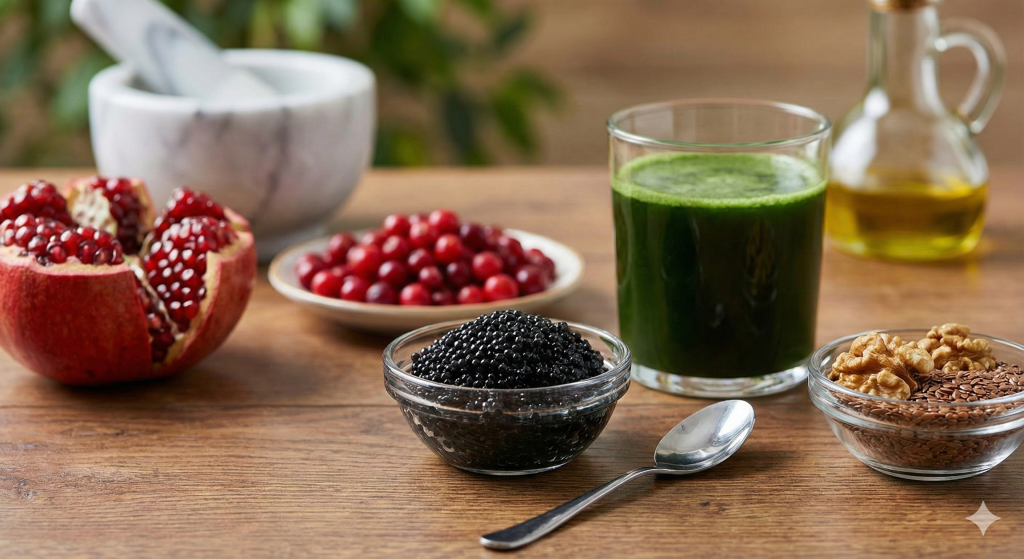
Forget everything you thought you knew about caviar. While most people file it under “expensive party food,” the science tells a different story. Caviar is emerging as one of nature’s most potent superfoods, packed with nutrients that support fertility, strengthen blood health, and fight inflammation at the cellular level. The wealthy have been eating it for centuries. Now we know why their skin looks better.
This isn’t wellness marketing. The research backing caviar’s health benefits comes from institutions like the Cleveland Clinic, Harvard, and Tufts University. A single tablespoon delivers more omega-3s than most fish oil supplements, 236% of your daily B12 requirement, and a constellation of minerals that your body actually knows how to absorb.
So is caviar healthy? The short answer: remarkably so. The longer answer involves sperm quality, red blood cell production, and why the anti-inflammatory properties of sturgeon eggs might be the best-kept secret in functional nutrition.
The Caviar Superfood Profile: What’s Actually in Those Tiny Pearls
Before diving into specific health benefits, let’s examine what makes caviar nutritionally exceptional. A single one-ounce serving (about 28 grams) contains a remarkable density of essential nutrients that most foods simply cannot match.
According to Cleveland Clinic dietitian Patricia Bridget Lane, caviar qualifies as a “nutritional powerhouse.” One serving provides over 1,000mg of omega-3 fatty acids (EPA and DHA combined), 236% of your recommended daily vitamin B12, significant amounts of selenium, iron, magnesium, and calcium, plus high-quality complete protein with all essential amino acids.
Here’s what separates caviar from other omega-3 sources: the concentration. Fish eggs contain three times more EPA and DHA than the fish meat itself. You’d need to eat several servings of salmon to match what a tablespoon of quality sturgeon caviar delivers.
Caviar and Fertility: The Science Behind the Reproductive Benefits
The fertility connection might be caviar’s most compelling health story. Both male and female reproductive health appear to benefit significantly from the omega-3 profile found in sturgeon roe.
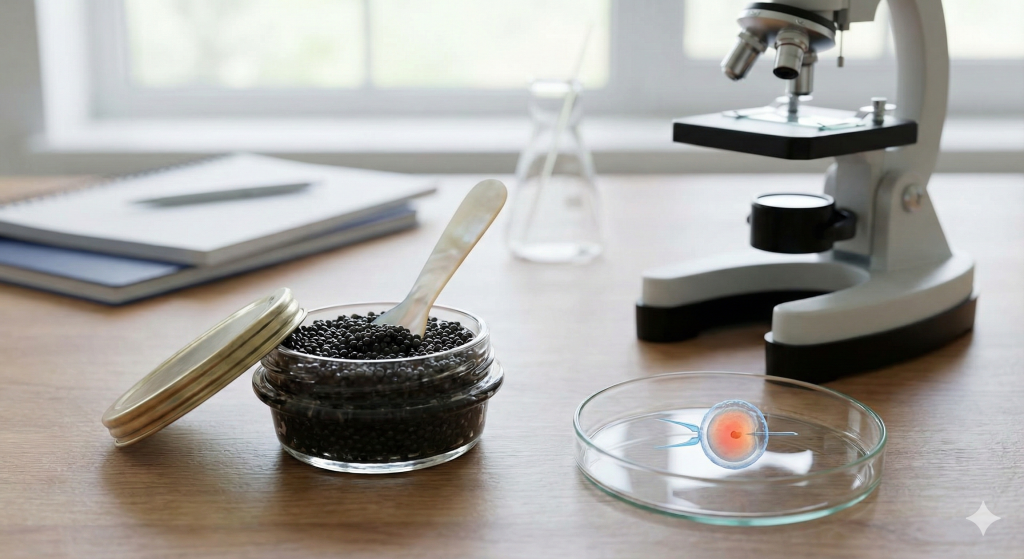
Male Fertility: Sperm Quality and Omega-3 Concentration
Research published in peer-reviewed journals demonstrates a clear relationship between DHA levels and sperm health. According to Healthline’s analysis of the scientific literature, sperm contains particularly high concentrations of DHA. When men have low DHA levels, their sperm quality suffers measurably.
The mechanism makes biological sense. DHA supports sperm structure, shape, and fluidity. These factors directly influence whether sperm can successfully bind to eggs. Men with higher omega-3 levels in their blood and sperm consistently show better fertility markers than those with deficiencies.
One rodent study specifically examined a caviar-derived product’s effects on reproductive parameters. The results showed significant improvements in sperm count, motility, and survival rates. While human trials are still catching up, the preliminary data points in a promising direction.
Female Fertility: Egg Quality and Ovarian Health
The research on omega-3s and female fertility has produced some remarkable findings. A 2018 study of women undergoing assisted reproductive treatment found that higher blood levels of omega-3s correlated strongly with better outcomes. The numbers were striking: for every 1% increase in omega-3 levels, clinical pregnancy and live-birth rates increased by approximately 8%.
Ovarian aging represents another area where omega-3 intake shows promise. A 2012 study found that long-term consumption supported healthier ovarian function over time. Even more interesting, short-term supplementation in women approaching advanced maternal age was associated with improved egg quality.
Fish roe offers a particularly favorable omega-3 to omega-6 ratio of approximately 10:1. This balance matters because excessive omega-6 consumption (common in Western diets) can promote inflammation that interferes with reproductive processes. Caviar helps restore equilibrium. For couples exploring fertility optimization alongside lifestyle factors like Hamptons wellness retreats, adding quality caviar to the menu represents a delicious intervention.
Caviar for Blood Health: Iron, B12, and Hemoglobin Production
The blood health benefits of caviar stem from its exceptional vitamin B12 and iron content. These nutrients work synergistically to support red blood cell production and oxygen transport throughout the body.
Vitamin B12: The Energy and Blood Cell Connection
Caviar stands out as one of the richest natural sources of vitamin B12. According to the National Institutes of Health, B12 plays a critical role in red blood cell formation and helps prevent megaloblastic anemia, a condition that causes fatigue and weakness.
A single serving of caviar provides roughly 130% of the recommended daily intake of B12. This matters particularly for people over 50, vegetarians considering adding seafood, and anyone with absorption issues. The B12 in caviar comes in a highly bioavailable form that your body can actually use.
Beyond blood cell production, adequate B12 supports nerve function, DNA synthesis, and energy metabolism. The vitamin helps break down fats and carbohydrates, contributing to sustained energy levels throughout the day.
Iron Content and Hemoglobin Regeneration
Black caviar contains approximately 3.37 milligrams of iron per ounce. While this represents a meaningful portion of daily requirements (especially for men), the real story involves how caviar’s unique composition supports iron absorption and utilization.
The trace mineral profile in caviar facilitates iron absorption more effectively than many other food sources. This saturation with complementary micronutrients gives caviar the ability to increase red blood cell counts, which directly influences hemoglobin production and oxygen-carrying capacity.
For people managing anemia or low energy levels, caviar offers a gourmet solution to a common nutritional challenge. The experience differs significantly from choking down iron supplements. Of course, those with specific medical conditions should consult healthcare providers, but caviar represents an elegant dietary addition. Much like the carefully curated wine lists at North Fork’s finest restaurants, quality caviar rewards those who appreciate the finer details.
The Anti-Inflammatory Power of Caviar’s Omega-3s
Chronic inflammation underlies many modern health problems, from heart disease to cognitive decline. The omega-3 fatty acids in caviar address inflammation through multiple biological pathways that researchers are only beginning to fully understand.
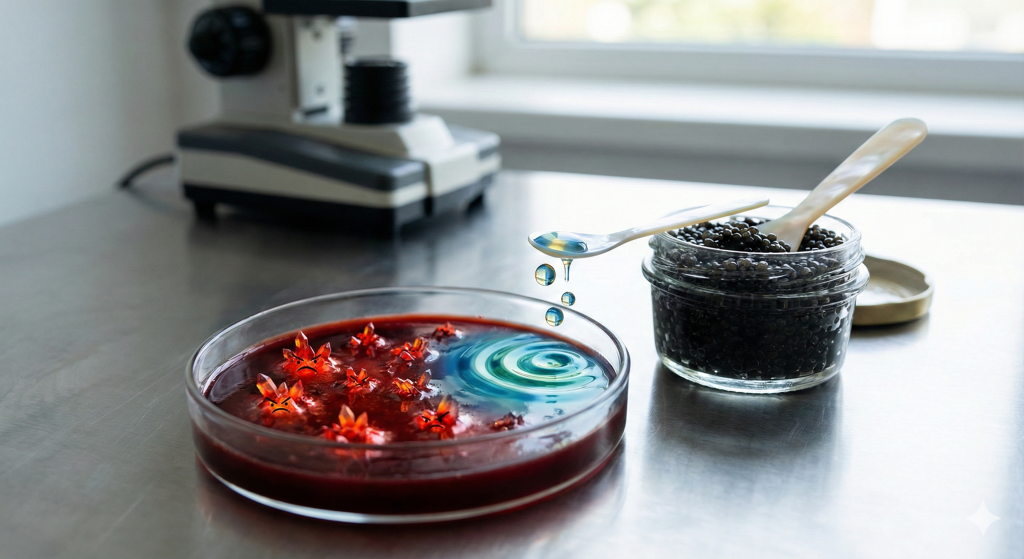
How EPA and DHA Combat Inflammation
Research from Tufts University revealed that EPA and DHA work through distinct mechanisms. DHA demonstrated stronger direct anti-inflammatory effects, lowering the genetic expression of four types of pro-inflammatory proteins. EPA, meanwhile, proved better at balancing the ratio between pro-inflammatory and anti-inflammatory markers.
Caviar provides both fatty acids in their natural ratio, allowing your body to benefit from complementary mechanisms. The omega-3s help reduce inflammation in blood vessels (a key factor in cardiovascular disease), support joint health by moderating inflammatory responses, protect brain tissue from age-related inflammatory damage, and improve skin conditions linked to chronic inflammation.
Resolvins: The Inflammation-Resolving Compounds
Beyond simply reducing inflammation, EPA and DHA give rise to specialized compounds called resolvins, protectins, and maresins. These molecules actively resolve inflammation and help restore tissue homeostasis. They represent a sophisticated biological mechanism that goes beyond merely blocking inflammatory pathways.
Published research in peer-reviewed journals confirms that these compounds inhibit multiple aspects of the inflammatory cascade. They reduce the adhesion of white blood cells to vessel walls, decrease production of inflammatory signaling molecules, and promote the clearance of cellular debris that perpetuates inflammation.
The anti-inflammatory benefits extend to cardiovascular protection as well. Clinical studies show that regular consumption of omega-3-rich foods like caviar helps maintain healthy blood pressure, improves lipid profiles, and supports blood vessel elasticity. The unique peptides found in caviar may even have natural ACE-inhibiting properties.
Beyond the Big Three: Additional Caviar Health Benefits
Cognitive Function and Mental Health
The brain thrives on omega-3 fatty acids. DHA comprises a significant portion of brain cell membranes, and adequate levels support everything from memory formation to mood regulation. Research suggests that EPA specifically helps with mood disorders, while DHA maintains brain structure and neural connections.
Studies have found that people with depression often have lower omega-3 levels in their blood. While caviar isn’t a replacement for professional mental health treatment, it represents a nutritious addition that supports overall brain function. Some research suggests that 1-2 grams of omega-3s daily may provide mood-supporting effects.
Skin Health and Anti-Aging Properties
There’s a reason luxury skincare brands incorporate caviar extracts into their most expensive products. The DHA in caviar stimulates adipocytes to produce adiponectin, a molecule that improves wound healing, reduces inflammation, and promotes collagen synthesis while preventing collagen breakdown.
A 12-week clinical study involving 35 women with mild to moderate signs of skin aging found that a serum containing caviar extract improved skin smoothness, firmness, and dryness. Fine lines and crow’s feet showed measurable improvement. Consuming caviar directly provides these nutrients from the inside out. The same attention to quality that defines Hamptons estate entertaining applies to choosing your caviar: sourcing matters.
Immune System Support
Selenium and omega-3 fatty acids both play important roles in immune function. Caviar provides meaningful amounts of both nutrients. Selenium boosts antibody production and enhances the activity of macrophages, the white blood cells that engulf and destroy harmful pathogens.
The omega-3s support immune health by reducing chronic inflammation (which can suppress immune function) and helping repair damaged white blood cells. They also restore barrier function in skin, intestines, and lungs, providing first-line defense against invading pathogens.
How to Incorporate Caviar Into Your Wellness Routine
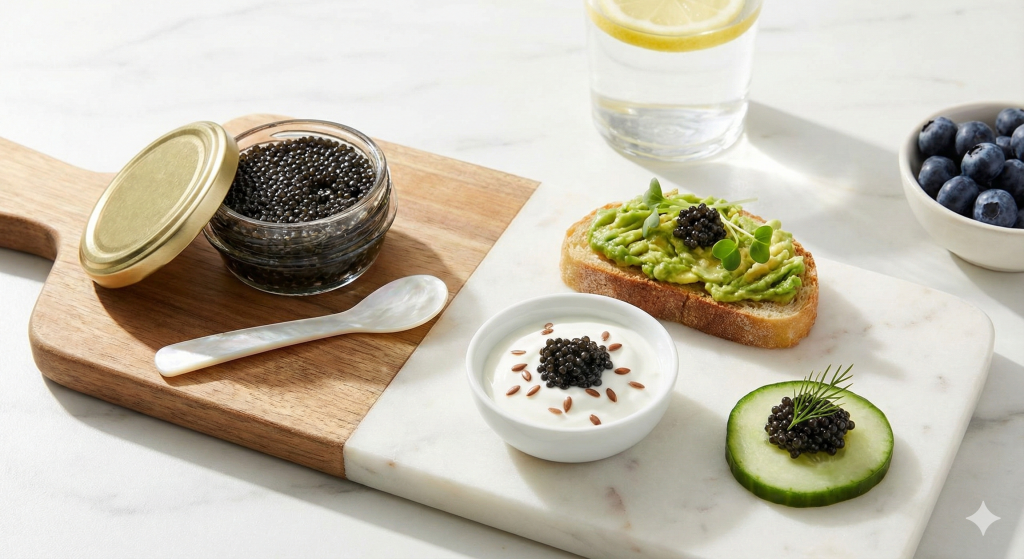
Understanding caviar’s health benefits is one thing. Actually eating it regularly requires some practical guidance. The good news: you don’t need much to achieve meaningful nutritional impact.
Optimal Serving Sizes and Frequency
A tablespoon (about 15 grams) of quality caviar provides substantial nutritional benefits. Consuming this amount two to three times per week delivers consistent omega-3 intake without excessive sodium consumption. Traditional Chinese medicine practitioners recommend daily consumption for at least three months to see improvements in egg or sperm quality.
Keep in mind that caviar is typically high in salt (around 240mg per tablespoon), so those watching sodium intake should factor this into their daily totals. The benefits generally outweigh this consideration for most healthy adults, but moderation remains wise.
Smart Pairings That Maximize Nutrition
Caviar pairs beautifully with foods that complement its nutritional profile. Hard-boiled eggs add additional protein and choline. Blinis or whole-grain crackers provide complex carbohydrates. A dollop of crème fraîche adds satisfying fat that helps absorb fat-soluble vitamins.
Avoid pairing caviar with strongly flavored foods that mask its delicate taste. Skip the onions if you want to appreciate the nuances of quality roe. The traditional mother-of-pearl spoon isn’t just pretentious: metal can oxidize and alter caviar’s flavor profile.
The Verdict: Caviar Earns Its Superfood Status
The evidence supporting caviar’s health benefits extends far beyond marketing claims. Peer-reviewed research confirms its exceptional omega-3 concentration, its role in supporting fertility for both men and women, its contribution to blood health through B12 and iron, and its potent anti-inflammatory properties.
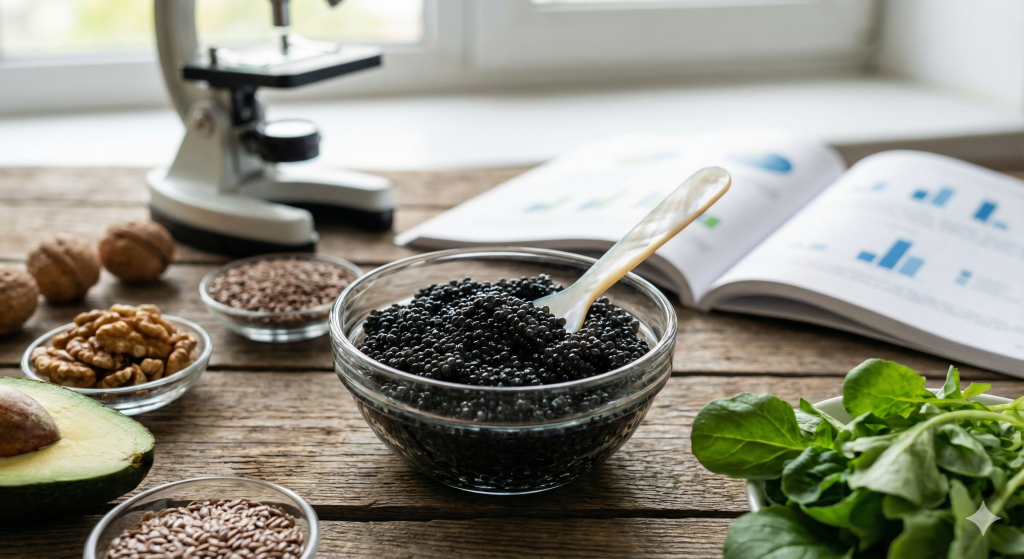
Is caviar healthy? Absolutely. Is it the ultimate superfood? That depends on your definition, but few natural foods pack this much nutritional value into such a small serving. The same indulgence that elevates dinner parties also happens to support your body at the cellular level.
For those seeking to optimize their nutrition without sacrificing pleasure, caviar offers an elegant solution. It represents the rare intersection of luxury and genuine health benefit. The wealthy have always known how to live well. Now you know one of their secrets.
For questions about caviar or to place a special order, contact contributor Lisa Singer at [email protected] or message her on Instagram @laboutiqueducaviar
Experience the Hamptons Lifestyle
Social Life Magazine has covered Hamptons health, wellness, and luxury living for over two decades. For exclusive access to the events, people, and lifestyle that define East End sophistication, subscribe to our print edition or join our email list for weekly insider updates.
Join us at Polo Hamptons this summer for the ultimate expression of East End elegance. Where the caviar flows and the connections matter.
Related Reading: What Does Caviar Actually Taste Like? | The Insider’s Guide to Hamptons Fine Dining
Support independent Hamptons journalism. Contribute $5 to keep our coverage free.
Author

Written by
Recent Posts

How to Choose Useful Tech Gifts for Employees and Clients in 2026
The Garage Question: Which Car Goes South for the Season?

VandS Clinic Review Treatment: How Seoul Injectable and Laser Options Compare for US Patients
Before Buying a View Home: What a Sloped Lot Means for the Purchase

Powerful Strategies to Stay Ahead in a Fast-Moving Real Estate Market
Categories
- Art
- Articles
- Business of Luxury
- Celebrities
- Culture
- Entertainment
- Events
- Faces of Summer 2026
- Fashion
- Fashion & Style
- Featured
- Finance
- Food, Spirits, Wine
- Hamptons
- Hamptons Celebrities
- Health
- Health & Beauty
- Lifestyle
- Luxury Lifestyle
- Press
- Profiles
- Real Estate
- Technology
- The Chronicles
- Travel
- Uncategorized
- Weddings