

The waiting list isn’t for a restaurant table or a handbag. It’s for a blood panel. Specifically, a comprehensive diagnostic workup that takes an entire day, costs $25,000, and produces a 300-page report that most primary care physicians have never seen.
A new category of medicine has emerged over the past decade, distinct from traditional healthcare, wellness spas, and cosmetic clinics. Longevity medicine serves wealthy clients who want to optimize healthspan—the years spent in good health—not just lifespan. The market barely existed fifteen years ago. Today it represents a multi-billion dollar industry with waiting lists extending months.
Understanding this category reveals how the affluent approach health differently than everyone else. They’re not treating disease. They’re preventing decline. The distinction shapes everything from who they see to what they spend to how they think about their bodies.
The Myth About Longevity Medicine
Mainstream perception places longevity medicine in two boxes: either fringe science pursued by eccentrics or cosmetic interventions dressed in medical language. Neither characterization captures what the category has become.
The reality is more nuanced. Longevity medicine occupies space between traditional medicine (focused on treating disease after it appears) and wellness (focused on general wellbeing without rigorous measurement). It applies medical-grade diagnostics and interventions to optimization rather than treatment.
This isn’t anti-aging creams with medical positioning. It’s comprehensive diagnostic workups, biomarker tracking, personalized intervention protocols, and ongoing optimization based on measurable outcomes. The tools are medical. The goal is performance, not just absence of disease.
What $50,000 Buys
Entry into serious longevity medicine typically starts with a comprehensive baseline assessment. Programs like Fountain Life’s membership model or Human Longevity Inc.’s Health Nucleus represent the category’s upper tier.
A typical comprehensive assessment includes:
Full-body MRI. Not the targeted scans ordered when symptoms appear, but comprehensive imaging looking for anything abnormal before it becomes symptomatic. Early-stage cancers, aneurysms, structural issues—problems caught at stage one instead of stage four.
Advanced cardiac imaging. CT calcium scoring, coronary CT angiography, advanced lipid panels, and inflammatory markers. Heart disease remains the leading cause of death. Catching it early changes outcomes dramatically.
Genetic analysis. Beyond ancestry testing, medical-grade genetic analysis identifies predispositions: cancer risks, cardiovascular vulnerabilities, drug metabolism variations. Knowing your genetic cards doesn’t change them, but it changes how you play them.
Comprehensive bloodwork. Not the twelve markers on a standard panel but hundreds of biomarkers: hormones, inflammatory markers, metabolic indicators, organ function, deficiencies. The difference between a standard blood test and a comprehensive panel is the difference between a snapshot and a documentary.
Cognitive assessment. Baseline brain imaging and cognitive testing. Neurodegeneration starts decades before symptoms appear. Establishing baselines makes changes detectable years earlier.
Consultation with specialists. A team reviews results: cardiologists, oncologists, neurologists, metabolic specialists. Not for treatment—for interpretation and protocol development.
What emerges is a comprehensive map of current status and future risks. The wealthy don’t wait for problems to announce themselves. They hunt for problems while they’re still whispers.
The Category Leaders
Several organizations have established themselves at the category’s forefront, each with slightly different approaches and clientele.
Fountain Life
Peter Diamandis and Tony Robbins launched Fountain Life with a membership model starting around $19,500 annually. The approach combines comprehensive diagnostics with ongoing optimization and concierge-level service. Their “upload” process creates a detailed baseline; ongoing monitoring tracks changes over time.
The Fountain Life model targets optimization-minded executives and entrepreneurs—people who apply systems thinking to business and want the same approach applied to health.
Human Longevity Inc.
Founded by genome sequencing pioneer Craig Venter, Human Longevity Inc. built its Health Nucleus program around comprehensive genetic analysis combined with advanced imaging. Their $25,000 assessment produces a genetic map integrated with current health status.
The genomic focus attracts clients particularly interested in understanding inherited risks and optimizing based on genetic predispositions.
Clinique La Prairie
The Swiss clinic represents European longevity medicine at its most established. Operating since 1931, La Prairie combines medical assessment with hospitality in a destination model. Programs run $75,000 and up for week-long comprehensive evaluations and interventions.
La Prairie attracts old money and those who prefer the discretion and established reputation of European medical traditions over American startup energy.
The Hamptons Ecosystem
Closer to home, the Hamptons has developed its own longevity infrastructure. Shou Sugi Ban House in Water Mill bridges wellness retreat and medical assessment. Local concierge physicians offer optimization protocols without requiring travel.
The local ecosystem serves wealthy residents who want ongoing access rather than destination assessments. Flying to a longevity clinic annually works for baseline establishment. Local relationships work for ongoing optimization.
The Bifurcation of Medicine
Longevity medicine represents a broader bifurcation in healthcare. Traditional medicine operates within insurance frameworks, treating disease after diagnosis. Longevity medicine operates outside insurance, optimizing function before problems appear.
This bifurcation creates a two-track system. Those with resources access comprehensive assessment, early detection, and preventive intervention. Those without access the traditional system—excellent at acute intervention, less equipped for optimization and prevention.
The gap compounds over time. Problems caught early in the longevity track get addressed with minimal intervention. The same problems, caught later in the traditional track, require major intervention. Different tracks produce divergent outcomes from the same underlying biology.
The Skepticism Question
Not everyone embraces longevity medicine uncritically. Legitimate questions exist about overdiagnosis, unnecessary intervention, and the gap between marketing and evidence.
Full-body MRIs, for example, frequently detect incidentalomas—abnormalities that would never have caused problems but now require monitoring or biopsy. The psychological burden of knowing about every irregularity may outweigh the benefits for some.
Similarly, aggressive biomarker optimization can lead to intervention cascades. Slightly abnormal hormone levels get treated, requiring additional treatments for side effects, creating complexity without clear benefit.
The sophisticated wealthy approach longevity medicine with informed skepticism. They want comprehensive assessment without reflexive intervention. They want data without treatment escalation. Finding practitioners who share this philosophy matters more than finding the most aggressive protocols.
The Longevity Obsessives
At the category’s extreme, a subset of wealthy clients pursue longevity with obsessive intensity. Bryan Johnson, the tech entrepreneur, reportedly spends $2 million annually on protocols designed to reverse biological aging. His “Blueprint” approach includes dozens of daily interventions monitored through constant measurement.
Johnson’s approach attracts attention because it represents the logical endpoint of optimization thinking: if some measurement and intervention is good, maximum measurement and intervention must be better.
Most wealthy longevity clients don’t pursue this extreme. They want optimization without obsession, data without becoming data’s servant. The goal is better health, not health as identity.
What Actually Works
Beneath the expensive assessments and experimental protocols, longevity research points toward less exciting interventions that nonetheless produce significant outcomes.
Sleep. Consistently the highest-impact, lowest-cost intervention. Sleep quality correlates with almost every longevity marker. Yet sleep optimization rarely headlines longevity clinic marketing.
Movement. Not extreme exercise but consistent moderate activity. Zone 2 cardio. Resistance training. Daily movement. The longevity benefits of exercise are better documented than any pharmaceutical intervention.
Metabolic health. Maintaining insulin sensitivity, avoiding metabolic syndrome, preserving mitochondrial function. The specifics get debated; the importance doesn’t.
Stress management. Chronic stress accelerates biological aging through documented mechanisms. Reducing chronic stress produces measurable longevity benefits.
Social connection. Loneliness rivals smoking as a mortality risk factor. Strong social bonds correlate with longevity across cultures and demographics.
These interventions lack the appeal of expensive diagnostics and cutting-edge protocols. But they form the foundation that makes everything else work. The $50,000 assessment identifies problems. The unsexy fundamentals prevent them.
The ROI Calculation
Wealthy clients approach longevity medicine with investment mindset. What return does $50,000 annually in longevity spending produce?
Direct ROI calculations are impossible—you can’t measure the heart attack that didn’t happen or the cancer caught two stages earlier than it would have been. But the framework matters.
Consider the value of additional healthy years. If comprehensive longevity medicine adds five healthy years to a life—years spent active, cognitive, capable—what’s that worth? For wealthy individuals whose continued contribution to businesses, families, and communities has measurable value, the calculation often justifies significant investment.
Consider also the cost of late-stage intervention versus early-stage prevention. A heart attack’s total cost (medical treatment, lost productivity, reduced quality of life) vastly exceeds annual cardiac monitoring. Cancer treated at stage one costs a fraction of stage four treatment. Prevention economics favor early investment.
The Access Question
Longevity medicine raises uncomfortable questions about healthcare equity. If comprehensive assessment and preventive intervention produce better outcomes, should access depend on ability to pay $50,000 annually?
These questions don’t have easy answers. The market has created a premium tier of medicine that produces measurably different outcomes for those who can access it. Acknowledging this reality doesn’t resolve the ethical questions it raises.
For Social Life readers, the relevant question may be narrower: given that this category exists, how should those with resources approach it? The answer involves informed engagement—using comprehensive diagnostics to understand individual risks, applying evidence-based interventions, maintaining skepticism toward unproven protocols, and treating longevity as one dimension of a well-lived life rather than life’s purpose.
The Future Category
Longevity medicine will likely grow more sophisticated and more accessible over coming decades. Costs for genetic sequencing and advanced imaging continue declining. Artificial intelligence improves diagnostic capability. Research produces new interventions with validated benefits.
The wealthy will likely maintain an access advantage—seeing new developments first, accessing experimental protocols earlier, having comprehensive assessments that others can’t afford. But the category’s baseline will likely rise, making today’s cutting-edge tomorrow’s standard care.
For now, longevity clinics represent where wealthy healthcare is heading: comprehensive, preventive, optimization-focused, and operating largely outside traditional insurance frameworks. Understanding the category clarifies both what’s possible with resources and what questions remain unresolved.
The Takeaway
The rise of longevity clinics reflects a broader shift in how the affluent approach health. From reactive to proactive, from treatment to optimization, from annual physicals to comprehensive assessment, from hoping problems don’t appear to hunting for them early.
The approach isn’t perfect. Overdiagnosis risks exist. Evidence gaps remain. Costs exclude most people. But the category represents a fundamental reimagining of what healthcare could be when insurance constraints and time limitations are removed.
The waiting list for that blood panel keeps growing. What the wealthy have figured out, others are beginning to notice: catching problems early beats treating problems late. That insight is worth more than any specific protocol.
Related Reading:
- Summer Longevity Protocols Hamptons: Are They Safe?
- Where Hamptons Billionaires Go for $10K Spa Days
- Ultra Wealthy Guest Experience Secrets Revealed
- Best of the Hamptons 2026: Insider Secrets Revealed
For features, advertising, and partnership opportunities, contact sociallifemagazine.com/contact. Experience networking where deals happen at Polo Hamptons. Subscribe to receive Social Life Magazine in print, or support independent luxury journalism with a $5 contribution.
Author

Written by
Recent Posts

Civil War A24 Cast Net Worth — A24 Bet $50 Million on the End of America and Won

Midsommar A24 Cast Net Worth — The Daylight Horror That Turned Grief Into a Career Launchpad
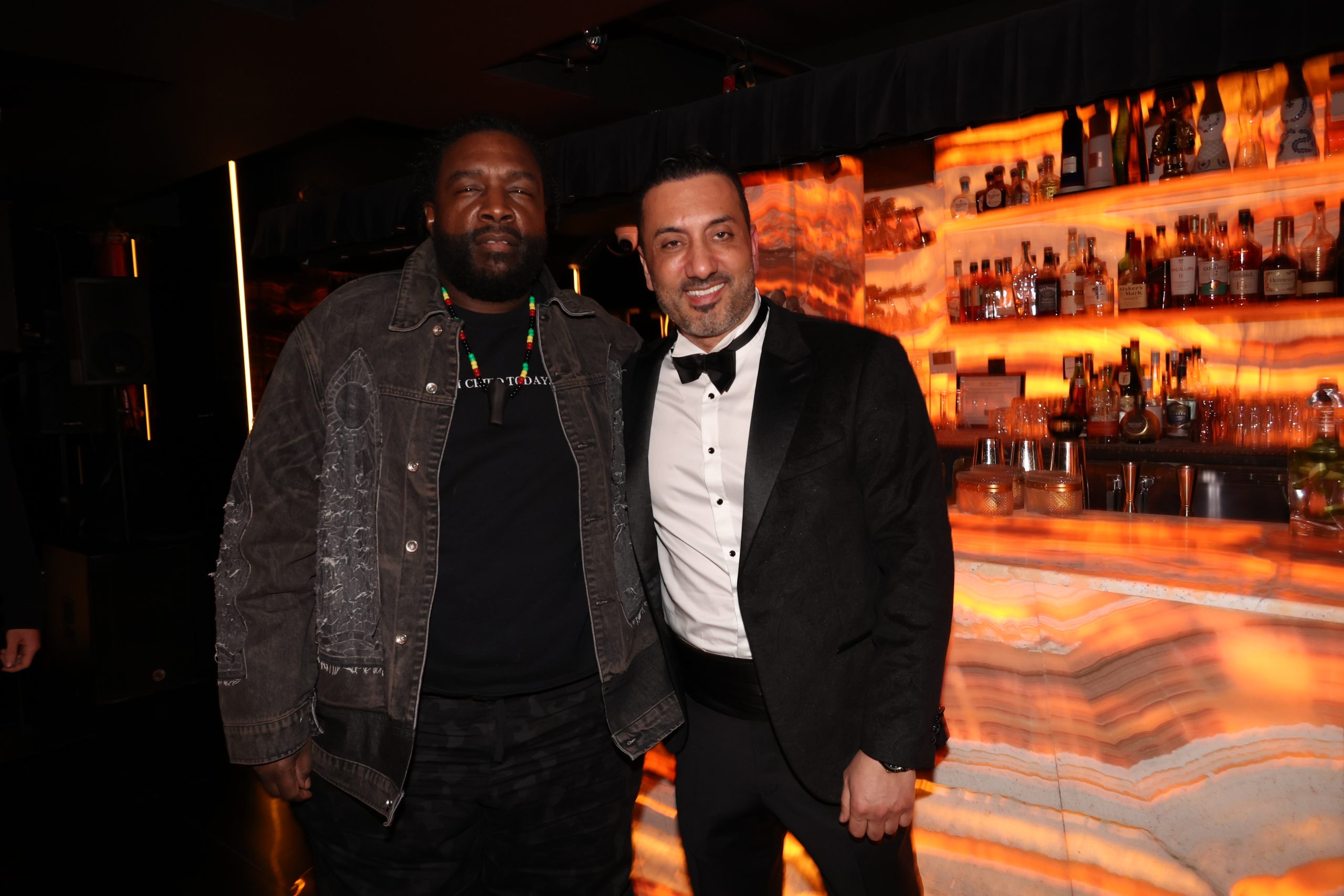
ZOI NOMAD & TEN11 LOUNGE MARK ONE YEAR

Room A24 Cast Net Worth — The $6 Million Captivity Drama That Set Brie Larson Free

The Witch A24 Cast Net Worth — A $3.5 Million Puritan Nightmare That Created a Queen and a King
Categories
- Art
- Articles
- Beauty & Skincare
- Celebrities
- Celebrities|Movies
- Celebrities|The Chronicles
- Chronicles
- Entertainment|Culture
- Event Photos
- Events
- Fashion
- Fashion & Style
- Featured
- Food & Beverage
- Food, Spirits, Wine
- Hamptons
- Hamptons Celebrities
- Hamptons Celebrities|Celebrities|The Chronicles
- Health
- Health & Beauty
- Lifestyle
- Luxury Lifestyle
- Movies
- Movies|Culture
- Movies|Hamptons Lifestyle
- Press
- Profiles
- Real Estate
- Technology
- The Chronicles
- Travel
- Uncategorized
- Weddings