
Where Atlantic Waves Meet Mecox Bay’s Timeless Legacy
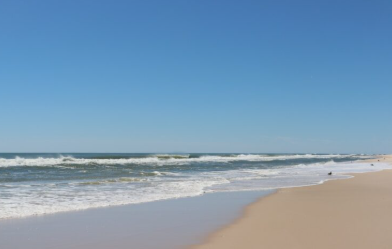
You smell the salt before you see the water. The narrow strip of Dune Road ribbons through potato fields turned hedge-fund estates, and then suddenly there it is—that impossible meeting point where the Atlantic Ocean crashes against one shore while Mecox Bay stretches placid and ancient on the other. This is W. Scott Cameron Beach, known simply as Main Beach to those who’ve claimed these sands for generations. Consequently, standing on this thin barrier island, you’re occupying land that the Shinnecock Nation cultivated for centuries before any European ship appeared on the horizon.
The Origin Story: From Shinnecock Harvests to Summer Colony
The First Stewards
Long before the name “Cameron” graced any beach sign, this stretch of barrier island served a vital purpose. The Shinnecock Indians, whose name translates roughly to “people of the stony shore,” understood something essential about Mecox Bay that colonists would take decades to appreciate. Furthermore, they developed an ingenious practice called the seapoose—digging trenches through the barrier beach to regulate the bay’s salinity. This technique allowed clams and oysters to thrive in extraordinary abundance.
The word “Mecox” itself derives from Shinnecock language, meaning “flat or plain country.” In 1640, Edward Howell, one of Southampton’s original eight settlers, encountered this tiny Indian settlement and recognized its strategic potential. However, the Shinnecock connection to these waters ran deeper than mere utility. In December 1876, ten Shinnecock men died heroically attempting to rescue passengers from the Circassian, a freighter that had run aground off the coast of Mecox Bay during violent storms.
The Railroad Changes Everything
For over two centuries, Bridgehampton remained an agrarian society. Its residents moved through patterns dictated by potato harvests and the rhythms of isolated existence. Subsequently, everything changed in 1870 when the Long Island Rail Road arrived, transforming a three-day stagecoach journey from Brooklyn into a manageable excursion. By 1877, approximately 36 homes in Bridgehampton welcomed summer boarders, and local farmers eagerly converted their farmhouses to accommodate the influx.
The beach access, however, remained complicated. Unlike neighboring Southampton and East Hampton—where wealthy summer residents had been claiming beachfront property for generations—Bridgehampton’s coastline developed differently. Meanwhile, the dunes and barrier islands attracted a different breed of visitor: those seeking genuine escape rather than social positioning.
The Transformation: A Father’s Legacy
W. Scott Cameron and the Southampton Sporting Life
W. Scott Cameron was precisely the kind of early summer resident who defined the Hamptons before the Hamptons became a brand. A sportsman and outdoorsman based in Southampton Village, Cameron understood the East End as a working landscape rather than merely a backdrop for social climbing. He died in 1932, decades before his name would mark the beach that bears his legacy today.
His daughter, Rhoda Cameron Wichfield, grew up summering in Southampton, Water Mill, and Bridgehampton. As a Manhattan resident with deep roots in the East End, she witnessed the gradual privatization of oceanfront access throughout the mid-20th century. Consequently, when the opportunity arose to preserve a stretch of beach for public use, she made a decision that would shape Bridgehampton’s character for generations.
The 1968 Dedication
In March 1968, Rhoda Cameron Wichfield donated her family’s tract of beach to Southampton Town. The gift included 300 feet of ocean frontage plus the land stretching back to Mecox Bay—creating that remarkable geography where beachgoers can wade in the Atlantic and then walk minutes to the bay’s calm waters. The beach was named for her father, ensuring the Cameron legacy would endure in salt air and shifting sand.
A pavilion followed in 1971, providing the amenities that transformed a beautiful stretch of sand into a functional public beach. However, the story took a mysterious turn. In October 1996, that original 1,800-square-foot pavilion burned to the ground under circumstances that remain unexplained. The fire became local legend—whispered about in East Hampton diners and debated at Bridgehampton cocktail parties.
What Makes It Iconic
The Geography of Exclusivity
Understanding W. Scott Cameron Beach requires understanding its peculiar position in Hamptons geography. This thin ribbon of land separates two entirely different water experiences. On the ocean side, the Atlantic delivers the waves that surfers prize and the raw power that has shaped Long Island for millennia. Meanwhile, Mecox Bay offers protected waters where children wade safely and kayakers glide through the same channels the Shinnecock once navigated.
The beach sits at the western end of Dune Road in what’s technically considered the Water Mill/Bridgehampton border. Furthermore, it occupies some of the most valuable real estate in America—Michael Rubin’s $50 million compound, where Jay-Z, Leonardo DiCaprio, and the Kardashian-Jenners attend his legendary Fourth of July White Party, overlooks both Scott Cameron Beach and Mecox Bay.
The Annual Seapoose Ritual
Southampton’s Town Trustees continue the 400-year tradition of cutting the seapoose—making that controlled breach in the barrier beach that regulates Mecox Bay’s salinity. The first recorded cut was made in 1644, and the practice continues today using modern machinery. When the seapoose runs, bathers float down what becomes a temporary river, experiencing something not entirely different from what Shinnecock families did on hot summer days centuries ago.
This ritual connects Main Beach Bridgehampton to something deeper than summer leisure. It ties the beach to working watermen, to environmental stewardship, and to the complicated relationship between development and preservation that defines modern Hamptons life.
The Experience Today
What to Know Before You Go
Main Beach operates as a residents-only facility during peak season, requiring Southampton Town seasonal permits for parking. The 86-space lot fills quickly on summer weekends, and daily passes are not available at this location. However, those who arrive early discover a beach experience markedly different from the scene-heavy stretches in Southampton or East Hampton proper.
Facilities include lifeguard protection from July through August, outdoor showers, and restrooms. The Surfrider Foundation monitors water quality, and a food truck sells snacks, drinks, and ice cream while renting chairs and umbrellas. Consequently, the beach maintains an intimate, local atmosphere even during peak season.
The Insider’s Approach
The Real Move: Arrive at the bay side during the late afternoon when the light turns golden and the crowds thin. The overlook platform offers views across Mecox Bay that have inspired artists for over a century—the mid-day light radiates a quality that painters describe as infectious, stirring creativity like an uncontrollable impulse.
Furthermore, the narrow inlet that connects bay to ocean creates tide pools and shallow swimming areas that families prize. When conditions align, that flooding creates dramatic scenes—waves rolling over the beach and carving temporary creeks that children treat as natural waterparks.
Beyond the Beach
Main Beach Bridgehampton connects to a broader ecosystem of Hamptons experiences. Mecox Bay Dairy, operated by the Ludlow family since 1875 on a 50-acre farm, produces award-winning artisan cheeses from their original farmstead near the bay. The Bridgehampton Tennis and Surf Club, founded in 1927 on the site of a former dairy farm, offers private members 1,200 feet of oceanfront and the social access that defines Hamptons life.
The Legacy
What the Dunes Remember
Main Beach Bridgehampton endures because it represents something increasingly rare: public access to oceanfront in a region where private wealth has consumed most of the coastline. Rhoda Cameron Wichfield’s 1968 donation placed her family’s name on something more valuable than any estate—a democratic ideal made manifest in sand and surf.
The beach has witnessed the Hamptons transform from working farming communities to summer colonies to year-round playgrounds for global wealth. Throughout these changes, the fundamental experience remains: Atlantic waves breaking on one shore, Mecox Bay’s calm waters on the other, and the seapoose running through it all, connecting present to past in an unbroken chain.
Today, as hedge fund managers build compounds along Dune Road and fashion brands vie for Hamptons relevance, Main Beach Bridgehampton offers something that money cannot entirely buy—a connection to place that predates the zip code’s status. The Shinnecock knew this land when it was wilderness. The Cameron family preserved it when preservation meant sacrifice. And now, every summer, families who arrive with permits and beach chairs become temporary inheritors of that legacy.
Continue Your Hamptons Journey
- Feature & Partnership Inquiries
- Polo Hamptons Tickets & Sponsorships
- Join Our Email List
- Subscribe to Print Edition
- Support Social Life Magazine
Related Articles
Author

Written by
Recent Posts

Norm MacDonald Net Worth
Sam Kinison Net Worth

Ray Romano Net Worth

Dennis Miller Net Worth

Ellen DeGeneres Net Worth
Categories
- 2025 Social Life Events
- Access to Digital + Physical Magazine
- Art
- Articles
- Beauty & Skincare
- Beauty & Wellness
- Business Strategy
- Celebrities
- Chronicles
- Design History
- Design History|Design Trends
- Design History|Hamptons
- Design Process
- Design Process|Luxury Living
- Design Trends
- Design Trends|Hamptons
- Event Photos
- Events
- Family
- Fashion
- Fashion & Style
- Featured
- Food & Beverage
- Food, Spirits, Wine
- Hamptons
- Hamptons Celebrities
- Hamptons Design
- Hamptons Design|Design Process
- Hamptons Design|Luxury Living
- Hamptons|Luxury Living
- Health
- Health & Beauty
- Home & Design
- Home & Living
- Lifestyle
- Luxury Home Design|Design Process
- Luxury Home Design|Design Trends
- Luxury Home Design|Hamptons Design
- Luxury Home Design|Interior Design
- Luxury Lifestyle
- Luxury Living
- Luxury Living|Design Process
- Luxury Living|Hamptons
- Luxury Living|Hamptons Design
- Press
- Profiles
- Real Estate
- Technology
- The Chronicles
- Travel
- Trending
- Uncategorized
- Weddings
- Wellness