

She stopped booking campaigns in 2018. Her net worth tripled by 2024. The runway that made her famous wasn’t the business—it was the credential that enabled the business. Understanding this distinction separates those who fade after their beauty careers peak from those who convert visibility into permanent wealth.
A well-worn path leads from beauty industry careers to beauty industry ownership. Models become founders. Makeup artists launch brands. Aestheticians build empires. The pipeline exists because beauty careers create advantages that translate into business success when properly leveraged.
Understanding this pipeline reveals patterns that apply beyond beauty specifically. The conversion of credibility into ownership, of access into equity, of visibility into value—these mechanisms operate across industries where personal brand can become business infrastructure.
The Myth of the Fading Beauty Career
Mainstream narrative treats beauty careers as inherently depreciating. Models age out. Trends shift. Visibility fades. The story suggests a brief window of earning followed by inevitable decline.
This narrative describes the majority but obscures the minority who build something different. The models who became cosmetic company founders. The aestheticians who built clinic empires. The makeup artists who launched brands worth hundreds of millions.
The difference isn’t luck or extended relevance. It’s recognizing that the beauty career itself was never the business—it was the customer acquisition and credibility generation that enabled the business.
What Beauty Careers Actually Create
Beauty industry professionals accumulate assets beyond income. Understanding these assets reveals why the industry produces so many successful entrepreneurs.
Product Knowledge From Application Side
A model who has had thousands of products applied to her face knows what actually works and what’s marketing. An aesthetician who has treated thousands of faces understands which treatments produce results and which disappoint. This knowledge, accumulated through direct experience, exceeds what outsiders can learn through research.
Product knowledge becomes competitive advantage when launching brands or services. You know what to formulate because you’ve experienced what works. You know what treatments to offer because you’ve seen what produces outcomes. The knowledge isn’t academic—it’s experiential and specific.
Industry Relationships
Beauty careers build networks across manufacturing, distribution, media, and retail. These relationships provide access that outsiders can’t replicate through cold outreach.
The model who worked with major brands knows the executives at those brands. The aesthetician who trained at premium facilities knows the practitioners and suppliers. The relationships provide warm introductions to manufacturers, distributors, investors, and partners who might otherwise be unreachable.
Built-In Audience
Visibility from beauty careers creates audiences that can be converted to customers. Followers accumulated during modeling years become launch customers for new ventures. Clients developed during aesthetician careers become evangelists for owned practices.
Customer acquisition costs dominate most business economics. Starting with an existing audience dramatically improves unit economics. The follower gained during your beauty career costs nothing when they become a customer of your beauty business.
Instant Credibility
A skincare line from a successful model carries immediate credibility that no-name launches lack. A medspa opened by a renowned aesthetician starts with trust that new practitioners must build over years. The credibility transfers from personal reputation to business reputation.
This credibility also attracts talent and partners. Top practitioners want to work at clinics with strong reputations. Premium manufacturers want to partner with credible founders. The personal credibility creates organizational credibility that attracts resources.
The Pipeline Stages
The beauty-to-business pipeline follows predictable stages. Understanding these stages helps practitioners identify where they are and what comes next.
Stage 1: Credential Building
The initial career builds visibility, relationships, and knowledge. This stage isn’t about making money from the eventual business—it’s about accumulating the assets that will enable that business.
Some enter this stage strategically, planning eventual entrepreneurship from the beginning. Others enter naively, only later recognizing what they’ve accumulated. The outcome can be similar, but strategic credential building accumulates more deliberately useful assets.
Stage 2: Education
Beauty career knowledge differs from business knowledge. Most successful transitions involve deliberate education in business fundamentals: finance, operations, marketing, leadership.
Some acquire this education formally through programs or degrees. Others acquire it through advisory relationships with experienced entrepreneurs. Still others learn through early ventures—trial and error that teaches what formal education might have covered more efficiently.
The education stage often overlaps with continued beauty career activity. The model who enrolls in business courses while still booking campaigns. The aesthetician who takes entrepreneurship workshops while still treating clients.
Stage 3: Capital Formation
Business launches require capital. Beauty industry professionals typically access capital through one of three channels:
Earned capital. Savings from beauty careers, invested in owned ventures. This provides independence but limits scale.
Relationship capital. Investment from contacts made during beauty careers—executives impressed by professionalism, wealthy clients willing to invest in trusted providers.
Partnership capital. Joint ventures with financial partners who provide capital while the beauty professional provides credibility and expertise.
The capital structure shapes everything that follows. Owned capital preserves control but limits growth. Partnership capital enables scale but dilutes ownership. Most successful transitions involve some combination.
Stage 4: Launch
The business launches, leveraging accumulated credibility, relationships, and audience. The launch advantages from beauty career assets exceed what first-time entrepreneurs typically access.
Launch strategy varies by business type. Product brands might launch direct-to-consumer, leveraging personal social media audiences. Clinics might launch with existing client books, converting treatment clients to ownership clients. Franchises might launch with institutional backing secured through industry relationships.
Stage 5: Scale
Successful launches create platforms for scaling. The single clinic becomes multiple locations. The product line expands into categories. The personal brand becomes institutional brand.
Scaling requires different skills than launching. Operations become more important than credibility. Systems become more important than relationships. Many successful founders struggle at this stage, requiring additional expertise through hiring or partnership.
The Case Studies
Several well-documented transitions illustrate how the pipeline produces significant outcomes.
Cindy Crawford: Meaningful Beauty
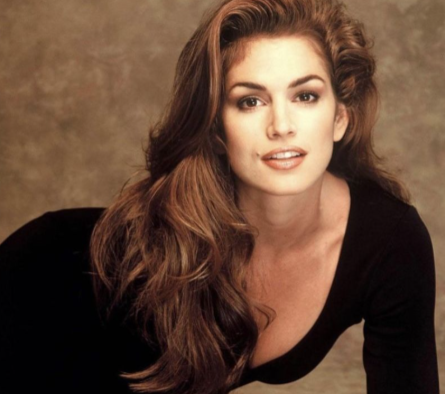
Crawford’s modeling career provided the credibility platform for Meaningful Beauty, the skincare line launched in 2004 with Guthy-Renker. The brand has generated over $1 billion in cumulative sales.
Critically, Crawford’s deal involved equity ownership, not just endorsement fees. The structure converted her credibility into ownership stake rather than one-time payment. This equity-versus-endorsement decision separates wealth builders from income earners.
Miranda Kerr: Kora Organics

Kerr launched Kora Organics in 2009, initially in Australia, expanding globally over the following decade. The brand reflects genuine personal interest in organic skincare rather than licensing her name to products developed by others.
Kora demonstrates the founder-operator model: Kerr involves herself in product development and brand direction, not just marketing. This deeper involvement creates both stronger brand authenticity and founder learning that improves the business over time.
The Medspa Multiplication
Less famous but equally instructive: the aesthetician who builds one successful practice, then five, then twenty. The Hamptons hosts several examples—practitioners who started with treatment skills, added business acumen, and built multi-location empires.
These transitions rarely generate headlines but often generate substantial wealth. A well-run medspa producing $1-2 million annually in profit, multiplied across ten locations, creates meaningful enterprise value—often more than individual celebrity brand deals.
The Franchise Pathway
For practitioners without capital for independent launches, franchise models provide an alternative pipeline. Beauty franchises (established medspa brands, skincare chains, wellness concepts) offer turnkey business models that leverage practitioner expertise within proven systems.
Franchise economics differ from independent ownership. Royalty fees reduce margins. Brand constraints limit differentiation. But franchise success rates exceed independent success rates, and the barrier to entry is lower.
Successful franchise operators often progress to multi-unit ownership, then eventually to independent concepts or franchise master rights. The franchise becomes a business education with income, preparing for later independent ventures.
The Timing Question
When should beauty professionals make the transition? The answer varies by individual circumstance but follows general principles.
Not too early. Insufficient credential building limits launch advantages. Transitions during peak career momentum sacrifice credibility accumulation that’s still compounding.
Not too late. Waiting until beauty careers have fully declined means launching without current credibility. The model who hasn’t booked in five years carries dated rather than current relevance.
The window. Optimal timing typically falls in the 30-40 range for models, when visibility remains but future trajectory is clear. For aestheticians and practitioners, the window opens when client books are full and skills are refined—typically after 8-12 years of practice.
The transition doesn’t require leaving beauty work entirely. Many successful founders maintain some beauty career activity (select campaigns, special projects) while building businesses. The continued visibility supports business marketing while income from the business reduces pressure on beauty bookings.
The Common Mistakes
Understanding why some transitions fail helps avoid common errors.
Licensing instead of owning. Endorsement deals and licensing arrangements provide income but not equity. The celebrity who licenses their name to a brand collects fees while the brand’s owners collect the wealth created. The equity-versus-licensing decision matters enormously for wealth outcomes.
Underestimating operations. Beauty professionals often excel at product and marketing while underestimating operational requirements. Clinics fail from poor operations despite strong demand. Brands fail from supply chain issues despite strong sales. Partnering with operational expertise or building it deliberately avoids this trap.
Overextending too quickly. Early success often prompts aggressive expansion that outpaces capability. The single successful clinic becomes five struggling locations. The focused product line becomes a scattered portfolio. Disciplined growth, though slower, produces better outcomes than aggressive expansion that creates unmanageable complexity.
Neglecting the business for the beauty. Some founders continue prioritizing their original beauty careers over their businesses, splitting attention in ways that handicap both. Successful transitions require eventual prioritization of the business, even if some beauty activity continues.
The Support Infrastructure
The beauty-to-business pipeline has developed supporting infrastructure that helps transitions succeed.
Incubators and accelerators. Programs specifically serving beauty entrepreneurs provide education, mentorship, and sometimes capital. These programs compress learning curves and provide networks of fellow founders.
Industry advisors. Consultants who specialize in beauty business transitions provide guidance informed by pattern recognition across many transitions. Their experience helps founders avoid common mistakes and identify uncommon opportunities.
Manufacturer partnerships. Private label and contract manufacturing relationships enable founders to launch products without building manufacturing capability. The manufacturer provides formulation and production; the founder provides brand and distribution.
Retail partnerships. Distribution relationships that beauty careers create become launch channels for owned products. The retailer who carried products the founder represented becomes potential retailer for products the founder owns.
The Takeaway
The beauty-to-business pipeline exists because beauty careers create transferable assets: knowledge, relationships, audience, credibility. Those who recognize these assets as business infrastructure rather than career byproducts can convert them into ownership positions that generate wealth long after beauty careers would have faded.
The model who stops booking campaigns but launches a skincare line hasn’t ended her beauty career—she’s converted it into different form. The aesthetician who opens her own clinic hasn’t left the treatment room—she’s added ownership to treatment.
The pipeline rewards those who think in stages: credential building, education, capital formation, launch, scale. Each stage prepares for the next. Rushing stages or skipping them reduces outcomes.
The runway was never the business. It was the credential that enables the business. Understanding this distinction is the first step in building something that lasts longer than any campaign.
Related Reading:
- Hamptons Luxury Brand Activation Ideas
- Serena Williams Net Worth 2025: A Financial Overview
- Luxury Brand Marketing in the Hamptons
- Where Hamptons Billionaires Go for $10K Spa Days
For features, advertising, and partnership opportunities, contact sociallifemagazine.com/contact. Experience networking where deals happen at Polo Hamptons. Subscribe to receive Social Life Magazine in print, or support independent luxury journalism with a $5 contribution.
Author

Written by
Recent Posts

Civil War A24 Cast Net Worth — A24 Bet $50 Million on the End of America and Won

Midsommar A24 Cast Net Worth — The Daylight Horror That Turned Grief Into a Career Launchpad
ZOI NOMAD & TEN11 LOUNGE MARK ONE YEAR

Room A24 Cast Net Worth — The $6 Million Captivity Drama That Set Brie Larson Free

The Witch A24 Cast Net Worth — A $3.5 Million Puritan Nightmare That Created a Queen and a King
Categories
- Art
- Articles
- Beauty & Skincare
- Celebrities
- Celebrities|Movies
- Celebrities|The Chronicles
- Chronicles
- Entertainment|Culture
- Event Photos
- Events
- Fashion
- Fashion & Style
- Featured
- Food & Beverage
- Food, Spirits, Wine
- Hamptons
- Hamptons Celebrities
- Hamptons Celebrities|Celebrities|The Chronicles
- Health
- Health & Beauty
- Lifestyle
- Luxury Lifestyle
- Movies
- Movies|Culture
- Movies|Hamptons Lifestyle
- Press
- Profiles
- Real Estate
- Technology
- The Chronicles
- Travel
- Uncategorized
- Weddings