
From curated soundtracks to conscious cannabis rituals, today’s social scene is rewriting the rules of what it means to party — and why less often feels like more.
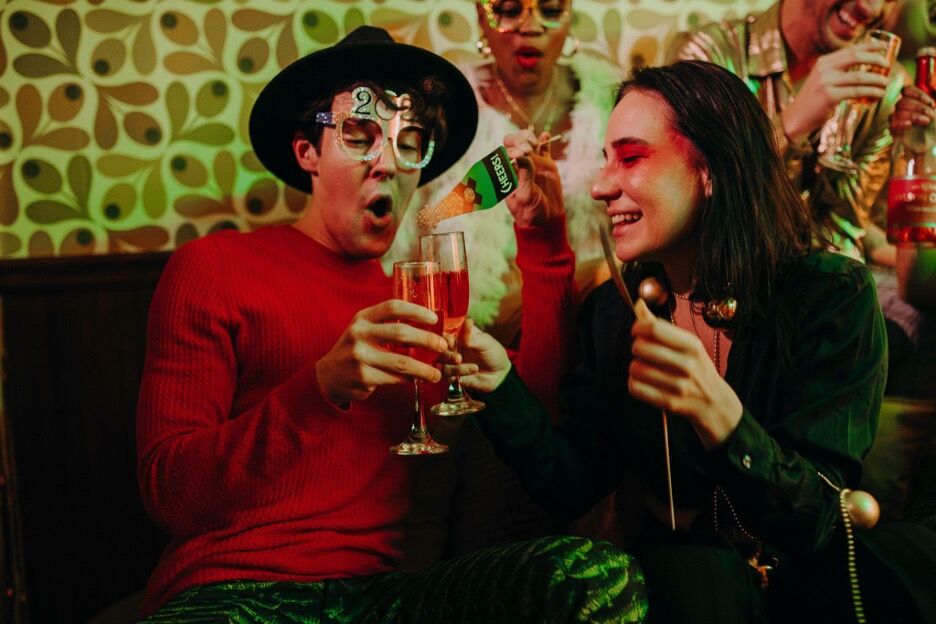
There was a time when partying meant excess by default. Louder music. Stronger drinks. Longer nights. The 1990s and early 2000s celebrated the idea that the best nights were the ones you barely remembered.
That logic no longer holds.
Across cities and generations, party culture has quietly evolved. Music still matters. Drinks still flow. Nights still stretch into early hours. But the emphasis has shifted from chaos to experience — from doing the most to feeling something real.
Today’s social gatherings are about intention, atmosphere, and shared moments that linger long after the music fades.
As one cultural analysis put it, young adults are “reshaping parties into intentional, inclusive, and balanced social formats — prioritizing connection over chaos and experience over excess.” — How Gen Z Is Quietly Rewriting the Rules of Party Culture, Big News Network
What follows isn’t the end of partying — it’s a redefinition.
Loud Music, With Purpose
Music has always been the heartbeat of nightlife, but volume alone is no longer the goal. Instead of endless decibels meant to overwhelm, modern parties lean into curation. DJs, hosts, and even guests think carefully about tempo, flow, and mood.
Day parties, early-evening dance events, and “soft clubbing” experiences have surged in popularity — not because people want less music, but because they want to feel it differently.
Jazz pianist Billy Joel once said: “Musicians want to be the loud voice for so many quiet hearts.” — BrainyQuote
Music still moves the room — it just no longer has to drown it.
Beverages That Support the Vibe, Not Control It
Alcohol once dictated the rhythm of a party. Shots marked milestones. Drinking games defined the pace. Now, beverages are shifting into a supporting role rather than starring act.
Low-ABV cocktails, alcohol-free spirits, curated wine pours, and intentional hydration stations are becoming standard. Some events remove alcohol entirely — and still sell out.
As one report on Gen Z culture notes, young adults are increasingly gravitating toward experiences where drinking is optional rather than expected, with connection and wellness as the main draw rather than alcohol-induced excess. — Sober, but Still Lit: How Gen-Z is Redefining Party Culture, Gen-Zine
This isn’t about restriction. It’s about agency. People want to choose how they feel — during the party and the day after.
Partying Till Morning, Reimagined
The all-night bender used to be a badge of honor. Today, endurance is less impressive than intention.
That doesn’t mean nights end early — it means they end well. Many modern events are designed with natural arcs: dancing, conversation, wind-down moments, and space to exit without missing “the best part.”
A cultural coverage on changing nightlife says that “At least, [house parties] are a refuge for channeling how we are … those experiences aren’t just about listening and dancing, they generate more conversations.” — Daytime, headphones, no booze involved: How a generation is saying ‘no’ to club parties, El País
And a 22-year-old partygoer interviewed by El País put it more bluntly:
“You pay the cover and when the day comes, you aren’t even in the mood. We don’t like being that tied down or spending all our money on one night.”
The modern flex isn’t staying out — it’s knowing when to leave satisfied.
Smoking Weed as Ritual, Not Excess
Cannabis has long been part of social culture, but today it’s approached with more ritual than recklessness. Instead of hurried joints or mindless overconsumption, weed often shows up as a shared pause — a moment to slow the night down and reconnect.
Water pipes and bongs naturally create this dynamic. They bring people into a circle, encourage conversation, and turn smoking into a collective rhythm rather than an individual escape.
Modern accessories reflect this shift. Thoughtfully designed pieces — including water pipes with smoother airflow and even specialized gadgets like anti clog bong bowl — exist to keep the experience seamless and enjoyable for everyone in the group. Accessories such as rotating or airflow-optimized bowls reduce interruptions, letting the moment stay intact rather than constantly resetting it.
Cannabis culture, much like party culture overall, is leaning toward comfort, design, and shared enjoyment over intensity.
rThe right effect is nowadays more like, “slow us down, connect us to each other, and create memories as powerful as the experience itself.”— The Ritual Effect: How We Smoke, Roll, and Consume Cannabis Around the World, Respect My Region
Eating After, or the Rise of the Chillout
Perhaps the biggest shift comes after the peak. Instead of scattering home or defaulting to greasy fast food, people now build the after-moment into the plan.
Late-night snacks laid out on kitchen counters. Shared tacos. Someone making eggs. Quiet playlists. Sofas, balconies, and conversations that drift instead of spike.
These chillouts aren’t an afterthought — they’re where the night often becomes memorable. Food, conversation, and calm have become extensions of the celebration, not its aftermath.
Why Experience Wins
Modern party culture hasn’t lost its edge — it’s found its balance. Loud music still hits. Drinks still clink. Nights still blur, just enough. But what matters now is how it feels, not how far it goes.
The new priority is experience: presence over pressure, connection over chaos, memories over excess. And in that shift, partying hasn’t grown smaller — it’s grown up.
Author

Written by
Recent Posts
The Real Reason Smart, Motivated People Don’t Follow Through
Simple Eating Habits That Boost Your Wellness
When to Seek Professional Support for Persistent Mental Health Symptoms
Creative Strategies Couples Use to Pay for Their Big Day
How International SEO Helps Brands Succeed Across Borders
Categories
- 2025 Social Life Events
- Access to Digital + Physical Magazine
- Art
- Articles
- Beauty & Skincare
- Beauty & Wellness
- Business Strategy
- Celebrities
- Chronicles
- Design History
- Design History|Hamptons
- Design Process
- Design Trends
- Event Photos
- Events
- Family
- Fashion
- Fashion & Style
- Featured
- Food & Beverage
- Food, Spirits, Wine
- Hamptons
- Hamptons Celebrities
- Hamptons Design
- Health
- Health & Beauty
- Home & Design
- Home & Living
- Lifestyle
- Luxury Home Design|Design Process
- Luxury Home Design|Design Trends
- Luxury Home Design|Hamptons Design
- Luxury Home Design|Interior Design
- Luxury Lifestyle
- Luxury Living
- Luxury Living|Design Process
- Luxury Living|Hamptons
- Luxury Living|Hamptons Design
- Press
- Profiles
- Real Estate
- Technology
- The Chronicles
- Travel
- Trending
- Uncategorized
- Weddings
- Wellness