
Your Diversified Portfolio Just Got Outperformed by a Three-Minute Pop Song
Somewhere in the world right now, a song recorded decades ago is generating royalty income. No meetings, no market volatility, no quarterly earnings calls. Just a melody, a licensing agreement, and a deposit that arrives whether the songwriter is awake, asleep, or dead.
The most valuable song royalties in music history represent one of the purest forms of passive income ever created. They outperform most real estate. They dwarf most dividend portfolios. And in the era of streaming, catalog sales, and sync licensing, they are appreciating in value while your financial advisor worries about interest rates.
The Songs That Print Money
“White Christmas” by Irving Berlin remains the single most profitable song ever written. With over 100 million copies sold in various formats, the perennial holiday classic has generated an estimated $66 million in lifetime royalties. Every December, it returns to airwaves, playlists, shopping malls, and movie soundtracks. The song functions like a dividend-paying stock with a guaranteed annual catalyst.
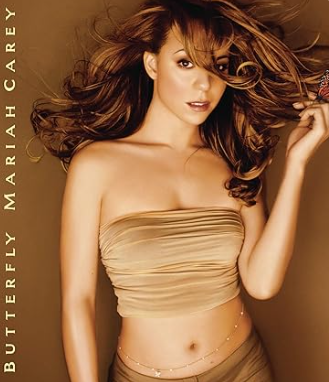
“All I Want for Christmas Is You” by Mariah Carey follows a similar seasonal pattern but with a modern streaming twist. The track generates roughly $2.5 to $3 million annually and has earned an estimated $60 million or more since its 1994 release. On Spotify alone, the song has been streamed over one billion times. Carey co-wrote the song and retains her publishing rights, meaning the income flows directly to her. For a deeper analysis of how this one track anchors her entire financial story, read our Mariah Carey Net Worth 2026 profile.
“Yesterday” by The Beatles has been covered by more than 2,200 artists, making it the most recorded song in history. Although Paul McCartney wrote it alone (the melody famously came to him in a dream with the working title “Scrambled Eggs”), the Lennon-McCartney agreement means publishing royalties have been split. Estimated lifetime earnings: $60 million. The song has been performed over seven million times in the 20th century alone according to BMI.

The Sting Masterclass in Accidental Wealth
“Every Breath You Take” by The Police earned Sting approximately $35 million in lifetime royalties. The song hit number one on the Billboard Hot 100 for eight weeks in 1983. But the real windfall came in 1997, when Puff Daddy sampled the guitar riff for “I’ll Be Missing You,” a tribute to the late Notorious B.I.G.

Diddy failed to secure permission before sampling. That oversight allowed Sting to demand and receive 100% of the remix’s publishing royalties, far exceeding the standard 25-50% typically negotiated in such deals. The remix won a Grammy and sold over seven million copies. Sting’s former business manager has stated that the song alone accounts for more than a quarter of Sting’s lifetime publishing income, generating approximately $2,000 per day.
The irony is thick. Andy Summers, the Police guitarist whose riff was actually sampled, received nothing. Under the songwriting credit, only Sting was listed as composer. Summers was not consulted and was reportedly unaware of the sample until his son heard it on the radio.
Why Song Royalties Are Beating Traditional Assets
The music royalty market has undergone a transformation over the past decade. Catalog sales to companies like Hipgnosis, Primary Wave, and major label acquisition arms have created a liquid market for song rights. Investors are treating catalogs the way they once treated real estate: as cash-flowing assets with predictable returns and inflation protection.
Britney Spears recently sold her music catalog for $200 million to Primary Wave. Bob Dylan sold his entire catalog to Universal Music for an estimated $300 million. Bruce Springsteen’s catalog went for $500 million. These transactions signal institutional confidence in music royalties as an asset class.
The math is straightforward according to music industry analysts. A song that generates $1 million per year in royalties at a 20x multiple is worth $20 million as an asset. Streaming has added a new revenue layer on top of traditional radio play, sync licensing, and covers. Songs that were earning steadily for decades are now earning more than ever because digital platforms have multiplied the number of consumption touchpoints.
The Complete List of Songs Worth More Than Your Portfolio
The highest-earning songs of all time, ranked by estimated total royalties generated, include the following. “White Christmas” leads at approximately $66 million. “You’ve Lost That Lovin’ Feelin'” by Barry Mann, Cynthia Weil, and Phil Spector comes in at roughly $65 million. “Yesterday” and “All I Want for Christmas Is You” are each estimated at $60 million. “Unchained Melody” sits at $55 million. “Stand by Me” has earned approximately $50 million. “Santa Claus Is Coming to Town” generated around $45 million. “Every Breath You Take” earned $35 million. And “Oh Pretty Woman” rounds out the top tier at approximately $30 million.
What do they have in common? Three patterns emerge. Holiday songs benefit from a guaranteed annual catalyst that no other content category enjoys. Songs featured in iconic films receive massive second-life boosts. And songs covered by hundreds of artists generate publishing royalties every single time a new version is recorded or performed, without the original songwriter lifting a finger.
The Investment Thesis in Three Sentences
A hit song is a perpetual annuity with no operating costs, no tenant issues, and no market correlation. Streaming has increased the addressable market for catalog music by orders of magnitude. The institutional buyers paying nine and ten-figure sums for these catalogs are not sentimental. They are running discounted cash flow models, and the numbers work.
For the affluent reader who spends summers in the Hamptons and winters managing portfolios, the question is worth asking: does anything in your current allocation generate $2,000 per day for decades while you do absolutely nothing? Because Sting’s does. Mariah’s does. And the buyers at Primary Wave and Hipgnosis are betting billions that more of these assets are undervalued.
Music royalties are no longer a curiosity. They are an asset class. And the songs your parents played at dinner parties are outperforming the funds they invested in.
For the full Pop Royalty net worth overview, see our hub page. For how 90s catalog sales are reshaping wealth, read our catalog sales analysis.
Author

Written by
Recent Posts
Inside Out 2, Wicked, and the Emotional Blockbuster That Ate 2024
7 Mindful Meal Prep Tips for Stop Food Waste Day

Rebecca Ferguson Net Worth: The Advantage of Not Being the Lead
What Makes a Dinner Party Truly Unforgettable (Hint: It’s Not the Food)
Tips for Managing Grease and Oil in Everyday Dishwashing
Categories
- Art
- Articles
- Beauty & Skincare
- Celebrities
- Celebrities|Entertainment
- Celebrities|Television
- Celebrities|The Chronicles
- celebrities|the-archive
- Chronicles
- Entertainment|Culture
- Event Photos
- Events
- Fashion
- Fashion & Style
- Featured
- Food & Beverage
- Food, Spirits, Wine
- Hamptons
- Hamptons Celebrities
- Hamptons Celebrities|Celebrities|The Chronicles
- Health
- Health & Beauty
- Lifestyle
- Luxury Lifestyle
- Movies
- Press
- Profiles
- Real Estate
- Technology
- The Chronicles
- Travel
- Uncategorized
- Weddings