
The rugged silhouette of an outback hat has traveled far from its origins in Australia’s dusty interior. Once essential gear for stockmen and soldiers navigating harsh terrain, these wide-brimmed icons now appear on city streets from Brooklyn to Berlin, bridging the gap between functional outdoor wear and contemporary fashion. What makes these hats endure isn’t nostalgia alone—it’s their rare combination of practical sun protection, durable construction, and a distinctive aesthetic that refuses to fade into the background.
As urban dwellers increasingly seek accessories with substance beyond seasonal trends, outback hats offer something genuine: a piece of design refined by necessity, now adapted for modern life. From the military-inspired slouch hat to weather-resistant leather styles, these Australian classics have found new relevance in wardrobes that value both form and function.
The Cultural Weight of Australian Headwear
Australian hats carry more than just practical value—they’re woven into the country’s identity. The slouch hat, with its distinctive upturned brim, became synonymous with Australian military service during World War I, when the Australian War Memorial documented its adoption as standard issue for the Australian Imperial Force. That single piece of headgear came to represent courage, resourcefulness, and national character on battlefields from Gallipoli to the Western Front.
Beyond military history, these hats evolved from genuine need. Australia’s intense UV radiation—among the highest globally—made wide-brimmed protection essential rather than optional. Farmers, ranchers, and outback workers developed styles that could withstand relentless sun, sudden storms, and years of hard use. This practical heritage gives modern outback hats an authenticity that purely fashion-driven accessories lack. When you wear one today, you’re not just making a style choice—you’re connecting to a design philosophy shaped by one of the world’s most demanding environments.
Varieties of Australian Outback Hats
The term “outback hat” encompasses several distinct styles, each developed for specific conditions and purposes:
- Slouch Hat: Characterized by its wide brim pinned up on one side, this military-derived style offers asymmetrical coverage and instant recognition. The upturned brim originally allowed soldiers to shoulder rifles without interference, but the look has transcended its tactical origins.
- Bush Hat: Built for durability in rough country, bush hats typically feature sturdy canvas or felt construction, ventilation eyelets, and a chin strap. They’re designed to stay secure in wind and provide reliable protection during extended outdoor exposure.
- Sun Hat: Prioritizing maximum UV protection, these styles feature extra-wide brims and lightweight, breathable materials. They’re engineered specifically for hot climates where heat management matters as much as sun blocking.
- Leather Outback Hat: Combining weather resistance with refined aesthetics, leather versions offer a more polished look while maintaining the functional silhouette. The material develops character over time, aging into a personalized patina.
The Enduring Appeal of Leather Construction
Leather outback hats occupy a particular niche—they bridge rugged outdoor heritage with urban sophistication. The material itself tells a story: full-grain leather weathers beautifully, developing creases and color variations that reflect individual wear patterns. Unlike synthetic alternatives that simply deteriorate, quality leather improves with age when properly maintained.
The practical advantages are substantial. Leather provides natural water resistance, blocking light rain while remaining breathable enough for warm weather. It holds its shape better than fabric alternatives, maintaining the structured brim that defines the outback silhouette. The weight feels substantial without being burdensome—a quality that conveys durability.
Styling versatility sets leather versions apart. The same hat that complements weekend denim and boots can anchor a more refined outfit with tailored trousers and a blazer. The material’s inherent texture adds visual interest without demanding attention, making it surprisingly adaptable across different contexts.
Maintenance requires some attention but isn’t complicated. Regular conditioning prevents drying and cracking, while proper storage maintains shape. Leather care fundamentals apply here: keep it away from prolonged moisture, condition periodically, and allow it to breathe between wears. With basic care, a quality leather outback hat can last decades, making it a genuine investment rather than a disposable accessory.
Sun Protection Beyond Fashion
Australia’s relationship with sun protection is serious business. The country has among the highest rates of skin cancer globally, making effective UV defense a public health priority rather than a casual concern. Australian sun hats evolved in this context—they’re designed with medical realities in mind, not just aesthetic preferences.
The wide brim isn’t decorative; it’s functional geometry. A brim measuring at least three inches provides meaningful protection for the face, ears, and neck—areas particularly vulnerable to UV damage. Quality sun hats often incorporate UPF-rated fabrics, which block UV radiation more effectively than standard materials. The Skin Cancer Foundation notes that proper headwear can reduce facial UV exposure by up to 70%.
Material selection matters significantly. Tightly woven fabrics block more radiation than loose weaves, while darker colors generally offer better protection than light ones—though they also retain more heat. The best designs balance maximum UV blocking with breathability, using ventilation features and moisture-wicking materials to prevent overheating.
When selecting a sun hat, look beyond style to examine the UPF rating, brim width, and construction quality. A hat that’s uncomfortable won’t be worn consistently, negating its protective value. The ideal choice combines effective coverage with comfort sufficient for extended wear, ensuring protection becomes habitual rather than occasional.
Integrating Outback Hats into Urban Wardrobes
The transition from outback to urban requires some intentionality. These hats make a statement—their distinctive silhouette and substantial presence mean they won’t disappear into an outfit. The key is treating them as anchor pieces rather than afterthoughts.
For casual contexts, pair an outback hat with simple, well-fitted basics. Dark denim, plain tees, and minimal footwear let the hat provide visual interest without competing elements. The contrast between the hat’s traditional character and contemporary slim fits creates tension that feels current rather than costume-like.
Smart casual applications work surprisingly well. A leather outback hat can complement tailored chinos, oxford shirts, and unstructured blazers—the mix of refined and rugged creates depth. The hat adds texture and personality to otherwise conventional business-casual outfits, suggesting someone who values individuality within professional contexts.
Seasonal adaptation matters. Lighter-colored felt or straw versions suit summer, while darker leather works better in cooler months. Consider the hat’s weight and breathability relative to climate—a heavy leather style that’s perfect for autumn becomes oppressive in July heat.
Practical Considerations for Purchase
Selecting an outback hat requires attention to several practical factors beyond initial appearance:
- Fit: The hat should sit comfortably without pressure points, staying secure without tightness. Most quality makers offer multiple sizes rather than one-size-fits-all approaches. Measure your head circumference accurately before ordering.
- Material Quality: Examine construction details—stitching should be even and secure, materials should feel substantial, and finishes should appear clean. Cheap versions use thin materials and poor construction that won’t withstand regular use.
- Brim Width: Consider your intended use. Wider brims provide better sun protection but can feel unwieldy in crowded urban environments or windy conditions. Moderate widths (3-3.5 inches) often balance protection with practicality.
- Weight: Heavier hats feel more substantial but can become uncomfortable during extended wear. Lighter options sacrifice some durability for comfort. Consider how long you’ll typically wear the hat at once.
- Adjustability: Interior sweatbands, adjustable chin cords, and sizing options affect both comfort and versatility. Features that allow minor fit adjustments extend the hat’s useful life as conditions change.
Price generally correlates with quality in this category. Well-constructed outback hats from reputable makers cost more initially but deliver better value over time through durability and comfort — brands like Akubra, Jacaru, and Conner Hats are worth evaluating if you’re looking for a dependable everyday option that holds up across seasons.
The Intersection of Function and Identity
Outback hats occupy an interesting cultural space—they’re simultaneously practical tools and identity markers. This duality gives them unusual versatility. You can wear one purely for sun protection during outdoor activities, or you can incorporate one into your personal style as a signature element. The same object serves both purposes without contradiction.
This flexibility reflects broader shifts in how people approach fashion. The rigid separation between “functional” and “fashionable” has eroded. Contemporary style increasingly values pieces that work hard while looking good, that solve problems while expressing personality. Outback hats exemplify this integration—they’re not trying to be one thing or the other, they’re comfortably both.
For urban wearers, these hats also offer a connection to something beyond city life. They reference open spaces, self-reliance, and environments where capability matters more than appearance. In dense urban contexts where nature feels distant, that connection carries psychological value beyond the physical object.
The hat becomes a small rebellion against disposability and superficiality—a choice to invest in something built to last, something with history and purpose beyond this season’s trends. In that sense, wearing an outback hat is less about looking Australian and more about embracing values that Australian conditions happened to crystallize into a particular design.
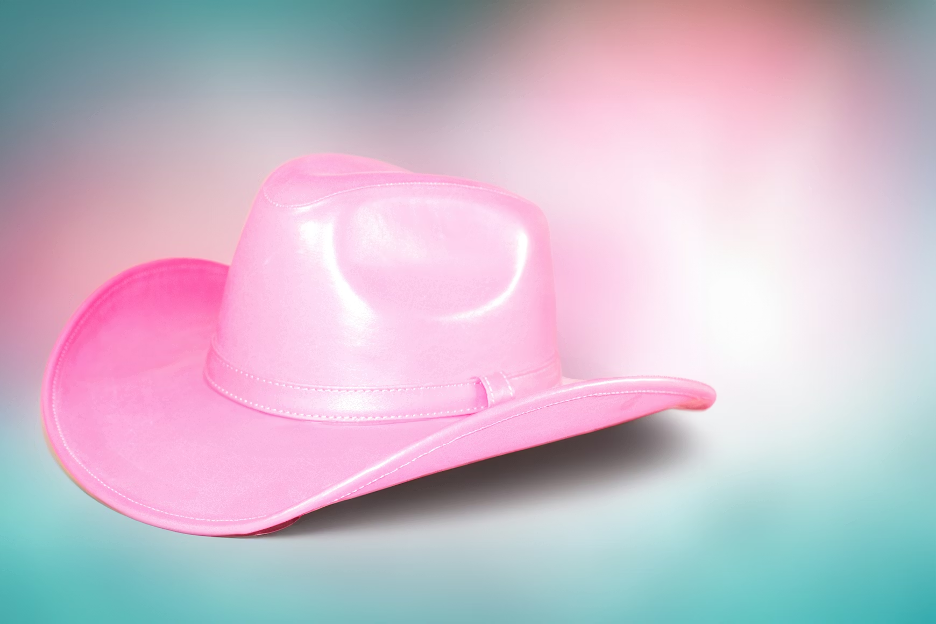
Whether you’re drawn to outback hats for their practical benefits, their distinctive aesthetic, or their cultural resonance, they offer something increasingly rare: an accessory with substance. In a market saturated with temporary trends and hollow branding, that authenticity stands out. The best outback hats don’t just sit on your head—they become part of how you move through the world, combining protection, style, and a quiet confidence that comes from wearing something genuinely well-made.
Author

Written by
Recent Posts
4 Surprising Secrets Behind Rosé Purity
4 Polished Ideas for Stylish Outdoor Gatherings
4 Tiny Changes To Protect Aging Parents
4 Innovative Upgrades for Polished Entertaining
4 Brilliant Ribbon Ideas for Hamptons Entertaining
Categories
- Art
- Articles
- Beauty & Skincare
- Celebrities
- Celebrities|The Chronicles
- Chronicles
- Entertainment|Culture
- Event Photos
- Events
- Fashion
- Fashion & Style
- Featured
- Food & Beverage
- Food, Spirits, Wine
- Hamptons
- Hamptons Celebrities
- Hamptons Celebrities|Celebrities|The Chronicles
- Health
- Health & Beauty
- Lifestyle
- Luxury Lifestyle
- Press
- Profiles
- Real Estate
- Technology
- The Chronicles
- Travel
- Uncategorized
- Weddings