
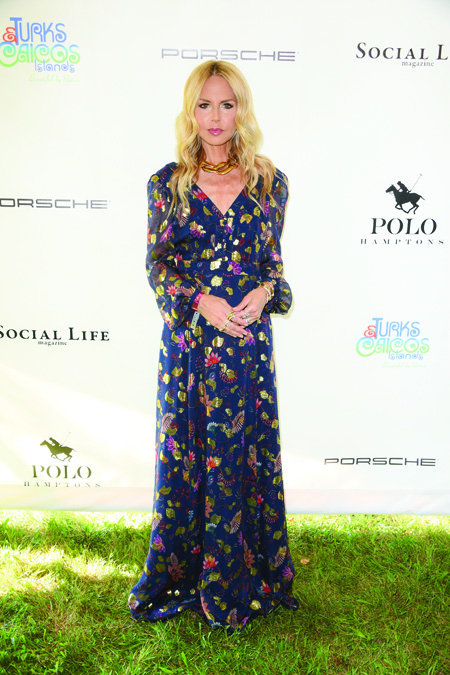
Getty Images distributes globally. Patrick McMullan defines New York society photography. Both document Polo Hamptons 2026. The images they capture reach audiences far beyond the 900 guests attending each match—magazine spreads, website galleries, social media coverage, and media archives that surface for years.
Getting photographed happens partly by chance. Getting photographed well—captured in frames that communicate what you want them to communicate—involves strategy that separates intentional positioning from random appearance.
This guide covers the photography infrastructure at Polo Hamptons and the approaches that increase your chances of appearing in coverage that matters.
The Photography Infrastructure
Understanding who’s shooting and what they’re seeking helps you position for the coverage you want.
Getty Images
Getty operates as one of the world’s largest visual media companies. Their photographers capture newsworthy moments, cultural events, and social gatherings for distribution through media channels globally.
Getty images from Polo Hamptons may appear in publications, websites, and media contexts you can’t predict at the time of capture. The photographer selecting you for a shot today creates an image that might surface in coverage months or years later.
Getty photographers seek images that tell stories—interesting subjects in compelling compositions doing things worth documenting. Standing stiffly won’t attract their attention. Genuine engagement, elegant presentation, and social energy catch their eye.
Patrick McMullan
McMullan’s career spans decades of New York society documentation. His archive defines how social New York has been photographed. Jerry Seinfeld ($950 million), Howard Stern ($650 million), and generations of Hamptons social figures appear in his frames.
McMullan coverage carries specific social weight. Appearing in his images positions you within the social landscape his work has mapped. For those building Hamptons presence, McMullan visibility signals arrival in ways other documentation doesn’t.
His approach favors people who present well and engage actively with the social environment. He photographs what interests him—which tends toward the genuinely social, visually compelling, and culturally relevant.
Step-and-Repeat Setup
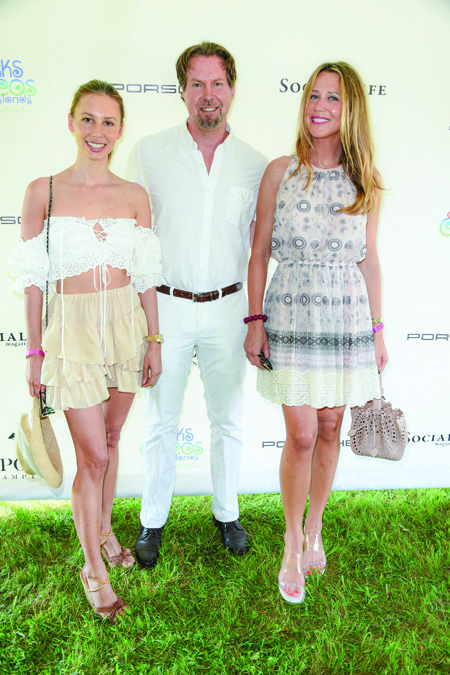
Branded backdrops position in high-traffic areas for formal photography. The step-and-repeat provides controlled environment for posed shots with sponsor logos visible—useful for both personal documentation and event coverage purposes.
Step-and-repeat images serve different purposes than candid shots. They’re structured, predictable, and available to most guests willing to queue. They provide reliable documentation when candid coverage proves elusive.
Timing Your Photography Moments
Different times during the event offer different photography opportunities.
Arrival Window (4:00-4:30 PM)
Early arrivals get first access to step-and-repeat with minimal queuing. Photographers position for arrival documentation. Energy is fresh—no champagne dishevelment, no sun fatigue.
The downside: light at 4 PM differs from golden hour. Backgrounds may be less populated. The tradeoff between early access and optimal conditions depends on your priorities.
Match Period (4:30-5:30 PM)
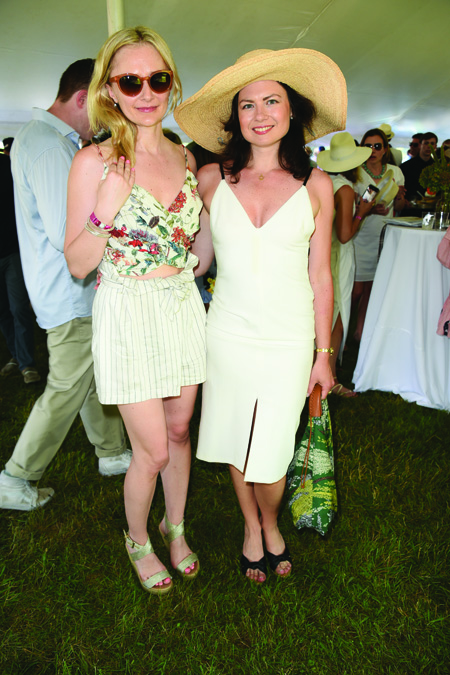
Photography attention shifts partly toward the polo itself. Candid shots of guests watching, reacting, and socializing during play capture authentic engagement.
If you want action-adjacent photos—you watching polo, raising a champagne toast during play, conversing field-side—this window provides context other times don’t.
Peak Social Hour (5:30-6:30 PM)
Post-match energy peaks. Photographers work the crowd capturing social dynamics. This window offers highest probability of appearing in candid coverage if you’re positioned well and presenting actively.
Step-and-repeat lines may build during this period. Balance desire for formal shots against time spent in queue versus engaging with the event.
Golden Hour (6:30-7:00 PM)
Late afternoon light renders everything photogenic. Photographers know this—golden hour shots populate coverage disproportionately because they simply look better.
Position yourself in well-lit areas during this window. The combination of flattering light and peak social energy creates optimal conditions for memorable images.
What Photographers Seek
Photographers shoot what interests them. Understanding their visual priorities helps you present in ways that attract attention.
Visual Interest
Distinctive presentation catches photographers’ eyes. This doesn’t mean costume-level statement-making—it means looking put-together in ways that photograph well.
Elements that create visual interest:
- Color that pops against background (avoid matching the tents)
- Elegant hats that frame faces
- Well-fitted clothing that moves properly
- Accessories that add detail without clutter
- Grooming that holds up in July heat
Social Energy
Static subjects make boring photos. Animated conversation, genuine laughter, engaged interaction—these create images worth capturing and publishing.
Photographers gravitate toward energy. If you’re standing alone staring at your phone, you’re invisible to them. If you’re actively engaged with interesting people in dynamic conversation, you’re worth photographing.
Context and Composition
Background matters. Photographers compose shots that tell stories through context—the polo field visible behind you, the Sperry tent framing a conversation, the champagne toast with golden light.
Position yourself in visually interesting locations. Field-side positions, hospitality area entrances, and well-decorated spaces provide better backdrops than random spots in foot traffic paths.
Recognition and Status
Photographers, especially society photographers like McMullan, recognize people worth documenting. Known figures, social connectors, and recognized faces attract camera attention.
If you’re building recognition, proximity to known figures can create opportunities. Photographers shooting someone notable may capture you in the frame. Over time, your own recognition builds through accumulated presence.
Positioning Strategies
Intentional positioning increases photography probability without making you look like you’re trying too hard.
High-Traffic Zones
Photographers work areas where interesting subjects concentrate. Bar areas, step-and-repeat adjacencies, hospitality tent entrances, and field-side viewing positions see more camera traffic than random lawn areas.
Spend time in these zones while engaging naturally with the event. Don’t lurk awkwardly hoping to be photographed—participate in ways that happen to position you where photographers work.
Social Clusters
Groups photograph better than individuals. Three or four people in animated conversation create more compelling images than one person standing alone.
Build or join social clusters in photographable locations. The combination of social energy and group dynamics increases both the visual interest of potential shots and the probability of photographers noticing the cluster.
Movement Patterns
Moving through the event creates more photography opportunities than anchoring in one location. Different photographers work different zones at different times. Mobility increases exposure to multiple photographers throughout the afternoon.
Circuit the event periodically—pass through the hospitality areas, check the field-side positions, visit the step-and-repeat, return to social clusters. Each movement creates new potential capture moments.
Step-and-Repeat Execution
The step-and-repeat provides guaranteed photography opportunity. Execution determines whether those images serve you well.
Timing Your Visit
Early in the event (4:00-4:30 PM) offers short lines but potentially less optimal lighting. Peak hours (5:30-6:30 PM) may involve longer waits but better atmosphere. Golden hour (6:30-7:00 PM) provides best light but possible crowds.
Consider multiple visits if time permits—capture early clean shots and return during golden hour for optimal lighting.
Posing Effectively
The step-and-repeat creates pressure to pose quickly while others wait. Preparation helps:
- Know your angles—which side photographs better, where your hands look natural
- Practice your expression—genuine smile, confident stance, engaged presence
- Position toward light sources when possible
- Angled positioning often photographs better than straight-on
- Relax shoulders and jaw before stepping into frame
Solo vs. Group Shots
Solo shots provide personal documentation. Group shots create shared moments and social proof. Both have value.
If attending with others, capture group shots that document your social context. Also capture solo shots that work for individual purposes like professional profiles.
Reviewing and Retaking
Some step-and-repeat setups allow image review and retakes. If available, use this option—a second attempt with adjusted positioning often produces better results than accepting a first shot that didn’t work.
What to Avoid
Certain behaviors diminish photography results or create impressions you don’t want documented.
Obvious Camera-Seeking
Photographers notice people trying too hard to be photographed. The behavior reads as desperate rather than desirable. Position yourself strategically but engage authentically—let photographs happen rather than chasing them.
Phone Obsession
Staring at your phone makes you invisible to photographers and creates unflattering images if captured anyway. Put the phone away except when you’re intentionally using it for your own photography.
Over-Refreshment
Three hours of open bar can impair judgment and presentation. Photographs of obviously intoxicated guests don’t serve anyone well. Pace yourself to maintain presentation quality throughout the event.
Unflattering Contexts
Eating, drinking mid-sip, adjusting clothing, or other transitional moments can be captured candidly. Stay aware that cameras are present; manage presentation accordingly without becoming rigidly self-conscious.
After the Event: Finding and Using Your Images
Photography value extends beyond the event through strategic image use.
Finding Professional Coverage
Getty Images and Patrick McMullan coverage may appear on Social Life Magazine platforms, event galleries, and media coverage. Follow Social Life Magazine’s digital channels for coverage publication.
Images may take days or weeks to process and publish. Check periodically after the event rather than expecting immediate availability.
Using Your Images
Step-and-repeat images and personal photos work for social media, professional profiles, and personal documentation. Tag appropriately for discovery by event organizers who might reshare.
Professional images from Getty or McMullan have usage restrictions. Personal screenshots or shares differ from commercial usage rights. Understand limitations before using professional images beyond personal social sharing.
Building Recognition Over Time
Photography presence compounds. Appearing in 2026 coverage builds toward 2027 recognition. Photographers remember faces they’ve shot before. Social media presence created by event images attracts future photography attention.
Think multi-season rather than single-event. Each Polo Hamptons appearance contributes to accumulated visual presence in Hamptons social documentation.
📸 POLO HAMPTONS 2026
Professional Photography by Getty Images & Patrick McMullan
July 18 & 25 | Bridgehampton, NY
Get Tickets at PoloHamptons.com
Connect With Polo Hamptons 2026
Tickets and Information:
PoloHamptons.com
Contact: Justin Mitchell | admin@polohamptons.com
Feature Articles, Advertising, and Brand Partnerships:
Contact Social Life Magazine
Join Our Email List:
Subscribe for Hamptons Insider Updates
Social Life Magazine Print Subscription:
Get Your Subscription
Support Our Coverage:
Donate $5 to Social Life Magazine
Related Articles
Polo Hamptons 2026 Guest Experience Guide: What to Expect at Bridgehampton
What to Wear to Polo Hamptons 2026: The Definitive Style Guide
First Time at Polo Hamptons? The Complete Newcomer’s Guide for 2026
The Complete Guide to Polo Hamptons 2026: Tickets, Sponsorships, and Insider Access
Author

Written by
Recent Posts

Red, White & Bordeaux: A Founding Fathers’ Guide to Raising a Glass

Youmetalks Reviews Show Why This Platform Is a Game-Changer for Safety
Creating Behind-the-Scenes Content Without Recording New Footage
The Invisible Essential: How Smart Travelers Stay Connected from the Moment They Land in Japan
The Hamptons Longevity Protocol: How to Stay Sharp Through Late Dinners, Early Tee Times, and Beach Weekends
Categories
- Art
- Articles
- Business of Luxury
- Celebrities
- Entertainment
- Events
- Faces of Summer 2026
- Fashion
- Fashion & Style
- Featured
- Finance
- Food, Spirits, Wine
- Hamptons
- Hamptons Celebrities
- Health
- Health & Beauty
- Lifestyle
- Luxury Lifestyle
- Press
- Profiles
- Real Estate
- Technology
- The Chronicles
- Travel
- Uncategorized
- Weddings