
A covered porch often becomes the most inviting room in a summer home. It is where mornings begin with coffee, where guests settle in after dinner, and where the view feels close enough to be part of the conversation. Yet even a beautiful porch can sit unused when the wind picks up, insects arrive, or rain blows beneath the roof.
Porch enclosures give homeowners more control over those moments. Curtains can be lowered when conditions change and rolled away when the porch is best left open. The goal is to keep the experience that makes the porch special while making it comfortable more often.
Begin with the way you use the porch
The best enclosure starts with a question: What sends you inside?
For some households, it is the breeze that turns a pleasant dinner into a chilly one. For others, it is insects at dusk or afternoon sun that reach beneath the roof. A porch used for quiet mornings may need a different solution from one used for large gatherings.
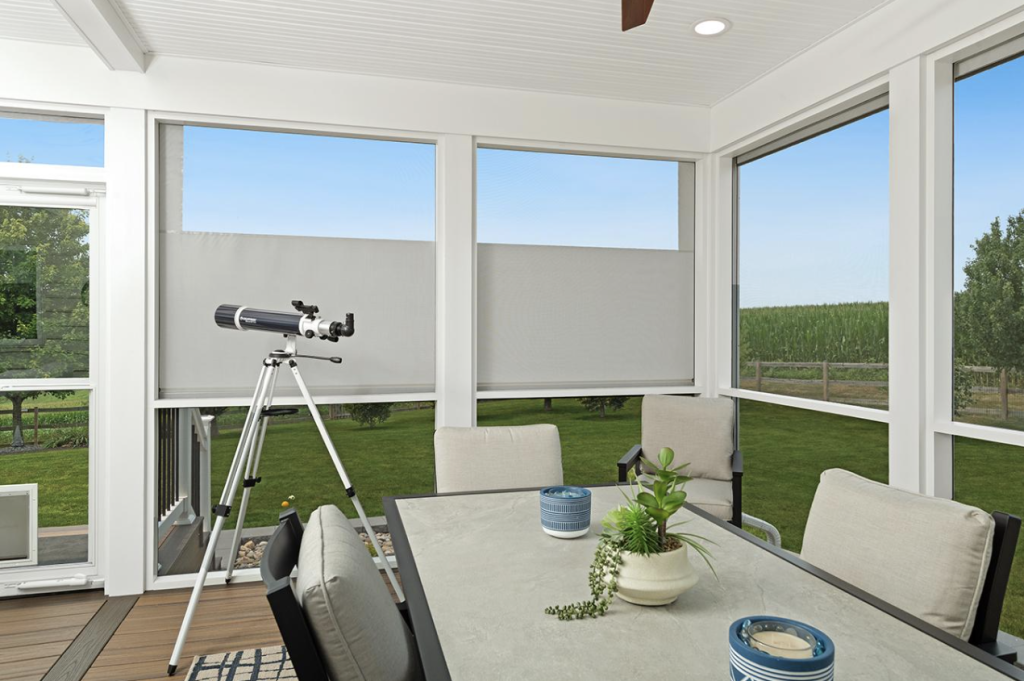
The answer helps determine the right material. Clear vinyl curtains offer a view while helping protect against wind and windblown rain. Insect screens let fresh air pass through and make evenings more comfortable. Shade mesh reduces glare while maintaining some visibility. Opaque fabric provides shade and privacy where those are the priority.
There is no need to treat every side of a porch alike. A clear panel can preserve a garden or waterfront view, while a sunnier side may benefit from mesh or fabric. Selecting materials by exposure makes the space more useful and helps the enclosure feel tailored to the home.
Keep the connection to the outdoors
A porch feels different from an interior room because its surroundings are always present. The light shifts, the air moves, and the landscape remains part of the setting. An enclosure should support that connection.
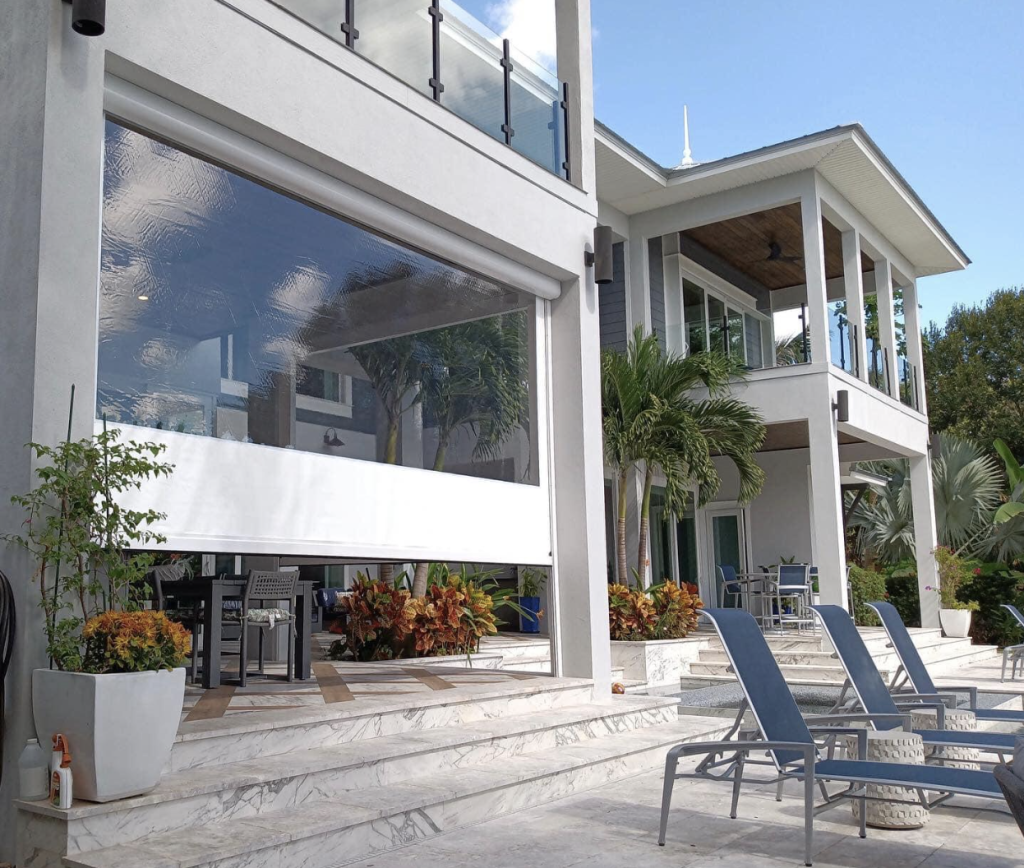
For a porch with a valued view, clear curtains can provide shelter without hiding what drew people outside in the first place. When the weather is warm and calm, rolling the curtains up restores the open feeling. On a cooler evening, lowering them can make it easier to linger.
That flexibility is especially useful in places where the weather changes over the course of the day. A porch might be open for lunch, shaded through the afternoon, and protected from a breeze at dinner. Rather than committing the space to a single setup, homeowners can adjust it to suit the occasion.
Let architecture guide the design
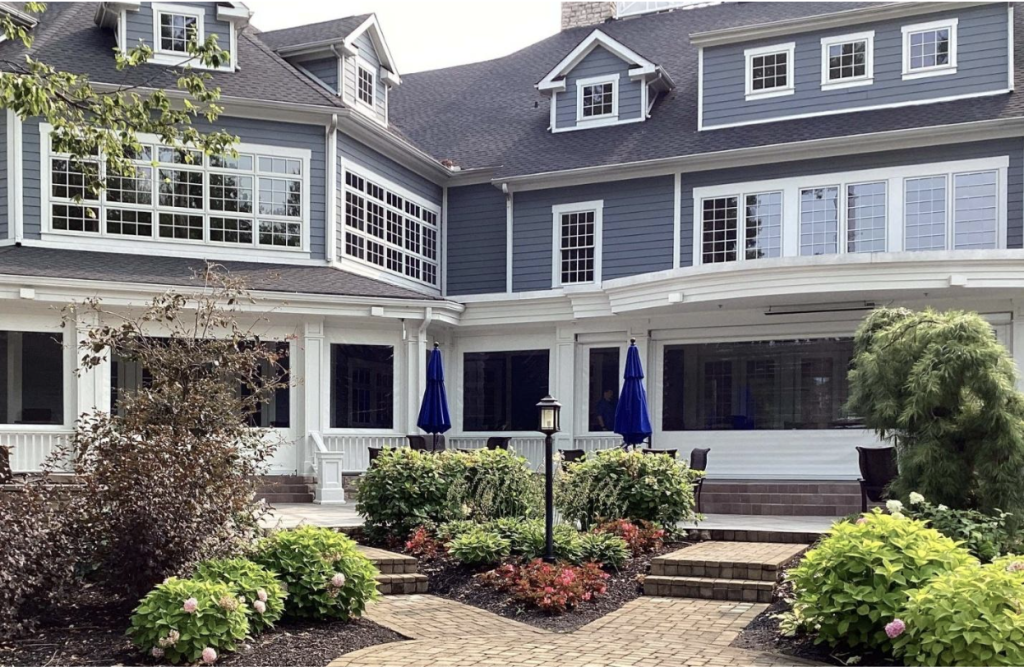
An enclosure looks its best when it follows the lines already present in the house. Posts, beams, ceiling height, and the proportions of each opening should guide the placement of the curtains.
On a long porch, dividing panels at existing posts often creates a more balanced appearance. It can also make individual sections easier to raise and lower. A dining area may need protection while an adjoining seating area remains open; separate panels allow each space to be used as its occupants prefer.
Small details have a large effect on the finished look. The curtain color, visible hardware, fastening method, and appearance of the rolled curtains should all be considered during planning. Homeowners who value a clean view from the yard should look at the design both when the enclosure is lowered and when it is stored above the openings.
Choose a system that fits your routine
Manual roll-up curtains work well for homeowners who want a straightforward way to adjust their porch. They can be raised when the weather is pleasant and secured when protection is needed.
Motorized systems offer another option, particularly for larger porches or curtains that will be adjusted frequently. Being able to lower several sections quickly can be convenient when guests are seated or the weather changes unexpectedly.
Neither choice is automatically right for every home. The size and number of openings, how often the curtains will move, and the way the porch is used should drive the decision. A thoughtful plan makes the system feel like a natural part of daily life.
Set realistic expectations for every season
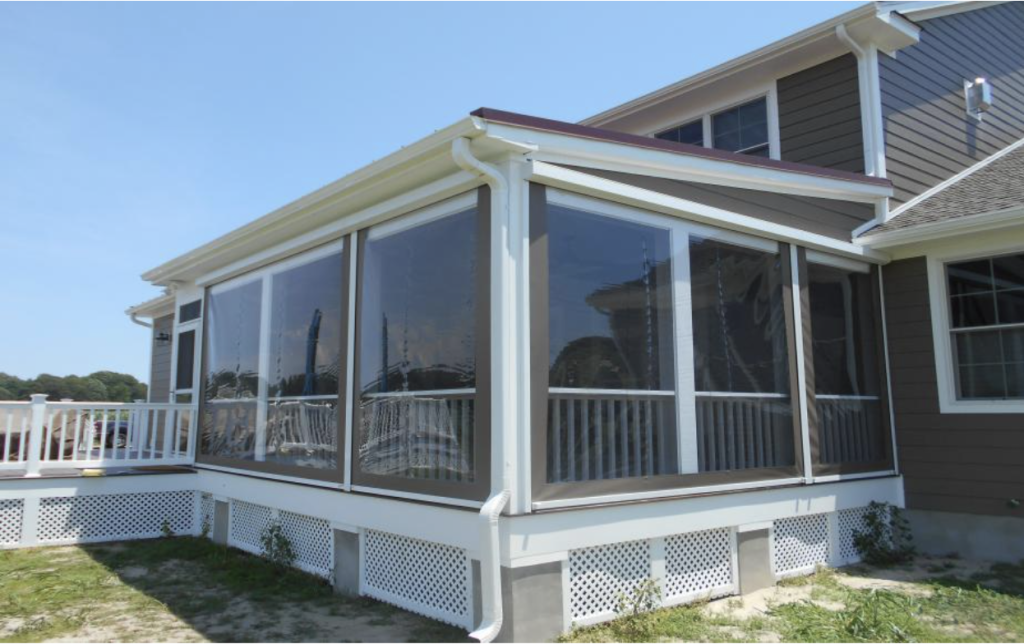
An enclosure can make a covered porch more comfortable, but it does not turn it into a fully heated or cooled room. Clear curtains may help shelter the space from a cool breeze, while screens and shade materials can be more comfortable during warmer weather. The roof, flooring, exposure, and local climate will still shape the experience.
It is also important to plan for proper installation. Mounting surfaces vary from porch to porch, and the appropriate anchoring method depends on the structure. In exposed locations, a qualified contractor should assess how the enclosure will be secured for strong winds.
With those practical details addressed, a porch can become a more dependable part of the home. It can host a relaxed breakfast, an afternoon away from the sun, or one more conversation after dinner—without every change in the weather deciding when the gathering ends.
PYC Awnings create custom porch enclosures in clear vinyl, insect screen, shade mesh, and fabric.
Author

Written by
Recent Posts

The Renegade Housewives of Pop Art: A Memoir of the 1960s

Nicole Miller
Unlocking the Berkshires

Dalia Forman Design

Alberto Luzzi
Categories
- Art
- Articles
- Business of Luxury
- Celebrities
- Culture
- Entertainment
- Events
- Faces of Summer 2026
- Fashion
- Fashion & Style
- Featured
- Finance
- Food, Spirits, Wine
- Hamptons
- Hamptons Celebrities
- Health
- Health & Beauty
- Lifestyle
- Luxury Lifestyle
- Press
- Profiles
- Real Estate
- Technology
- The Chronicles
- Travel
- Uncategorized
- Weddings